New Renault Duster 2026 Set to Redefine the Midsize SUV Segment in India

New Renault Duster 2026 India Launch with Modern Interiors and Turbo Engine

New Renault Duster 2026 Set to Redefine the Midsize SUV Segment in India

Renault is gearing up for the highly anticipated return of the Duster in India, with the official launch scheduled for January 26, 2026. This marks a strategic move in Renault’s long-term plan to strengthen its foothold in the competitive midsize SUV segment, particularly against stalwarts like the Hyundai Creta, Kia Seltos, and Maruti Suzuki Grand Vitara.

The new-generation Duster is built on a heavily localized CMF-B platform, offering the flexibility to accommodate multiple powertrains and future upgrades while keeping costs competitive. This approach reflects Renault’s “Renault. Rethink.” strategy, focusing on delivering modern SUVs tailored for Indian buyers.


Rugged Yet Refined: Exterior Design

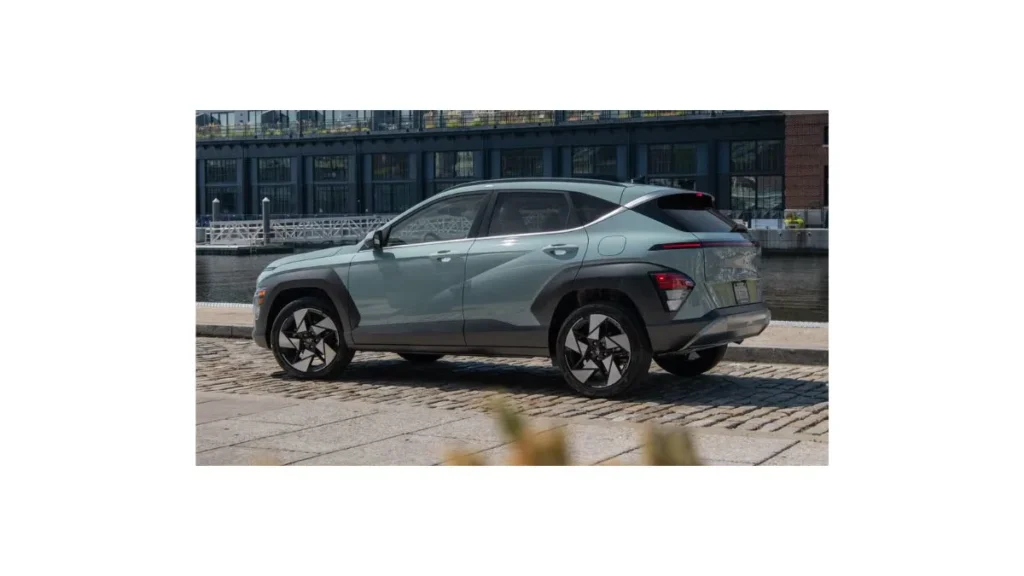
The New Renault Duster 2026 blends its iconic rugged DNA with contemporary styling cues. Spy shots of production-ready prototypes reveal a sharp and purposeful design:

  • Sharper Front Fascia: Integrated LED daytime running lights and sleek LED headlamps bring a modern touch to the aggressive front end.

  • Muscular Proportions: 18-inch diamond-cut Y-pattern alloy wheels, squared-off wheel arches, and robust cladding enhance the SUV’s commanding road presence.

  • Distinctive Rear Styling: Signature Y-shaped LED tail lamps and roof rails maintain the Duster’s instantly recognizable silhouette while adding a premium feel.

This design evolution suggests Renault is aiming for urban buyers who want rugged capability without compromising on sophistication, bridging the gap between adventure and refinement.


Premium Interiors and Tech-Focused Cabin

The cabin of the New Renault Duster 2026 represents a significant upgrade over its predecessor, moving closer to premium SUVs in terms of technology and comfort. Key expected features include:

  • Dual-Screen Setup: 10.1-inch touchscreen infotainment with wireless Android Auto and Apple CarPlay, coupled with a 7-inch digital instrument cluster.

  • Modern Center Console: Electronic gear selector and Y-themed design accents elevate the interior aesthetic.

  • Comfort and Convenience: Dual-zone automatic climate control, wireless charging, and multiple Type-C fast charging ports signal Renault’s focus on tech-savvy, connected customers.

The emphasis on a well-appointed cabin indicates that Renault is targeting not just rural or semi-urban buyers, but also younger, urban professionals seeking style, technology, and practicality.


Engine Options and Performance

Although official specifications are yet to be confirmed, reports suggest that the New Renault Duster 2026 will feature two turbocharged petrol engines:

  • 1.3L Turbo Petrol: Likely the flagship engine, expected to produce around 156 bhp.

  • 1.0L Turbo Petrol: A potential entry-level engine derived from the Kiger lineup.

Both engines are expected to come with manual and automatic (CVT/DCT) transmissions, providing flexibility for a range of driving preferences. Renault’s choice of turbo petrol units indicates a shift toward efficient yet spirited performance, catering to city commuting as well as highway driving.


Strategic Market Positioning

The Duster has long been recognized for its rugged utility, particularly in rural and semi-urban markets. The 2026 model expands this appeal by integrating premium features without losing its off-road-ready character. The SUV will initially launch as a 5-seater, with a 7-seater variant (based on the Dacia Bigster) expected in the near future, allowing Renault to cater to families seeking versatile SUV options.

By modernizing design, upgrading interiors, and offering multiple powertrain options, the New Renault Duster 2026 is positioned to attract a broader spectrum of buyers while solidifying Renault’s brand presence in India.


Why This Launch Matters

The 2026 Duster is not just another SUV launch; it signals a shift in Renault’s India strategy. The localized CMF-B platform ensures cost efficiency, while premium interiors and modern tech reflect the changing expectations of Indian buyers. Moreover, the Duster’s return can set a benchmark for affordable rugged SUVs with a modern twist, forcing competitors to rethink feature offerings and pricing strategies.

With the launch just around the corner, Renault has a chance to reclaim its spot in the midsize SUV segment and appeal to a new generation of buyers looking for style, capability, and technology in one package.


FAQ: New Renault Duster 2026

1. When will the New Renault Duster launch in India?
The official launch is scheduled for January 26, 2026.

2. What platform is the New Renault Duster 2026 built on?
It is built on the CMF-B platform, extensively localized for India.

3. What are the key design highlights of New Renault Duster 2026?
Sharper front fascia with LED DRLs, 18-inch Y-pattern alloy wheels, robust cladding, and Y-shaped LED tail lamps.

4. Will there be a 7-seater version?
Yes, a three-row (7-seater) version is planned, based on the Dacia Bigster.

5. What interior features can buyers expect?
A 10.1-inch touchscreen infotainment system, 7-inch digital cluster, electronic gear selector, dual-zone climate control, and wireless charging.

6. What are the expected engines and transmission options?
Two turbo petrol engines (1.3L and 1.0L) with manual and automatic (CVT/DCT) options.


Buying the Honda SP 125? Here’s What Matters More Than the Brochure

Honda SP 125 commuter motorcycle parked on an Indian road showcasing its premium design

Honda SP 125 Buying Guide: Real-World Insights on Performance, Features and Ownership

In India’s fiercely contested 125cc motorcycle space, the Honda SP 125 doesn’t try to shout the loudest. It isn’t styled to look sporty for the sake of attention, nor is it tuned to impress on paper with peak performance numbers. Instead, Honda sells it as a premium commuter—a bike aimed at riders who care more about smoothness, fuel efficiency, and long-term dependability than visual drama.

That positioning sounds sensible. But does it actually translate into a better ownership experience on Indian roads? And with the segment now crowded with feature-packed, aggressively priced alternatives, does the SP 125 still make sense in 2025?

This is not a spec-sheet rundown. It’s a practical, rider-focused breakdown of what truly matters before you decide whether the Honda SP 125 deserves your money.


1. The Engine Is Built for Calm, Not Thrills — And That’s the Point

On paper, the SP 125’s 124cc engine doesn’t scream excitement. But numbers rarely tell the full story in commuter motorcycles.

What Honda gets right here is engine refinement. The motor feels smooth through most of the rev range, with vibrations only creeping in when you push it harder than a typical commuter rider would. In everyday conditions—city traffic, short highway runs, stop-and-go riding—the SP 125 behaves exactly as a Honda should: predictable, quiet, and stress-free.

This matters because most 125cc buyers aren’t chasing adrenaline. They want an engine that:

  • Feels comfortable every single day

  • Doesn’t fatigue the rider

  • Ages well over years of use

Honda’s reputation for long-lasting engines isn’t accidental, and the SP 125 clearly continues that philosophy.


2. Features That Make a Difference

Where earlier commuter bikes focused purely on mechanical basics, the SP 125 acknowledges that modern buyers expect tech—even in smaller motorcycles.

The standout is the TFT display with Bluetooth connectivity, a feature that was once exclusive to larger, more expensive bikes. Add to that a USB-C charging port, and the SP 125 quietly becomes more practical for daily urban riders who rely heavily on their smartphones.

Then there’s Honda’s auto start-stop system, which shuts off the engine at traffic lights to save fuel. While this may sound minor, over months of city commuting, it can make a noticeable difference in fuel consumption. Riders who are curious about alternatives beyond petrol commuters may also want to explore electric options. Check out our VIDA VX2 electric scooter review to see how a modern EV performs in city conditions.


3. Light Weight Is an Underrated Advantage

In spec sheets, a 1kg difference between variants might seem trivial. On crowded Indian roads, it’s not.

At 116–117kg, the SP 125 remains easy to maneuver, whether you’re filtering through traffic, making U-turns on narrow streets, or parking in tight spaces. This low weight also makes the bike less intimidating for newer riders and more comfortable for shorter or lighter users.

In an era where bikes are getting heavier due to added features and stricter norms, keeping weight in check is a quiet win—especially for daily commuters.


4. Warranty and Ownership Are Where Honda Plays the Long Game

One of the strongest reasons buyers gravitate toward Honda is peace of mind, and the SP 125 reinforces that trust.

A 3-year standard warranty is solid by segment standards, but the option to extend coverage up to 10 years is where Honda stands apart. This isn’t just a sales tactic—it reflects confidence in the product’s durability.

For riders planning to keep their motorcycle for a long time, or for families buying a dependable household bike, this long-term warranty can significantly reduce ownership anxiety and unexpected expenses.


5. Pricing Reflects a Premium-Commuter Identity

The Honda SP 125 is not the cheapest 125cc motorcycle on sale—and it doesn’t try to be.

With pricing starting around ₹85,000 and going up to ₹93,000 (ex-showroom Delhi), Honda is asking buyers to pay a little extra for:

  • Better refinement

  • Proven reliability

  • Useful modern features

  • Strong resale value

In comparison to sportier or more aggressively styled rivals, the Honda SP 125 feels more mature. It’s aimed at buyers who see a motorcycle as a daily companion, not a weekend toy.


The Bigger Picture: Who Should Buy the Honda SP 125?

The Honda SP 125 makes the most sense for:

  • Daily commuters who ride long hours

  • Buyers upgrading from older 100–110cc bikes

  • Riders who value refinement and longevity over raw performance

  • Anyone who plans to keep their bike for many years

It may not excite at first glance, but that’s exactly its strength. The Honda SP 125 is designed to blend into your routine, not dominate it—and for most Indian riders, that’s the smartest kind of motorcycle to own.

In a segment obsessed with styling and spec battles, the Honda SP 125 quietly reminds us that comfort, trust, and consistency still matter.

Moto G86 Power 5G Takes Battery Anxiety Off the Table With a Massive 6,720mAh Cell

Moto G86 Power 5G showing AMOLED display and vegan leather back design

Moto G86 Power 5G Launches in India as One of the Longest-Lasting Smartphones Under ₹20,000

In a market flooded with slim phones that barely last a day, Motorola’s latest launch takes a refreshingly practical turn. The Moto G86 Power 5G, unveiled in India at ₹17,999, isn’t trying to win spec-sheet battles with gimmicks. Instead, it focuses on something users have been asking for loudly and repeatedly: reliable battery life without sacrificing modern features.

And that choice tells us a lot about where the mid-range smartphone market is headed.


Why the Moto G86 Power 5G Matters Right Now

Battery anxiety remains one of the most common complaints among smartphone users — especially in India, where heavy data usage, navigation, video streaming, and long commutes are part of daily life. While flagships flirt with faster charging as a workaround, Motorola has taken a more grounded approach: just put a genuinely big battery in the phone.

At 6,720mAh, the Moto G86 Power 5G sits well above the segment norm. This isn’t a minor bump over 5,000mAh competitors — it’s a structural advantage. For most users, this translates to two full days of real-world usage, even with 5G enabled and a high-refresh-rate display.

That alone makes this launch relevant. But Motorola didn’t stop there.


A Mid-Range Phone That Doesn’t Feel Fragile

What quietly elevates the Moto G86 Power 5G is its focus on durability, an area mid-range phones often ignore.

  • IP68 and IP69 ratings mean the phone can survive water immersion and high-pressure sprays — something even many premium phones skip.

  • MIL-STD-810H certification signals resistance to drops, vibration, and temperature stress.

  • Gorilla Glass 7i protection adds real-world scratch and impact resistance.

This isn’t just marketing. Motorola is positioning the G86 Power as a phone built for long-term ownership — for users who don’t want to baby their device or replace it every year.


Display and Multimedia: Surprisingly Premium Touches

Motorola has also leaned into content consumption, and it shows.

The 6.7-inch AMOLED panel offers:

  • 120Hz refresh rate

  • HDR10+ support

  • Peak brightness up to 4,500 nits

That brightness figure matters more than it sounds. In Indian outdoor conditions, visibility is often where mid-range phones fall apart. Here, Motorola is clearly targeting users who watch videos, scroll outdoors, or game extensively.

Add dual stereo speakers with Dolby Audio, and the phone becomes a capable multimedia device — not just a productivity slab with a big battery.


Camera: Sensible, Not Experimental

Instead of inflating megapixel counts, Motorola has opted for a 50MP Sony LYTIA-600 sensor — a known, dependable imaging platform. This choice suggests a focus on consistent photography rather than headline-grabbing specs.

The supporting cast — an 8MP ultra-wide with macro support and a flicker sensor — fills practical roles, while the 32MP front camera caters to India’s selfie-first audience.

No, this isn’t a camera-centric phone. But in this price band, reliability beats novelty — and Motorola seems to understand that.


Performance and Software: Quietly Competent

Powered by the MediaTek Dimensity 7400 (4nm) chipset, the Moto G86 Power 5G targets efficiency over brute force. Paired with 8GB LPDDR4X RAM, it’s well-suited for:

  • Daily multitasking

  • Casual gaming

  • Sustained performance without overheating

Running Android 15 with Motorola’s Hello UI, the software experience remains close to stock — a long-standing Motorola advantage. For users tired of aggressive skins and intrusive ads, this alone can be a deciding factor.

Expandable storage up to 1TB via microSD further reinforces the phone’s long-term usability — another rarity in 2025.


Charging Trade-Off: A Conscious Compromise

The only spec that might raise eyebrows is 33W charging. In a market where competitors flaunt 67W or even 100W speeds, this looks conservative.

But paired with a 6,720mAh battery, the strategy makes sense. Slower charging often means less heat, slower battery degradation, and better long-term health. Motorola appears to be optimizing for longevity rather than quick wins.


Pricing and Availability

  • Price: ₹17,999

  • Variant: 8GB RAM + 128GB storage

  • Availability: From August 6, via Flipkart and Motorola India

  • Colours: Cosmic Sky, Golden Cypress, Spellbound (Pantone-certified, vegan leather finish)

At this price, Motorola is directly challenging brands that focus on performance spikes or fast charging, offering instead a more balanced, durability-first alternative.


The Bigger Picture: What This Launch Signals

The Moto G86 Power 5G reflects a subtle but important shift in the Indian smartphone market:

  • Users are prioritizing battery endurance and durability over flashy specs.

  • Brands are realizing that practical innovation often matters more than spec inflation.

  • Long-term ownership is becoming a selling point again.

If this phone performs as expected in real-world use, it could push competitors to rethink their obsession with thin designs and charging speeds — and that would be a win for consumers.

The Moto G86 Power 5G isn’t exciting in a loud way. It’s compelling because it’s sensible. And in 2025’s crowded mid-range segment, that might be exactly what sets it apart.

Infinix Note 50s 5G+ Review: 64MP Camera, 120Hz AMOLED & Long-Lasting Battery Under ₹16,000

Infinix Note 50s 5G+ smartphone in Marine Drift Blue showing 120Hz AMOLED display and 64MP dual rear camera

Infinix Note 50s 5G+: Affordable 5G Power Meets Large Display and Long Battery Life

The mid-range smartphone market in India has become fiercely competitive, and Infinix is making a strong case for itself with the Infinix Note 50s 5G+, launched on 18th April 2025. This device is designed to strike a balance between performance, display quality, and battery endurance, offering 5G connectivity at an aggressive price point starting at just ₹15,999.

With the proliferation of content-heavy apps, cloud gaming, and video streaming, devices like the Infinix Note 50s 5G+ signal a shift: mid-premium smartphones are now expected to deliver features once exclusive to flagships. For budget-conscious users who still want speed, smooth visuals, and reliable multitasking, Infinix appears to have tailored this phone precisely to those needs.


Large, Smooth Display for Entertainment and Gaming

The Infinix Note 50s 5G+ sports a 6.78-inch FHD+ AMOLED display with a 120Hz refresh rate. While Full HD resolution is now standard at this price point, the combination of AMOLED technology and high refresh rate ensures vivid colors, deep blacks, and fluid animations. This makes it ideal for video streaming, social media browsing, and casual gaming.

From an expert perspective, the 120Hz refresh rate is particularly noteworthy. While not as high as flagship panels, it significantly enhances perceived smoothness during scrolling and gameplay, making the device feel faster than its raw processor specs alone might suggest. For users upgrading from older 60Hz screens, this is a visible leap in fluidity and responsiveness.


Performance That Punches Above Its Price

Under the hood, the Infinix Note 50s 5G+ is powered by the MediaTek Dimensity 7300 Ultimate, an octa-core processor capable of handling daily multitasking, gaming, and content creation tasks efficiently. Coupled with 6GB or 8GB of RAM and 128GB–256GB of internal storage, the device can run multiple apps smoothly and store large media libraries without lag.

Running Android 15 with XOS 15, users benefit from the latest Android features, including enhanced security, smarter notifications, and optimized background processes. While not competing with flagship-tier chips, the Dimensity 7300 Ultimate ensures a reliable performance-to-price ratio, which is crucial for this segment.


Cameras for Casual Creators

The phone features a dual rear camera setup with a 64MP main sensor and a 2MP secondary lens, complemented by a 13MP front camera for selfies and video calls. While this is not aimed at photography enthusiasts, it delivers solid, daylight-friendly shots and functional social media content creation.

Infinix’s focus here seems clear: offer enough camera capability for everyday users while keeping costs down. For students, social media users, and casual vloggers, this combination hits a practical sweet spot without inflating the price.


Battery Life That Keeps You Going

A 5500mAh battery paired with 45W fast charging ensures that the Note 50s 5G+ lasts well beyond a full day of heavy use, whether it’s gaming, streaming, or work tasks. Rapid charging is a standout feature in this price segment, providing significant convenience for users who can’t afford downtime.

From a market perspective, long battery life and fast charging are increasingly the primary decision factors for mid-range buyers, often outweighing raw processing power or camera specs.


Durability and Connectivity

The Infinix Note 50s 5G+ comes with an IP64 rating, offering resistance to dust and light splashes, a feature rarely seen in this segment. It also supports dual SIM with active 4G, Wi-Fi, GPS, Bluetooth 5.4, and USB Type-C, covering all modern connectivity essentials.

Sensors include an in-display fingerprint scanner, gyroscope, compass, ambient light sensor, and accelerometer, ensuring a modern user experience and compatibility with gaming and AR applications.


Price and Market Positioning

Priced from ₹15,999 for the 8GB/128GB variant, the Infinix Note 50s 5G+ competes directly with devices like the Moto G96 5G, Realme Narzo 90x 5G, and iQOO Z10x, offering slightly higher battery capacity, fast charging, and a smoother display at comparable or lower price points.

For the mid-range market, this combination of display, battery, and 5G connectivity gives Infinix a clear value proposition: a phone that looks and feels modern without breaking the bank.


Why the Infinix Note 50s 5G+ Matters

The Infinix Note 50s 5G+ illustrates the rapid democratization of features once reserved for flagships, such as 120Hz AMOLED displays, large batteries, and fast charging. For Indian consumers in 2025, this device represents affordable access to next-generation connectivity and smooth multimedia experiences.

Looking ahead, phones like the Infinix Note Note 50s 5G+ suggest a trend: mid-range smartphones are no longer compromises. With thoughtful feature selection and aggressive pricing, Infinix is positioning itself as a brand that understands both technology trends and real-world user needs.

For users seeking a capable 5G phone with long battery life, smooth display, and practical cameras at an accessible price, the Infinix Note Note 50s 5G+ is a compelling option.

Vivo V40 5G Unveiled: Sleek Design, 50MP AI Camera & Lightning-Fast 5G Performance

Vivo V40 5G smartphone in Ganges Blue showing 50MP AI camera and 6.78-inch AMOLED display

Vivo V40 5G Review: Sleek Design, 50MP AI Camera & Ultra-Fast 5G Performance

The Vivo V40 5G is Vivo’s latest offering in the mid-premium smartphone segment, designed to appeal to users who want style, power, and advanced features in one package. With a focus on elegant design, professional-grade cameras, and seamless 5G connectivity, the V40 5G aims to satisfy content creators, gamers, and everyday users looking for a device that performs as well as it looks.


A Design That Stands Out

The Vivo V40 5G immediately grabs attention with its slim, sleek profile and curved edges. The premium glass finish adds a touch of elegance, and the device comes in Ganges Blue, Lotus Purple, and Titanium Grey, catering to users who value aesthetics alongside functionality.

Its 6.78-inch AMOLED display offers a resolution of 2800 x 1260 pixels, delivering vibrant colors, deep contrast, and sharp visuals. Coupled with a 120Hz refresh rate, the screen ensures smooth scrolling, fluid animations, and an immersive viewing experience—ideal for gaming, streaming movies, or browsing social media.

In an era where design matters as much as performance, the Vivo V40 5G balances premium looks with practical usability, making it a device that feels as good as it performs.


Performance That Keeps Pace

Under the hood, the Vivo V40 5G is powered by the Qualcomm Snapdragon 7 Gen 3 processor, paired with up to 12GB of RAM and 512GB of internal storage. This combination ensures lag-free multitasking, smooth app switching, and high-end gaming performance, even when running demanding applications.

The device runs Android 14 with Funtouch OS 14, offering a user-friendly interface, robust security, and intelligent battery management. Whether switching between productivity apps, streaming content, or gaming, the V40 5G maintains consistent performance without slowing down, a key consideration for users who rely on their phone as a daily productivity and entertainment tool.


Pro-Grade Cameras for Creators

Vivo has emphasized camera performance on the V40 5G. The 50MP main sensor paired with a 50MP ultra-wide lens captures detailed, high-quality images in all lighting conditions. The 50MP front camera supports 4K video recording, AI enhancements, portrait mode, night mode, and video stabilization, making it ideal for vlogging, content creation, and social media sharing.

This means users can rely on the V40 5G as a mobile studio, eliminating the need for extra equipment. For anyone creating video content or taking professional-looking photos on the go, the camera system is a standout feature that elevates the overall value of the device.


Battery and Charging That Keep You Connected

Equipped with a 5500mAh battery and 80W FlashCharge, the Vivo V40 5G is built for long-lasting use and rapid top-ups. Users can easily get through a full day of heavy usage—gaming, streaming, or multitasking—without worrying about running out of power. The fast-charging feature ensures that even a short charging session provides several hours of usage, making it highly convenient for busy lifestyles.


5G Connectivity and Smart Features

The Vivo V40 5G supports 5G networks, offering faster downloads, smoother streaming, and stable internet connectivity in supported regions. Additional features include:

  • In-display fingerprint sensor for quick and secure access

  • NFC support for contactless payments

  • IP68 water and dust resistance

  • AI-driven personalization and smart sensors

These features combine to make the V40 5G a well-rounded device that blends speed, security, and convenience for modern users.


Pricing and Availability

The Vivo V40 5G is available in multiple configurations:

  • 8GB RAM + 128GB Storage: ₹34,999

  • 8GB RAM + 256GB Storage: ₹36,999

  • 12GB RAM + 512GB Storage: ₹41,999

It can be purchased via Flipkart, Croma, Vivo’s official website, and authorized retail stores.


Why the Vivo V40 5G Matters

The Vivo V40 5G reflects a shift in mid-premium smartphones, where style, performance, and advanced features converge. With its sleek design, high-performance processor, AI-enhanced cameras, and long-lasting battery, it meets the needs of creators, gamers, and everyday users who demand more from their device.

As 5G networks expand and AI capabilities become standard, smartphones like the V40 5G are no longer just communication tools—they’re entertainment hubs, creative studios, and productivity centers all in one. For anyone looking for a device that balances elegance, speed, and functionality, the Vivo V40 5G offers a compelling and versatile package.

Vivo X300 Pro Review: When a Smartphone Starts Thinking Like a Camera

Vivo X300 Pro review showing large camera module and telephoto-focused design

Vivo X300 Pro Review: When a Smartphone Starts Thinking Like a Camera

Most smartphones today talk loudly about photography. Bigger sensors, higher megapixels, smarter AI—every launch promises images that rival dedicated cameras. Very few phones, however, are confident enough to behave like one.

The Vivo X300 Pro belongs to that smaller, more interesting group.

This is not a phone built to win spec-sheet arguments on social media. It is built around a quieter ambition: to give users the confidence to zoom, wait, observe, and frame—behaviours traditionally associated with photographers, not phone owners. After living with it as both a daily device and a primary camera, the Vivo  X300 Pro reveals something important about where smartphone imaging is heading.


Why the Vivo X300 Pro Matters Right Now

Smartphone cameras have largely plateaued in the wide-angle space. Daylight photos are consistently good across brands. Where phones still struggle—and where real cameras still dominate—is reach. Distance compresses detail, punishes stabilisation, and exposes the limits of computational photography.

Vivo’s answer isn’t just a bigger sensor or more aggressive AI. It’s a system-level rethink of telephoto photography—one that treats zoom not as an afterthought, but as a core creative tool.

That choice alone changes the conversation.


Design That Doesn’t Apologise for Its Purpose

The Vivo X300 Pro doesn’t try to hide its priorities. The large circular camera module dominates the back, and that’s intentional. Camera-first phones shouldn’t pretend to be minimalist slabs; they should wear their purpose openly.

The matte glass finish balances the visual weight, keeping the phone grippy even in humid or sweaty conditions. Despite the prominent camera hardware, weight distribution is handled well. Shooting in landscape orientation—especially at longer focal lengths—never feels awkward or top-heavy.

On the front, Vivo’s decision to stick with a flat 6.78-inch AMOLED display deserves credit. Flat panels are underrated, especially for people who edit photos on their phones. Cropping, straightening horizons, and judging edges feel more precise without curved distortions.

The display itself is excellent: 120Hz smoothness, restrained colour tuning, strong outdoor brightness, and HDR performance that enhances rather than exaggerates. This is a screen designed for looking critically at images, not just consuming content.


Performance That Stays Invisible—and That’s a Compliment

Powered by the MediaTek Dimensity 9500 with 16GB RAM, the Vivo X300 Pro never draws attention to its performance. Apps stay in memory, multitasking feels effortless, and the phone behaves consistently from morning to night.

That consistency matters more than peak numbers. When you’re switching constantly between camera, gallery, maps, editing tools, and messaging—often outdoors—any hesitation breaks flow. The X300 Pro doesn’t interrupt you.

Gaming performance is solid, thermal behaviour is predictable, and while the phone does warm up during extended camera use, it never crosses into discomfort or throttling territory.


Battery Life Built for Long Days, Not Just Benchmarks

With its 6,510mAh battery, the Vivo X300 Pro is clearly designed for users who stay out longer than their charger does.

Heavy photography days—navigation, editing, screen-on time, telephoto use—still end comfortably without anxiety. Battery drain during zoom-heavy shooting is noticeable but logical, not erratic. That predictability is key when you’re travelling or working in the field.

Charging speeds are fast enough that short top-ups actually make a difference, which matters more in real life than headline wattage figures.


Software: Vivo Finally Gets Out of the Way

OriginOS 6 marks a turning point for Vivo’s software reputation. Where older Vivo interfaces felt busy and dated, this one feels modern, fluid, and restrained.

Animations are smooth without being showy. Transitions make sense. The phone responds immediately to intent. Over time, the interface fades into the background—which is exactly what good software should do.

The camera app itself is dense, but intentionally so. This is closer to a camera menu system than a casual point-and-shoot interface. It takes time to learn, but once you do, control becomes second nature.

Some AI tools are genuinely useful—object removal, quick composition fixes—while others are easy to ignore. That balance matters. Tools should assist, not demand attention.


The Camera Philosophy: Zoom First, Everything Else Follows

On paper, the camera setup looks impressive:

  • 50MP main camera

  • 50MP ultra-wide

  • 200MP ZEISS-backed telephoto

In practice, what stands out is how deliberately Vivo treats the telephoto lens. It isn’t secondary. It’s central.

The telephoto camera delivers reliable focus, strong stabilisation, and consistent colour science across distances. More importantly, it invites you to try shots you’d normally skip on a phone—distant subjects, fleeting wildlife moments, scenes where stepping closer isn’t possible.

The Telephoto Extender: Niche, Serious, Effective

The optional telephoto extender kit pushes the Vivo X300 Pro into unusual territory. This isn’t a gimmick lens meant for casual experimentation. It’s a serious accessory designed for specific use cases: wildlife, stage performances, distant observation.

It adds weight, requires care, and demands patience. But when conditions are right, it delivers clarity that digital zoom simply cannot replicate. Detail holds. Stabilisation remains usable. Focus doesn’t panic.

The result isn’t just sharper images—it’s confidence. Confidence to wait, to frame carefully, to trust the shot.


Image Output: Documentary, Not Decorative

Across varied subjects—landscapes, animals, people, motion—the Vivo X300 Pro’s images share a consistent character. Colours are controlled, details aren’t over-sharpened, and backgrounds fall away naturally.

Photos don’t scream “shot on a phone.” They feel observational rather than performative.

Low light still challenges the telephoto lens, as physics demands, but the phone gives you a genuine chance where most smartphones simply fail outright.

The ultra-wide camera is reliable in daylight, less impressive after dark. The front camera delivers clean, natural selfies without aggressive smoothing.

Video performance is solid and dependable. 4K60 footage is stable, telephoto video remains usable, and focus behaviour stays calm—even while moving.


Durability and Daily Confidence

With IP68 and IP69 ratings, the Vivo X300 Pro inspires trust. Dust, humidity, constant handling, travel wear—it all fades into the background. You don’t feel the need to baby the phone, which is crucial for a camera-first device.

A phone that makes you hesitate to use it freely is a failed design. This one doesn’t.


The Bigger Picture: Who Is This Phone Really For?

At ₹1,09,999, the Vivo X300 Pro is not trying to appeal to everyone. It doesn’t justify its price through flashy tricks or mass-market appeal.

Instead, it targets a specific mindset:

  • People who frame before they shoot

  • People who value reach over filters

  • People who travel, observe, and wait

  • People who want to leave a bigger camera behind—sometimes

The telephoto extender kit, priced separately, reinforces that focus. It’s not essential, but when you need it, nothing else like it exists in the smartphone world.


Final Verdict: A Tool, Not a Toy

The Vivo X300 Pro isn’t perfect. It’s large, expensive, and unapologetically specialised. But that’s precisely why it matters.

It doesn’t try to make photography effortless. It tries to make it trustworthy.

And when a smartphone earns enough trust to change how you see, wait, and frame the world, it stops being just a phone. It becomes a tool—and that’s a much rarer achievement.

Motorola Edge 70 Review: The Most Thoughtful Smartphone Under ₹30,000?

Motorola Edge 70 review showing design, AMOLED display and camera module

Motorola Edge 70 Review: Why This Phone Matters More Than Its Price Tag

When Motorola launched the Edge 70 in India, it didn’t try to steal headlines with gimmicks or flashy slogans. Instead, it made a more interesting statement—one that speaks directly to how the Indian smartphone market is maturing.

At ₹29,999 (effectively ₹28,999 with launch offers), the Edge 70 isn’t chasing the budget segment, nor is it pretending to be a flagship killer. It sits deliberately in the mid-premium tier, and that positioning tells us more about Motorola’s strategy—and the future of Android phones in India—than the spec sheet alone.


Motorola Edge 70 Review: Why This Launch Signals a Shift in India’s Mid-Range Market

The Motorola Edge 70 arrives at a time when mid-range phones are no longer defined by compromise. Indian buyers today expect longevity, premium build quality, and future-ready hardware—even below ₹30,000. Motorola’s approach with the Edge 70 reflects this shift.

Instead of inflating numbers for marketing, Motorola has focused on three long-term priorities:

  1. Platform stability

  2. Battery technology evolution

  3. Software relevance

Each of these choices hints at where the industry is heading.


Snapdragon 7 Gen 4: The Sensible Middle Ground

The Snapdragon 7 Gen 4 isn’t meant to outperform flagship chips, and that’s exactly the point. Qualcomm’s 7-series has quietly become the backbone of the Indian mid-premium market, offering sustained performance without thermal drama.

For most users—gaming, camera processing, AI features, multitasking—the 7 Gen 4 delivers consistency rather than spikes. Paired with LPDDR5x RAM and UFS 3.1 storage, the Edge 70 prioritizes real-world responsiveness over benchmark vanity.

This is a crucial distinction. Phones in this price bracket are increasingly judged by how well they age, not how fast they feel on day one.


Android 16 Out of the Box: A Subtle but Important Advantage

Shipping with Android 16 preinstalled gives Motorola an early-mover advantage that often goes unnoticed. In India, where many users keep phones for 3–4 years, starting on the latest Android version significantly extends the device’s relevance.

Motorola’s promise of:

  • Three Android version upgrades

  • Four years of security updates

places the Motorola Edge 70 closer to long-term value devices than seasonal refreshes. For professionals, students, and creators, this matters far more than an extra camera lens.


Silicon-Carbon Battery: The Real Innovation Here

The most forward-looking feature of the Motorola Edge 70 isn’t the display or cameras—it’s the 5,000mAh silicon-carbon battery.

Silicon-carbon cells represent the next phase of smartphone battery tech, offering higher energy density without increasing size or weight. That’s how Motorola manages a phone that’s:

  • Just 5.99mm thick

  • Only 159 grams

  • Yet still supports 68W fast charging, 15W wireless charging, and reverse charging

This isn’t just about slimness—it’s about efficiency. Expect silicon-carbon batteries to become standard in premium phones over the next two years. Motorola is simply early to the trend.


Cameras: Balanced, Not Overpromised

Triple 50MP cameras may sound excessive, but Motorola’s execution is restrained. The focus here is consistency across lenses rather than chasing megapixel bragging rights.

  • The main sensor with OIS ensures reliable everyday photography

  • The ultra-wide maintains resolution parity

  • The 50MP front camera with 4K60 support caters to India’s creator-first audience

This setup reflects a shift away from “flagship camera hype” toward predictable, dependable imaging, especially in video—a growing priority in the social media era.


Display and Durability: Quietly Premium

A 6.7-inch 1.5K AMOLED panel with 120Hz refresh rate, Dolby Vision, HDR10+, and peak brightness of 4,500 nits places the Motorola Edge 70 comfortably among the best displays under ₹30,000.

Add:

  • Gorilla Glass 7i

  • IP68 + IP69 ratings

  • MIL-STD durability testing

  • Aircraft-grade aluminium frame

And you get a phone that’s built not just to look premium, but to survive Indian usage conditions—heat, dust, water, and drops.


The Bigger Picture: Motorola’s Reset Strategy

The Motorola Edge 70 is part of a broader Motorola recalibration. Instead of flooding the market, the brand is focusing on fewer, better-defined products with clearer upgrade paths and cleaner software.

This strategy positions Motorola as a credible alternative to brands chasing spec-sheet noise. For buyers exhausted by cluttered UIs and short update cycles, that restraint may be the Motorola Edge 70’s strongest selling point.


What This Means for Buyers—and the Market

The Motorola Edge 70 isn’t trying to impress everyone. It’s designed for users who:

  • Keep phones longer

  • Care about software longevity

  • Want premium hardware without flagship pricing

  • Value battery innovation over gimmicks

In that sense, the Motorola Edge 70 represents a maturing smartphone market, where refinement matters more than spectacle.

If silicon-carbon batteries, long-term Android support, and balanced performance become the norm—as this phone suggests—the next wave of mid-premium smartphones will feel far less “mid” than they do today.

Maruti Alto K10 2025: India’s Safest, Most Efficient Hatchback Yet

2025 Maruti Alto K10 parked on city street, showcasing sleek design and modern headlights

Maruti Alto K10 2025: India’s Safest, Most Efficient Hatchback Yet

In a market where compact hatchbacks define urban mobility, the 2025 Maruti Alto K10 is setting new benchmarks. Long celebrated as India’s most affordable and reliable small car, the Alto K10 has undergone a transformation that goes far beyond cosmetic tweaks. Maruti Suzuki has turned a humble city car into a well-rounded package that blends safety, efficiency, and modern convenience—all at a price point that remains accessible to first-time buyers and small families.

Safety Finally Takes Center Stage

For decades, entry-level cars in India have been criticized for offering minimal safety features. The 2025 Alto K10 challenges that norm. With six airbags standard across all variants, it now ranks among the safest vehicles in its category. Beyond airbags, the car features Electronic Stability Program (ESP), ABS with EBD, reverse parking sensors, high-speed alerts, and 3-point seatbelts for rear passengers.

This emphasis on safety is part of Maruti’s broader “Safety Shield” initiative, signaling that affordability no longer has to come at the cost of passenger protection. For urban families, students, and even senior citizens navigating congested city streets, these upgrades could be a life-saving factor.

Efficient and Versatile Powertrain Options

The Maruti Suzuki Alto K10 retains its reliable 1.0L K-Series Dualjet petrol engine, producing 67 bhp and 89 Nm of torque—enough for smooth city commutes and occasional highway drives. Maruti offers both a 5-speed manual and a 5-speed AMT, giving buyers the flexibility to choose according to their comfort and traffic conditions.

For cost-conscious drivers, the CNG variant is a smart option. While its output drops slightly to 56 bhp, the fuel efficiency jumps impressively, with an ARAI-certified 33.85 km/kg, making it one of the most economical cars on Indian roads. Even the petrol variants deliver strong efficiency: 24.39 kmpl for the manual and 24.90 kmpl for the AMT, ensuring that daily commutes remain light on the pocket.

Design That Balances Style and Functionality

While the Alto K10 keeps its compact, practical footprint ideal for navigating tight Indian streets, it now wears a fresher, more contemporary look. Sleeker headlamps, chrome highlights, and alloy wheels on higher trims lend a youthful, modern vibe without overcomplicating the design.

Inside, the cabin receives meaningful upgrades that enhance usability and comfort. The 7-inch SmartPlay infotainment system supports Apple CarPlay and Android Auto, paired with a semi-digital instrument cluster, steering-mounted controls, and a four-speaker audio system. Features like keyless entry, front power windows, and a tidy layout give a sense of sophistication rarely seen in entry-level cars.

Competitive Pricing With Added Value

Despite these upgrades, Maruti has managed to maintain an attractive price range of ₹4.23 lakh to ₹6.21 lakh (ex-showroom). Considering that the top-end model comes with six airbags, ESP, and a CNG option, the slight price increase from the previous generation is fully justified. For Indian buyers, this means high value without breaking the budget—a critical factor in the mass-market segment.

Why the Alto K10 2025 Matters

The Alto K10 has long been synonymous with reliability, low running costs, and easy maintenance. With this update, it adds a new layer of relevance. Its enhanced safety, efficient powertrains, and modern cabin features make it a compelling choice not just for first-time buyers, but also for those upgrading from older city cars.

For Maruti Suzuki, the 2025 Alto K10 reinforces its dominance in the entry-level segment while setting a higher benchmark for competitors. For buyers, it promises peace of mind, affordability, and efficiency—a rare combination in a car under ₹6 lakh. With urban traffic congestion showing no signs of slowing, compact, safe, and fuel-efficient cars like the Alto K10 are poised to remain indispensable in India’s automotive landscape.

Looking Ahead

The 2025 Alto K10 is more than just a car—it’s a statement about how far entry-level hatchbacks have evolved. As safety, technology, and efficiency become non-negotiable even in budget cars, other manufacturers will need to raise their game. Maruti’s strategy is clear: affordability without compromise.

For consumers, this means that buying a small car today no longer requires sacrificing safety or convenience. For the industry, it signals a shift—entry-level cars are no longer “basic” by default; they can be smart, safe, and stylish, all while keeping the running costs manageable.

Maruti Suzuki Celerio Crash Test 2025: Three Stars, But Is It Safe Enough?

Maruti Suzuki Celerio 2025 crash test showing airbags and safety features for adults and children

Maruti Suzuki Celerio Crash Test 2025: Three Stars, But Is It Safe Enough?

India’s city roads are crowded, accidents can happen in a split second, and millions rely on the Maruti Suzuki Celerio for its compact size, fuel efficiency, and affordability. But the Maruti Celerio crash test 2025 by Global NCAP raises an important question: can this hatchback truly protect you and your family?

Despite its six-airbag variant, the Maruti Suzuki Celerio scored only three stars for adult protection and two stars for child safety. While this is an improvement over the older two-airbag model, the results show that Maruti hatchback safety still has room for improvement, especially when compared to newer models and global standards.


Maruti Celerio Crash Test 2025: Adult & Child Safety Ratings

The Celerio’s adult occupant score was 18.04/34, while child protection scored 18.57/49. Global NCAP also flagged the body shell as unstable, which means it may not withstand more severe collisions.

Key insight: Airbags help reduce injuries, but structural weakness remains a major limitation, particularly in higher-impact crashes.

For families and daily urban commuters, this is a crucial consideration. While the Celerio may perform reasonably in minor accidents, its ability to protect occupants in severe collisions is limited compared to safe hatchbacks India 2025.


Missing Safety Features

While Maruti Suzuki has included six airbags, ABS with EBD, hill hold assist, and reverse parking sensors, the Celerio lacks several modern safety essentials that are becoming standard in competitive hatchbacks:

  • Autonomous Emergency Braking (AEB)

  • Lane Assist and Speed Assist

  • Side head and pelvis airbags

  • Front knee airbags

  • ISOFIX child seat anchors and Integrated Child Restraint System (CRS)

Without these features, the Celerio falls behind in Maruti hatchback safety. Advanced driver-assist systems like AEB and lane assist are proven to reduce collisions, but the Celerio cannot offer this level of protection yet.


Child Safety Still a Weak Spot

The two-star child safety rating highlights shortcomings for family use:

  • No ISOFIX mounts for secure child seats

  • No integrated child restraint system

  • Reliance on aftermarket solutions

Parents should carefully evaluate how the Maruti Suzuki Celerio fares in terms of Celerio Global NCAP rating and child protection. Competitors in the same segment now offer better features to keep younger passengers safer.


Where the Celerio Performs Well

Despite its limitations, the Celerio isn’t entirely unsafe. The HEARTECT platform enhances structural rigidity compared to older models, helping absorb collision energy more effectively. Six airbags provide moderate protection in frontal and minor side impacts, while standard features like ABS and EBD help with emergency braking.

Additionally, its fuel efficiency and affordable price—around ₹4.69 lakh ex-showroom—make it attractive to urban commuters. This balance of economy and basic safety explains why the Maruti Suzuki Celerio remains one of India’s most popular hatchbacks.


How the Maruti Suzuki Celerio Stacks Up Against Competitors

The Indian hatchback segment is evolving rapidly. Competitors increasingly offer:

  • Side and knee airbags

  • ISOFIX mounts

  • Advanced driver-assistance systems (ADAS)

Richard Woods, CEO of Global NCAP, said:
“While newer Maruti models like Dzire and Victoris achieve five stars, legacy models such as the Celerio still fall short. Continuous safety improvements are needed across all segments.”

The Celerio remains practical and efficient, but in terms of safe hatchbacks India 2025, it lags behind rivals offering more comprehensive crash protection.


Price vs Safety: The Trade-Off

The Celerio has long been celebrated for affordability and fuel efficiency, but the crash test results show a compromise. Buyers must decide:

  • Stick with a budget-friendly, economical hatchback

  • Invest slightly more in alternatives with better structural integrity and advanced safety features

Families with children should carefully weigh the risks. Three-star adult protection and two-star child protection may not offer the peace of mind that modern Indian buyers expect.


What Maruti Suzuki Celerio Needs to Do

Global NCAP results send a clear message: safety upgrades are essential. Areas for improvement include:

  1. Stronger body structure to handle severe collisions

  2. Active safety features across all variants

  3. Enhanced child safety equipment, including ISOFIX mounts and integrated restraint systems

As Indian consumers become more safety-conscious, models failing to meet modern standards may struggle to retain market leadership, despite affordability and fuel efficiency.


Is the Celerio Safe Enough?

The Maruti Suzuki Celerio has improved over previous iterations, but its three-star adult and two-star child ratings show it still falls short of global benchmarks. ✅

  • Practical and fuel-efficient ✔

  • Affordable for city commuters ✔

  • Lacks advanced safety tech ❌

For families and urban drivers, the Maruti Suzuki Celerio offers basic protection in minor accidents but may leave gaps in severe collisions. When comparing safe hatchbacks India 2025, the Celerio may not be the top choice for those prioritizing safety over cost.

Key Takeaway: Modern hatchbacks must balance affordability, efficiency, and safety. The Maruti Suzuki Celerio crash test 2025 shows progress, but three stars might no longer be enough for complete peace of mind on Indian roads.


Quick Stats (At a Glance)

FeatureRating / Notes
Adult Safety3 Stars (18.04/34)
Child Safety2 Stars (18.57/49)
Body ShellUnstable
Airbags6 Standard
Price₹4.69 lakh ex-showroom

2026 Maruti Brezza Facelift: Game-Changing CNG & Tech Upgrades You Can’t Miss

2026 Maruti Brezza facelift showcasing CNG tank, tech-upgraded cabin, and refreshed exterior styling

2026 Maruti Brezza Facelift: Game-Changing CNG & Tech Upgrades You Can’t Miss

Maruti Suzuki is set to elevate the Brezza with its 2026 facelift, introducing smarter CNG practicality, a tech-forward cabin, and subtle yet impactful styling updates. This isn’t just a cosmetic refresh—the facelift promises real-world improvements that matter to daily drivers, families, and urban SUV enthusiasts alike.

From an underbody CNG tank that frees up boot space to advanced driver-assistance systems like adaptive cruise control and lane-keeping assist, the new Brezza is designed to make commuting safer, more efficient, and more enjoyable. Coupled with a larger infotainment system, premium cabin touches, and refreshed LED lighting, the facelift ensures the Brezza remains a top contender in India’s compact SUV segment.

Whether you’re looking for cost-effective CNG efficiency, smart tech features, or modern SUV styling, the 2026 Maruti Brezza facelift is shaping up to deliver it all—without compromising the reliability and practicality that made the Brezza a bestseller.

Maruti Brezza Facelift 2026 Interior: Tech-Rich Cabin and ADAS Features

Inside, the Brezza facelift promises a more connected and comfortable experience. Infotainment upgrades could include a larger touchscreen supporting wireless Android Auto and Apple CarPlay, offering seamless smartphone integration. Premium audio options and thoughtful storage improvements, such as expanded gloveboxes and center consoles, enhance practicality for daily use. Higher trims are expected to bring ventilated seats, powered driver adjustments, and ambient lighting that elevate the cabin’s premium feel.

Safety and convenience are set to receive a boost with advanced driver-assistance systems (ADAS). Features like adaptive cruise control, lane-keeping assist, and possibly automatic emergency braking could position the Brezza as a segment leader in safety. In an urban market increasingly focused on tech-enabled driving, these semi-autonomous features make the facelift a compelling choice against rivals offering similar technologies.

Maruti Brezza Facelift 2026 CNG Variant: Practicality Gets a Boost

A standout feature of the 2026 facelift is the rumored underbody-mounted CNG tank. Currently, the cylinder placement reduces boot space, but an underfloor solution—similar to the Maruti Suzuki Victoris—would retain luggage capacity while delivering efficient CNG performance. This change makes the Brezza CNG far more practical for daily commuting and strengthens Maruti’s dominance in the cost-conscious CNG SUV segment, catering to buyers seeking both economy and convenience.

Maruti Brezza Facelift Powertrain: Efficiency and Hybrid Support

Under the hood, the facelift is likely to retain the 1.5-litre K15C petrol engine with smart hybrid assistance. Petrol output is expected to remain around 103bhp and 139Nm of torque, while the CNG variant produces 88bhp and 121.5Nm. Transmission options include a 5-speed manual and 6-speed automatic for petrol variants, and a 5-speed manual for the CNG model. The focus on efficiency, particularly in the CNG variant, ensures that the facelift appeals to urban and cost-conscious buyers without compromising on performance or refinement.

Segment Positioning: How the Maruti Brezza Facelift Competes

Upon launch, the Brezza facelift will continue to compete with popular compact SUVs such as the Tata Nexon, Hyundai Venue, Kia Sonet, Kia Syros, Mahindra XUV3OO, and Skoda Kyalq. By combining subtle design updates, a tech-forward cabin, and improved CNG practicality, Maruti is addressing customer feedback and market trends. The facelift ensures that the Brezza remains a top contender in India’s crowded compact SUV segment, offering a mix of reliability, efficiency, and modern features.

Why the Maruti Brezza Facelift Matters

For buyers, the 2026 Brezza facelift delivers meaningful upgrades—advanced features, enhanced cabin comfort, and a more practical CNG layout—without losing the core appeal of the SUV. For competitors, it signals that Maruti is evolving its bestseller with targeted, thoughtful improvements rather than chasing flashy redesigns. The update reflects a broader industry trend: incremental, well-focused enhancements often offer greater value than radical overhauls, particularly in reliability-driven segments like compact SUVs.

The Maruti Brezza facelift 2026 demonstrates that sometimes subtlety, combined with smart tech and practical upgrades, can be just as impactful as a complete redesign—keeping one of India’s most popular SUVs relevant and competitive in the years ahead.