Kawasaki Ninja 300: The Twin-Cylinder Sports Bike That Still Makes Sense in 2026

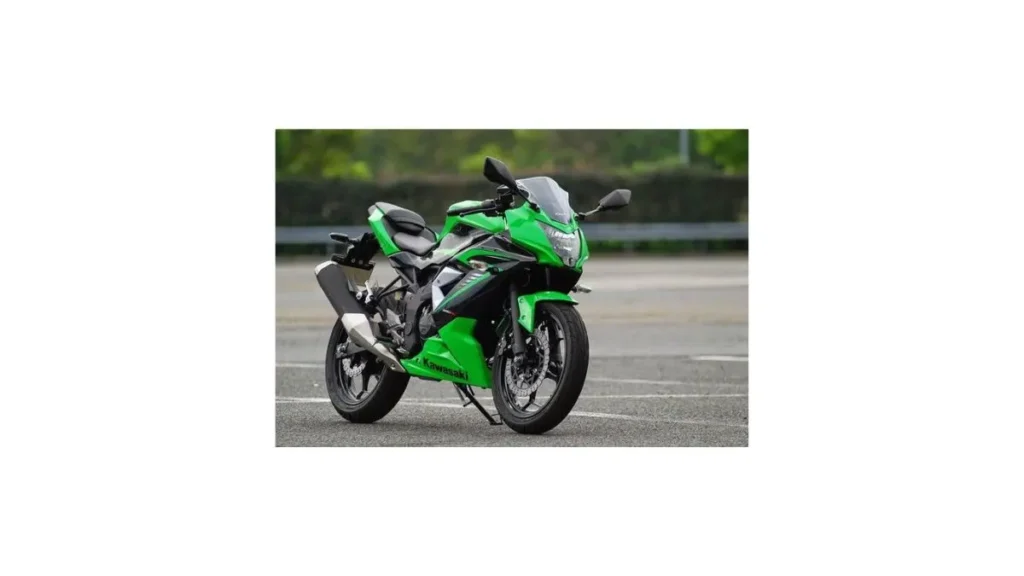
Kawasaki Ninja 300 sports bike in iconic green color showcasing aerodynamic fairing, twin-cylinder engine, and premium sporty design

Kawasaki Ninja 300 Review: Price, Performance, Mileage, Specs & Real-World Verdict

In a market flooded with high-tech single-cylinder sport bikes, the Kawasaki Ninja 300 continues to hold a unique position. It may not chase headline-grabbing horsepower figures, but it delivers something increasingly rare: smoothness, balance, and real-world usability. Powered by a refined parallel-twin engine, the Ninja 300 remains one of the most approachable fully-faired sports bikes for Indian riders who want performance without punishment. This article breaks down why the Ninja 300 still matters, who it is truly for, and whether it justifies its premium price in 2026.


Why the Kawasaki Ninja 300 Still Matters Today

The Indian motorcycle market has evolved rapidly. Feature-loaded bikes with TFT screens, riding modes, and aggressive pricing dominate conversations. Yet, despite this shift, the Kawasaki Ninja 300 refuses to fade away.

The reason is simple: engine character.

Unlike most rivals that rely on large single-cylinder motors, the Kawasaki Ninja 300 uses a 296cc parallel-twin engine, delivering a smoother, more refined riding experience. For riders upgrading from 150cc or 200cc motorcycles, this refinement feels transformational.

This bike is not about raw numbers. It is about how effortlessly it delivers performance.


Engine & Performance: Smoothness Over Shock Value

At the heart of the Kawasaki Ninja 300 lies a liquid-cooled, parallel-twin engine producing around 39 PS of power and 26 Nm of torque. On paper, these numbers may seem modest compared to newer competitors, but on the road, the story changes.

What makes the engine special?

  • Minimal vibrations even at high RPMs

  • Linear power delivery ideal for city and highway use

  • Effortless cruising at triple-digit speeds

  • A refined exhaust note that feels premium, not loud

The Ninja 300 thrives between 6,000–10,000 rpm, where it feels alive yet never intimidating. This makes it an excellent choice for riders who want to enjoy speed without constantly wrestling the throttle.


Real-World Riding Experience

The Ninja 300 is one of those rare sport bikes that feels comfortable in daily use.

City Riding

Despite its fully-faired design, the Ninja 300 handles traffic surprisingly well. The clutch is light, the throttle response is predictable, and the heat management is far better than many single-cylinder rivals.

Highway Touring

This is where the Ninja 300 truly shines. The bike can cruise comfortably at 120 km/h all day, with enough power left for quick overtakes. The stability at high speeds inspires confidence, especially for new sport-bike riders.


Comfort & Ergonomics: Built for Indian Roads

Unlike track-focused sport bikes, the Ninja 300 adopts a balanced riding posture.

  • Slightly committed but not aggressive

  • Comfortable seat cushioning

  • Manageable seat height for most riders

  • Decent wind protection from the fairing

This makes it suitable not just for weekend rides but also for longer touring journeys.


Braking & Safety

Safety is one area where Kawasaki has always played it safe, in a good way.

  • Front and rear disc brakes

  • Dual-channel ABS as standard

  • Predictable braking bite

The braking setup is tuned more for control than outright aggression, which suits the Ninja 300’s friendly nature.


Suspension & Handling

The Ninja 300 uses a telescopic front fork and a rear monoshock suspension setup. While it may not feature adjustable USD forks, the tuning is spot on for Indian road conditions.

  • Stable at high speeds

  • Forgiving over bad roads

  • Neutral handling characteristics

This bike encourages confidence, especially for riders stepping into the sport-bike segment for the first time.


Features & Instrument Cluster

The Ninja 300 keeps things simple.

  • Semi-digital instrument console

  • Analog tachometer with digital speed readout

  • Gear position indicator

  • Fuel gauge and trip meters

While it lacks modern features like Bluetooth connectivity or ride modes, it compensates with reliability and ease of use.


Mileage & Fuel Efficiency

For a twin-cylinder sports bike, the Ninja 300 delivers respectable fuel efficiency.

  • City mileage: 22–25 km/l

  • Highway mileage: 28–32 km/l

With a 17-litre fuel tank, long touring stretches become practical without frequent fuel stops.


Kawasaki Ninja 300 Price in India

The Ninja 300 is positioned as a premium offering.

  • Ex-showroom price: Around ₹3.4 lakh

  • On-road price: ₹3.8–4.0 lakh (varies by state)

Yes, it is expensive compared to rivals. But what you pay for is refinement, engine quality, and long-term reliability.


Kawasaki Ninja 300 vs Rivals

Compared to KTM RC 390

  • RC 390 is faster and more aggressive

  • Ninja 300 is smoother and more comfortable

Compared to Yamaha R3

  • Similar refinement

  • Ninja 300 often offers better availability and service reach

Compared to Aprilia RS 457

  • RS 457 is more powerful

  • Ninja 300 is more beginner-friendly and predictable


Who Should Buy the Kawasaki Ninja 300?

The Ninja 300 is ideal for:

  • Riders upgrading from 150–250cc bikes

  • Those who prioritize refinement over raw performance

  • Riders planning highway touring

  • Buyers who want a stress-free ownership experience

This is not a bike for spec-sheet warriors. It is for riders who value how a bike feels every single day.


Ownership, Reliability & Service

Kawasaki’s engines are known for durability. With proper maintenance, the Kawasaki Ninja 300 can easily clock high mileage without major issues.

  • Reliable engine

  • Predictable service intervals

  • Premium but consistent service costs


Final Verdict: Is the Kawasaki Ninja 300 Still Worth It?

The Kawasaki Ninja 300 does not try to be the most powerful or the most feature-loaded bike in its segment. Instead, it focuses on doing the basics exceptionally well.

It delivers:

  • A smooth, refined engine

  • Comfortable ergonomics

  • Real-world usability

  • Premium build quality

If you want a sports bike that feels mature, balanced, and enjoyable rather than overwhelming, the Ninja 300 still deserves serious consideration in 2026.

KTM RC 160 Review 2026 Powerful Sport Bike Price Features Specs And Launch Details

KTM RC 160 supersport motorcycle showing aggressive fairing sharp LED headlamp sporty riding posture and race inspired design in India

KTM RC 160 Review 2026 Price Engine Features Mileage And Expected Performance

The KTM RC 160 is one of the most anticipated upcoming sport motorcycles in India designed to attract young riders who want aggressive styling strong performance and KTM racing DNA at an affordable level. Positioned below the RC 200 this motorcycle is expected to deliver sharp handling lightweight construction and an exciting riding experience. With fully faired design sporty ergonomics and a refined engine the KTM RC 160 could become a game changer in the entry level sport bike segment. In this detailed review we explore expected design features engine performance mileage price and why the KTM RC 160 is creating strong buzz ahead of its launch.


KTM RC 160 Review 2026

The KTM RC 160 is now the most affordable fully faired supersport motorcycle from KTM in India. Introduced on January 8 2026 the motorcycle replaces the RC 125 and offers improved performance while retaining KTM aggressive design and race inspired engineering. This move allows KTM to offer stronger value to young riders who want a true sport bike experience without stepping into higher displacement categories.

The RC 160 targets first time performance bike buyers and riders upgrading from commuter motorcycles.


Design And Styling

The KTM RC 160 is expected to follow the sharp and aerodynamic design language of the RC family.

Expected Design Highlights

Full fairing with aggressive bodywork
Sharp LED headlamp design
Sculpted fuel tank with race inspired graphics
Split seat setup for sporty posture
Lightweight alloy wheels

The overall design is expected to look premium aggressive and track focused making it one of the most stylish motorcycles in its category.


Engine And Performance Expectations

The KTM RC 160 is expected to be powered by a refined single cylinder liquid cooled engine.

Expected Engine Specifications

Engine capacity around one hundred sixty cc
Liquid cooled single cylinder motor
Power output expected around seventeen to nineteen horsepower
Six speed gearbox
Fuel injection system

The engine is expected to offer strong acceleration quick throttle response and high revving character typical of KTM motorcycles.


Ride And Handling

Handling has always been a strong point of KTM motorcycles and the RC 160 is expected to continue this tradition.

Expected Ride Characteristics

Lightweight chassis for agile handling
Sport tuned suspension setup
Stable cornering at high speeds
Sharp steering response

The motorcycle is expected to feel confident on twisty roads and stable during highway riding while still being manageable for daily commuting.


Suspension And Braking

KTM is known for offering premium hardware even on entry level bikes.

Expected Hardware

Upside down front forks
Rear monoshock suspension
Front and rear disc brakes
Dual channel ABS for safety

This setup is expected to provide excellent braking confidence and ride stability under aggressive riding conditions.


Mileage And Fuel Efficiency

Despite its sporty nature the KTM RC 160 is expected to deliver decent fuel efficiency.

Expected Mileage

City mileage around forty kmpl
Highway mileage around forty five kmpl
Balanced performance and efficiency

This makes it suitable for daily use without high running costs.


Features And Technology

The KTM RC 160 is expected to come equipped with modern features.

Expected Features

Digital instrument cluster
Gear position indicator
LED lighting system
Ride by wire throttle possibly
Smartphone connectivity may be offered

These features will help the RC 160 appeal to tech savvy young riders.


Comfort And Ergonomics

While the RC series is known for aggressive ergonomics the RC 160 is expected to be slightly more comfortable.

Ergonomic Expectations

Sporty riding posture
Clip on handlebars
Rear set foot pegs
Comfortable seat cushioning for short to medium rides

It will suit riders who enjoy sporty riding while still managing city traffic.


Price Expectation In India

Pricing will be a key factor in the success of the KTM RC 160.

Expected Price Range

Ex showroom price expected between one lakh sixty thousand and one lakh eighty thousand rupees

This pricing would position it competitively against other sport styled motorcycles in India.


KTM RC 160 Vs Rivals

Against Yamaha R15

RC 160 expected to offer more aggressive styling
Sharper handling and lighter feel
Comparable performance levels

Against Suzuki Gixxer SF

More track focused design
Better suspension setup
Stronger brand appeal among young riders


Who Should Buy KTM RC 160

The KTM RC 160 will be ideal for
Young riders entering the sport bike segment
College students and enthusiasts
Riders upgrading from commuter motorcycles
Those who want KTM performance at a lower price


Pros And Cons Expectations

Expected Pros

Aggressive KTM design
Lightweight and agile handling
Sporty performance
Premium suspension and brakes

Expected Cons

Aggressive riding posture may not suit everyone
Not ideal for long touring
Premium pricing compared to commuters


Official Launch Update For KTM RC 160

The KTM RC 160 was officially launched in India on January 8 2026, marking a major shift in KTM’s entry level supersport strategy. With this launch KTM has discontinued the RC 125 and positioned the RC 160 as the new entry level model in its supersport lineup.


Final Verdict

The KTM RC 160 has the potential to become one of the most exciting entry level sport bikes in India. With KTM aggressive styling expected strong performance lightweight handling and premium hardware it could set new standards in its segment.

If KTM prices it right the RC 160 could be the perfect choice for riders who want a true sport bike feel without moving into higher displacement motorcycles.

Hero Xoom 160 Combat Edition Review 2026: Rugged Design, Powerful Performance & Adventure Scooter Appeal

Hero Xoom 160 Combat Edition adventure scooter with rugged styling, tall stance, and premium features

Hero Xoom 160 Combat Edition Review: Price, Features, Specs, Mileage & Verdict

The Hero Xoom 160 Combat Edition marks a bold shift in India’s scooter segment, blending adventure-inspired styling with practical everyday usability. Positioned as a rugged, performance-focused maxi-style scooter, it targets riders who want more than just city commuting. With its muscular stance, higher ground clearance, premium features, and distinctive Combat Edition design elements, the Xoom 160 stands out in a largely conservative market. Hero MotoCorp aims to attract young urban riders and touring enthusiasts alike, offering a scooter that promises road presence, comfort, and capability. Here’s a detailed review covering design, performance, features, mileage, and overall value.

Bold Design That Breaks the Scooter Mold

The Hero Xoom 160 Combat Edition instantly differentiates itself from conventional scooters. It carries an aggressive, adventure-inspired design language that feels closer to a small ADV motorcycle than a family scooter. Sharp body panels, angular cuts, and a tall stance give it serious road presence.

The Combat Edition further enhances visual appeal with exclusive paint schemes, military-inspired color accents, and rugged detailing. Elements like the tall windscreen, chunky bodywork, and wide handlebars reinforce its adventurous identity. This is clearly a scooter designed to be noticed, whether parked or in motion.

Unlike traditional scooters focused purely on practicality, the Hero Xoom 160 Combat Edition prioritizes character and individuality, making it especially attractive to younger riders.


Engine and Performance Expectations

At the heart of the Hero Xoom 160 Combat Edition is a more powerful engine setup than typical 110cc or 125cc scooters. The larger displacement ensures stronger acceleration, improved cruising capability, and better highway confidence.

Power delivery is tuned to balance city usability with occasional long-distance rides. Throttle response feels lively, making overtakes easier and reducing stress in fast-moving traffic. The engine is expected to remain refined, in line with Hero’s reputation for smooth and reliable powertrains.

For riders upgrading from smaller scooters, the Xoom 160 Combat Edition offers a noticeable jump in performance without the intimidation factor of a motorcycle.


Ride Quality and Handling

One of the biggest strengths of the Hero Xoom 160 Combat Edition is its ride quality. The suspension setup is designed to handle rough urban roads, speed breakers, and uneven surfaces with ease. Higher ground clearance adds confidence while riding over broken patches or mild off-road conditions.

The wider tyres and longer wheelbase contribute to better stability, especially at higher speeds. Cornering feels predictable, and the scooter maintains composure even when pushed harder than average city scooters.

For Indian road conditions, this balance between comfort and control makes the Hero Xoom 160 Combat Edition a practical yet exciting choice.


Comfort and Ergonomics

Hero has clearly focused on rider comfort while designing the Xoom 160 Combat Edition. The upright riding posture, wide seat, and generous legroom ensure fatigue-free rides, even during longer journeys.

The tall handlebar positioning reduces stress on wrists and shoulders, while the seat cushioning provides adequate support for daily commutes as well as weekend rides. Pillion comfort is also well addressed, with a spacious seat and stable footrest positioning.

For riders who spend significant time on the road, the Hero Xoom 160 Combat Edition delivers comfort levels that surpass most scooters in its class.


Features and Technology

The Hero Xoom 160 Combat Edition comes loaded with modern features that align with its premium positioning. A digital instrument cluster provides essential ride information with good visibility in all lighting conditions.

Connectivity features, smart alerts, and modern lighting elements enhance everyday usability. LED headlamps and tail lamps not only improve night visibility but also add to the scooter’s premium look.

Hero’s focus on practical tech rather than gimmicks ensures that features genuinely enhance the riding experience rather than complicate it.


Safety and Braking

Safety is another area where the Hero Xoom 160 Combat Edition makes a strong impression. Disc brakes, combined with advanced braking assistance systems, deliver confident stopping power across varying road conditions.

The scooter’s stable chassis and predictable handling further enhance rider confidence. Wider tyres improve grip, especially during sudden braking or wet road conditions.

For riders upgrading from smaller scooters, the improved braking and safety setup offers a reassuring sense of control.


Mileage and Efficiency

Despite its larger engine and rugged design, the Hero Xoom 160 Combat Edition is expected to offer competitive mileage for its segment. Hero’s engineering focus on efficiency ensures that fuel consumption remains reasonable for daily commuting.

Real-world mileage will depend on riding style and conditions, but the scooter is designed to strike a balance between performance and economy. For riders seeking power without excessive fuel costs, this balance is a major advantage.


Practicality and Everyday Use

While the Hero Xoom 160 Combat Edition looks aggressive, it doesn’t compromise on practicality. Under-seat storage accommodates daily essentials, while additional utility features improve convenience for urban use.

The scooter handles traffic well despite its larger dimensions, and the commanding riding position provides better visibility in congested conditions. This makes it suitable not only for enthusiasts but also for regular commuters who want something different.


Hero Xoom 160 Combat Edition vs Conventional Scooters

Compared to standard scooters, the Hero Xoom 160 Combat Edition offers:

  • More powerful performance

  • Superior road presence

  • Better ride quality on rough roads

  • Enhanced comfort for longer rides

It targets a niche audience that values design, capability, and individuality over sheer affordability.


Price Positioning and Value

The Hero Xoom 160 Combat Edition is positioned as a premium offering in the scooter market. While it commands a higher price than conventional scooters, it justifies the premium through design, performance, comfort, and features.

For riders who want a scooter that feels special every time they ride, the value proposition makes sense. It fills the gap between everyday scooters and entry-level motorcycles.


Who Should Buy the Hero Xoom 160 Combat Edition?

This scooter is ideal for:

  • Young urban riders seeking a bold alternative

  • Commuters who want comfort with performance

  • Riders upgrading from 125cc scooters

  • Enthusiasts looking for light touring capability

If you want a scooter that stands out and delivers more than basic transportation, the Hero Xoom 160 Combat Edition deserves attention.


Final Verdict

The Hero Xoom 160 Combat Edition successfully redefines what a scooter can be in the Indian market. With its rugged design, strong performance, comfortable ergonomics, and premium features, it appeals to riders who want style and substance in equal measure.

It may not be the most affordable scooter, but it is certainly one of the most distinctive. For buyers seeking an adventure-inspired scooter with real-world usability, the Hero Xoom 160 Combat Edition emerges as a compelling and future-ready choice.

2026 Hero Mavrick 440 Could Be the Smartest Mid Capacity Motorcycle India Has Been Waiting For

Hero Mavrick 440 2026 premium mid capacity motorcycle showcased in India

2026 Hero Mavrick 440 Preview Why This New Generation Motorcycle Is Crucial for Hero MotoCorp

Hero MotoCorp is quietly reshaping its premium motorcycle strategy and the upcoming Hero Mavrick 440 2026 is at the center of that shift. Expected to arrive at the end of 2025 this updated model is not chasing extremes in power or styling. Instead it focuses on torque rich performance refined engineering and real world usability. Based on the proven platform shared with Harley Davidson the Mavrick 440 aims to deliver comfort confidence and value in a segment crowded with emotional branding. This motorcycle matters because it reflects Hero’s long term intent rather than a short term headline grabbing launch.

The Hero Mavrick 440 Is Not a Typical Model Refresh

In the current Indian motorcycle market updates often mean cosmetic tweaks or added features with little substance beneath the surface. The Hero Mavrick 440 2026 stands apart because it represents continuity rather than disruption.

Hero MotoCorp is not attempting to reinvent this motorcycle. Instead it is refining a platform that already carries international engineering credibility. That approach signals maturity. It shows that Hero is thinking beyond launch hype and focusing on sustained relevance.

The Mavrick 440 is designed for riders who value balance. It does not promise extreme speed or radical design. It promises usability refinement and long term ownership comfort.

Why This Motorcycle Matters in Today’s Market

The mid capacity motorcycle segment has evolved rapidly. Buyers today are better informed and more demanding. They want performance but also reliability. They want features but also simplicity.

The Hero Mavrick 440 fits into this changing mindset. It bridges the gap between emotional motorcycles and practical daily riders. That is a rare position to occupy and potentially a powerful one.

By refining the Mavrick instead of chasing trends Hero is building trust. Trust is what turns first time buyers into long term customers.

Engine Philosophy Built Around Torque and Calm Performance

The heart of the Hero Mavrick 440 remains its 440cc single cylinder oil cooled engine. Rather than chasing high horsepower figures this motor focuses on usable torque.

With output figures around 27 bhp and 36 Nm the emphasis is on strong mid range pull. This means effortless overtakes smooth city riding and relaxed highway cruising.

In real world Indian conditions this matters more than top speed. Riders spend more time navigating traffic than chasing redlines. The Hero Mavrick 440 understands that reality.

The six speed gearbox complements this character well. Gear ratios are expected to be tuned for smooth transitions rather than aggressive acceleration. This makes the bike approachable even for riders upgrading from smaller displacement machines.

Refinement and Platform Sharing Advantage

Sharing its foundation with the Harley Davidson X440 gives the Mavrick a significant advantage. The engine and chassis have already been developed to meet global standards of refinement and durability.

This partnership elevates the overall feel of the motorcycle. Vibrations are better controlled and power delivery feels more predictable. These are qualities that enhance everyday riding far more than raw numbers.

Hero is leveraging this partnership intelligently by adapting the platform to suit Indian preferences rather than copying Harley’s identity.

Fuel Efficiency Still Plays a Role

Despite its displacement the Hero Mavrick 440 is expected to deliver fuel efficiency between 30 and 35 kilometers per litre. This reinforces its practicality.

For many buyers running costs remain a key decision factor. A motorcycle that combines torque with reasonable efficiency becomes easier to justify as a daily companion rather than a weekend indulgence.

This balance could become one of the Mavrick’s strongest selling points.

Suspension and Handling Tuned for Comfort and Stability

The Hero Mavrick 440 is not a motorcycle built for racetracks. Its suspension setup reflects that philosophy clearly.

Telescopic front forks and twin rear shock absorbers are tuned to absorb uneven road surfaces. This ensures comfort over long distances and stability at cruising speeds.

Seventeen inch alloy wheels with tubeless tyres provide predictable handling. The wide tyre profile enhances grip without making the bike feel cumbersome.

This setup inspires confidence especially for riders who prioritize control and comfort over aggressive cornering.

Braking and Safety Without Overcomplication

Dual disc brakes supported by dual channel ABS offer reliable stopping power. This setup focuses on safety and predictability rather than track focused performance.

The braking feel is expected to be progressive rather than sharp which aligns with the Mavrick’s calm riding character.

Hero’s decision to prioritize safety features over gimmicks reflects a mature understanding of its target audience.

Dimensions Designed for Accessibility

One of the strengths of the Mavrick 440 is its approachable ergonomics. A seat height around 803 mm makes it accessible to a wide range of riders.

Ground clearance of approximately 175 mm ensures confidence on rough roads and speed breakers. Kerb weight under 190 kilograms keeps the bike manageable without sacrificing stability.

The upright riding posture combined with wide handlebars encourages relaxed riding. This makes the Mavrick suitable for daily commutes as well as long rides.

Design Language That Focuses on Longevity

Styling plays a crucial role in long term ownership satisfaction. The Mavrick avoids extreme design choices that may feel dated quickly.

Its muscular fuel tank clean body panels and modern LED lighting give it a contemporary yet understated look. This design philosophy allows the bike to age gracefully.

Hero appears to be targeting riders who prefer subtle confidence over loud styling.

Features That Enhance Everyday Use

The expected fully digital instrument cluster with Bluetooth connectivity adds modern convenience. Navigation alerts call notifications and essential ride data are integrated cleanly.

All LED lighting improves visibility and adds a premium touch. A USB charging port supports everyday practicality especially for riders who rely on navigation apps.

The inclusion of a slipper clutch further improves ride comfort during downshifts and city riding.

These features are not excessive. They are chosen thoughtfully to support daily use.

Pricing Strategy That Reflects Market Reality

With an expected price between two lakh ten thousand and two lakh twenty thousand rupees ex showroom the Hero Mavrick 440 positions itself strategically.

It competes with motorcycles like the Honda Hness CB350 Jawa 42 Bobber and Yezdi Adventure but offers a different personality.

Rather than leaning heavily into retro or adventure themes the Mavrick focuses on modern urban riding with long distance capability.

This pricing also keeps ownership costs reasonable which is crucial for first time premium buyers.

Expected Launch Timeline and Market Impact

The expected launch date of 28 December 2025 places the Mavrick 440 refresh at a strategic point. It allows Hero to capture attention early in the new year.

More importantly it reinforces Hero’s commitment to the mid capacity segment. This is no longer an experiment. It is a planned long term presence.

The success of the Mavrick 440 could influence future products and encourage Hero to expand its premium portfolio further.

What the Mavrick 440 Represents for Hero MotoCorp

The Mavrick 440 is a symbol of Hero’s evolution. It shows a company willing to grow steadily rather than chase short lived trends.

By focusing on refinement usability and value Hero is building a foundation for sustained success in the premium segment.

This motorcycle may not dominate headlines but it could quietly become one of the most sensible choices in its category.

Final Verdict

The 2026 Hero Mavrick 440 is not about excitement for excitement’s sake. It is about thoughtful progress.

For riders seeking a refined torquey and comfortable motorcycle that fits naturally into everyday life the Hero Mavrick 440 makes a compelling case.

Sometimes the smartest motorcycles are the ones that do not shout. The Hero Mavrick 440 speaks softly but confidently.

Hero Karizma XMR 250 Is the Motorcycle That Could Change Hero MotoCorp’s Future in India

Hero Karizma XMR 250 fully faired sportbike with aggressive design and premium hardware showcased in studio lighting

Hero Karizma XMR 250 Review Preview Why This New Sportbike Matters More Than Any Hero Bike Before

The Karizma name once defined performance motorcycling for an entire generation of Indian riders. Now Hero MotoCorp is preparing to bring that legacy back with a completely new approach. The upcoming Hero Karizma XMR 250 is not a mild update or a nostalgic revival. It is a serious fully faired sportbike designed to compete in the premium 250cc segment. With a new liquid cooled engine advanced chassis modern electronics and aggressive aerodynamics the XMR 250 represents a turning point for Hero. Expected to launch in early 2026 this motorcycle could redefine how riders see the brand.


The Karizma Comeback Is Not About Nostalgia Anymore

For years the Karizma badge carried emotional value but little competitive relevance. While rival brands pushed forward with technology and performance Hero MotoCorp remained conservative. That era appears to be ending.

The Hero Karizma XMR 250 is not aimed at casual buyers or commuters. It is aimed at riders who care about power handling and modern features. This motorcycle is designed to change perception not just sales numbers.

Hero knows that entering the premium sportbike segment requires more than a familiar name. It requires engineering intent and visible commitment. The XMR 250 signals that shift clearly.

A Completely New Engine With Global Intent

At the heart of the Karizma XMR 250 sits a brand new 250cc single cylinder liquid cooled engine with DOHC architecture and four valves. This is not an enlarged commuter motor. It is a modern performance focused unit.

With an output of around 29.5 bhp and 25 Nm of torque the XMR 250 steps confidently into premium territory. This power figure places it close to some of the strongest single cylinder motorcycles sold in India today.

Equally important is how that power is delivered. A six speed gearbox paired with a slip and assist clutch ensures smoother downshifts reduced wheel hop and lighter clutch effort. These are features expected by experienced riders and Hero is finally delivering them.

Built for Future Emission Norms Without Compromise

The engine is E20 fuel compliant which ensures long term usability as India moves toward ethanol blended fuels. This is not just regulatory preparation. It reflects forward planning.

Many motorcycles lose performance as emission rules tighten. Designing compliance from the start allows Hero to preserve power and reliability without last minute adjustments.

This also opens doors for international markets where emission standards are equally strict.

Chassis Engineering That Signals Serious Performance

One of the biggest upgrades on the Karizma XMR 250 is its trellis frame. This design is chosen for its balance of rigidity and weight distribution. It also allows better handling feedback during aggressive riding.

Up front the motorcycle uses USD front suspension which improves front end stability and braking confidence. At the rear a gas charged monoshock manages load and road irregularities efficiently.

This suspension setup suggests that Hero is focusing on cornering ability not just straight line speed. For riders who enjoy twisty roads this matters far more than top speed figures.

Braking and Safety That Match Rider Expectations

The Karizma XMR 250 uses petal disc brakes with a 300 mm front disc and 230 mm rear disc. More importantly it features switchable dual channel ABS.

The ability to switch ABS modes allows riders to adapt the bike to different riding conditions. Urban riding highway touring and track sessions all demand different safety settings.

This feature places the XMR 250 firmly in the premium category and reflects confidence in rider skill levels.

Tyres Wheels and Visual Stance

The motorcycle rides on 17 inch alloy wheels with a wide 140 section rear tyre. This setup improves grip stability and visual presence.

A wider rear tyre not only enhances corner exit traction but also gives the motorcycle a planted muscular stance. In the premium segment appearance matters as much as performance and Hero seems aware of that.

Technology That Finally Feels Modern

Hero has equipped the Karizma XMR 250 with a full color TFT instrument cluster. This display supports Bluetooth connectivity navigation alerts and performance timers.

Lap and drag timers indicate that Hero expects riders to take this motorcycle beyond daily commuting. These features enhance engagement and ownership satisfaction rather than existing only for marketing.

This digital upgrade brings Hero motorcycles closer to global standards.

Adjustable Ergonomics A Rare and Welcome Touch

One standout feature is adjustable clip on handlebars. This allows riders to fine tune their riding posture.

Whether you prefer an aggressive forward lean for spirited riding or a slightly relaxed stance for longer journeys this flexibility adds real value. Very few motorcycles in this segment offer such adaptability.

For Indian riders who often use one motorcycle for multiple purposes this feature could become a major differentiator.

Aerodynamics and Design Finally Aligned

The Karizma XMR 250 adopts a fully faired body with sharp lines and fairing mounted winglets. While winglets may offer limited downforce at road speeds they improve stability and visual appeal.

The overall design language is aggressive modern and confident. This is not a conservative motorcycle trying to please everyone. It is designed to stand out.

Hero appears to have focused on form and function equally which is critical in the sportbike segment.

Lighting and Everyday Convenience

Full LED lighting including DRLs ensures strong visibility and a premium appearance. Features like keyless ignition and hazard lights improve everyday usability.

These may seem small individually but together they elevate the ownership experience and justify the premium positioning.

Where the Karizma XMR 250 Fits in the Market

The XMR 250 targets riders upgrading from 150cc and 200cc motorcycles who want a significant performance jump without moving to heavy 400cc machines.

It competes indirectly with models like Yamaha R15 TVS Apache RTR 310 and KTM 200 Duke but offers a different balance of power design and comfort.

Its fully faired nature also appeals to riders who value sportbike aesthetics over naked streetfighters.

Combat Edition Signals Long Term Planning

Hero has previewed a Combat Edition with gold finished USD forks and unique styling touches. This suggests a strategy of multiple variants to sustain interest after launch.

Variant planning is a hallmark of premium brands and indicates confidence in the product lifecycle.

Expected Launch Timeline and Pricing

The Hero Karizma XMR 250 is expected to launch around March 2026 in India. Pricing is estimated between two lakh and two point two lakh rupees ex showroom.

This pricing places it firmly in the premium category while remaining accessible compared to larger displacement motorcycles.

Hero appears to be prioritizing value rather than undercutting competitors aggressively.

Why This Motorcycle Matters for Hero MotoCorp

The Karizma XMR 250 represents a philosophical shift.

It shows that Hero is ready to compete on performance technology and design rather than relying solely on scale and service reach.

Success here could lead to more premium motorcycles larger engines and global exports. Failure would reinforce long standing doubts.

Final Verdict A Defining Moment

The Hero Karizma XMR 250 is not just another launch. It is a test of Hero MotoCorp’s ambition.

On paper it delivers everything modern riders expect from a premium sportbike. The real test will be execution.

If Hero gets this right the Karizma name will finally mean performance again.

Frequently Asked Questions About Hero Karizma XMR 250

What is the Hero Karizma XMR 250

The Hero Karizma XMR 250 is an upcoming fully faired premium sportbike from Hero MotoCorp. It features a new 250cc liquid cooled engine modern chassis hardware advanced electronics and aggressive styling aimed at the premium performance motorcycle segment in India.

When will the Hero Karizma XMR 250 launch in India

The Hero Karizma XMR 250 is expected to launch in India around March 2026. Hero MotoCorp has not officially confirmed the date yet but multiple industry reports point to an early 2026 launch timeline.

What engine does the Hero Karizma XMR 250 use

The motorcycle is expected to use a 250cc single cylinder liquid cooled four valve DOHC engine. It is likely to produce around 29.5 bhp of power and 25 Nm of torque and will be paired with a six speed gearbox.

Is the Hero Karizma XMR 250 suitable for beginners

While beginners can ride the Karizma XMR 250 it is more suitable for riders with some experience. Its power output premium hardware and sport focused ergonomics make it better suited for riders upgrading from smaller displacement motorcycles.

What are the key features of the Hero Karizma XMR 250

Key features include a TFT instrument cluster with Bluetooth connectivity navigation support adjustable clip on handlebars full LED lighting keyless ignition fairing mounted winglets and switchable dual channel ABS.

Does the Hero Karizma XMR 250 have adjustable riding ergonomics

Yes the Karizma XMR 250 is expected to offer adjustable clip on handlebars. This allows riders to choose between a more aggressive or slightly relaxed riding position depending on their preference.

What type of suspension does the Hero Karizma XMR 250 get

The motorcycle is expected to feature USD front forks and a rear gas charged monoshock. This setup is designed to provide better stability cornering confidence and ride comfort.

How safe is the Hero Karizma XMR 250

Safety features include disc brakes on both wheels paired with switchable dual channel ABS. This allows riders to maintain control during hard braking while also offering flexibility for different riding conditions.

What bikes will the Hero Karizma XMR 250 compete with

The Karizma XMR 250 will compete with motorcycles like Yamaha R15 TVS Apache RTR 310 and KTM 200 Duke in terms of pricing and performance though it offers a different balance of power and full fairing design.

What is the expected price of the Hero Karizma XMR 250

The expected ex showroom price of the Hero Karizma XMR 250 is between two lakh and two point two lakh rupees in India depending on the final variant and features.

Will there be multiple variants of the Hero Karizma XMR 250

Hero MotoCorp has previewed a Combat Edition which suggests that multiple variants or special editions may be offered to keep the lineup fresh after launch.

Is the Hero Karizma XMR 250 good for long rides

Yes the combination of a refined engine stable chassis adjustable ergonomics and modern features makes the Karizma XMR 250 suitable for highway touring as well as daily riding.

Why is the Hero Karizma XMR 250 important for Hero MotoCorp

The Karizma XMR 250 represents a major shift for Hero MotoCorp toward premium performance motorcycles. Its success could shape the brand’s future direction in higher displacement segments.

Hero Xpulse Dakar Edition Launch Explained Why This Rally Inspired Motorcycle Changes India Adventure Riding

Hero Xpulse Dakar Edition adventure motorcycle in Dakar Rally livery with off-road design and long-travel suspension

Hero Xpulse Dakar Edition Review India Gets a Real Taste of Dakar Rally Engineering

The launch of the Hero Xpulse Dakar Edition is not just another limited motorcycle release. It marks a turning point for India’s largest two wheeler manufacturer as it brings real rally experience from the Dakar Rally into a production motorcycle. Built on Hero’s growing motorsport credibility, this edition is aimed at riders who want genuine off road ability without stepping into expensive premium categories. More importantly, it signals a broader shift in how Indian manufacturers view adventure riding. This article explains what the Xpulse Dakar Edition really offers, why it matters, and how it could shape the future of adventure motorcycles in India.

Hero Xpulse Dakar Edition What This Motorcycle Represents

For decades, Hero MotoCorp has been associated with reliability, efficiency, and mass market commuting. Adventure riding was never part of its core identity. That perception has changed steadily over the past few years, and the Xpulse platform played a critical role in that transition.

The Hero Xpulse Dakar Edition is not about chasing sales volume. It is about credibility. Hero’s recent podium finish at the Dakar Rally brought global recognition to its motorsport program. Instead of letting that achievement remain limited to racing fans, the company chose to translate it into a street legal motorcycle.

This decision reflects a deeper understanding of how the Indian motorcycle market is evolving. Riders today are not just commuting. They are touring, exploring, and riding across varied terrain. The Dakar Edition speaks directly to that mindset.


Dakar Rally Influence Beyond Branding

The Dakar Rally is one of the toughest motorsport events in the world. Machines that succeed there are built for endurance, simplicity, and adaptability. By associating the Hero Xpulse Dakar Edition with this event, Hero is making a bold claim.

Unlike many special editions that rely purely on visual updates, this motorcycle carries functional inspiration. The riding ergonomics, suspension travel, protection components, and electronic settings are all tuned to handle rough environments rather than smooth city roads alone.

This distinction matters. Indian riders are increasingly traveling beyond highways into remote areas where road conditions are unpredictable. A Dakar inspired motorcycle is not about speed. It is about confidence and survivability.


Engine and Performance Philosophy

The Hero Xpulse Dakar Edition continues with the two hundred cc single cylinder four valve engine. On paper, it produces modest power and torque figures. In practice, the tuning is intentional.

Adventure riding does not reward high peak horsepower. It rewards predictable power delivery, strong low end response, and mechanical simplicity. The engine offers usable torque at low speeds, making it easier to control on trails, inclines, and loose surfaces.

The six speed gearbox complements this setup by allowing relaxed highway cruising while still offering short gearing for off road use. This balance is critical for riders who want one motorcycle for daily use and weekend exploration.


Suspension Setup Designed for Indian Terrain

One of the most important upgrades on the Dakar Edition is its suspension configuration. The motorcycle uses long travel adjustable front suspension and a rear monoshock tuned for off road compliance.

This setup allows the bike to absorb broken roads, gravel, and uneven trails without unsettling the rider. The increased ground clearance also improves the ability to cross obstacles and waterlogged roads.

For Indian conditions, where road quality can change abruptly, this suspension philosophy is more practical than stiff sport oriented setups. It encourages riders to ride further rather than slow down in fear of damage.


Braking and Control Systems

The Hero Xpulse Dakar Edition features disc brakes at both ends with selectable anti lock braking modes. Riders can choose settings suited for road use or off road riding.

This is an important feature for new adventure riders. On loose surfaces, conventional braking systems can reduce control. The ability to adjust braking behavior increases rider confidence and safety.

This system reinforces the motorcycle’s dual purpose nature. It is equally comfortable navigating traffic or tackling dirt trails.


Design That Communicates Purpose

The Hero Xpulse Dakar Edition carries a distinctive visual identity inspired by Hero’s rally motorcycles. The graphics are bold but functional. They are designed to signal capability rather than luxury.

The taller windscreen offers improved wind protection during long rides. Hand guards provide protection against debris and minor falls. The seat design supports extended riding while allowing easy weight shifting when riding off road.

Every design element has a role. This is not styling for showroom appeal alone. It is styling informed by use.


Where It Fits in the Indian Adventure Market

India’s adventure motorcycle segment has grown rapidly. Models from Royal Enfield and KTM dominate the conversation, but pricing often limits access.

The Hero Xpulse Dakar Edition occupies a crucial position. It offers genuine adventure hardware at a more accessible price point. This opens the segment to younger riders and first time adventure buyers.

By lowering the entry barrier, Hero is not just competing for market share. It is expanding the market itself. That is a strategic advantage.


Why This Launch Matters for Hero MotoCorp

For Hero MotoCorp, the Hero Xpulse Dakar Edition represents a shift in brand narrative. It shows that motorsport success is influencing product development rather than existing as a separate activity.

This integration builds long term credibility. Riders begin to associate Hero with capability, not just efficiency. That perception shift is essential as the company prepares to introduce more advanced motorcycles in the future.

The Dakar Edition may be limited in numbers, but its symbolic value is significant.


Implications for Indian Riders

For Indian riders, this motorcycle represents freedom. It allows exploration without requiring a large budget or advanced riding experience.

It also introduces riders to the fundamentals of adventure motorcycling such as suspension travel, standing ergonomics, and terrain adaptable braking. These are skills and expectations that elevate riding culture overall.

As more riders experience these capabilities, demand for better infrastructure, trails, and touring support will grow.


What This Signals for the Future

The Hero Xpulse Dakar Edition is unlikely to be the final chapter. It is more likely a foundation.

If the response is positive, Hero may expand its adventure lineup with larger displacement motorcycles and more advanced electronics. The Dakar connection could evolve from inspiration to direct engineering collaboration.

For the industry, this move may encourage other manufacturers to invest more seriously in off road capable products rather than cosmetic variants.


Final Verdict

The Hero Xpulse Dakar Edition is not about chasing trends. It is about acknowledging that Indian riders are ready for more meaningful motorcycles.

By combining rally inspired thinking with real world usability, Hero has created a motorcycle that feels honest and purposeful. It does not pretend to be something it is not. Instead, it offers a clear promise of exploration and durability.

This motorcycle may be limited in availability, but its impact on how adventure riding is perceived in India could be lasting.

2026 Kawasaki Z650RS Launched: Retro Style Meets E20 Compliance

2026 Kawasaki Z650RS retro motorcycle with modern features

2026 Kawasaki Z650RS: Retro Styling, Modern Compliance, and Refined Performance

Kawasaki’s 2026 Z650RS arrives in India with subtle yet meaningful updates, balancing retro aesthetics with modern requirements. Priced at Rs. 7,83,000 (ex-showroom), it’s Rs. 14,000 more expensive than last year, reflecting enhancements like E20 fuel compliance and a striking Metallic Ocean Blue colourway. The 649cc parallel-twin engine continues to deliver 67bhp, though torque dips slightly to 62.1Nm, a minor trade-off for regulatory adherence. Mechanically, the bike retains its trusted suspension and braking setup, while the new color and styling refine its emotional appeal. For enthusiasts seeking style, reliability, and compliance in a retro middleweight, the Kawasaki Z650RS remains a compelling choice.

Kawasaki Z650RS 2026: Refinement Over Revolution, But Is It Enough?

Kawasaki has quietly updated its Z650RS for 2026, bringing subtle but meaningful changes to India’s retro-styled middleweight segment. Priced at Rs. 7,83,000 (ex-showroom), the new model is Rs. 14,000 costlier than last year, signaling Kawasaki’s intent to maintain its premium positioning while aligning with evolving regulations. For riders, the update isn’t about reinventing the bike—it’s about polishing an already well-balanced machine.


Embracing E20 Compliance: Environmental Considerations

One of the most notable changes for 2026 is E20 fuel compliance. With India tightening emissions norms, this update ensures that the Kawasaki Z650RS remains future-proof and road-legal across the country without sacrificing fuel compatibility. For buyers, this means long-term usability and regulatory compliance, a factor often overlooked in retro-styled motorcycles.

However, compliance comes with a trade-off: Kawasaki has slightly reduced engine torque. The 649cc parallel-twin now produces 62.1 Nm, down from 64 Nm in 2025. While the 67bhp peak power remains untouched, the minor torque drop could affect low-end responsiveness, particularly noticeable during aggressive city rides or spirited corner exits.


Style Overhaul: Metallic Ocean Blue

Kawasaki has also introduced a new Metallic Ocean Blue colourway, replacing the previous ebony scheme. Accented by the signature golden graphics, the navy-blue finish enhances the Z650RS’s retro-modern appeal, offering riders a visually elegant alternative. While subtle, this change demonstrates Kawasaki’s understanding of the emotional side of motorcycle ownership—riders want a machine that looks as good as it rides.


Chassis, Suspension, and Braking: Keeping the Essentials

Mechanically, the 2026 Kawasaki Z650RS retains its proven telescopic fork and monoshock setup, offering a familiar balance of comfort and control. Braking remains handled by a dual 300mm disc at the front and a 220mm single disc at the rear, ensuring reliable stopping power without compromise. Kawasaki’s choice to maintain this configuration reflects a philosophy of refinement over unnecessary experimentation, appealing to riders who value predictable performance over flashy new tech.


What This Means for Riders and the Market

The Z650RS update is a statement: Kawasaki is prioritizing compliance and aesthetics while maintaining mechanical consistency. For existing and prospective owners, this means the bike remains an accessible entry point into the retro-middleweight class without losing its core personality.

In the competitive Indian landscape, rivals like the Yamaha XSR700 or Honda CB650R offer slightly more power or tech bells and whistles. Kawasaki’s approach, however, is to keep the ride experience clean, reliable, and emotionally satisfying, reinforcing brand loyalty and appealing to enthusiasts who value the balance of style, comfort, and manageable performance.


The Takeaway

The 2026 Kawasaki Z650RS is not a radical update—it’s an evolution. The new colour, E20 compliance, and minor torque adjustment ensure relevance in a modern, regulated market. While the Rs. 14,000 price hike is modest, it positions the Z650RS as a premium, yet approachable retro middleweight. For riders who value timeless design, dependable mechanics, and a mature riding experience, the Z650RS continues to be a compelling choice in India’s 650cc segment.

FAQ

Q1. What is the price of the 2026 Kawasaki Z650RS in India?
It is priced at Rs. 7,83,000 (ex-showroom), which is Rs. 14,000 higher than the 2025 model.

Q2. What engine powers the Kawasaki 2026 Z650RS?
The bike uses a 649cc liquid-cooled parallel-twin engine producing 67bhp and 62.1Nm torque, with E20 fuel compliance.

Q3. What are the major updates in the 2026 model?
Key updates include E20 fuel compliance, a new Metallic Ocean Blue color scheme, and a minor torque reduction compared to the previous model.

Q4. What is the suspension and braking setup?
It retains a telescopic front fork and monoshock rear, with a 300mm dual disc at the front and 220mm single disc at the rear.

Q5. How does the 2026 Kawasaki Z650RS differ from competitors?
While rivals may offer higher torque or tech features, the Z650RS focuses on retro styling, refined reliability, and compliance, appealing to enthusiasts seeking a balanced middleweight motorcycle experience.

TVS Jupiter 125 Scooter: Smart, Efficient, and Packed with Features

TVS Jupiter 125 scooter in city setting with SmartXonnect and disc brakes

TVS Jupiter 125: The Ultimate 125cc Scooter for Urban Commuters

The TVS Jupiter 125 is redefining the urban commuter experience in India’s 125cc segment. Designed for city streets, it combines a 124.8cc engine delivering smooth acceleration with claimed 57 km/l mileage, making it both practical and cost-efficient. Available in multiple variants ranging from Rs 76,000 to Rs 87,000 (ex-showroom), the scooter caters to different budgets with options like disc brakes, ABS, and SmartXonnect Bluetooth connectivity for navigation and smartphone integration. With under-seat storage, ergonomic footboards, and efficient performance, the Jupiter 125 positions itself as a feature-rich, reliable choice for riders seeking convenience, safety, and modern connectivity in daily commutes.

TVS Jupiter 125: A Smart, Efficient Contender in India’s 125cc Scooter Segment

The urban commuter scooter market in India is evolving, and TVS is making a clear statement with the Jupiter 125. Positioned to appeal to riders who prioritize practicality, efficiency, and a feature-rich experience, the Jupiter 125 is more than a simple engine upgrade—it represents a deliberate attempt to balance performance, convenience, and modern connectivity in a segment dominated by stalwarts like the Honda Activa 125 and Suzuki Access 125.


Engine and Real-World Performance

At the heart of the Jupiter 125 is a 124.8cc single-cylinder air-cooled engine, paired with a continuously variable transmission (CVT). This combination delivers 8.28 hp and 10.2 Nm of torque, translating into smooth, manageable acceleration ideal for stop-and-go city traffic. Unlike high-strung motorcycles, the CVT ensures effortless power delivery, removing the need for manual gear changes—perfect for urban commuters.

TVS claims up to 57 km/l mileage, which positions the scooter as one of the more fuel-conscious options in its class. While actual efficiency will vary with load, traffic, and terrain, the scooter’s engineering clearly emphasizes cost-effective daily commuting over raw performance. For city riders, this means fewer fuel stops and lower running costs—an increasingly important consideration as urban fuel prices fluctuate.


Variants and Pricing

TVS has structured the Jupiter 125 lineup to cater to a variety of riders and budgets. The base variants, priced around Rs 76,000 (ex-showroom), come with standard drum brakes, sufficient for routine city use. Mid and higher trims introduce front disc brakes, with dual-channel ABS offered as standard or optional on select variants.

Feature-rich trims extend pricing to roughly Rs 87,000 (ex-showroom), providing buyers with connectivity and safety upgrades without straying into premium scooter territory. This pricing strategy allows TVS to compete effectively with the Honda Activa 125 and Suzuki Access 125 while offering added technological appeal.


Features and Connectivity

The Jupiter 125 goes beyond just mechanics, integrating features that enhance daily usability. Upper trims include SmartXonnect Bluetooth connectivity, allowing riders to pair smartphones for turn-by-turn navigation, call alerts, and ride data. Even standard variants are thoughtfully equipped, with LED position lights, under-seat storage, a front glovebox with USB charging, and ergonomically positioned footboards—all designed for convenience and comfort.

Safety features are also addressed intelligently. Select trims feature disc brakes and ABS, while lower variants utilize CBS (Combined Braking System), ensuring riders of all budgets get reliable stopping power appropriate to their needs.


Mileage and Efficiency: Designed for Commuters

Fuel efficiency remains a cornerstone of the Jupiter 125’s value proposition. The combination of CVT efficiency, a reasonably sized fuel tank, and lightweight construction makes it suitable for long daily commutes without frequent refueling. For urban riders navigating heavy traffic, these characteristics make the scooter both practical and cost-efficient, aligning with the expectations of India’s 125cc scooter audience.


Competitive Positioning

In a segment where the Honda Activa 125 and Suzuki Access 125 dominate, the Jupiter 125 differentiates itself with connectivity features, safety options, and competitive pricing. Its availability across multiple trims allows it to appeal both to budget-conscious buyers and tech-savvy riders seeking modern conveniences. By combining efficiency, ergonomics, and feature-rich variants, TVS positions the Jupiter 125 as a well-rounded urban commuter scooter capable of challenging established rivals.


Why the Jupiter 125 Matters

The TVS Jupiter 125 illustrates a broader trend in India’s 125cc scooter segment: consumers now expect more than just a reliable engine. Connectivity, braking safety, comfort, and fuel efficiency are becoming non-negotiable features. For TVS, the Jupiter 125 is not just a product—it’s a statement that the brand understands the evolving needs of city riders and is willing to integrate modern technology without pricing itself out of the market.

For anyone navigating India’s congested streets, balancing efficiency, safety, and convenience, the Jupiter 125 offers a compelling blend of attributes, making it a serious contender in a fiercely competitive segment.

FAQ

Q1. What is the engine capacity of the TVS Jupiter 125?
It is powered by a 124.8cc single-cylinder engine paired with a CVT for smooth city commuting.

Q2. What mileage can I expect from the TVS Jupiter 125?
TVS claims up to 57 km/l, though actual mileage may vary depending on traffic, terrain, and rider behavior.

Q3. What are the variant options for the TVS Jupiter 125?
The scooter comes in multiple trims ranging from Rs 76,000 to Rs 87,000 (ex-showroom), with differences in brakes, ABS, and connectivity features.

Q4. Does the TVS Jupiter 125 have connectivity features?
Yes, select trims include SmartXonnect Bluetooth connectivity for turn-by-turn navigation and smartphone integration.

Q5. How does the TVS Jupiter 125 compare to rivals?
It competes with scooters like the Honda Activa 125 and Suzuki Access 125, offering comparable features, safety options, and fuel efficiency at competitive pricing.

Yamaha R2 Is Coming to India A New Chapter for Affordable Supersport Bikes

Yamaha R2 supersport motorcycle expected to launch in India by mid-2026

Yamaha R2 India Launch Confirmed for Mid-2026: What This New Supersport Means for Indian Riders

Yamaha is preparing a quiet but significant reset of its sportbike strategy in India. With the Yamaha R2 confirmed for a mid-2026 launch, the Japanese brand is finally addressing a long-standing gap between the R15 and larger capacity motorcycles.

Developed and manufactured in India, the R2 isn’t just another new model — it represents Yamaha’s growing confidence in Indian riders and Indian manufacturing. Positioned as a more powerful yet approachable supersport, the R2 is expected to offer a meaningful upgrade path without the cost or complexity of 300cc machines, making it one of the most anticipated motorcycle launches of the coming year.


Why the Yamaha R2 Matters More Than It Seems

For years, the Indian sportbike space has had a strange gap. On one side, you have sub-160cc machines like the R15 — sharp, refined, but eventually outgrown. On the other, 300–400cc bikes that demand a bigger budget, higher maintenance, and more commitment.

The R2 is Yamaha’s attempt to bridge that gap intelligently.

A locally developed, India-made sportbike positioned between the R15 and the R3 tells us three important things:

  1. Yamaha finally trusts India with core product development, not just assembly

  2. The brand believes there’s a strong, maturing buyer base beyond entry-level

  3. India is no longer just a sales market — it’s a global production base

That’s a big shift.


Made in India, Built for the World

One of the most consequential details is this:
The Yamaha R2 will be developed and manufactured at Yamaha’s Chennai facility, and exported to international markets.

This changes the narrative entirely.

Instead of India receiving watered-down global models, Yamaha is now:

  • Designing a motorcycle with Indian riding conditions in mind

  • Using India’s cost efficiencies to stay price-competitive

  • Leveraging India as an export hub for emerging markets

If executed well, the R2 could do for Yamaha what the Duke 200 once did for KTM — become a global reference point for affordable sport performance.


Engine Strategy: Why 200cc Makes Sense

The R2 is expected to feature a 200cc single-cylinder, liquid-cooled engine, marking Yamaha’s entry into a displacement it has surprisingly avoided so far.

From an engineering and market standpoint, this is a smart move:

  • More torque and usable power than the R15

  • Easier to live with than high-strung 300cc bikes

  • Better real-world mileage than larger engines

  • Lower insurance and maintenance costs

This isn’t about chasing headline horsepower figures. It’s about rideability, balance, and daily usability — values Yamaha has always prioritized.

Expect performance strong enough to feel like a genuine upgrade, but not so aggressive that it alienates newer riders.


R15 Is Staying — And That’s the Right Call

Despite persistent rumors, Yamaha has made it clear that the R15 will not be discontinued.

From a business perspective, replacing the R15 would be a mistake:

  • It’s one of Yamaha’s highest-selling motorcycles

  • It attracts first-time sportbike buyers

  • It feeds customers into Yamaha’s ecosystem

The R2 won’t replace the R15 — it will sit above it, creating a clear progression:

R15 → R2 → R3 / larger Yamahas

That’s how strong motorcycle brands are built — not with abrupt replacements, but with logical steps.


Competitive Landscape: A Crowded but Crucial Segment

The R2 will enter a fiercely contested space, facing rivals like:

  • KTM RC 200 (performance-focused, aggressive)

  • Hero Karizma XMR 210 (value-driven, touring-friendly)

This segment is no longer niche. Buyers here are:

  • More informed

  • Less brand-loyal

  • Extremely value-conscious

To win, Yamaha can’t rely on brand nostalgia alone. It will need:

  • Competitive pricing (likely around ₹2 lakh ex-showroom)

  • Class-leading refinement

  • Distinct Yamaha design DNA

If Yamaha nails ride quality and reliability, it has a real shot.


Timing the Launch: Why Mid-2026 Is Strategic

Launching before the festive season gives Yamaha:

  • Time to build anticipation

  • Space for extended test ride campaigns

  • Opportunity to fine-tune supply chains

In a segment where word-of-mouth matters, this breathing room could make the difference between a hype-driven launch and a sustained success.


The Bigger Picture: What’s Next from Yamaha

The R2 is just one piece of a much larger plan.

Yamaha has already committed to:

  • 10 new models by end-2026

  • NMax 155 scooter launch

  • Two new 300–450cc motorcycles, likely cruiser and ADV styles

This signals a long-term push to challenge brands like Royal Enfield and KTM — not overnight, but methodically.


Final Thoughts: A Pivotal Moment for Yamaha India

The Yamaha R2 isn’t just another sportbike launch. It represents:

  • Yamaha’s renewed confidence in India

  • A smarter approach to displacement gaps

  • A chance to redefine what “entry-level premium” really means

If Yamaha gets the pricing, refinement, and positioning right, the R2 could become the default upgrade choice for thousands of R15 owners — and a benchmark for rivals to chase.

In that sense, the R2 isn’t just arriving in 2026.
It’s arriving at exactly the right time.

Frequently Asked Questions (FAQ)

Q1. When is the Yamaha R2 launching in India?

The Yamaha R2 India launch is expected by mid-2026, ahead of the festive season. Yamaha is likely to introduce the motorcycle early to allow enough time for marketing, test rides, and wider brand visibility.


Q2. Will the Yamaha R2 replace the R15 in India?

No. Yamaha has no plans to discontinue the R15. The Yamaha R2 will be positioned above the R15, offering more power and performance while allowing the R15 to continue as the brand’s entry-level supersport.


Q3. What engine will the Yamaha R2 use?

The Yamaha R2 is expected to feature a 200cc single-cylinder, liquid-cooled engine, delivering higher power and torque than the R15 while maintaining everyday usability and fuel efficiency.


Q4. Where will the Yamaha R2 be manufactured?

The Yamaha R2 will be developed and manufactured in India, most likely at Yamaha’s Chennai facility. The made-in-India model will also be exported to several international markets.


Q5. What will be the expected price of the Yamaha R2 in India?

The Yamaha R2 price in India is expected to be around ₹2 lakh (ex-showroom), placing it between the R15 and larger-capacity Yamaha sport motorcycles.


Q6. Which bikes will the Yamaha R2 compete with?

The Yamaha R2 will compete with KTM RC 200 and Hero Karizma XMR 210 in the fully-faired 200cc sportsbike segment.


Q7. Why is the Yamaha R2 important for Indian riders?

The Yamaha R2 fills a long-standing gap between entry-level and premium sportbikes. It offers Indian riders a logical upgrade path with more performance, premium design, and manageable ownership costs.


Q8. Is the Yamaha R2 suitable for daily riding?

Yes. With a mid-capacity engine and Yamaha’s focus on refinement and reliability, the R2 is expected to balance daily usability and sporty performance, making it practical for city and highway use.

Jawa 42 Bobber Review – Stunning Bobber Style, Powerful 334cc Engine & Premium Cruiser Feel

Jawa 42 Bobber motorcycle with bold bobber styling, single seat design and blacked-out 334cc engine

Jawa 42 Bobber Review: A Bold Bobber Motorcycle That Redefines Style & Performance

The Jawa 42 Bobber is one of the most visually striking motorcycles in India today. Designed for riders who crave retro charm with modern engineering, this motorcycle blends classic bobber aesthetics with strong mid-range performance and premium features.

With its floating single seat, low-slung stance, muscular fuel tank, and blacked-out engine, the Jawa 42 Bobber instantly grabs attention on Indian roads. It is not just about looks — the bike delivers a refined 334cc engine, smooth cruising ability, and advanced safety features that make it practical for daily rides and highway cruising alike.

If you’re searching for a unique cruiser motorcycle under ₹3 lakh, the Jawa 42 Bobber deserves serious consideration.


Jawa 42 Bobber Design & Styling: Pure Bobber DNA

The biggest highlight of the Jawa 42 Bobber is its authentic bobber design. Jawa has nailed the minimalist philosophy perfectly.

Key Design Highlights:

  • Single floating seat with premium cushioning

  • Teardrop-shaped fuel tank with chrome accents

  • Wide handlebars for relaxed riding posture

  • Bar-end mirrors for a modern touch

  • Twin slash-cut exhausts with deep exhaust note

  • Full-LED headlamp and tail lamp

The low seat height and stretched wheelbase give the Jawa 42 Bobber a commanding road presence, making it one of the most stylish motorcycles in its segment.


Engine & Performance: Smooth, Torquey & Fun

At the heart of the Jawa 42 Bobber lies a 334cc, single-cylinder, liquid-cooled DOHC engine that delivers strong low- and mid-range torque.

Engine Specifications:

  • Engine: 334cc, single-cylinder, liquid-cooled

  • Max Power: ~29.5 PS

  • Max Torque: ~30 Nm

  • Gearbox: 6-speed manual

  • Clutch: Assist & slipper clutch

This engine feels refined in city traffic and confident on highways. The slipper clutch reduces wheel lock during aggressive downshifts, making long rides smoother and safer.


Ride Quality & Comfort: Built for Relaxed Cruising

The Jawa 42 Bobber is designed for laid-back cruising rather than aggressive riding.

Comfort Highlights:

  • Low 740 mm seat height – accessible for most riders

  • Forward-set footpegs for relaxed posture

  • Gas-charged rear mono-shock with preload adjustment

  • Telescopic front forks tuned for comfort

While the suspension is slightly firm on bad roads, it performs excellently on highways and smooth city roads.


Braking, Tyres & Safety

Safety is well taken care of on the Jawa 42 Bobber.

Braking & Safety Features:

  • Front disc brake (280 mm)

  • Rear disc brake (240 mm)

  • Dual-channel ABS (standard)

  • Wide rear tyre for excellent grip

The braking performance is sharp and confidence-inspiring, especially during highway cruising.


Features & Technology

Despite its retro appearance, the Jawa 42 Bobber is loaded with modern features.

Notable Features:

✔ Fully digital instrument cluster
✔ LED lighting setup
✔ USB charging port
✔ Hazard warning lights
✔ Fuel-injection system
✔ Side-stand engine cut-off

The digital console provides all essential information clearly without clutter.


Mileage & Fuel Efficiency

Mileage is decent for a cruiser motorcycle of this size.

  • City Mileage: ~25–27 km/l

  • Highway Mileage: ~30 km/l

  • Fuel Tank Capacity: 12.5 litres

This gives the Jawa 42 a respectable touring range for weekend rides.


Jawa 42 Bobber Price in India (Ex-Showroom)

The Jawa 42 price in India varies depending on colour and variant.

  • Ex-Showroom Price: ₹1.93 lakh – ₹2.65 lakh

  • On-Road Price: ₹2.4 lakh – ₹3.0 lakh (approx)

Premium paint options and alloy wheels cost more.


Jawa 42 Bobber vs Rivals

Key Competitors:

  • Royal Enfield Classic 350

  • Jawa Perak

  • Royal Enfield Meteor 350

The Jawa 42 Bobber stands out due to its unique single-seat bobber styling, which none of its rivals offer in this price range.


Pros & Cons

Pros:

✔ Head-turning bobber design
✔ Powerful and refined engine
✔ Dual-channel ABS standard
✔ Premium build quality

Cons:

✖ No pillion seat as standard
✖ Limited service network compared to RE
✖ Firm suspension on rough roads


Final Verdict: Should You Buy the Jawa 42 Bobber?

If you want a motorcycle that stands out from the crowd, offers a premium cruiser experience, and delivers a perfect blend of retro style and modern performance, the Jawa 42 is an excellent choice.

It is ideal for solo riders who value design, road presence, and relaxed cruising. While it may not be the most practical family motorcycle, it excels as a lifestyle cruiser.