BMW Z4: Pure Driving Thrill, Luxury Roadster with Turbo Power & Head-Turning Style

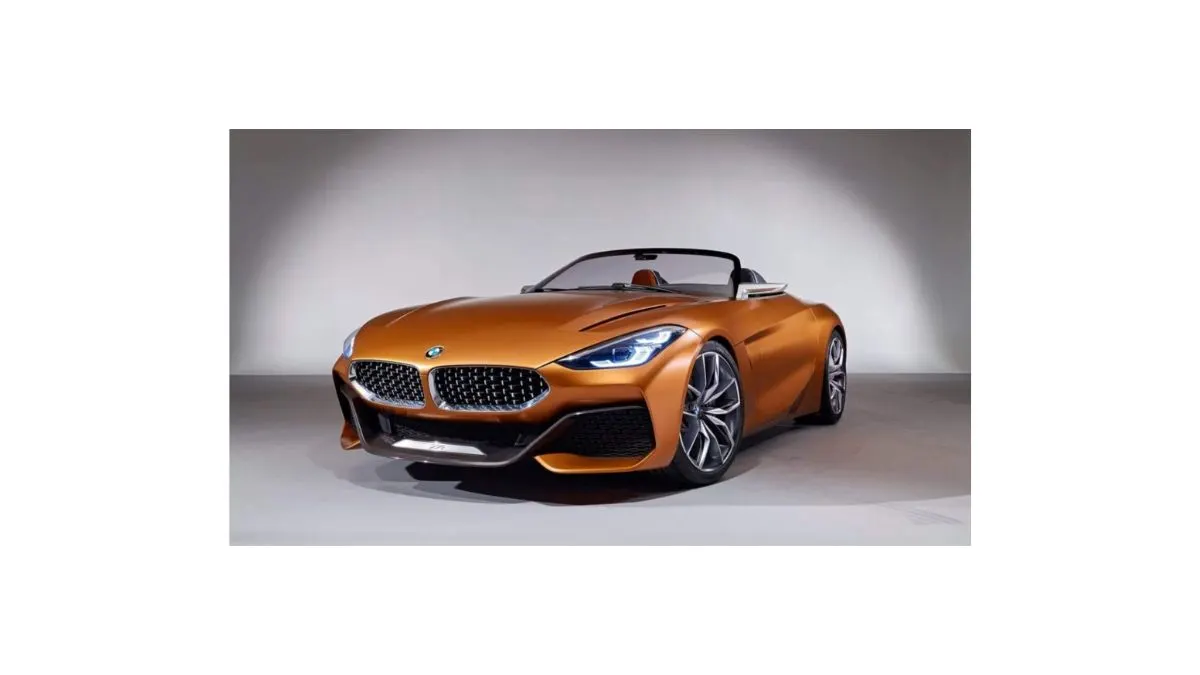
BMW Z4 luxury sports roadster with turbocharged engine and open-top design

BMW Z4 Review: Turbocharged Performance, Open-Top Luxury & Classic BMW Driving DNA

The BMW Z4 is a celebration of pure driving pleasure, blending open-top freedom, turbocharged performance, and premium German luxury into one breathtaking roadster. Designed for enthusiasts who crave sharp handling and emotional design, the new Z4 delivers thrilling acceleration, precise steering, and unmistakable BMW character. With refreshed styling, advanced technology, and powerful petrol engines, the 2026 Z4 continues to stand as one of the most desirable luxury convertibles in the world. Whether cruising coastal highways or attacking winding mountain roads, the BMW Z4 promises an unforgettable driving experience every single time.


BMW Z4: Complete Overview

The  BMW Z4 is a two-door luxury roadster built for drivers who value performance, style, and driving engagement above everything else. Unlike heavy luxury convertibles, the Z4 focuses on agility, balance, and rear-wheel-drive excitement.

It competes with cars like the Porsche 718 Boxster and Mercedes-Benz SLK successor models, but the Z4 stands out with its aggressive design and BMW’s legendary driving dynamics.


BMW Z4 Exterior Design

Athletic, Low-Slung & Aggressive

The Z4’s design is unmistakably sporty:

  • Wide kidney grille with modern mesh pattern

  • Sharp LED headlamps with BMW laser lighting (select markets)

  • Long hood and short rear deck

  • Sculpted body lines for aerodynamic efficiency

  • Sleek LED tail lamps and dual exhaust outlets

The low stance and wide track give the Z4 an aggressive road presence that turns heads instantly.

Soft-Top Convertible Roof

  • Lightweight fabric soft top

  • Opens or closes in ~10 seconds

  • Can operate at speeds up to 50 km/h

  • Improves weight distribution and handling compared to hardtops


BMW Z4 Dimensions & Stance

  • Length: ~4,324 mm

  • Width: ~1,864 mm

  • Height: ~1,304 mm

  • Wheelbase: ~2,470 mm

  • Ground Clearance: Low, sporty setup

The compact dimensions make it ideal for twisty roads and spirited driving.


BMW Z4 Engine Options

BMW offers only petrol engines, keeping the Z4 true to its sporty roots.

2.0L Turbo Petrol (Z4 sDrive30i)

  • Power: ~255 hp

  • Torque: ~400 Nm

  • 0–100 km/h: ~5.4 seconds

  • Transmission: 8-speed automatic

  • Drivetrain: Rear-wheel drive

Perfect balance of performance and daily usability.


3.0L Inline-6 Turbo (Z4 M40i)

  • Power: ~382 hp

  • Torque: ~500 Nm

  • 0–100 km/h: ~4.1 seconds

  • BMW M Performance tuning

  • Adaptive M suspension

This is the enthusiast’s choice, delivering explosive acceleration and an intoxicating exhaust note.


Performance & Driving Experience

The  Z4 is engineered for pure driver engagement:

  • Near-perfect 50:50 weight distribution

  • Rear-wheel-drive layout

  • Adaptive suspension system

  • M Sport differential (M40i)

  • Drive modes: Eco, Comfort, Sport, Sport+

Steering feedback is sharp, body roll is minimal, and grip levels are exceptional.


BMW Z4 Interior & Cabin

Premium Sports Cabin

Inside, the Z4 offers a driver-focused cockpit:

  • Premium leather upholstery

  • Sport seats with power adjustment

  • M-branded interior elements (M40i)

  • Soft-touch materials throughout

  • Ambient lighting

The low seating position enhances the sports-car feel.


Infotainment & Technology

The Z4 comes loaded with modern tech:

  • 10.25-inch touchscreen infotainment

  • BMW iDrive system

  • Apple CarPlay & Android Auto

  • Fully digital instrument cluster

  • Wireless charging

  • Head-up display

  • Premium Harman Kardon sound system

Everything is fast, intuitive, and driver-friendly.


Safety Features in BMW Z4

Despite being a sports car, safety is not compromised:

  • Multiple airbags

  • ABS & traction control

  • Dynamic stability control

  • Adaptive cruise control

  • Lane departure warning

  • Blind-spot monitoring

  • Parking sensors & rear camera


Boot Space & Practicality

  • Boot Capacity: ~281 liters

  • Enough for weekend luggage

  • Roof operation does not reduce boot space significantly

Not family-oriented, but practical enough for road trips.


BMW Z4 Variants & Trims

  • sDrive30i – Sporty yet refined

  • M40i – Performance-focused, M-tuned

Customization options include wheel designs, paint finishes, interior trims, and M Performance accessories.


BMW Z4 Price

Global Expected Pricing

  • Z4 sDrive30i: ₹75–80 lakh (approx, converted)

  • Z4 M40i: ₹90 lakh+

 Prices vary based on country, taxes, and import duties.


BMW Z4 India Launch Status

  •  Z4 is sold in India in limited numbers
  • Expected to continue as CBU import

  • Targeted at niche luxury sports car buyers


BMW Z4 vs Rivals

BMW Z4 vs Porsche 718 Boxster

FeatureBMW Z4Porsche 718
ComfortHigherSport-focused
Engine SoundRichRaw
Daily UseBetterLess practical
Brand LuxuryStrongPerformance-oriented

 Z4 vs Mercedes SLK Successor

Z4 offers better handling and sportier character.


Pros of Z4

  • Stunning roadster design

  • Powerful turbo petrol engines

  • Excellent handling & balance

  • Premium interior quality

  • Open-top driving thrill


Cons of Z4

  • Expensive pricing

  • Limited practicality

  • Low ground clearance for bad roads

  • Not suitable for families


Who Should Buy the Z4?

Perfect for:

  • Driving enthusiasts

  • Luxury sports car buyers

  • Weekend road-trip lovers

  • Buyers wanting a stylish convertible


Final Verdict: Is BMW Z4 Worth It?

The BMW Z4 remains one of the finest luxury roadsters in the world. It delivers thrilling performance, open-top excitement, premium comfort, and classic BMW driving pleasure in a beautifully designed package.

If you want a car that excites every time you press the start button, the  Z4 is absolutely worth it.
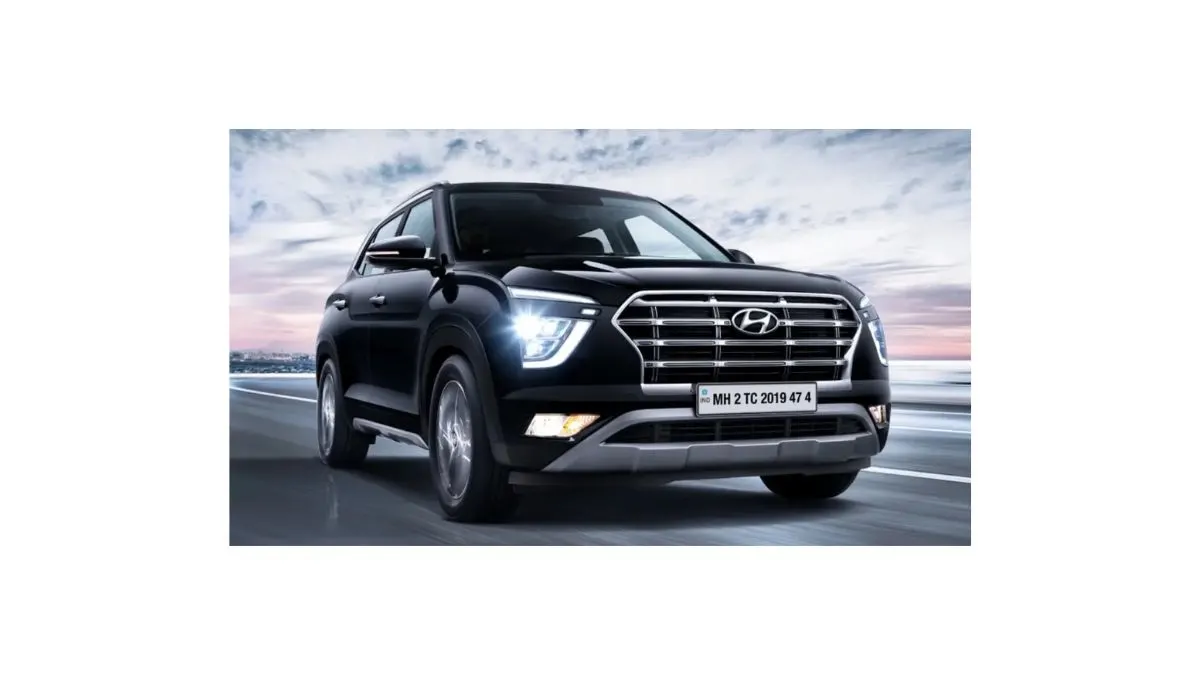
Hyundai Creta Electric: The Game-Changing Electric SUV India Has Been Waiting For

Hyundai Creta Electric SUV showcasing modern EV design, aerodynamic styling and premium features

Hyundai Creta Electric – Expected Price, Range, Features, Launch Timeline & Everything You Need to Know

The Hyundai Creta Electric is expected to be one of the most important electric car launches in India. With the Creta already being a bestseller in the petrol and diesel segments, Hyundai’s electric version could bring EV technology into the mainstream SUV market. Designed for Indian roads and families, the Creta Electric aims to combine long driving range, modern features, trusted reliability, and strong brand value. In this detailed preview, we break down expected design changes, battery options, range, performance, features, pricing strategy, and why the Hyundai Creta Electric could reshape India’s electric SUV space.


Hyundai Creta Electric: Market Positioning

Hyundai is expected to position the Creta Electric as a premium yet practical electric SUV, sitting above compact EVs and targeting buyers who want an electric vehicle without compromising on space or comfort.

Key target buyers include:

  • Urban professionals

  • Families upgrading from ICE SUVs

  • First-time EV buyers wanting reliability

  • Long-distance commuters seeking low running costs

By leveraging the Creta’s brand trust, Hyundai aims to reduce the hesitation many buyers still feel toward electric vehicles.


Exterior Design Expectations

The Hyundai Creta Electric is expected to retain the familiar Creta silhouette while incorporating EV-specific design cues. These changes will likely improve aerodynamics and give the SUV a distinct electric identity.

Expected exterior highlights:

  • Closed or patterned front grille

  • Aerodynamic alloy wheels

  • EV-specific badges

  • Redesigned bumpers

  • Sleek LED lighting elements

Hyundai is known for subtle but effective design upgrades, and the Creta Electric is expected to look modern without alienating existing Creta fans.


Interior, Space & Comfort

Inside, the Creta Electric is expected to offer a premium and tech-focused cabin, building on the strengths of the standard Creta. The flat floor layout typical of EVs could also enhance rear-seat comfort.

Expected interior features:

  • Large touchscreen infotainment system

  • Fully digital instrument cluster

  • Dual-zone climate control

  • Premium upholstery options

  • Spacious rear seating

Hyundai is likely to focus on comfort, practicality, and family usability, making the Creta Electric suitable for both city and highway driving.


Battery, Range & Charging Expectations

The most critical aspect of the Hyundai Creta Electric will be its battery and range. Industry expectations suggest Hyundai could offer multiple battery pack options to cater to different budgets and usage needs.

Expected highlights:

  • Real-world range suitable for daily and weekend use

  • Fast-charging support for quick top-ups

  • Optimized thermal management for Indian climates

A driving range in the 450–500 km (claimed) bracket would place the Creta Electric among the strongest contenders in its segment.


Performance & Driving Experience

Electric SUVs are known for instant torque, and the Creta Electric is expected to deliver smooth, silent, and responsive performance. Hyundai will likely tune the powertrain for comfort rather than aggressive driving.

Expected driving characteristics:

  • Effortless city acceleration

  • Stable highway cruising

  • Multiple drive modes

  • Regenerative braking levels

This setup should make the Creta Electric easy to drive for both new EV users and experienced SUV owners.


Technology & Connected Features

Hyundai is expected to load the Creta Electric with smart connected-car technology, enhancing convenience and safety.

Expected tech features:

  • Connected car app with EV-specific data

  • Remote charging status and scheduling

  • Digital key support

  • OTA software updates

These features are designed to make EV ownership simpler and more transparent, especially for first-time buyers.


Safety Expectations

Safety will be a major focus area for the Hyundai Creta Electric. Based on Hyundai’s current offerings, the electric version is expected to include:

  • Multiple airbags

  • ABS with EBD

  • Electronic stability control

  • 360-degree camera (higher trims)

  • Advanced driver assistance features (select variants)

This would position the Creta Electric as one of the safest electric SUVs in its price range.


Expected Price in India

Pricing will play a decisive role in the success of the Hyundai Creta Electric. Market expectations suggest an ex-showroom price starting around ₹18–22 lakh, depending on battery size and variant.

At this price, the Creta Electric would compete with both electric SUVs and premium ICE SUVs, offering lower running costs as a major advantage.


Charging Infrastructure & Ownership Experience

Hyundai is expected to support Creta Electric buyers with:

  • Home charger installation

  • Public charging network partnerships

  • Dedicated EV service training

This ecosystem approach is crucial to build confidence among buyers transitioning from petrol or diesel vehicles.


Competition Overview

The Hyundai Creta Electric will likely compete with:

  • Tata electric SUVs

  • MG electric offerings

  • Upcoming EVs from global brands

However, the Creta name, Hyundai reliability, and balanced feature set give it a strong competitive edge.


Pros & Cons (Expected)

Pros

✔ Trusted Creta brand value
✔ Long driving range potential
✔ Premium interior and features
✔ Strong safety package
✔ Lower running costs

Cons

✖ Higher upfront cost
✖ Charging network still growing
✖ EV learning curve for new users


Who Should Buy the Hyundai Creta Electric?

The Hyundai Creta Electric is expected to be ideal for:

  • Families wanting a future-ready SUV

  • Daily city commuters

  • Buyers upgrading from ICE vehicles

  • Users seeking premium EV experience

It’s designed for people who want electric mobility without compromise.


Final Verdict

If Hyundai executes the Creta Electric correctly, it could become a turning point for electric SUVs in India. With the right balance of range, pricing, features, and brand trust, the Hyundai Creta Electric has the potential to bring EVs into the mainstream and redefine what Indian buyers expect from an electric SUV.

Kia Syros HTK EX Launched at Rs 9.89 Lakh and It Finally Fixes the Mid Variant Problem

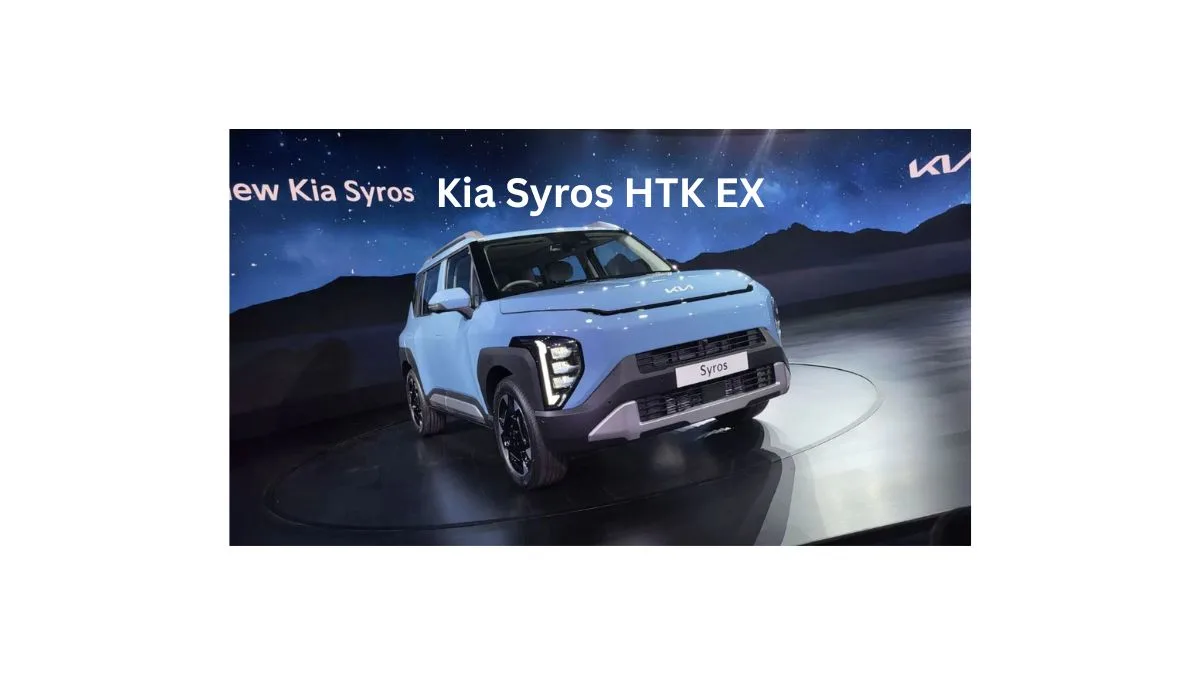
Kia Syros HTK EX compact SUV launched in India with LED lights sunroof and modern features

Kia Syros HTK EX Makes the Strongest Case Yet for a Smartly Priced Compact SUV

The launch of the Kia Syros HTK EX at Rs 9.89 lakh is more than just a new trim announcement. It reflects a clear shift in how car buyers now define value in the compact SUV segment. With LED lighting, a large touchscreen, a sunroof, and six airbags at a price that stays within reach, Kia is targeting buyers who want modern design and meaningful features without stepping into top end pricing. In a segment crowded with compromises, the HTK EX positions itself as a balanced and highly relevant choice for today’s Indian customer.

The Kia Syros HTK EX and Why It Signals a Shift in Compact SUV Buying

Introduce the Kia Syros HTK EX trim at Rs 9.89 lakh may look like a routine variant expansion, but it quietly reveals how the compact SUV market in India is evolving. This is not about adding another badge to the brochure. It is about responding to how buyers now define value in 2026.

For years, manufacturers treated mid variants as compromise options. Either you settled for fewer features or stretched your budget to reach the trims that looked modern and felt complete. Kia appears to be challenging that thinking with the Kia Syros HTK EX , offering visual upgrades that buyers actually notice without forcing them into top end pricing.


Why This Launch Is More Important Than It Appears

Compact SUVs are no longer entry level purchases. Buyers in this segment are increasingly design conscious and feature aware. LED lighting, large touchscreens, and sunroofs are no longer aspirational extras. They are expected.

Until now, the Kia Syros HTK EX reserved full LED exterior lighting for significantly higher trims. That meant buyers who wanted the modern look had to pay a substantial premium. With the Kia Syros HTK EX has broken that pattern by introducing LED headlights, LED DRLs, and LED tail lamps at a far lower price point.

This matters because lighting is one of the first things customers notice on the road and in showrooms. It influences perceived premiumness more than many mechanical upgrades. Kia clearly understands that emotional buying triggers are as powerful as rational ones.


A Carefully Chosen Feature Strategy

What stands out about the Kia Syros HTK EX is not excess, but restraint. Kia has selected features that add daily value rather than showroom bragging rights.

The inclusion of a 12.3 inch touchscreen infotainment system with wireless smartphone connectivity immediately lifts the cabin experience. A single pane sunroof caters to one of the most demanded features in this segment. A rear parking camera improves usability in crowded urban conditions.

At the same time, Kia avoids unnecessary cost escalation. There is no automatic gearbox here. Advanced driver assistance features are not part of the package. Instead, the company keeps the focus on essentials that most buyers actually use.

This is not about creating a mini luxury SUV. It is about making the Syros feel complete at a realistic price.


Engines That Prioritise Trust Over Experimentation

Mechanically, the Kia Syros HTK EX stays familiar and that is a deliberate choice.

The variant continues with Kia’s proven 1.0 litre turbo petrol and 1.5 litre diesel engines, both paired with manual transmissions. These powertrains already have a reputation for balancing performance and efficiency and are well suited to mixed city and highway use.

For buyers upgrading from hatchbacks or compact sedans, familiarity brings confidence. Kia is not asking customers to adapt to something new. It is offering a known mechanical package with a more attractive feature set.


Safety Is Not Treated as an Afterthought

One area where Kia deserves credit is safety. Even at this mid level price, the Kia Syros HTK EX includes six airbags, tyre pressure monitoring, hill start assist, parking sensors at both ends, and ISOFIX mounts.

In a segment where safety features are often restricted to higher trims, this decision strengthens Kia’s positioning as a responsible manufacturer. It also aligns with the increasing awareness among Indian buyers who now actively ask about airbags and safety ratings.

For family oriented buyers, this could be a deciding factor.


Positioning in a Crowded Segment

The Kia Syros competes in one of the most crowded segments in the Indian market, going up against models like the Venue, Nexon, Brezza, XUV 3XO, Kylaq, and even Kia’s own Sonet.

What the Kia Syros HTK EX does well is carve out a space where it does not feel under equipped or overpriced. Rivals often offer similar features, but usually at a higher price or with compromises in safety or interior tech.

This move also puts pressure on competitors to rethink how they structure their mid variants. Expect feature reshuffles or special editions in response.


What This Says About Kia’s Long Term Strategy

This launch is not an isolated decision. It reflects a broader shift in how Kia is approaching the Indian market.

Instead of focusing only on new model launches, the company is refining its existing line ups to better match buyer expectations. Trims are being used as strategic tools rather than simple price steps.

The fact that Kia introduced a similar EX philosophy across multiple models on the same day suggests a well planned approach rather than a reactive one.


Final Perspective

The Kia Syros HTK EX  is not designed to impress on paper alone. It is designed to make sense in the real world.

It offers the features that matter most today, avoids unnecessary complexity, and stays within a price bracket that feels achievable. For many buyers, this variant will likely emerge as the most logical choice in the Syros range.

In a market where compact SUVs are becoming increasingly expensive and over engineered, the HTK (EX) stands out by being thoughtfully balanced. That, more than anything else, is why this launch deserves attention.

2026 Nissan Magnite CNG AMT Launched: India’s Cheapest Automatic CNG SUV With 5-Star Safety

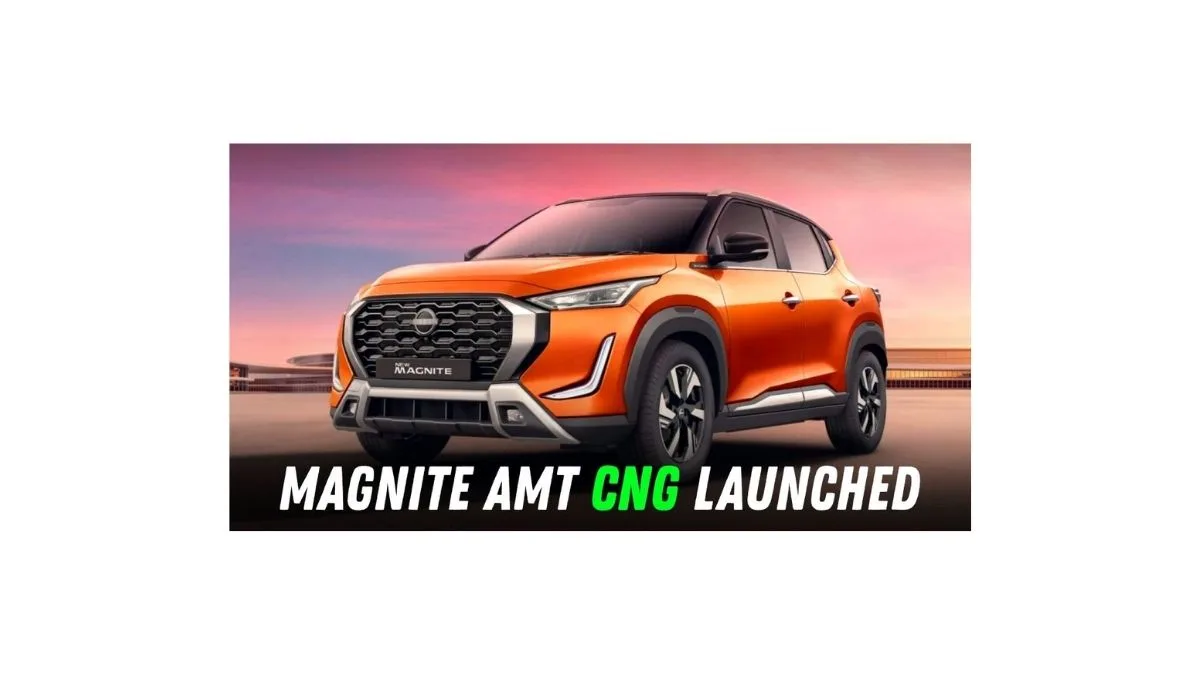
2026 Nissan Magnite CNG AMT compact SUV with automatic gearbox, CNG efficiency and 5-star safety rating in India

2026 Nissan Magnite CNG AMT – Price, Variants, Mileage & Why This Launch Matters

Nissan has quietly reshaped the budget SUV market with the launch of the 2026 Magnite CNG AMT, bringing together low running costs, automatic convenience, and class-leading safety at an accessible price. Starting at ₹6.89 lakh (ex-showroom), the Magnite becomes one of India’s most affordable automatic CNG SUVs while retaining a 5-star Global NCAP safety rating. At a time when fuel prices and urban traffic are pushing buyers toward smarter ownership choices, this launch signals a shift in how budget SUVs are being designed focused less on compromise and more on everyday usability.

Nissan Magnite CNG AMT 2026: Why This Launch Quietly Changes the Budget SUV Game

At first glance, the launch of the 2026 Nissan Magnite CNG AMT may look like a routine variant update. Look closer, and it becomes clear this is a strategic move aimed squarely at India’s cost-conscious, city-focused SUV buyer a segment that is growing faster than almost any other.

By pairing CNG efficiency with the convenience of an AMT, Nissan is addressing a gap most manufacturers have either ignored or underestimated. This isn’t just about fuel economy anymore; it’s about making low-cost ownership genuinely easy.


Why This Launch Matters More Than It Seems

India’s sub-compact SUV market has matured. Buyers are no longer choosing between “cheap” and “premium” they want value without compromise. Rising petrol prices, tighter household budgets, and congested urban driving have created a perfect storm where:

  • CNG makes financial sense

  • Automatic gearboxes are no longer optional

  • Safety has become non-negotiable

Until now, customers wanting all three had limited choices. The Magnite CNG AMT directly targets this unmet demand, especially for first-time automatic car buyers and daily city commuters.


Pricing Strategy: Nissan’s Real Masterstroke

The headline number ₹6.89 lakh (ex-showroom) isn’t just competitive, it’s disruptive.

In a market where automatic SUVs often breach the ₹8–9 lakh mark quickly, Nissan has managed to:

  • Keep the entry point low

  • Offer multiple trims, all the way up to Tekna+

  • Retain features usually associated with higher segments

This pricing signals one thing clearly: Nissan is playing the long game, prioritizing volumes and visibility over short-term margins.


CNG + AMT: A Combination Built for Indian Cities

CNG cars are no longer just about taxis and fleet buyers. Private owners are increasingly turning to CNG to control running costs especially in metro cities with good infrastructure.

By offering:

  • A factory-approved CNG kit

  • Integrated AMT tuning (instead of an aftermarket workaround)

  • Dealership-level installation and warranty peace of mind

Nissan avoids the biggest fear buyers have with CNG conversions: reliability and resale concerns.

This approach positions the Magnite as a practical daily SUV, not a compromise purchase.


Performance: Realistic, Not Flashy and That’s the Point

The 1.0-litre naturally aspirated engine won’t win drag races, but that’s not its job.

What it delivers instead:

  • Predictable power delivery

  • Smooth low-speed drivability

  • Lower maintenance complexity compared to turbo units

For CNG usage, this engine choice makes sense. Turbocharging and CNG rarely coexist happily over the long term. Nissan has clearly optimized for longevity and cost control, not spec-sheet bragging rights.

Expected mileage figures up to 30 km/kg on highways mean the Magnite CNG AMT could become one of the cheapest automatic SUVs to run in India.


Feature List: Where Nissan Surprises

Budget SUVs typically cut corners. The Magnite doesn’t at least not where it matters to modern buyers.

Even in higher trims, Nissan has retained:

  • A large touchscreen infotainment system

  • Digital instrument cluster

  • 360-degree camera

  • Wireless charging

  • Ambient lighting

  • Electric sunroof

This matters because today’s buyers are upgrading from well-equipped hatchbacks. A barebones SUV simply won’t do anymore.

The Magnite understands that emotional value feeling like you upgraded is just as important as saving money.


Safety: The Silent Deal-Clincher

Perhaps the most underestimated aspect of this launch is safety.

A 5-star Global NCAP rating in a car that starts under ₹7 lakh is no longer just impressive—it’s a statement.

With:

  • 6 airbags as standard

  • ESC and traction control

  • ISOFIX mounts

  • Proper three-point seatbelts for all passengers

Nissan is quietly raising the bar for the entire budget SUV segment. Competitors offering fewer safety features at higher prices may soon feel the pressure.


Who Should Seriously Consider the Magnite CNG AMT?

This car isn’t for everyone and that’s a good thing. It’s clearly aimed at:

  • Urban commuters driving 40–60 km daily

  • Buyers upgrading from manual hatchbacks

  • Families prioritizing safety but watching budgets

  • Customers who want low running costs without sacrificing convenience

If highway performance thrills are your priority, you’ll look elsewhere. But if monthly fuel bills, stress-free driving, and ownership peace of mind top your list, the Magnite CNG AMT suddenly makes a lot of sense.


Market Impact: What This Means for Rivals

This launch puts pressure on multiple fronts:

  • Brands offering petrol AMTs without CNG alternatives

  • CNG cars that still insist on manual-only gearboxes

  • Budget SUVs cutting corners on safety

Expect competitors to respond but not immediately. Developing a properly integrated CNG AMT setup takes time, testing, and investment.

Nissan has gained a first-mover advantage in a niche that could soon go mainstream.


Looking Ahead: Nissan’s Broader Play in India

The Magnite has quietly become Nissan’s backbone in India. With this update, Nissan is reinforcing a clear strategy:

  • Focus on affordability

  • Deliver segment-first combinations

  • Use safety as a brand differentiator

If Nissan builds on this momentum possibly with stronger hybrids or affordable EVs the Magnite CNG AMT could be remembered as the moment the brand regained relevance, not just sales.


Final Take

The 2026 Nissan Magnite CNG AMT isn’t flashy, radical, or revolutionary. And that’s exactly why it works.

It solves real problems for real buyers:

  • Rising fuel costs

  • Urban driving fatigue

  • Safety concerns

  • Budget constraints

In doing so, Nissan has delivered one of the smartest value propositions in India’s compact SUV market quietly, confidently, and with purpose.

Frequently Asked Questions – 2026 Nissan Magnite CNG AMT

1. What is the price of the 2026 Nissan Magnite CNG AMT in India?

The 2026 Nissan Magnite CNG AMT starts at ₹6.89 lakh (ex-showroom) for the base Visia variant. Prices go up to ₹9.70 lakh for the fully loaded Tekna+ trim, making it one of the most affordable automatic CNG SUVs in the country.


2. Is the Nissan Magnite CNG available with an automatic gearbox?

Yes. Nissan now offers the Magnite CNG with a 5-speed Automated Manual Transmission (AMT), marketed as EZ-Shift. This makes it one of the few CNG SUVs in India to combine automatic convenience with low running costs.


3. What engine powers the 2026 Nissan Magnite CNG?

The Magnite CNG is powered by a 1.0-litre naturally aspirated petrol engine adapted for CNG use. It produces 72 bhp and is tuned for smooth city driving and fuel efficiency rather than outright performance.


4. What mileage does the Nissan Magnite CNG AMT deliver?

The Magnite CNG is expected to deliver around 24 km/kg in city driving and up to 30 km/kg on highways, depending on driving conditions. Real-world mileage may vary based on load, traffic, and driving style.


5. Is the CNG kit factory-fitted or dealer-installed?

The CNG kit is factory-approved and installed at authorized Nissan dealerships. It costs an additional ₹72,000 and comes with warranty support, offering better reliability and resale value than aftermarket conversions.


6. Does the Magnite CNG compromise on boot space?

Like most CNG vehicles, the Magnite uses a single-cylinder CNG tank, which does reduce boot space compared to the petrol version. However, Nissan has optimized the layout to retain practical usability for daily needs.


7. What safety rating does the 2026 Nissan Magnite have?

The Nissan Magnite has achieved a 5-star Global NCAP safety rating for adult occupant protection, making it one of the safest cars in its price segment.


8. How many airbags does the Nissan Magnite CNG offer?

All variants of the 2026 Nissan Magnite come with six airbags as standard, along with Electronic Stability Control (ESC) and traction control.


9. Does the Magnite CNG AMT come with a sunroof?

Yes. Higher trims such as Tekna and Tekna+ offer an electric sunroof, along with premium features like ambient lighting and leatherette upholstery.


10. Who should consider buying the Nissan Magnite CNG AMT?

The Magnite CNG AMT is ideal for:

  • Daily urban commuters

  • Buyers upgrading from manual hatchbacks

  • Families prioritizing safety and low running costs

  • Customers wanting an affordable automatic SUV for city use


11. Is the Nissan Magnite CNG suitable for highway driving?

The Magnite CNG can handle highways comfortably at legal cruising speeds, but it is best suited for city-focused usage. Buyers looking for frequent high-speed overtaking performance may prefer turbo-petrol alternatives.


12. How does the Nissan Magnite CNG AMT compare to rivals?

Compared to rivals, the Nissan Magnite CNG AMT stands out for its low entry price, automatic gearbox, and 5-star safety rating a combination rarely offered together in this segment.

Tata Harrier Petrol Launched at ₹12.89 Lakh: Powerful Turbo Engine Changes the SUV Game

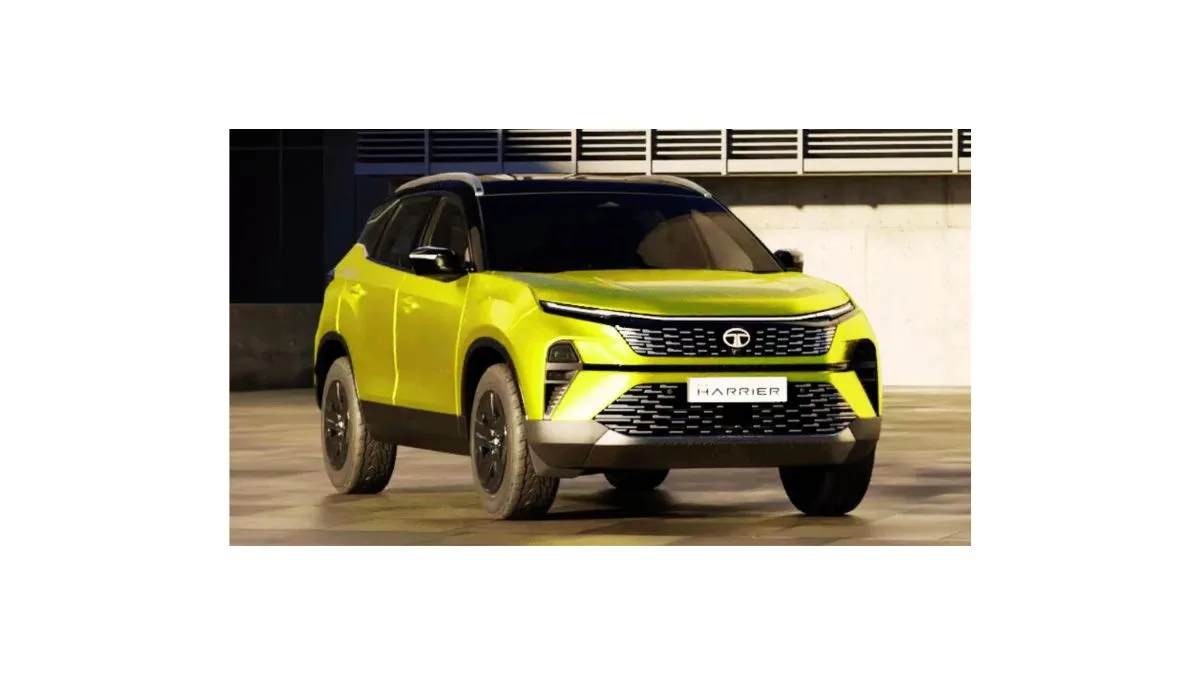
2026 Tata Harrier petrol SUV with new 1.5-litre turbo engine, premium features and 5-star Bharat NCAP safety rating

Tata Harrier Petrol Debuts in India With New Turbo Engine and Premium Features

Tata Motors has expanded the Harrier lineup with the long-awaited petrol version, priced from ₹12.89 lakh, ex-showroom. Powered by a new 1.5-litre turbo-petrol engine, the Harrier Petrol targets buyers who want SUV presence without committing to diesel ownership. With strong performance figures, manual and automatic gearbox options, and a feature list that rivals luxury SUVs, the petrol Harrier signals a strategic shift for Tata. It also arrives at a time when petrol SUVs are gaining preference in urban India, making this launch both timely and significant.

Tata Harrier Petrol Changes the SUV Conversation in India

For years, the Tata Harrier was quietly typecast as a diesel-only, highway-focused SUV. That reputation delivered loyal buyers, but it also shut the door on a growing segment of customers who wanted petrol power without stepping down in size or stature. With the launch of the Harrier Petrol at a starting price of Rs. 12.89 lakh, Tata Motors has finally corrected that imbalance and the timing could not be more deliberate.

This is not just a new engine option. It is Tata responding to how Indian SUV buying habits are evolving.


Why the Tata Harrier Petrol matters now

India’s diesel market has been shrinking steadily, driven by tighter emissions norms, rising diesel prices and increasing urban restrictions. At the same time, petrol SUVs have become more refined, more powerful and far more efficient than they were a decade ago. Until now, Harrier buyers who preferred petrol had to look elsewhere, often at rivals offering smaller turbo engines or crossovers positioned below the Harrier in size.

By introducing a Tata Harrier Petrol 2026 is widening the SUV’s appeal to city-heavy users, fleet buyers, and customers who want automatic convenience without diesel ownership concerns. It also gives Tata a stronger answer to petrol-powered rivals that were previously enjoying an uncontested advantage in urban markets.


A new engine with a clear intent

At the heart of the Tata Harrier Petrol new 1.5-litre Turbo GDi engine. On paper, its output of 168 bhp and 280 Nm of torque places it squarely in the midsize SUV sweet spot. More importantly, the torque figure suggests this engine has been tuned for real-world drivability rather than headline horsepower.

This matters because Harrier buyers are not chasing drag-strip numbers. They want smooth overtakes, relaxed cruising and predictable performance in traffic. Pairing the engine with both a six-speed manual and a six-speed torque converter automatic reinforces that focus on refinement and reliability rather than experimental transmissions.

Tata’s fuel efficiency claim, backed by an India Book of Records entry for sustained efficiency over a 12-hour drive, is clearly aimed at countering the long-held belief that petrol SUVs are expensive to run. Whether buyers see that efficiency in daily use will ultimately decide how strong this engine’s reputation becomes.


Features and safety as the real differentiators

Where the Tata Harrier Petrol truly strengthens its case is not under the hood, but inside the cabin. Tata has positioned this SUV as a technology-forward offering, and the equipment list reflects that ambition.

The massive 14.5-inch Neo QLED touchscreen, Dolby Atmos audio, digital IRVM with built-in dual dashcams and panoramic sunroof push the Harrier firmly into premium territory. These are features buyers increasingly expect at this price point, especially as competition intensifies.

More crucially, every petrol variant carries a five-star Bharat NCAP rating. That consistency across the range sends a strong message that safety is not reserved for top trims alone. Level 2 ADAS further reinforces Tata’s push toward making advanced driver assistance mainstream rather than aspirational.


Variant strategy signals wider ambition

The Tata Harrier Petrol is offered across a wide spread of trims, from Smart to Fearless Ultra and Red Dark editions. This is a telling move. Tata is clearly not treating the petrol as a niche addition but as a core pillar of the Harrier lineup.

By offering both standard and Dark editions with manual and automatic options, Tata ensures that petrol buyers do not feel like an afterthought. This strategy also allows the brand to target younger buyers who prefer petrol power but still want bold styling and premium features.


What this means for the segment

The launch of the Tata Harrier Petrol subtly reshapes the midsize SUV landscape. Diesel may still dominate long-distance buyers, but petrol SUVs are increasingly becoming the default choice for urban India. Tata now competes more directly with petrol-heavy rivals without forcing customers to compromise on size, safety or equipment.

Looking ahead, this move also positions Tata well for future electrification strategies. A diversified powertrain portfolio, petrol, diesel, and electric, gives the company flexibility as regulations and buyer preferences continue to shift.


The bigger picture

The Tata Harrier Petrol is not about replacing the diesel Harrier. It is about expanding the definition of what the Harrier can be. By finally offering petrol power with strong performance, premium features and class-leading safety, Tata has made its flagship SUV relevant to a much broader audience.

In a market where choice increasingly defines success, that may prove to be the Harrier’s most important upgrade yet.

Hyundai Alcazar 2026 Review – Price, Specs, Features & Complete Buying Guide

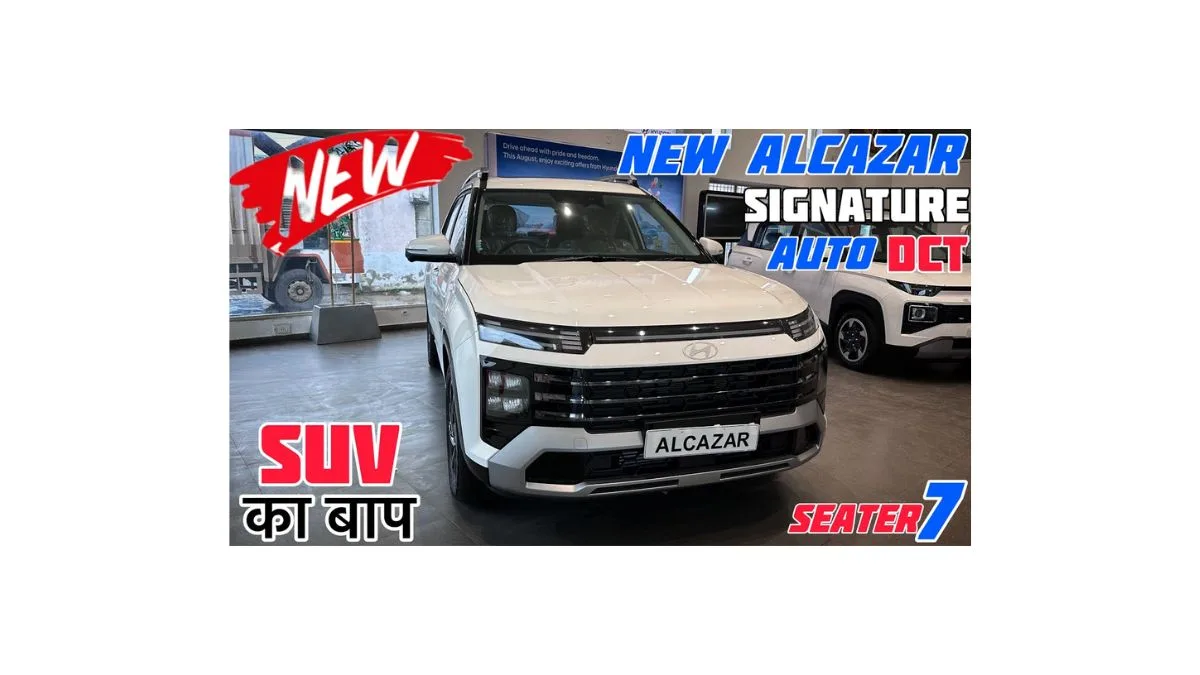
Hyundai Alcazar 2026 premium 6-7 seater SUV in sleek silver exterior, showcasing modern design and spacious interior

Hyundai Alcazar 2026 Review — Price, Specs, Features & Buyer’s Guide

If you’re looking for a premium 6/7‑seater SUV that combines modern tech, safety, and comfort, the Hyundai Alcazar is a standout option. After its latest facelift in 2024–2025, the Alcazar has become one of India’s most talked-about family SUVs, offering a seamless blend of style, performance, and value. This comprehensive guide will cover everything from price and engine options to features, trims, pros & cons, and help you decide whether it’s the right SUV for you in 2026.


Introduction: What Makes the Hyundai Alcazar Special?

The Hyundai Alcazar is a mid-size, 3-row SUV positioned between the Creta and Tucson. It is built for families and urban buyers who want extra space and premium features without paying exorbitantly.

With refreshed styling, modern tech, and a turbocharged engine, the Alcazar has carved a niche for itself in the ₹15–25 lakh SUV segment, offering a perfect mix of comfort, technology, and drivability.


Hyundai Alcazar Price in India (2026)

The Alcazar is available in multiple trims and seating configurations, with ex-showroom prices ranging from ₹14.99 lakh to ₹21.74 lakh.

Quick Price Overview:

  • Base Executive 7-seater: ₹14.99 lakh

  • Mid Prestige & Platinum trims: ₹17–19 lakh

  • Top Signature Variant: ₹21.2–21.6 lakh

  • On-road prices: ₹16.8–24.9 lakh (varies by city/state)

Note: On-road prices include RTO charges, insurance, and registration.


Engine & Performance

The Hyundai Alcazar offers two turbocharged engine options to suit varied preferences:

1.5L Turbo Petrol

  • Power: 160 PS

  • Torque: 253 Nm

  • Transmission: 6-speed manual or 7-speed DCT automatic

  • Best for urban driving and highway cruising with smooth acceleration.

1.5L Turbo Diesel

  • Power: 116 PS

  • Torque: 250 Nm

  • Transmission: 6-speed manual or 6-speed automatic

  • Ideal for fuel-conscious buyers seeking torque for highways and long drives.

The petrol + DCT combo delivers the most refined experience, while diesel variants provide better efficiency on highways. Fuel economy generally ranges between 17–20 kmpl, depending on driving conditions.


Interior & Comfort Features

One of the Alcazar’s biggest selling points is its premium cabin experience.

Seating & Layout

  • 6-seater with captain seats or 7-seater configuration

  • Second-row seats are spacious, ventilated in higher trims, and perfect for adults or teenagers.

Tech & Infotainment

  • 10.25-inch touchscreen infotainment system with Android Auto & Apple CarPlay

  • Digital driver display

  • Wireless charging and connected car features via BlueLink

Comfort & Convenience

  • Panoramic sunroof on select trims

  • Dual-zone climate control

  • Ambient lighting and soft-touch interiors

Overall, the Alcazar cabin feels modern and luxurious, providing comfort on long trips and city commutes alike.


Safety & Advanced Features

Hyundai emphasizes safety with technology:

  • Level 2 ADAS: Adaptive cruise control, lane assist, automatic emergency braking (on higher trims)

  • 6 airbags, ESC, hill-start assist

  • 360° camera and parking sensors

  • Digital key with NFC: Access via smartphone or smartwatch

These features make the Alcazar one of the most secure family SUVs in its price range.


Pros & Cons

Pros

  • Premium interior and build quality

  • Feature-rich with advanced safety tech

  • Flexible seating layout for families

  • Strong highway performance and comfort

Cons

  • Third-row best suited for children or short adults

  • Fuel economy in city traffic could be better

  • Sales traction less compared to rivals like Creta or Venue


Trim & Variant Highlights

Executive

  • Entry-level variant with essential features

  • Ideal for budget-conscious buyers

Prestige & Platinum

  • Adds panoramic sunroof, ventilated seats, and advanced infotainment

Signature & Knight Edition

  • Top-tier trims with premium styling, ADAS, and luxury features

Mid-to-top trims often provide the best value for money due to additional comfort and tech features.


Alcazar vs Key Rivals

The Alcazar competes with several SUVs in its segment:

  • Tata Safari: Bigger build, stronger road presence

  • Mahindra XUV700: More powerful, higher price

  • Kia Carens: Better value in some trims

  • Toyota Innova Hycross: Reliable but pricier

The Alcazar’s edge lies in tech, comfort, and everyday usability, making it ideal for family-focused buyers.


Who Should Buy the Hyundai Alcazar?

✅ Families seeking extra seating and a spacious cabin
✅ Professionals looking for premium tech and safety
✅ Highway travelers who prioritize comfort on long trips
✅ Buyers who value modern design with connected features

For a feature-loaded SUV under ₹25 lakh, the Alcazar is a top contender in 2026.


Conclusion: Is the Alcazar Worth Buying in 2026?

Absolutely. The Hyundai Alcazar is a well-rounded SUV offering premium comfort, modern technology, and reliable performance. It bridges the gap between everyday usability and long-distance capability, making it one of the best family SUVs in India today.

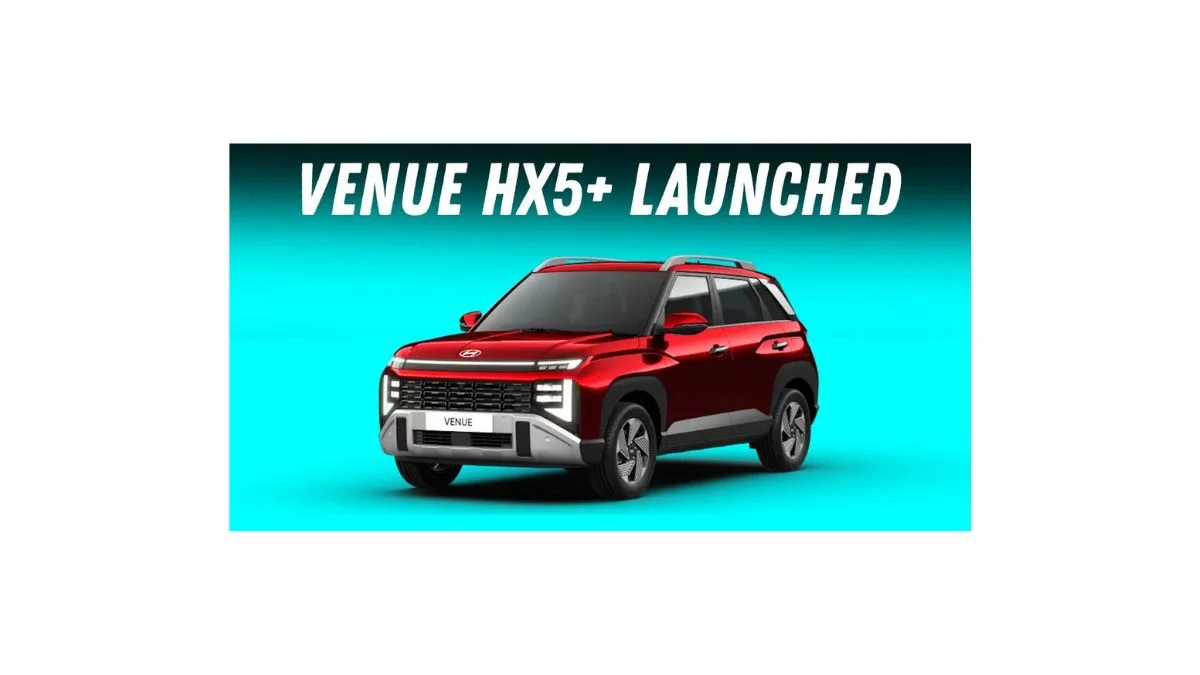
Hyundai Venue HX5 Plus Launch Shows How Smart Pricing Still Wins Buyers

Hyundai Venue HX5 Plus compact SUV launched at ₹9.99 lakh in India

Hyundai Venue HX5 Plus Launched at ₹9.99 Lakh for Value Focused SUV Buyers

Hyundai has strengthened its compact SUV lineup with the launch of the Hyundai Venue HX5 Plus, priced at ₹9.99 lakh. Positioned carefully between the HX5 and HX6 trims, the Hyundai Venue HX5 Plus targets buyers who want extra comfort and premium touches without stretching their budget. By offering select features from higher variants while retaining a reliable petrol manual setup, Hyundai is addressing the needs of practical, value conscious customers. The Hyundai Venue HX5 Plus highlights how manufacturers are now fine tuning variants to match Indian buying behaviour rather than simply adding more expensive trims.

Hyundai Venue HX5 Plus Launch Brings Smarter Choice for Sub-₹10 Lakh SUV Buyers

Hyundai has expanded its compact SUV lineup with the introduction of the Hyundai Venue HX5 Plus, priced at ₹9.99 lakh (ex-showroom). While the launch may appear modest, the Hyundai Venue HX5 Plus plays a strategically important role in Hyundai’s India portfolio. It addresses a growing group of buyers who want added comfort and premium feel without stepping into higher, more expensive trims.

Instead of overloading the variant with unnecessary equipment, Hyundai has focused on features that improve everyday ownership. This makes the Hyundai Venue HX5 Plus a carefully positioned option rather than a token addition.


Why Hyundai Introduced the Venue HX5 Plus So Quickly

The second-generation Venue was launched recently, and Hyundai’s decision to add the Hyundai Venue HX5 Plus within weeks highlights how competitive the compact SUV segment has become. Buyers today are more informed and increasingly selective about features, pricing, and long-term value.

The Hyundai Venue HX5 Plus bridges the pricing and equipment gap between the HX5 and HX6 trims. It allows Hyundai to retain customers who might otherwise look at rival models once the price crosses the ₹10 lakh mark.


Exterior Changes Focus on Visual Impact

From the outside, the Hyundai Venue HX5 gains select elements from higher variants that enhance its road presence. The addition of quad-beam LED headlamps instantly modernises the front design, while roof rails add to the SUV character.

At the same time, Hyundai has retained practical elements like steel wheels with covers and body-coloured mirrors to control costs. This balanced approach ensures the Hyundai Venue HX5 Plus looks premium enough without overlapping too closely with the HX6.


Interior Upgrades Improve Daily Comfort

Inside the cabin, the Hyundai Venue HX5 focuses on comfort and convenience rather than luxury gimmicks. Features such as a wireless charging pad, front armrest with storage, and rear sunshade significantly improve everyday usability.

Hyundai has also added a one-touch power window for the driver, a small detail that enhances the overall driving experience. These thoughtful additions make the Hyundai Venue HX5 feel better suited for both city commuting and longer drives.


Proven Petrol Engine Keeps Ownership Simple

The Hyundai Venue HX5 continues with the familiar 1.2-litre naturally aspirated petrol engine paired with a 5-speed manual gearbox. While it may not excite performance enthusiasts, this powertrain is known for smooth operation, low maintenance costs, and long-term reliability.

For the target buyer of the Hyundai Venue HX5, ease of ownership and predictable running costs matter more than outright performance figures.


Pricing Strategy Is the Real Highlight

Pricing is where the Hyundai Venue HX5 makes the strongest case. Positioned between the HX5 and HX6, it offers meaningful upgrades for a reasonable premium while staying just under the crucial ₹10 lakh threshold.

This careful pricing ensures the Hyundai Venue HX5 appeals to budget-conscious buyers who want a better-equipped vehicle without feeling stretched financially.


Who Should Consider the Hyundai Venue HX5 Plus

The Hyundai Venue HX5 is ideal for:

  • First-time SUV buyers upgrading from hatchbacks

  • Families prioritising comfort and practicality

  • Buyers who want modern features without premium pricing

  • Urban users seeking a refined petrol manual SUV

It may not be the most feature-packed variant, but it offers the best balance for many real-world buyers.


What This Launch Means for the Compact SUV Market

The launch of the Hyundai Venue HX5 reflects a broader shift in the Indian car market. Manufacturers are increasingly creating finely tuned variants instead of pushing buyers toward top trims.

This approach benefits customers by offering more choice and prevents unnecessary overspending. The Hyundai Venue HX5 is a clear example of how brands are adapting to changing buyer expectations.


Final Verdict: A Smart, Well-Judged Addition

The Hyundai Venue HX5 may not grab headlines like a full facelift or new engine, but it quietly strengthens Hyundai’s position in the compact SUV segment. With sensible feature additions, proven mechanicals, and sharp pricing, it delivers exactly what many Indian buyers are looking for.

For those seeking a balanced, comfortable, and sensibly priced compact SUV, the Hyundai Venue HX5 Plus stands out as one of the most logical choices in its segment.

Affordable Hyundai Venue Automatic 2026: Smart EMI Plans, Pricing & Features

2026 Hyundai Venue automatic variant parked in city with modern design and features

Hyundai Venue Automatic 2026: Convenient Pricing, Top Features, and Easy EMI Options

The 2026 Hyundai Venue automatic variant is an affordable and convenient choice in India’s compact SUV segment, offering city-friendly handling, modern features, and a comfortable automatic transmission. With an ex-showroom price of ₹10.67 lakh and an on-road price of ₹12.61 lakh in Delhi, buyers can enjoy tech-rich amenities, stylish design, and ease of driving in urban traffic. For those financing their purchase, a down payment of ₹2 lakh results in a manageable monthly EMI of ₹17,252 over seven years, with total interest around ₹3.87 lakh. This combination of affordability, features, and convenience makes the Venue automatic a compelling choice for 2026.

Hyundai Venue Automatic in India: EMI, Pricing, and Ownership Insights

Hyundai has steadily strengthened its presence in India’s compact SUV segment, and the new-generation Hyundai Venue automatic variant is emerging as a top choice for urban buyers seeking convenience and comfort. Launched in December 2025, this model combines Hyundai’s proven reliability with modern features, spacious interiors, and an easy-to-drive automatic transmission — making it ideal for city traffic and weekend getaways alike.

For prospective buyers, understanding the EMI structure and total ownership cost is crucial, especially as interest rates and loan tenures vary across banks and financial institutions.


Pricing Breakdown: Ex-Showroom vs On-Road

The automatic variant of the Hyundai Venue carries an ex-showroom price of ₹10.67 lakh. However, the on-road price in Delhi reaches approximately ₹12.61 lakh, which includes:

  • RTO charges: ₹1.13 lakh

  • Insurance: ₹70,000

This distinction is important for buyers calculating their monthly EMI or total cost of ownership, as many tend to overlook registration and insurance fees.


EMI Plan: How Much Will You Pay?

Assuming a down payment of ₹2 lakh, the monthly EMI for the Hyundai Venue automatic works out to around ₹17,252. Over a standard 7-year loan tenure, the total interest paid would be approximately ₹3.87 lakh.

Breaking this down:

  • Loan amount: ₹10.61 lakh (after down payment)

  • EMI tenure: 84 months

  • Total interest: ₹3.87 lakh

  • Monthly EMI: ₹17,252

This structured repayment plan allows buyers to balance affordability with long-term ownership costs while enjoying the convenience of an automatic transmission.


Why the Hyundai Venue Automatic Stands Out

  1. Compact SUV Comfort: Higher ground clearance and a well-tuned suspension make it ideal for both urban streets and pothole-laden roads.

  2. Automatic Convenience: The iVT/AMT automatic gearbox reduces driving fatigue, especially in congested city traffic.

  3. Feature-Rich Cabin: From touchscreen infotainment to connected car features, the Venue automatic offers tech-savvy amenities that enhance daily driving.

  4. Resale & Reliability: Hyundai’s reputation ensures strong resale value and dependable after-sales service, important factors in EMI planning.


Expert Takeaways

  • Urban commuters prioritizing convenience will benefit from the automatic variant, particularly with traffic-heavy city routes.

  • Buyers should consider total on-road cost and EMI before finalizing the loan, as insurance and registration add significant amounts.

  • Opting for a 7-year EMI plan spreads the financial burden but increases total interest — a shorter tenure reduces interest but raises monthly payments.


Future Implications

As compact SUVs dominate Indian roads, automatics are becoming increasingly popular among younger buyers and first-time car owners. The Hyundai Venue automatic demonstrates that Hyundai is adapting to this trend by offering affordable, feature-rich vehicles that balance performance, comfort, and financial planning. With competitive EMI options and strong after-sales support, the Venue automatic is positioned to remain a segment leader in 2026.

FAQ Section

1. What is the on-road price of the Hyundai Venue automatic 2026 in Delhi?

The on-road price in Delhi for the automatic variant is approximately ₹12.61 lakh, which includes ex-showroom price, RTO charges, and insurance.


2. How much is the EMI after a ₹2 lakh down payment?

With a ₹2 lakh down payment, the monthly EMI for a seven-year loan works out to ₹17,252, with a total interest of around ₹3.87 lakh.


3. What is the ex-showroom price of the Hyundai Venue automatic?

The ex-showroom price of the automatic variant is ₹10.67 lakh.


4. What features does the Hyundai Venue automatic offer?

Key features include a smart touchscreen infotainment system, automatic transmission, city-friendly handling, stylish design, connected car features, and more.


5. Is the Hyundai Venue automatic suitable for city driving?

Yes, the automatic gearbox makes it ideal for urban traffic, reducing fatigue and offering a smooth driving experience.


6. How does the Hyundai Venue automatic compare to rivals?

It competes strongly with compact SUVs like the Kia Sonet, Tata Punch, and Maruti Brezza, offering a combination of features, affordability, and Hyundai’s trusted after-sales service.


7. Can I get financing for the Hyundai Venue automatic?

Yes, Hyundai offers loan and EMI options through banks and financial institutions, allowing flexible payment plans based on down payment and tenure.

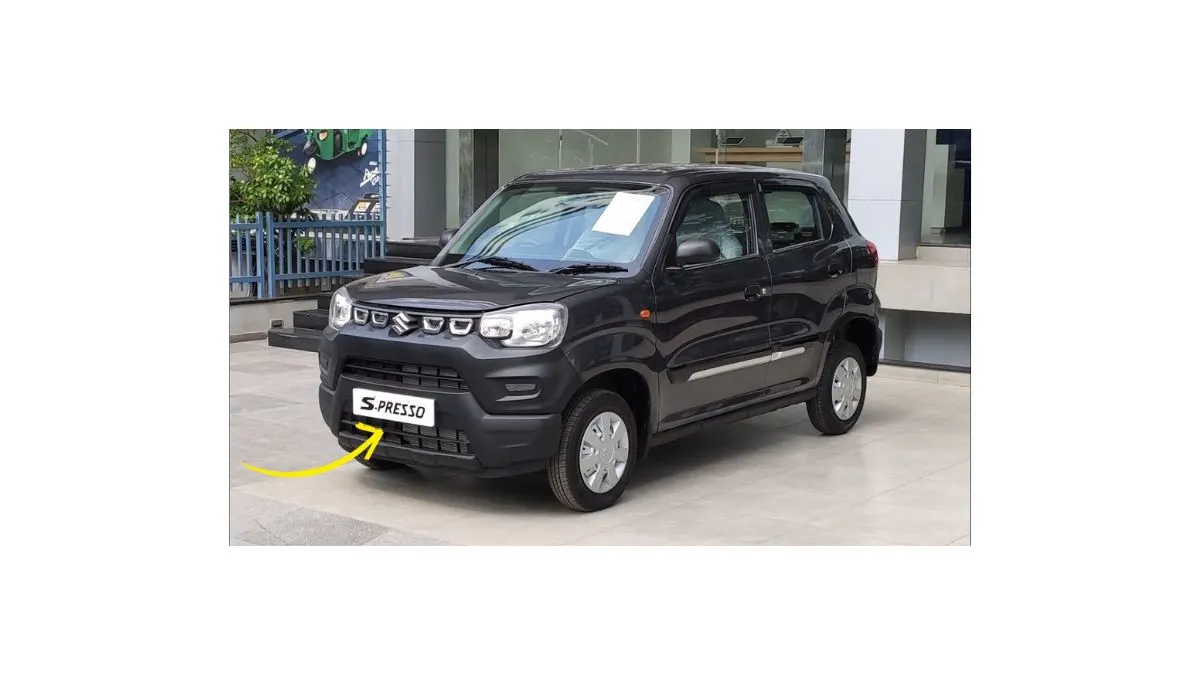
5 Reasons Maruti Suzuki S Presso Is Now India’s Cheapest Car

Maruti Suzuki S Presso parked in city street, showing tall-boy design and modern features

Maruti Suzuki S Presso Is Now India’s Cheapest Car And Why That Shift Matters

India’s cheapest car is now the Maruti Suzuki S Presso, and the shift signals more than a simple price reshuffle. It reflects how first-time buyers are rethinking value — prioritising usability, efficiency, and everyday comfort over the bare minimum required to own four wheels.

This change isn’t really about saving ₹20,000. It’s about how expectations have evolved, and why “cheap” no longer means compromised, outdated, or difficult to live with.


India’s Cheapest Car Has Changed — Here’s What That Signals

This transition isn’t merely a badge swap at the bottom of the price ladder. It highlights how affordability in India is being redefined around usability, safety, and long-term ownership rather than just upfront cost.


Why the Maruti Suzuki S Presso Fits Today’s Entry-Level Buyer

The Maruti Suzuki S Presso feels purpose-built for modern first-time buyers, not legacy definitions of what a budget car should be.

India’s entry-level customer in 2025 looks very different from one a decade ago. Two-wheelers are costlier, urban traffic is denser, and safety awareness is higher. The cheapest car today must justify itself beyond its price tag — and the S Presso is positioned precisely for that role.


Affordability Today Is About More Than Just Price

A low starting price still matters, but it no longer carries the entire decision.

For buyers upgrading from scooters or stretching finances for their first car, ongoing expenses, ease of use, and peace of mind now weigh just as heavily. The S Presso’s pricing advantage feels meaningful because it doesn’t strip away essentials to get there.


Mileage and Running Costs Still Decide Budget Car Success

For most Indian households, ownership costs begin after delivery, not at the showroom.

This is where the Maruti Suzuki S Presso plays a decisive role. Its petrol efficiency comfortably suits daily city use, while the CNG variant pushes cost-per-kilometre figures into territory that rivals — and sometimes undercuts — premium two-wheelers. That difference shows up month after month, not just on paper.


Automatic Transmission at the Bottom of the Market Changes Expectations

The presence of an AMT automatic in one of India’s cheapest cars signals a deeper shift in priorities.

Once viewed as a luxury, automatic gearboxes have become a practical response to congested urban driving. By offering this convenience at the entry level, Maruti effectively acknowledges that ease of driving is no longer optional — even for budget buyers.


Cabin Space and Everyday Practicality Give the S Presso an Edge

Spec sheets rarely tell the full story of daily usability.

Thanks to its tall-boy design, the Maruti Suzuki S Presso feels more open than its footprint suggests. The upright seating position, improved headroom, and easier ingress make it particularly friendly for older drivers and families transitioning from two-wheelers. In everyday use, it often feels less demanding than the Alto K10.


How Safety and Features Have Redefined the Cheapest Car Segment

What was once considered premium has become baseline.

Features like a touchscreen infotainment system, smartphone connectivity, electronic stability control, and dual airbags are now expected — not admired — even at the lowest price points. Their presence in the S Presso reflects how regulations and buyer awareness have raised the minimum standard for new cars.


Where the Maruti Suzuki S Presso Still Feels Like a Budget Car

Despite its strengths, the S Presso doesn’t hide its cost constraints.

Its polarising design won’t appeal to everyone, and the absence of conveniences such as a rear-view camera or powered mirrors makes it clear where savings were made. These trade-offs are deliberate, not accidental.


What This Shift Means for First-Time Car Buyers in India

For new buyers, this evolution expands choice without raising the barrier to entry.

Cars like the Maruti Suzuki S Presso allow first-time owners to step into four-wheel mobility without feeling they’ve settled for something outdated or compromised from day one. That change alone reshapes the first-car experience.


Is the S Presso the Final Evolution of India’s Budget Petrol Car?

As emission norms tighten and electric vehicles slowly move downmarket, petrol cars at this price point may not get many more chances to reinvent themselves.

The Maruti Suzuki S Presso may well represent the most refined version of the traditional budget formula — efficient, usable, and aligned with modern expectations rather than legacy definitions of cheap.

For now, it proves a simple point: affordability no longer has to mean deprivation.
India’s cheapest car isn’t just cheaper — it’s smarter.

And that may be the most important change of all.

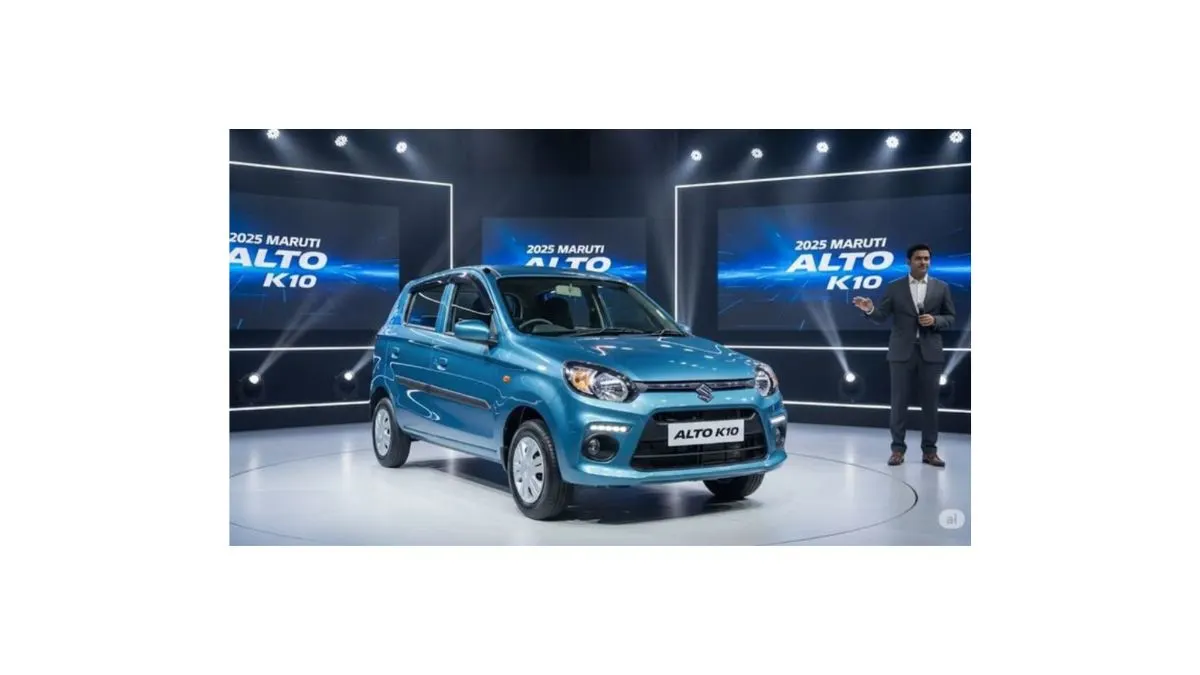
Maruti Alto K10 2025: India’s Safest, Most Efficient Hatchback Yet

2025 Maruti Alto K10 parked on city street, showcasing sleek design and modern headlights

Maruti Alto K10 2025: India’s Safest, Most Efficient Hatchback Yet

In a market where compact hatchbacks define urban mobility, the 2025 Maruti Alto K10 is setting new benchmarks. Long celebrated as India’s most affordable and reliable small car, the Alto K10 has undergone a transformation that goes far beyond cosmetic tweaks. Maruti Suzuki has turned a humble city car into a well-rounded package that blends safety, efficiency, and modern convenience—all at a price point that remains accessible to first-time buyers and small families.

Safety Finally Takes Center Stage

For decades, entry-level cars in India have been criticized for offering minimal safety features. The 2025 Alto K10 challenges that norm. With six airbags standard across all variants, it now ranks among the safest vehicles in its category. Beyond airbags, the car features Electronic Stability Program (ESP), ABS with EBD, reverse parking sensors, high-speed alerts, and 3-point seatbelts for rear passengers.

This emphasis on safety is part of Maruti’s broader “Safety Shield” initiative, signaling that affordability no longer has to come at the cost of passenger protection. For urban families, students, and even senior citizens navigating congested city streets, these upgrades could be a life-saving factor.

Efficient and Versatile Powertrain Options

The Maruti Suzuki Alto K10 retains its reliable 1.0L K-Series Dualjet petrol engine, producing 67 bhp and 89 Nm of torque—enough for smooth city commutes and occasional highway drives. Maruti offers both a 5-speed manual and a 5-speed AMT, giving buyers the flexibility to choose according to their comfort and traffic conditions.

For cost-conscious drivers, the CNG variant is a smart option. While its output drops slightly to 56 bhp, the fuel efficiency jumps impressively, with an ARAI-certified 33.85 km/kg, making it one of the most economical cars on Indian roads. Even the petrol variants deliver strong efficiency: 24.39 kmpl for the manual and 24.90 kmpl for the AMT, ensuring that daily commutes remain light on the pocket.

Design That Balances Style and Functionality

While the Alto K10 keeps its compact, practical footprint ideal for navigating tight Indian streets, it now wears a fresher, more contemporary look. Sleeker headlamps, chrome highlights, and alloy wheels on higher trims lend a youthful, modern vibe without overcomplicating the design.

Inside, the cabin receives meaningful upgrades that enhance usability and comfort. The 7-inch SmartPlay infotainment system supports Apple CarPlay and Android Auto, paired with a semi-digital instrument cluster, steering-mounted controls, and a four-speaker audio system. Features like keyless entry, front power windows, and a tidy layout give a sense of sophistication rarely seen in entry-level cars.

Competitive Pricing With Added Value

Despite these upgrades, Maruti has managed to maintain an attractive price range of ₹4.23 lakh to ₹6.21 lakh (ex-showroom). Considering that the top-end model comes with six airbags, ESP, and a CNG option, the slight price increase from the previous generation is fully justified. For Indian buyers, this means high value without breaking the budget—a critical factor in the mass-market segment.

Why the Alto K10 2025 Matters

The Alto K10 has long been synonymous with reliability, low running costs, and easy maintenance. With this update, it adds a new layer of relevance. Its enhanced safety, efficient powertrains, and modern cabin features make it a compelling choice not just for first-time buyers, but also for those upgrading from older city cars.

For Maruti Suzuki, the 2025 Alto K10 reinforces its dominance in the entry-level segment while setting a higher benchmark for competitors. For buyers, it promises peace of mind, affordability, and efficiency—a rare combination in a car under ₹6 lakh. With urban traffic congestion showing no signs of slowing, compact, safe, and fuel-efficient cars like the Alto K10 are poised to remain indispensable in India’s automotive landscape.

Looking Ahead

The 2025 Alto K10 is more than just a car—it’s a statement about how far entry-level hatchbacks have evolved. As safety, technology, and efficiency become non-negotiable even in budget cars, other manufacturers will need to raise their game. Maruti’s strategy is clear: affordability without compromise.

For consumers, this means that buying a small car today no longer requires sacrificing safety or convenience. For the industry, it signals a shift—entry-level cars are no longer “basic” by default; they can be smart, safe, and stylish, all while keeping the running costs manageable.