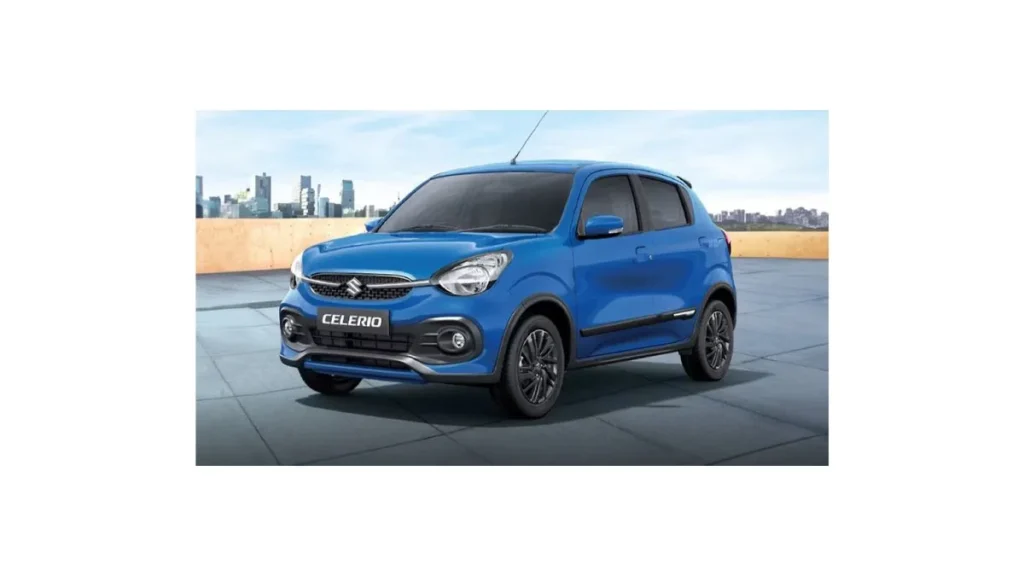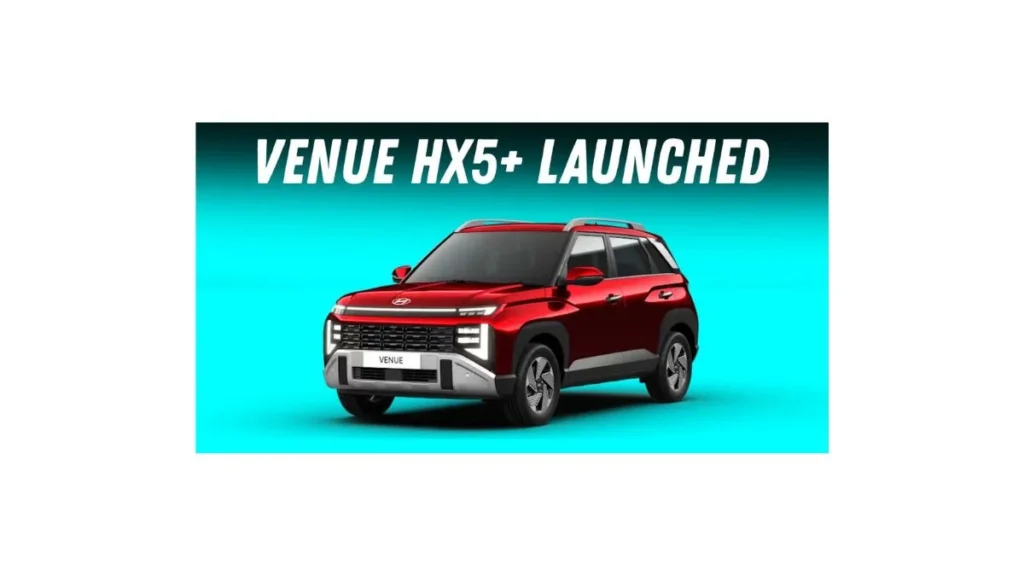
Maruti Suzuki Celerio Crash Test 2025: Three Stars, But Is It Safe Enough?

Maruti Suzuki Celerio 2025 crash test showing airbags and safety features for adults and children

Maruti Suzuki Celerio Crash Test 2025: Three Stars, But Is It Safe Enough?

India’s city roads are crowded, accidents can happen in a split second, and millions rely on the Maruti Suzuki Celerio for its compact size, fuel efficiency, and affordability. But the Maruti Celerio crash test 2025 by Global NCAP raises an important question: can this hatchback truly protect you and your family?
Despite its six-airbag variant, the Maruti Suzuki Celerio scored only three stars for adult protection and two stars for child safety. While this is an improvement over the older two-airbag model, the results show that Maruti hatchback safety still has room for improvement, especially when compared to newer models and global standards.


Maruti Celerio Crash Test 2025: Adult & Child Safety Ratings

The Celerio’s adult occupant score was 18.04/34, while child protection scored 18.57/49. Global NCAP also flagged the body shell as unstable, which means it may not withstand more severe collisions.

Key insight: Airbags help reduce injuries, but structural weakness remains a major limitation, particularly in higher-impact crashes.

For families and daily urban commuters, this is a crucial consideration. While the Celerio may perform reasonably in minor accidents, its ability to protect occupants in severe collisions is limited compared to safe hatchbacks India 2025.


Missing Safety Features

While Maruti Suzuki has included six airbags, ABS with EBD, hill hold assist, and reverse parking sensors, the Celerio lacks several modern safety essentials that are becoming standard in competitive hatchbacks:

  • Autonomous Emergency Braking (AEB)

  • Lane Assist and Speed Assist

  • Side head and pelvis airbags

  • Front knee airbags

  • ISOFIX child seat anchors and Integrated Child Restraint System (CRS)

Without these features, the Celerio falls behind in Maruti hatchback safety. Advanced driver-assist systems like AEB and lane assist are proven to reduce collisions, but the Celerio cannot offer this level of protection yet.


Child Safety Still a Weak Spot

The two-star child safety rating highlights shortcomings for family use:

  • No ISOFIX mounts for secure child seats

  • No integrated child restraint system

  • Reliance on aftermarket solutions

Parents should carefully evaluate how the Maruti Suzuki Celerio fares in terms of Celerio Global NCAP rating and child protection. Competitors in the same segment now offer better features to keep younger passengers safer.


Where the Celerio Performs Well

Despite its limitations, the Celerio isn’t entirely unsafe. The HEARTECT platform enhances structural rigidity compared to older models, helping absorb collision energy more effectively. Six airbags provide moderate protection in frontal and minor side impacts, while standard features like ABS and EBD help with emergency braking.

Additionally, its fuel efficiency and affordable price—around ₹4.69 lakh ex-showroom—make it attractive to urban commuters. This balance of economy and basic safety explains why the Maruti Suzuki Celerio remains one of India’s most popular hatchbacks.


How the Maruti Suzuki Celerio Stacks Up Against Competitors

The Indian hatchback segment is evolving rapidly. Competitors increasingly offer:

  • Side and knee airbags

  • ISOFIX mounts

  • Advanced driver-assistance systems (ADAS)

Richard Woods, CEO of Global NCAP, said:
“While newer Maruti models like Dzire and Victoris achieve five stars, legacy models such as the Celerio still fall short. Continuous safety improvements are needed across all segments.”

The Celerio remains practical and efficient, but in terms of safe hatchbacks India 2025, it lags behind rivals offering more comprehensive crash protection.


Price vs Safety: The Trade-Off

The Celerio has long been celebrated for affordability and fuel efficiency, but the crash test results show a compromise. Buyers must decide:

  • Stick with a budget-friendly, economical hatchback

  • Invest slightly more in alternatives with better structural integrity and advanced safety features

Families with children should carefully weigh the risks. Three-star adult protection and two-star child protection may not offer the peace of mind that modern Indian buyers expect.


What Maruti Suzuki Celerio Needs to Do

Global NCAP results send a clear message: safety upgrades are essential. Areas for improvement include:

  1. Stronger body structure to handle severe collisions

  2. Active safety features across all variants

  3. Enhanced child safety equipment, including ISOFIX mounts and integrated restraint systems

As Indian consumers become more safety-conscious, models failing to meet modern standards may struggle to retain market leadership, despite affordability and fuel efficiency.


Is the Celerio Safe Enough?

The Maruti Suzuki Celerio has improved over previous iterations, but its three-star adult and two-star child ratings show it still falls short of global benchmarks. ✅

  • Practical and fuel-efficient ✔

  • Affordable for city commuters ✔

  • Lacks advanced safety tech ❌

For families and urban drivers, the Maruti Suzuki Celerio offers basic protection in minor accidents but may leave gaps in severe collisions. When comparing safe hatchbacks India 2025, the Celerio may not be the top choice for those prioritizing safety over cost.

Key Takeaway: Modern hatchbacks must balance affordability, efficiency, and safety. The Maruti Suzuki Celerio crash test 2025 shows progress, but three stars might no longer be enough for complete peace of mind on Indian roads.


Quick Stats (At a Glance)

FeatureRating / Notes
Adult Safety3 Stars (18.04/34)
Child Safety2 Stars (18.57/49)
Body ShellUnstable
Airbags6 Standard
Price₹4.69 lakh ex-showroom

Why Maruti’s New Swivel Seat Makes the Wagon R More Accessible Than Ever

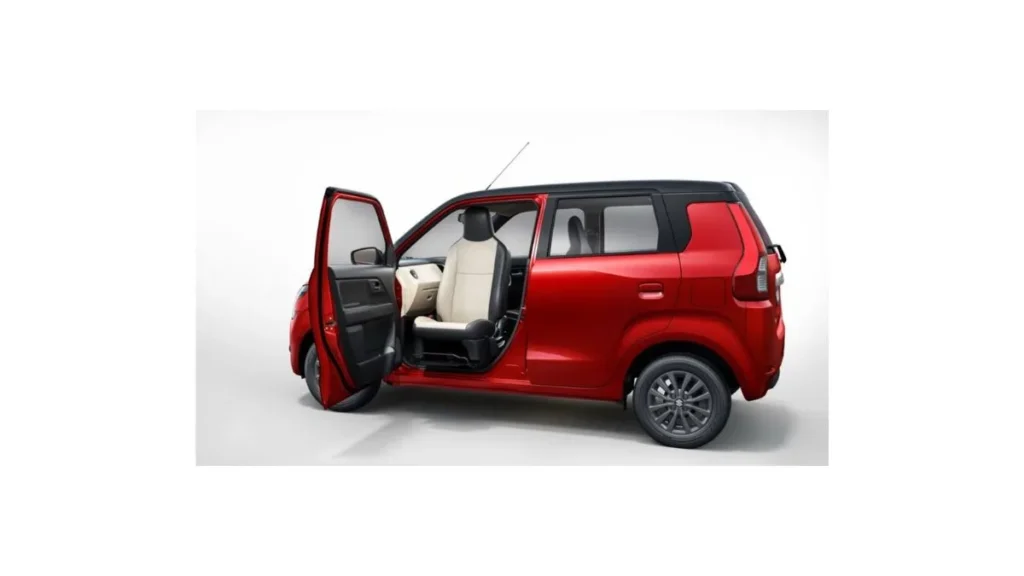
Close-up view of the swivel seat mechanism installed in a Maruti Wagon R for improved passenger accessibility

Maruti Suzuki Introduces a Swivel Seat Option for the Wagon R

In an industry obsessed with touchscreen sizes, mileage figures, and launch hype, Maruti Suzuki has done something refreshingly different. With the introduction of a swivel seat option for the Wagon R, India’s largest carmaker has chosen to solve a real, everyday problem—how easily a person can get in and out of a car.
This isn’t a cosmetic update or a feature designed to pad a brochure. It’s a practical intervention aimed squarely at senior citizens and people with limited mobility, two groups that are often overlooked in mainstream car design despite forming a growing share of India’s car-owning households.


Why This Move Actually Matters

India is aging faster than most automakers like to admit. Joint families are shrinking, nuclear households are rising, and more elderly parents now rely on personal vehicles rather than chauffeurs or public transport. At the same time, awareness around disability-friendly infrastructure is improving, but car accessibility has lagged behind.

Getting into a low, narrow hatchback like the Wagon R can be physically taxing for many—especially those with knee issues, hip replacements, or balance challenges. By allowing the seat to swivel outward, Maruti is addressing the most basic friction point in car ownership: ingress and egress.

What makes this more significant is that Maruti hasn’t positioned this as a niche, custom-built vehicle or an expensive special variant. Instead, it’s a retrofit accessory that works on both new and existing Wagon R models. That choice alone dramatically widens its real-world impact.


Thoughtful Execution, Not Gimmickry

Unlike many accessibility solutions that require permanent alterations, the Wagon R swivel seat retains the original seat structure. The kit can be installed in about an hour, without cutting or modifying the vehicle’s body or chassis. That matters for safety, warranty integrity, and resale value—three things Indian buyers care deeply about.

Maruti has also done its homework on compliance. The kit has been tested and certified by ARAI, meeting all applicable safety standards, and it carries a three-year warranty. In other words, this isn’t a dealership-level hack or aftermarket experiment—it’s a factory-approved solution.

The development partnership with Bengaluru-based startup TRUEAssist Technology is also worth noting. It signals Maruti’s increasing willingness to collaborate with specialized Indian startups rather than rely solely on in-house engineering for niche problems. That’s a healthy sign for the ecosystem.


Why the Wagon R Is the Right Car for This Feature

The Wagon R isn’t just one of Maruti’s best-selling models—it’s often the first car for middle-class families and a long-term companion for older buyers. Its tall-boy design already offers a relatively upright seating position, which makes it a logical candidate for further accessibility enhancements.

By rolling this feature out on the Maruti Suzuki Wagon R rather than a premium model, Maruti is effectively saying that inclusive design shouldn’t be reserved for expensive cars. That’s an important philosophical shift in a price-sensitive market like India.


Safety Context: Accessibility Meets Awareness

This push toward accessibility also comes at a time when Indian car buyers are becoming far more conscious of overall vehicle safety. Recent crash test outcomes—such as the Suzuki Baleno’s 2-star Latin NCAP safety result—have sparked wider conversations around how safety standards, usability, and real-world ownership experience intersect. While crash ratings measure structural protection, features like the Wagon R’s new swivel seat highlight another dimension of safety: how comfortably and confidently a person can enter, exit, and use a car every single day.


Limited Rollout—for Now

Initially, the swivel seat kit will be available at around 200 Arena dealerships across 11 cities. While that may sound restrictive, it’s a sensible pilot approach. Installation quality, staff training, and customer education will be critical to the success of such an accessory.

If demand materializes—and there’s strong reason to believe it will—expect Maruti to expand availability and potentially introduce similar solutions on other high-volume models like the Swift, Dzire, or even compact SUVs.


The Bigger Picture: Accessibility as a Product Strategy

This move hints at a broader evolution in how Indian automakers may approach product planning in the coming years. As urban buyers mature and family structures change, comfort and usability will increasingly rival performance and features in purchase decisions.

Maruti Suzuki hasn’t reinvented the Wagon R with this update. Instead, it has quietly made it more humane. And sometimes, that kind of progress matters more than any flashy launch.

For an entry-level hatchback starting under ₹5 lakh, that’s a powerful statement—and one the rest of the industry would do well to pay attention to.

India-Made Suzuki Baleno Earns 2-Star Latin NCAP Rating: What It Really Means

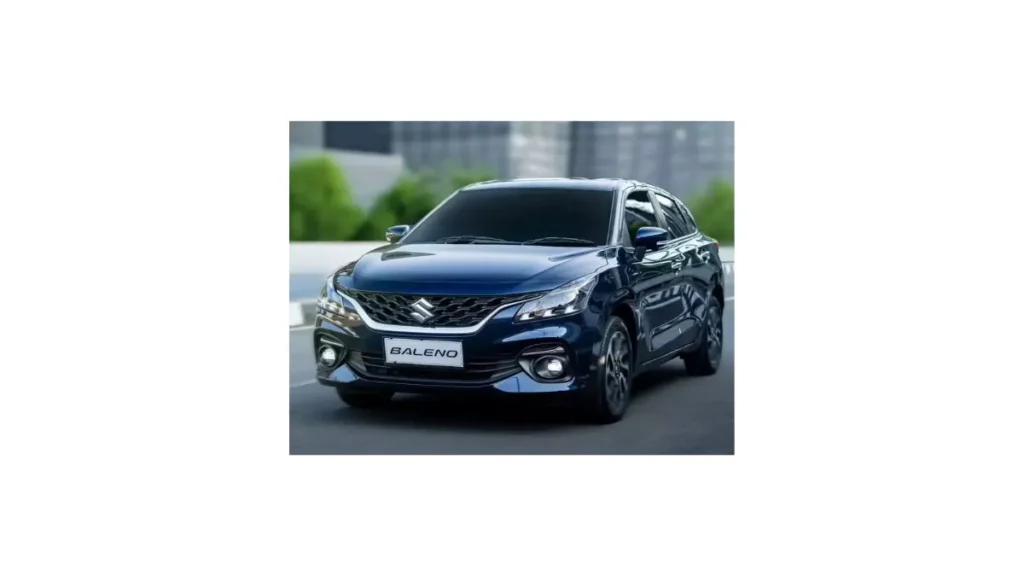
India-made Suzuki Baleno undergoing Latin NCAP crash test

Why the India-Made Suzuki Baleno Scored Only 2 Stars in Latin NCAP Tests

When an Indian-manufactured car goes up against an international crash test regime, the headline result is rarely the whole story. The Suzuki Baleno’s recent 2-star rating from Latin NCAP may look underwhelming at first glance—especially given the presence of six airbags—but the outcome reveals deeper tensions in how global safety expectations are evolving, and where mass-market cars from India still fall short.
This isn’t just about one hatchback or one scorecard. It’s about the widening gap between passive safety hardware and active safety intelligence, and how that gap increasingly determines a car’s real-world safety credibility.


Why a 2-Star Rating in 2025 Feels More Serious Than It Sounds

A decade ago, a stable bodyshell and a handful of airbags could earn manufacturers respectable safety praise. In 2025, that’s no longer enough. Latin NCAP—like Euro NCAP—now places significant weight on how well a car avoids crashes in the first place, not just how it protects occupants after impact.

The Baleno’s results underline this shift clearly:

  • Adult occupant protection: 79%

  • Child occupant protection: 65%

These are not disastrous numbers. In fact, they suggest the core structure and restraint systems are fundamentally sound. The problem lies elsewhere.


Strong Structure, Familiar Weak Spots

Crash test data shows that the Suzuki Baleno performed competently in frontal and side impacts. Head and neck protection for front occupants was rated good, and side impact performance was largely acceptable. Rear whiplash protection was also rated well—an area often overlooked in popular discussions.

However, familiar compromises emerged:

  • Marginal knee protection due to contact risks with underlying structures

  • Inconsistent protection across pedestrian impact zones

  • Limited coverage of advanced driver assistance systems (ADAS)

In isolation, none of these are deal-breakers. Together, they cap the car’s safety ceiling in modern assessments.


Child Safety: Technically Capable, Practically Limited

The Baleno’s child occupant score tells a nuanced story. Protection levels for child dummies during frontal and side tests were rated high, thanks to rearward-facing child seats and ISOFIX anchorages. The car also meets i-Size norms—an important benchmark.

But installation limitations across seating positions dragged the score down. This highlights a subtle but important issue: compliance does not always equal convenience. A car can meet regulations yet still be less forgiving in real-world child seat use, which NCAP protocols now penalise more strictly.


Where the Suzuki Baleno Really Loses Ground: Active Safety

The most significant factor behind the 2-star rating is the Baleno’s limited safety assist package.

While electronic stability control and seatbelt reminders are present, the absence of features such as:

  • Autonomous emergency braking

  • Lane-keeping assistance

  • Blind spot monitoring

  • Speed assistance systems

has a disproportionate impact on modern NCAP scores.

This reflects a broader industry reality: airbags protect you once something has gone wrong; ADAS tries to ensure it doesn’t go wrong at all. Regulators and crash test bodies are now unapologetically prioritising the latter.


Pedestrian Safety: A Growing Global Priority

Pedestrian protection remains a weak point. While the  Suzuki Baleno complies with UN127 norms and offers decent lower-leg protection, upper-leg and A-pillar performance pulled scores down.

In markets with dense urban traffic—ironically, like India—this area is becoming increasingly important. Yet it remains one of the least addressed aspects in affordable car design.


What This Means for Indian Buyers (and What It Doesn’t)

It’s crucial to note that Latin NCAP results apply only to Latin American market cars, and specifications may differ from India-bound models. This result does not automatically define the safety level of the Suzuki  Baleno sold in India.

However, it does raise an uncomfortable but necessary question:
If an export-spec, six-airbag-equipped car still struggles to move beyond two stars internationally, how future-ready is the underlying platform?


The Bigger Picture: Safety Is No Longer Modular

The Suzuki Baleno’s performance reflects an industry caught mid-transition. Adding airbags and reinforcing structures is no longer enough to satisfy global benchmarks. Safety is becoming systemic, not modular.

Manufacturers that want higher ratings—and long-term trust—will need to:

  • Integrate ADAS at lower price points

  • Improve pedestrian impact engineering

  • Design interiors that support error-free child seat installation

  • Think beyond regulation compliance toward scenario-based safety


Final Take: Not a Failure, But a Warning Sign

The India-made Suzuki Baleno’s 2-star Latin NCAP rating isn’t a collapse of engineering competence. It’s a signal that the rules of the safety game have changed.

Cars that rely primarily on passive protection will increasingly find themselves capped in global evaluations, regardless of structural strength or airbag count. For manufacturers—and consumers alike—the message is clear: the future of safety lies not just in surviving crashes, but in preventing them.

And in that future, incremental upgrades may no longer be enough.

Why the Maruti Suzuki Victoris Feels Built for Real-World Driving

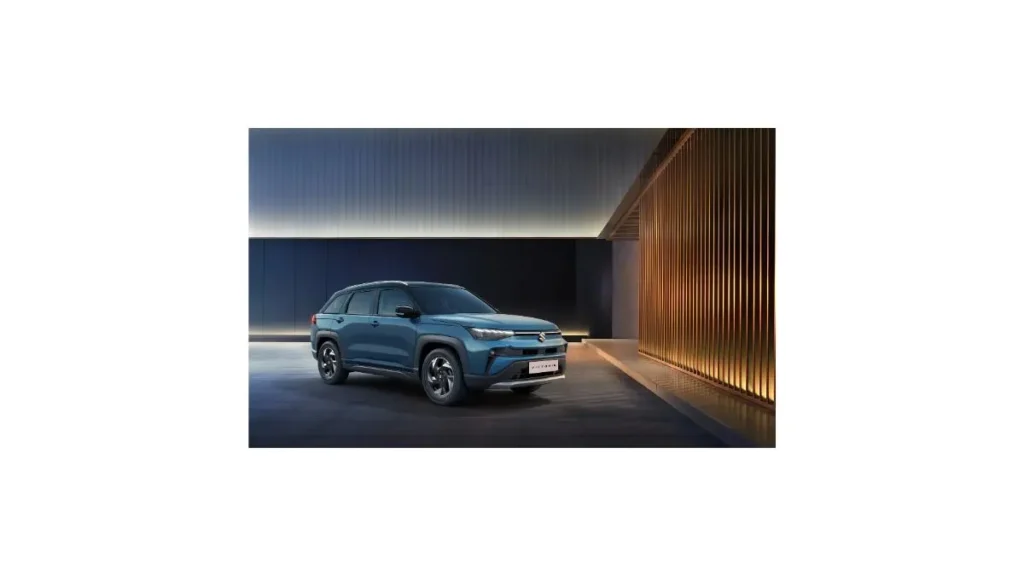
Maruti Suzuki Victoris showcasing modern design and premium interior

Maruti Suzuki Victoris: Why It Feels Like a Smarter, Safer Everyday Car

For decades, Indian car buying has revolved around checklists—mileage figures, resale value, service reach. Emotional appeal usually came later, if at all. The Maruti Suzuki Victoris arrives at a moment when that formula is no longer enough. Buyers now expect cars to fit naturally into how they live, move, and express themselves—not just transport them efficiently.

The Victoris doesn’t announce this shift loudly. It doesn’t chase gimmicks or headline-grabbing numbers. Instead, it reflects a quieter change in priorities: the idea that everyday driving can feel considered, personal, and reassuring without becoming indulgent or impractical.


Design That Doesn’t Chase Trends—but Still Feels Current

The Victoris’ design philosophy is restrained confidence. In a market crowded with aggressive grilles and exaggerated creases, Maruti Suzuki has opted for balance. The proportions are clean, the surfaces sculpted but not busy, and the lighting elements modern without appearing gimmicky.

This matters because Indian buyers are keeping cars longer than before. A design that ages well—rather than one that screams “new”—has real value. The Maruti Suzuki Victoris seems designed to look relevant five years from now, not just impressive on launch day.

Step inside, and the theme continues. The cabin avoids the trap of flashy novelty. Instead, it focuses on tactile quality, intuitive layout, and a sense of calm. The infotainment screen is prominent but not intrusive, controls fall easily to hand, and ambient lighting is used to enhance the space rather than dominate it. It’s an interior designed for living with, not just showing off.


Powertrains Chosen for Real India, Not Brochures

Under the hood, the Maruti Suzuki Victoris doesn’t chase extreme outputs or experimental tech. Instead, it doubles down on refinement and choice. The 1.5-litre engine is offered in mild-hybrid, smart-hybrid, and CNG configurations—each addressing a different kind of Indian buyer.

This flexibility is significant. As fuel prices fluctuate and regulations evolve, buyers are hedging their bets. Maruti Suzuki’s approach acknowledges that there is no single “correct” powertrain right now. Some want efficiency with familiarity, others want lower running costs, and many want a blend of both.

On the road, the Maruti Suzuki Victoris prioritises ease. Light steering, predictable responses, and a suspension tuned for mixed road conditions make it a car that reduces fatigue rather than demanding attention. It’s not trying to turn every commute into a performance event—and that restraint is precisely its strength.


Technology That Feels Integrated, Not Overwhelming

Modern car tech often suffers from excess. Screens get bigger, features multiply, but usability suffers. The Victoris largely avoids this pitfall. Its connected car features, wireless smartphone integration, voice commands, and navigation are designed to work quietly in the background.

The inclusion of a Dolby Atmos spatial audio system is an interesting choice. It’s not essential—but it signals a shift in priorities. Cars are becoming personal spaces: for calls, music, podcasts, and moments of solitude. Sound quality, once an afterthought, is now part of the ownership experience.

This kind of technology focus suggests Maruti Suzuki understands how younger buyers interact with their cars—not as machines to be mastered, but as extensions of daily life.


Safety as a Baseline, Not a Selling Gimmick

Perhaps the most telling aspect of the Victoris is its safety positioning. A 5-star crash rating from both Bharat NCAP and Global NCAP places it firmly in a new category for mass-market cars.

What’s important here isn’t just the rating—it’s the normalisation of high safety standards. Features like multiple airbags, ESP, hill-hold assist, and a rigid body structure are presented as integral, not optional upgrades.

The Maruti Suzuki Victoris treats it as a given, and that alone makes it a marker of changing consumer expectations.


Space That Serves Real Life, Not Marketing Photos

Versatility is where the Maruti Suzuki Victoris quietly excels. The cabin layout, rear-seat comfort, and luggage flexibility all point to a car designed around unpredictability—weekday commutes, sudden grocery runs, unplanned road trips.

It’s not just about volume figures or seat dimensions. It’s about how naturally the space adapts. The Victoris feels ready for movement, change, and spontaneity—qualities that increasingly define how urban India lives.


What the Maruti Suzuki Victoris Really Represents

The Maruti Suzuki Victoris isn’t revolutionary in isolation. It doesn’t introduce radical new technology or redefine a segment overnight. Its importance lies elsewhere.

It represents a maturing market—one where buyers expect comfort, safety, technology, and efficiency to coexist without compromise. It reflects Maruti Suzuki’s understanding that today’s drivers don’t want a car that dominates their identity; they want one that fits seamlessly into it.

In that sense, the Victoris isn’t selling excitement. It’s selling assurance—the confidence that every journey, ordinary or otherwise, will feel considered and complete.

And in a market that’s finally moving beyond mere transportation, that may be its most forward-thinking feature.