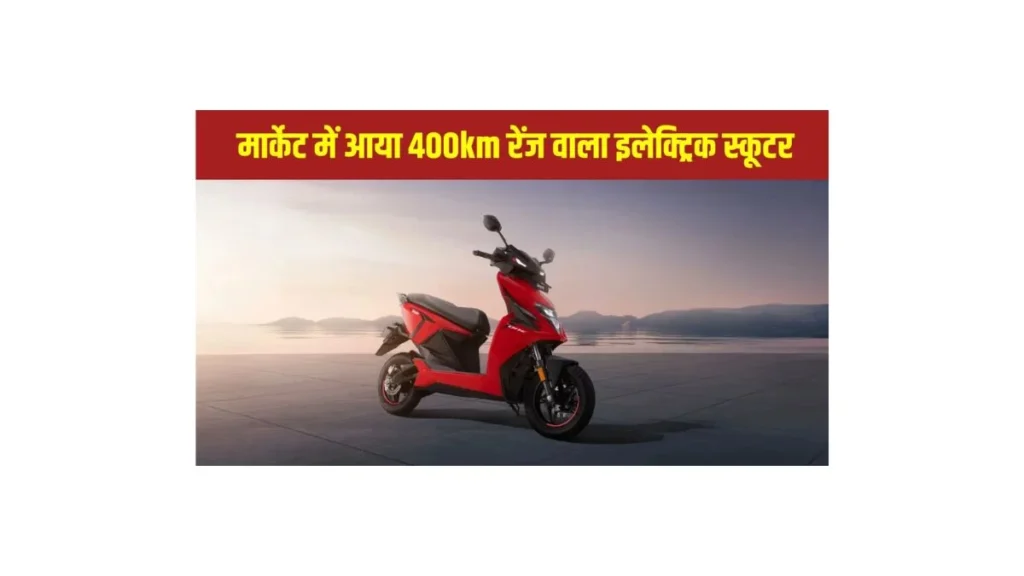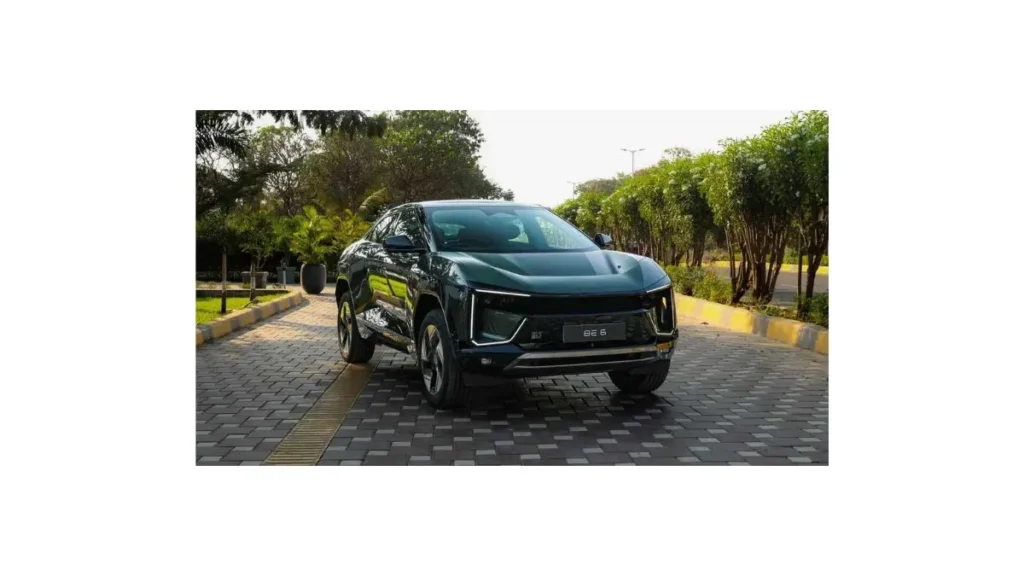
Simple One Gen 2 Electric Scooter 2026: Insane 265km Range, Powerful Performance & Smart Tech Explained

Simple One Gen 2 electric scooter 2026 with long range battery and smart touchscreen display

Simple One Gen 2 Review 2026: India’s Long-Range Electric Scooter With Serious Performance

The Simple One Gen 2 marks a major leap forward for electric scooters in India. Designed for riders who want long range, strong acceleration, smart connectivity, and everyday practicality, this Gen 2 model refines everything Simple Energy learned from its first launch. With a claimed range of up to 265 km, performance that rivals petrol scooters, and features usually reserved for premium EVs, the Simple One Gen 2 aims to solve the biggest EV pain points in one package. Here’s a deep 2026-ready breakdown of its specs, features, real-world usability, pricing, and ownership experience.
What Is Simple One Gen 2?

The Simple One Gen 2 is the latest flagship electric scooter from Simple Energy, an Indian EV startup focused on long-range electric mobility. Unlike incremental updates, Gen 2 introduces mechanical improvements, smarter electronics, and a more balanced riding experience, making it more suitable for both daily commuting and longer urban runs.

It sits in the premium electric scooter segment, directly competing with Ather, Ola S1 Pro, and TVS iQube ST, but positions itself uniquely with class-leading range figures.


Battery, Range & Charging

Range anxiety remains the biggest concern for EV buyers and this is where the Simple One Gen 2 clearly stands out.

Battery Options

Simple One Gen 2 is offered with multiple battery configurations, catering to different usage patterns:

  • 4.5 kWh battery pack

  • 5.0 kWh battery pack (top variant)

Claimed Range (IDC)

  • 4.5 kWh: Up to 236 km

  • 5.0 kWh: Up to 265 km

In real-world mixed riding conditions, users can expect 180–210 km, which is still among the highest in the segment.

Charging Time

  • Standard home charger

  • 0–80%: Approx. 4–5 hours

  • Full charge: Around 6 hours

The scooter supports regenerative braking, which helps extend real-world range in city traffic.


Motor, Performance & Speed

Electric scooters are no longer just about efficiency performance matters, and the Simple One Gen 2 delivers confidently.

Motor Output

  • Peak power: Up to 8.8 kW

  • Peak torque: Up to 72 Nm

Acceleration & Top Speed

  • 0–40 km/h: As quick as 2.5 seconds

  • Top speed: Up to 115 km/h (performance mode)

This makes the Simple One Gen 2 one of the fastest electric scooters in India, suitable even for short highway stretches.


Riding Modes & Real-World Behavior

The scooter features six riding modes, each designed for a specific use case:

  • Eco X

  • Eco

  • Ride

  • Dash

  • Sonic

  • Sonic X

Eco modes maximize range, while Sonic modes unlock full performance. The power delivery feels smoother and more predictable than earlier models, especially in stop-and-go traffic.


Design, Build Quality & Comfort

The Gen 2 version focuses heavily on daily usability improvements.

Ergonomics

  • Lower seat height (~780 mm) improves confidence for shorter riders

  • Wide seat with better cushioning

  • Upright riding posture

Storage & Practicality

  • 35-litre under-seat storage, enough for a full-face helmet

  • Flat footboard for bags and groceries

  • USB charging port

Ride Quality

Reworked suspension tuning offers:

  • Better bump absorption

  • Improved stability at higher speeds

  • Reduced vibration over broken city roads


Smart Features & Technology

The Simple One Gen 2 is among the most tech-loaded electric scooters in its price range.

Key Tech Features

  • 7-inch touchscreen TFT display

  • Built-in navigation

  • Bluetooth & LTE connectivity

  • Smartphone app integration

  • Over-the-air (OTA) updates

  • Find My Vehicle

  • Remote lock/unlock

  • Tyre Pressure Monitoring System (TPMS)

The interface is clean, responsive, and far more intuitive than earlier Simple scooters.


Safety & Braking

Safety upgrades are another highlight of the Gen 2 update.

  • Disc brakes on both wheels

  • Combined Braking System (CBS)

  • Traction control system

  • Multiple levels of regenerative braking

  • IP-rated battery and electronics for water resistance

These features make it suitable for Indian road and weather conditions.


Price in India (2026 Expected)

Ex-showroom pricing (approximate):

  • Simple One Gen 2 (4.5 kWh): ₹1.65 – ₹1.70 lakh

  • Simple One Gen 2 (5.0 kWh): ₹1.75 – ₹1.80 lakh

Prices may vary by state depending on EV subsidies and registration costs.


How Simple One Gen 2 Compares

Compared to rivals:

  • Better range than Ather and TVS

  • Similar performance to Ola S1 Pro

  • More advanced riding modes than most competitors

Its biggest advantage remains long-distance usability without daily charging.


Who Should Buy Simple One Gen 2?

This scooter is ideal for:

  • Daily commuters with long travel distances

  • Riders upgrading from petrol scooters

  • Users who want performance + range

  • Tech-savvy buyers who value smart features

It may not be ideal for those seeking the cheapest EV, but it offers strong long-term value.

Frequently Asked Questions

Is Simple One Gen 2 good for daily commuting?

Yes, especially for riders covering 30–60 km daily, thanks to its long range and smooth power delivery.

What is the real-world range?

Expect 180–210 km in mixed city riding depending on mode and load.

Does it support fast charging?

It currently supports standard home charging, optimized for battery longevity.

Is it suitable for highway use?

Short highway runs are possible due to its high top speed, but it’s primarily designed for urban riding.

What warranty does it offer?

Simple Energy offers long-term warranty options on the battery and motor, depending on region and purchase plan.

Final Verdict

The Simple One Gen 2 is not just an update — it’s a mature, well-rounded electric scooter that finally balances range, performance, comfort, and smart technology. In 2026, it stands as one of the strongest choices for buyers who want to go electric without compromising on convenience or confidence. If long range is your top priority, the Simple One Gen 2 deserves serious consideration.

TVS iQube Electric Scooter 2025: Price, Range, Variants & Why It’s India’s Smartest EV Choice

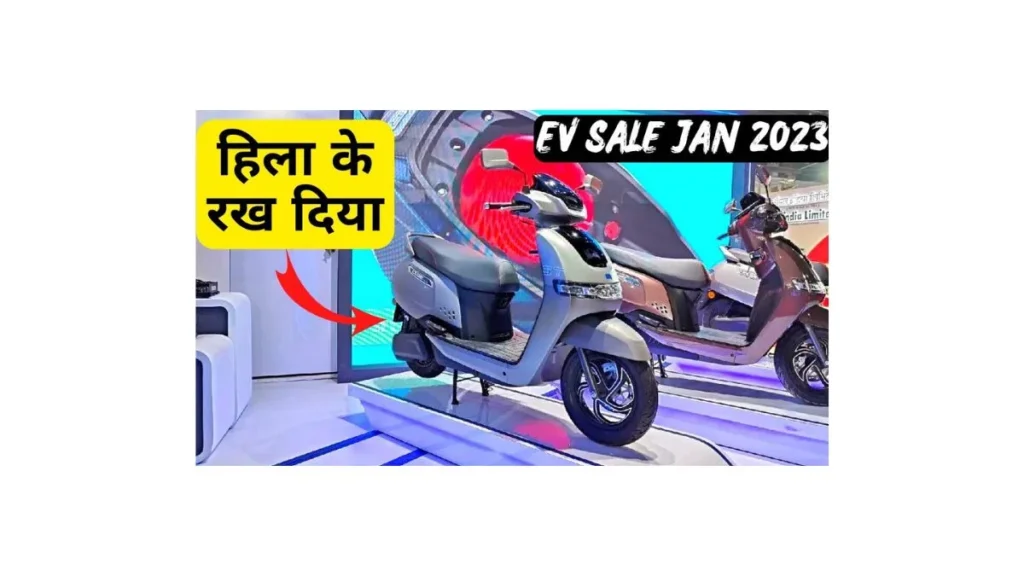
: TVS iQube Electric scooter with smart digital dashboard and LED lighting

TVS iQube Electric: India’s Most Practical Electric Scooter for Daily Commuters

The TVS iQube Electric has emerged as one of India’s most sensible and reliable electric scooters for everyday city use. Designed with Indian commuting needs in mind, it offers a perfect balance of real-world range, smooth performance, and smart connectivity. With multiple battery options, comfortable ride quality, and a trusted TVS service network, the iQube suits office-goers, families, and first-time EV buyers alike. Its refined acceleration, low running cost, and practical features make daily travel effortless, while competitive pricing and government EV benefits add to its strong value proposition. For commuters seeking a stress-free electric scooter, the TVS iQube stands out as a dependable choice.
Why TVS iQube Electric Matters in India’s EV Revolution

The TVS iQube Electric is not just another electric scooter — it represents TVS Motor Company’s clear understanding of what Indian riders actually need. While many EVs chase flashy designs or extreme performance numbers, the iQube focuses on reliability, comfort, real-world range, and strong after-sales support.

This approach has helped the TVS iQube become one of the top-selling electric scooters in India, trusted by families, office commuters, and first-time EV buyers alike.


TVS iQube Electric Battery Variants & Range

TVS offers the iQube in multiple battery options, making it suitable for both short city commutes and longer daily rides.

VariantBattery CapacityClaimed Range (IDC)
iQube Base2.2 kWh~94 km
iQube Standard3.1 kWh~123 km
iQube S3.5 kWh~145 km
iQube ST5.3 kWh~212 km

🔍 Real-world range:
Expect around 70–170 km, depending on variant, traffic, riding mode, and load — still among the best in its segment.


Performance & Riding Experience

  • Motor: BLDC Hub Motor

  • Power Output: 4.4 kW

  • Torque: ~140 Nm

  • Top Speed: 75–82 km/h

  • 0–40 km/h: ~4.2 seconds

The iQube delivers smooth, silent acceleration, perfect for stop-and-go city traffic. The ride quality is plush, and the suspension is tuned for Indian roads.


Charging Time & Convenience

Battery0–80% Charging Time
2.2 kWh~2h 45m
3.1 kWh~4h
3.5 kWh~3–4h
5.3 kWh~4h 18m

✔ Home charging supported
✔ Portable charger included
✔ Public charging compatible


Smart Features & Technology

Depending on the variant, TVS iQube Electric offers:

  • 5-inch / 7-inch TFT digital display

  • Bluetooth & smartphone connectivity

  • Turn-by-turn navigation

  • Call & SMS alerts

  • Ride statistics & battery analytics

  • Geo-fencing & anti-theft alerts

  • OTA software updates

  • Eco & Power ride modes

The iQube ST adds a larger touchscreen and enhanced connected tech.


TVS iQube Electric Price in India (Ex-Showroom)

VariantPrice (Approx)
iQube 2.2 kWh₹94,000
iQube 3.1 kWh₹1.10 lakh
iQube S 3.5 kWh₹1.28 lakh
iQube ST 5.3 kWh₹1.58 lakh

💡 Prices benefit from 5% GST and applicable EV incentives.


Who Should Buy the TVS iQube Electric?

Perfect for:

  • Daily city commuters

  • Families looking for a safe EV

  • Riders prioritizing reliability over hype

  • Buyers wanting strong service network

⚠️ Not ideal if:

  • You want aggressive sporty styling

  • You prefer removable batteries


Final Verdict: Is TVS iQube Electric Worth Buying?

Absolutely. The TVS iQube Electric stands out as one of the most balanced electric scooters in India. It may not be the flashiest EV on the road, but it excels where it matters most — range reliability, comfort, brand trust, and ownership peace of mind.

If you want a no-nonsense electric scooter that simply works every day, the iQube is one of the safest bets in 2025.

TVS iQube Electric – Frequently Asked Questions (FAQ)

1. What is the real-world range of the TVS iQube Electric?

The real-world range of the TVS iQube Electric varies by variant and riding conditions. On average, users can expect 70–90 km from the 2.2 kWh version, 100–120 km from the 3.1 kWh variant, and up to 160–170 km from the 5.3 kWh iQube ST in city usage.


2. What is the price of TVS iQube Electric in India?

The TVS iQube Electric price in India starts at around ₹94,000 (ex-showroom) for the base variant and goes up to approximately ₹1.58 lakh for the top-end iQube ST, excluding insurance and registration.


3. How long does it take to charge the TVS iQube Electric?

Charging time depends on the battery size. The smaller battery charges to 80% in about 2 hours 45 minutes, while the larger 5.3 kWh battery takes around 4–4.5 hours using a standard home charger.


4. Is the TVS iQube suitable for daily office commuting?

Yes. The TVS iQube is ideal for daily commuting thanks to its comfortable ride quality, smooth acceleration, low running cost, and reliable range, making it perfect for urban traffic conditions.


5. What is the top speed of the TVS iQube Electric?

The TVS iQube has a top speed ranging between 75 km/h and 82 km/h, depending on the variant and ride mode.


6. Does TVS iQube Electric support fast charging?

Currently, the TVS iQube does not support DC fast charging. It uses AC home charging, which is convenient and battery-friendly for daily use.


7. What smart features are available in the TVS iQube Electric?

Key features include a digital TFT display, Bluetooth connectivity, navigation assist, call & SMS alerts, geo-fencing, anti-theft alerts, ride statistics, and OTA updates, depending on the variant.


8. Is TVS iQube Electric better than Ola S1 or Ather 450X?

The TVS iQube Electric focuses more on comfort, reliability, and service support, while rivals like Ola and Ather emphasize performance and technology. Buyers looking for a hassle-free ownership experience often prefer the iQube.


9. What is the warranty on TVS iQube Electric battery?

TVS offers a standard battery warranty (usually 3 years or a specified km limit), which may vary by variant and location. Always confirm with the dealer at purchase.


10. Is the TVS iQube worth buying in 2025?

Yes. In 2025, the TVS iQube remains one of the most practical and dependable electric scooters in India, especially for buyers prioritizing daily usability, comfort, and peace of mind.

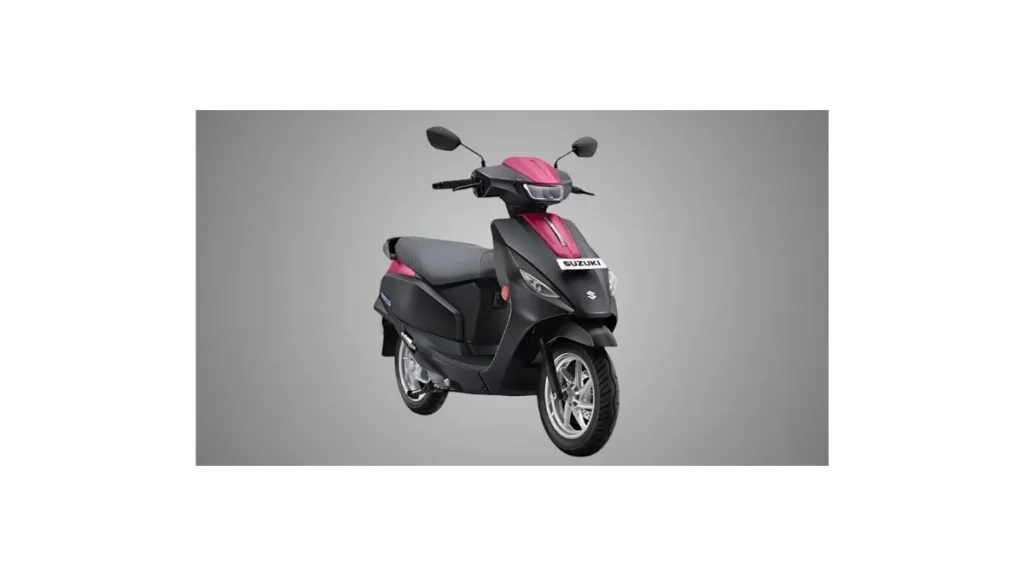
Suzuki e Access Review: 7 Reasons This Smart Electric Scooter Fits Indian Cities

Suzuki e Access electric scooter review showing commuter focused design for Indian city roads

Suzuki e Access Review: Why This No Nonsense Electric Scooter Makes Sense for Indian Cities

India’s electric two wheeler market has quietly crossed a turning point. What was once driven by early adopters and tech curious buyers is now being shaped by everyday commuters who care less about novelty and more about reliability, running costs, and stress free ownership. That shift explains why the Suzuki e Access feels timely rather than experimental.

Unveiled at the 2025 India Mobility Expo, the Suzuki e Access is the brand’s first fully electric scooter for India. Instead of chasing eye catching specs or disruptive styling, Suzuki has chosen a conservative, commuter focused route. The result is an electric scooter built for people who actually ride every day, not just those comparing spec sheets.

This Suzuki e Access review looks past launch buzz to explain why this understated scooter could play a bigger role in India’s EV story than many flashier rivals.


Why the Suzuki e Access Matters in India’s EV Transition

Electrifying the Access nameplate is a calculated move. The Access brand already carries trust among Indian families, office goers, and middle aged riders who value durability and predictability over experimentation.

The Suzuki e Access does not attempt to redefine electric mobility. Instead, it aims to make electric scooters feel normal, familiar, and easy to live with. That approach matters because India’s biggest EV challenge is not technology but long term adoption.

For riders moving away from petrol scooters due to rising fuel prices and tightening urban regulations, the Suzuki e Access feels like a logical upgrade rather than a risky leap.


Battery and Range Built for Real World City Riding

At the heart of the Suzuki e Access sits a 3.07 kWh Lithium Iron Phosphate battery, chosen for its thermal stability, safety, and longer lifespan.

Suzuki claims a 95 km real world riding range, which realistically covers:

  • Daily office commutes

  • School and college travel

  • Grocery runs and short urban hops

Importantly, this range feels grounded rather than optimistic, aligning better with actual Indian riding conditions.


Charging Convenience Addresses a Key Indian Pain Point

Charging flexibility is one of the strongest practical advantages of the Suzuki e Access.

  • Standard portable charging: around 6 hours 42 minutes

  • Fast charging support: around 2 hours 12 minutes

This dual charging option is crucial in a country where home charging setups are inconsistent. Riders can comfortably charge overnight or quickly top up during the day without planning their life around a charger.


Performance Tuned for Daily Use, Not Drama

With a top speed of 71 km per hour, the Suzuki e Access is clearly designed for city traffic and suburban roads rather than thrill seeking.

Acceleration is smooth and predictable, making it easier for first time EV riders, senior users, and anyone transitioning from a petrol scooter. In congested Indian traffic, this controlled performance is a feature, not a compromise.


Familiar Design That Prioritizes Function

Suzuki has intentionally avoided radical styling. The e Access maintains a compact body, upright riding posture, and easy handling characteristics.

This design works well for:

  • Narrow urban streets

  • Traffic filtering

  • Stress free parking

  • Riders across age groups

The focus remains usability and comfort, not visual drama.


Ride Comfort and Ownership Practicality

The Suzuki e Access is tuned for comfort rather than sportiness. Its lightweight construction and balanced chassis make it easy to maneuver, while the suspension setup handles uneven city roads confidently.

Low maintenance is another major advantage. With fewer moving parts than petrol scooters, long term ownership costs are expected to stay predictable and manageable.


Suzuki’s Broader Electric Mobility Strategy

The Suzuki e Access is part of a larger electrification roadmap. Alongside this scooter, Suzuki showcased:

  • Electric scooters for urban mobility

  • Flex fuel motorcycles for gradual transition

  • Electric cars like the Maruti Suzuki e Vitara

This layered strategy shows Suzuki understands that India’s EV adoption will be gradual, infrastructure driven, and practical rather than sudden.

For buyers, this also translates into long term service support, parts availability, and ecosystem stability.


Expert Take: Why This Conservative Approach Works

From an industry standpoint, the Suzuki e Access follows a proven formula:

  • Realistic range that users can trust

  • Proven battery chemistry focused on safety

  • Familiar design that reduces adoption anxiety

  • A wide service network backing the product

Instead of chasing early adopters, Suzuki is targeting mass acceptance, similar to how petrol scooters originally gained popularity in India.


Suzuki e Access Review Verdict

The Suzuki e Access may not be the fastest or most feature packed electric scooter on sale, but that is not its goal.

It is built for:

  • Office commuters

  • Families upgrading from petrol scooters

  • First time electric vehicle buyers

  • Riders who value reliability over experimentation

With a practical range, flexible charging, predictable performance, and Suzuki’s trusted after sales network, the e Access positions itself as a sensible electric scooter for everyday Indian cities.

As electric mobility matures, products like this are more likely to drive real adoption than short lived hype.

Vida DIRT E K3 Explained Why This Kids Electric Motorcycle Signals the Future of Riding

Vida DIRT E K3 kids electric motorcycle designed for young riders with adjustable frame and safety focused electric power

Vida DIRT E K3 Is Redefining How Young Riders Enter Motorcycling

When conversations around the future of mobility begin, they usually focus on battery chemistry, faster charging, or connected dashboards. The launch of the Vida DIRT E K3 shifts that conversation in a more fundamental direction by questioning who mobility is being built for and how early that journey should begin.

With this electric motorcycle, Vida, Hero MotoCorp’s electric mobility brand, has entered a space that has long been ignored in India: purpose built motorcycling for children. The Vida DIRT E K3 is not a toy and not a scaled down novelty. It is a carefully engineered riding platform designed to introduce confidence, skill development, and electric mobility at the earliest stage of a rider’s life.

This approach makes the launch far more significant than its price tag might suggest.


Why the Vida DIRT E K3 Matters More Than It Appears

At first glance, a child focused electric motorcycle priced at under seventy thousand rupees may seem like a niche product. In reality, the Vida DIRT E K3 represents long term thinking that most manufacturers rarely attempt.

Motorcycling culture is built through early exposure. Riders do not suddenly become enthusiasts at adulthood. They grow into it through first experiences, gradual learning, and emotional connection. By introducing a structured and safe first riding experience, Vida is investing in future riders before they become buyers.

Globally, youth off road motorcycles have played a critical role in building motorsport and recreational riding ecosystems. India, despite being one of the largest two wheeler markets in the world, has largely ignored this foundation layer. The Vida DIRT E K3 quietly fills that gap.


A Motorcycle That Grows Instead of Being Replaced

The most defining idea behind the Vida DIRT E K3 is its size adaptive design philosophy. Children outgrow vehicles quickly, which often forces parents into frequent replacements. Vida has addressed this problem directly.

The motorcycle features a three stage adjustable system that allows it to transform across small, medium, and large configurations using a single tool. Seat height, wheelbase, and frame dimensions scale while maintaining consistent riding ergonomics.

This means one motorcycle can remain relevant across multiple years of growth. Skill development continues naturally instead of restarting with every upgrade. The Vida DIRT E K3 becomes a learning platform rather than a short term purchase.


Performance Designed for Skill Building Not Speed

On paper, the Vida DIRT E K3 does not chase aggressive performance numbers. It uses a 350 watt continuous motor with a 500 watt peak output paired with a removable 360 watt hour battery. This restraint is intentional.

The motorcycle focuses on controlled progression through three riding modes. Beginner mode limits speed to eight kilometers per hour, Amateur mode increases it to sixteen, and Pro mode allows up to twenty five kilometers per hour.

This staged learning curve mirrors how riding skills are developed in the real world. Balance, throttle control, and braking confidence come before speed. Parents can manage riding modes and speed limits through app enabled controls, ensuring supervision remains part of the experience.

Charging takes about three hours, and riding time extends up to three hours depending on terrain and riding mode. This aligns well with how children actually ride, in focused sessions rather than extended journeys.


Safety Is Central to the Vida DIRT E K3 Philosophy

Safety is not an accessory on the Vida DIRT E K3. It is the core product philosophy.

The motorcycle includes a magnetic lanyard based kill switch that immediately cuts power if the rider separates from the bike. Controls are scaled specifically for children, including brake levers that require less force and offer better modulation.

The wiring harness is over molded, and the battery enclosure is sealed to protect against dust and moisture. Impact absorbing components are designed to handle real world falls rather than showroom conditions.

A hydraulic rear disc brake further reinforces that this is a serious riding machine built for learning responsibly.


Design Credibility With Global Validation

The Vida DIRT E K3 is not just functionally impressive. It has received international recognition, including the Red Dot Design Award 2025 and CES Innovation Award Honoree 2026.

These accolades indicate that the product was developed with a global benchmark in mind. It was conceptualized and engineered across Hero MotoCorp’s international research ecosystem, including facilities in Germany and Jaipur, before production at the Tirupati manufacturing plant.

This level of investment suggests that the Vida DIRT E K3 is part of a long term roadmap rather than a limited experiment.


Building Riders Before Building Demand

Perhaps the most important implication of the Vida DIRT E K3 lies beyond the product itself.

By introducing electric motorcycling at a young age, Vida is normalizing electric mobility as the default experience rather than an alternative. Children who learn on electric motorcycles will grow up viewing electric powertrains as natural, not transitional.

This strategy creates early brand loyalty, emotional connection, and long term familiarity. In a decade, today’s young riders will become the primary buyers shaping the two wheeler market. Vida is positioning itself to be part of that journey from the very beginning.


Availability and What Lies Ahead

The introductory price of sixty nine thousand nine hundred ninety rupees applies to the first three hundred units, with deliveries beginning in January 2026. Initial availability across select cities suggests a controlled rollout focused on ecosystem readiness.

If Vida expands this lineup further, the Vida DIRT E K3 could mark the beginning of a structured youth to adult electric motorcycling pathway in India.


Final Take

The Vida DIRT E K3 lays the foundation for a lifetime of riding confidence. For those ready to graduate from introductory EVs to adult electric scooters, our Vida VX2 electric scooter ultimate review breaks down features, performance, and real world ownership insights.

By prioritizing safety, adaptability, learning, and sustainability, the Vida DIRT E K3 proves that the future of riding is not defined by horsepower alone. It is defined by confidence, curiosity, and the right first experience.

And that is a powerful place to start.


Numeros n First Electric Scooter Launch in India Why This Urban EV Stands Out

Numeros n First electric scooter in India with 16 inch wheels, smooth urban ride and practical design for city commuters

Numeros n First Electric Scooter Is A Practical EV Choice For Indian Commuters

India’s electric scooter market has reached a strange phase. At one end, premium electric scooters are pushing past petrol price territory. At the other, budget options often compromise on design, ride quality, or long term usability. The launch of the Numeros n First quietly attempts to occupy the space most startups struggle with: the first serious electric scooter for everyday urban riders.

Priced at ₹64,999 for early buyers, the Numeros n First is not trying to shock the market with extreme range claims or futuristic theatrics. Instead, it makes a more grounded promise. It aims to make electric mobility approachable, mechanically familiar, and visually distinct for users transitioning from petrol scooters.

That intent is what makes this launch worth paying attention to.


Why This Launch Matters in a Crowded EV Market

The electric scooter space in India is no longer short on options. What it lacks is clarity. Many buyers remain unsure whether an EV can genuinely replace their daily petrol scooter without introducing new anxieties around reliability, charging, or service.

The Numeros n First addresses this hesitation by sticking to fundamentals rather than chasing extremes. Its pricing places it well below most mainstream electric scooters, yet its mechanical layout and ride focused design signal seriousness rather than compromise.

For a large section of Indian commuters, especially in Tier two and Tier three cities, this balance matters more than headline numbers.


Design That Feels Familiar Yet Purposeful

One of the most interesting aspects of the Numeros n First is how intentionally conventional it looks. The round headlamp, compact front apron, and clean body panels feel approachable rather than experimental. This is a scooter designed not to intimidate first time EV buyers.

The choice of 16 inch wheels is especially notable. Larger wheels are rare in this segment, yet they significantly improve ride stability, pothole handling, and straight line confidence. In everyday Indian conditions, this decision could matter more than cosmetic flair.

The overall design suggests that Numeros prioritized road behavior and usability over showroom drama.


Variants Built Around Real World Use Not Marketing Claims

Instead of overwhelming buyers with dozens of confusing configurations, Numeros has structured the n First lineup around practical range and battery capacity needs.

The top variant offers a claimed IDC range of 109 kilometers, while the smaller battery versions promise up to 91 kilometers. These numbers are realistic for urban use rather than aspirational figures that collapse under real riding conditions.

More importantly, the use of liquid immersion cooled batteries in select variants points to a focus on thermal stability and longevity, two factors that directly impact long term ownership satisfaction in Indian weather.


Mid Drive Motor Choice Signals Engineering Intent

Unlike many scooters that rely on hub motors for simplicity, the Numeros n First uses a mid drive PMSM motor paired with a chain transmission. This choice adds mechanical complexity, but it also improves weight distribution, efficiency, and ride feel.

For riders, this translates into smoother throttle response and better control at low speeds, which is crucial in traffic heavy environments. A top speed of 70 kilometers per hour keeps the scooter firmly within urban limits while remaining usable on open stretches.

Over the air updates further suggest that Numeros is thinking beyond launch day and into lifecycle improvements.


Charging and Ownership Reality Check

Charging times ranging from five to eight hours place the Numeros n First squarely in overnight charging territory. This aligns with the lifestyle of most Indian scooter owners who charge at home rather than rely on public infrastructure.

By not pushing fast charging as a selling point, Numeros avoids overpromising and underdelivering. The scooter is clearly positioned as a daily companion rather than a technology showcase.


Ride Comfort and Practical Dimensions

Suspension duties are handled by a telescopic front setup and adjustable rear shock absorbers with hydraulic damping. Drum brakes at both ends may sound conservative, but for a scooter in this performance bracket, they offer predictable and low maintenance stopping power.

With a ground clearance of 159 millimeters and a long wheelbase, the Numeros n First appears well suited to uneven urban roads rather than just smooth city tarmac.


The Bigger Picture What Numeros n First Is Really Attempting

The Numeros n First is not trying to redefine electric mobility overnight. Its ambition is more subtle and arguably more important.

Numeros seems to be targeting riders who are curious about electric scooters but cautious about committing to expensive, feature heavy products. By offering a mechanically honest scooter with thoughtful design choices, the brand is attempting to lower the psychological barrier to EV adoption.

If executed well through service support and reliability, this approach could resonate strongly with everyday commuters who simply want their scooter to work without drama.


Final Take

The Numeros n First may not dominate headlines or flood social media feeds. What it does instead is address the quiet concerns of first time electric scooter buyers.

By focusing on usability, ride confidence, and sensible pricing, Numeros has introduced a scooter that feels less like a tech experiment and more like a practical mobility solution.

In a market increasingly obsessed with extremes, that restraint might turn out to be its biggest strength.

MG Windsor EV: 7 Smart Moves That Made It India’s Best-Selling EV

MG Windsor EV electric car in India

MG Windsor EV: 7 Powerful Reasons Behind India’s Quiet Electric Car Revolution

Electric cars in India usually make noise before they make numbers. Loud launch claims, oversized range promises, and futuristic styling often dominate the conversation. The MG Windsor EV has taken a very different route—and that’s precisely why it has succeeded.

Launched in September 2024, the MG Windsor EV didn’t chase headlines. Instead, it focused on everyday usability. By the end of FY2025, that approach paid off decisively, with the MG Windsor EV emerging as India’s best-selling car across powertrains. Its Green Car of the Year win at ICOTY 2025 merely confirmed what buyers had already decided.

This wasn’t hype. It was understanding the Indian car buyer better than most.


Why the MG Windsor EV’s Success Matters in India

India’s electric vehicle journey has been uneven. Early adopters embraced novelty, while mainstream buyers remained cautious—worried about charging, longevity, and real-world costs. The MG Windsor EV bridged that gap by refusing to behave like a tech experiment.

Instead of positioning itself as a futuristic gadget, the MG Windsor EV arrived as a normal, practical family car that happens to be electric. That shift in positioning is critical. When an EV becomes the country’s top-selling car, it signals a move from curiosity to confidence.

The Windsor EV isn’t selling despite being electric. It’s selling because it fits seamlessly into everyday Indian life.


MG Windsor EV Battery Strategy: Practical Engineering Over Spec Bragging

At the core of the Windsor EV is a 38kWh lithium iron phosphate (LFP) battery, and this choice reveals MG’s priorities. LFP chemistry may not dominate range charts, but it excels where Indian conditions demand more:

  • Better thermal stability

  • Longer charge cycle life

  • Lower degradation in hot climates

With a certified range of up to 332km, the MG Windsor EV avoids inflated claims and instead delivers predictable, repeatable range—the kind owners can trust daily.

The IP67-rated battery pack further strengthens buyer confidence, especially during Indian monsoons and on waterlogged roads. Reliability, not bravado, defines the MG Windsor EV’s battery approach.


MG Windsor EV Performance Tuned for Real-World Driving

The Windsor EV uses a permanent magnet synchronous motor producing 134bhp and 220Nm, tuned not for dramatic launches but for smooth, usable performance.

In daily driving, this translates into:

  • Effortless city overtakes

  • Linear, quiet acceleration

  • Reduced fatigue in stop-and-go traffic

This familiarity is crucial. The Windsor EV doesn’t demand that drivers “learn” electric driving. It behaves like a well-sorted car first—and an EV second.


MG Windsor EV Pricing That Removed Buyer Fear

Starting at ₹13.99 lakh (ex-showroom), the MG Windsor EV landed in a psychological comfort zone. It feels neither cheap nor experimental.

MG strengthened this strategy by introducing a Pro variant with a larger battery and extended range, giving buyers a natural upgrade path without forcing everyone into higher pricing. This tiered structure mirrors what works in ICE vehicles—and it works just as effectively for the Windsor EV.


Why the MG Windsor EV Won Green Car of the Year at ICOTY 2025

The ICOTY 2025 Green Car of the Year award wasn’t about innovation for innovation’s sake. It was recognition of execution.

The Windsor EV didn’t reinvent electric mobility. It refined it, localized it, and removed friction points that slow adoption. In a segment often obsessed with novelty, the Windsor EV proved that boring reliability can be revolutionary.


What the MG Windsor EV Signals for India’s Electric Car Future

The success of the Windsor EV carries implications far beyond one model:

  • EVs no longer need polarizing designs to succeed

  • Battery durability matters more than headline range

  • Indian buyers are ready for EVs that behave like regular cars

Competitors will take note. Future electric launches are likely to move away from flashy positioning and toward trust, longevity, and everyday usability—areas where the Windsor EV has quietly set a benchmark.


MG Windsor EV: A Turning Point Disguised as a Family Car

The MG Windsor EV doesn’t look like a revolution. It doesn’t feel like one either. And that may be its greatest achievement.

By blending into daily life instead of standing apart from it, the Windsor EV has normalized electric mobility for Indian buyers. If this approach becomes the industry template, India’s EV transition may finally move from promise to permanence.

Kia Carens Clavis EV: 5 Real-World Range Facts Every Indian Buyer Must Know

Kia Carens Clavis EV real-world range test on Indian roads

Kia Carens Clavis EV: Real-World Range Tested and Explained for Indian Buyers

As electric vehicles (EVs) gain traction in India, one of the most pressing questions for buyers is how far an EV can realistically travel on a single charge. The Kia Carens Clavis EV, a 7-seater electric MPV, is positioned as a family-friendly alternative with both practicality and range in mind. We put its 51.4 kWh Extended Range (ER) battery through rigorous real-world testing to see if it lives up to Kia’s claims.


Kia Carens Clavis EV Battery Options and Pricing

The Carens Clavis EV comes with two battery configurations, both using lithium-ion NMC (nickel-manganese-cobalt) chemistry:

  • 42 kWh battery: ₹17.99 lakh – ₹20.49 lakh (ex-showroom)

  • 51.4 kWh Extended Range battery: ₹21.99 lakh – ₹24.49 lakh (ex-showroom)

Our real-world test focused on the top-spec 51.4 kWh Carens Clavis EV, powered by a 171 hp / 255 Nm front-wheel-drive motor. Under ideal conditions, Kia claims this battery can deliver up to 490 km on a single charge.


Kia Carens Clavis EV Drive Modes and Efficiency Features

The Carens Clavis EV offers:

  • Three drive modes: Eco, Normal, Sport

  • Five regenerative braking levels, including a single-pedal mode

  • Driver-only climate mode, reducing AC load for improved efficiency

These features allow drivers to optimize real-world range based on traffic, terrain, and personal preferences.


Kia Carens Clavis EV Real-World Range Results

Our test cycle combined urban driving in Mumbai and state highway stretches, with real-world variables such as climate control, audio system usage, and ventilated seats included. Tyre pressures were maintained per Kia’s recommendations.

  • Urban efficiency: 7.45 km/kWh

  • Highway efficiency: 6.71 km/kWh

  • Combined real-world range: ~364 km per charge

Although lower than the claimed 490 km, this 364 km range is sufficient for most Indian family driving patterns, covering daily commutes and occasional weekend trips comfortably.


Kia Carens Clavis EV Charging Performance

Charging remains a critical factor for EV usability. Using a 60 kW DC fast charger, the Kia Carens Clavis EV’s battery went from 20% to 50% SOC in 27 minutes, consuming ~16.5 kWh. While functional, the average charging speed of 42 kW is slightly lower than some rivals in the same price segment, which may impact frequent long-distance travel planning.


Expert Take on the Kia Carens Clavis EV

  1. Practical Family EV: Real-world range of ~364 km is suitable for urban and semi-urban families.

  2. Feature-Rich Comfort: Drive modes, regenerative braking, and driver-focused climate control enhance usability.

  3. Charging Considerations: DC fast charging is slightly slower than some competitors, affecting long trips.

  4. Price vs Performance: Starting at ₹17.99 lakh (ex-showroom), the Kia Carens Clavis EV offers real utility for a 7-seater EV.


What the Kia Carens Clavis EV Means for India’s EV Market

The Carens Clavis EV demonstrates a practical approach to EV adoption in India. By balancing range, comfort, and affordability, it addresses key barriers for family buyers. Features like driver-only climate mode show how minor innovations improve usability, while the 7-seater layout makes it truly family-friendly.

For manufacturers, the Carens Clavis EV sets a benchmark for multi-seater electric vehicles in India. As fast-charging infrastructure improves, vehicles like this could drive mainstream EV adoption beyond urban early adopters, making electric mobility more accessible to everyday families.


Key Takeaway

While official claims reflect ideal conditions, the Kia Carens Clavis EV delivers a practical range of ~364 km per charge, making it a credible and family-ready 7-seater electric MPV in India. Its combination of usable range, comfort, and moderate charging times positions it as a realistic option for Indian households seeking an EV for daily life and occasional long drives.

Conclusion

The Kia Carens Clavis EV doesn’t chase unrealistic headline numbers; instead, it delivers something far more important for Indian buyers—predictable, usable range in real driving conditions. A tested range of around 364 km per charge places it well within the comfort zone for daily commuting, school runs, and occasional highway trips, especially for families transitioning from petrol or diesel vehicles.

What makes the Carens Clavis EV stand out is not just the distance it covers, but how naturally it fits into everyday life. Features like multiple drive modes, adjustable regenerative braking, and a driver-only climate setting show Kia understands that efficiency is built through smart design choices, not just bigger batteries.

While charging speeds could be quicker compared to some rivals, the overall ownership proposition remains strong when you factor in space, comfort, pricing, and long-term running costs. For buyers evaluating their first electric family car, the Carens Clavis EV feels less like a technological leap—and more like a logical, well-timed upgrade.

In a market where EV expectations are finally maturing, the Kia Carens Clavis EV proves that honest range figures and real-world usability matter more than ambitious claims. For many Indian families, that realism may be exactly what makes the switch to electric finally feel practical.

Vida VX2 Electric Scooter 2025 Review – Ultimate City EV with Amazing Range & Features

Vida VX2 electric scooter

Vida VX2 Electric Scooter 2025 – Ultimate Review for City Commuters

India’s electric mobility revolution is gaining unstoppable momentum, and the Vida VX2 Electric Scooter is emerging as one of the most exciting and practical city EVs. Launched in 2025 by Hero MotoCorp’s EV sub-brand VIDA, the VX2 blends affordability, innovative technology, and smart design to redefine urban commuting.

Whether you are a first-time EV buyer, a student, or a daily city commuter, the Vida VX2 promises a smooth, convenient, and enjoyable ride. This ultimate review covers every detail: price, battery, range, performance, features, pros and cons, FAQs, and why it’s a top choice for 2025 urban mobility.


What Makes Vida VX2 Special?

The Vida VX2 is not just another electric scooter — it’s a game-changer for city commuting in India. Here’s why:

  • Battery-as-a-Service (BaaS): Reduces upfront cost and makes EV ownership more affordable.

  • Removable Battery: Charge at home, office, or any public outlet conveniently.

  • Smart Connectivity: App integration, OTA updates, remote immobilization, and real-time ride stats.

  • Two Tailored Variants: VX2 Go (budget-friendly) and VX2 Plus (enhanced performance & range).

With these features, Vida VX2 combines convenience, modern technology, and affordability, making it a top contender in the 2025 Indian EV market.


Vida VX2 Price & Variants – Affordable Yet Powerful

The Vida VX2 offers unmatched flexibility in pricing thanks to its innovative BaaS model. Riders can lease the battery or buy outright, depending on budget and usage.

2025 Vida VX2 Pricing

VariantBattery ModePrice with BaaSPrice without BaaS
VX2 Go2.2 kWh₹59,490₹99,490
VX2 Plus3.4 kWh₹64,990₹1,09,990

Why it’s special:

  • BaaS reduces initial cost, allowing anyone to start riding an EV without heavy upfront investment.

  • Offers one of the most affordable and practical electric scooters in India.


Battery, Range & Charging – Maximum Convenience

Battery Specifications

  • VX2 Go: 2.2 kWh removable battery, IDC-certified range of 92 km.

  • VX2 Plus: 3.4 kWh battery, IDC-certified range of 142 km.

Real-world range:

  • VX2 Go: ~65–90 km

  • VX2 Plus: ~100–120 km

Factors like terrain, load, and riding style influence real-world range.

Charging Made Simple

  • Removable Batteries: Ideal for apartments or offices.

  • Fast Charging: 0–80% in ~60 minutes.

  • Standard AC Charging: 0–100% in 3.5–5.5 hours.

  • Low Running Cost: Approximately ₹0.96/km with BaaS.

Verdict: The Vida VX2 makes charging hassle-free and cost-effective, perfect for urban riders.


Stylish Design & Practical Build

Exterior & Ride Comfort

  • Compact, lightweight design: Perfect for city traffic.

  • 12-inch alloy wheels: Great stability on urban roads.

  • Suspension: Telescopic front forks & rear mono-shock for smooth riding over potholes.

Storage & Seating

  • Under-seat storage: ~33 liters on VX2 Go, ideal for helmets, groceries, or small bags.

  • Seat: Long single-piece seat with pillion backrest ensures comfort for both rider and passenger.

Smart Features

  • Digital Display: 4.3-inch LCD (Go), TFT (Plus).

  • App Connectivity: Ride stats, OTA updates, remote immobilization.

  • Riding Modes: Eco, Ride, Sport (Plus variant).

  • LED Lighting: Brighter and energy-efficient for city night rides.

With these features, Vida VX2 is a perfect blend of practicality, style, and modern technology.


Performance & Urban Ride Quality

  • Motor: PMSM (~6 kW in Plus variant) delivers smooth acceleration.

  • Top Speed: VX2 Go ~70 km/h, VX2 Plus ~80 km/h.

  • Acceleration: VX2 Go 0–40 km/h in 4.2s, VX2 Plus 3.1s.

  • Ride Comfort: Lightweight and nimble, perfect for stop-and-go city traffic.

  • Real-world Range: 65–120 km depending on conditions.

The Vida VX2 offers a balanced combination of performance and efficiency — ideal for daily urban commuting.


Who Should Consider Vida VX2?

The Vida Electric Scooter is perfect for:

  • Urban commuters (5–25 km daily)

  • Students and young professionals

  • Apartment residents with limited charging access

  • Budget-conscious EV buyers

  • First-time electric scooter owners

  • Riders looking for a secondary, eco-friendly vehicle

Key takeaway: Vida Electric Scooter is designed for urban convenience, low running cost, and modern commuting needs.


Pros & Cons

Pros

  • Affordable with BaaS subscription

  • Removable battery for flexible charging

  • Impressive real-world range for city use

  • Smart app connectivity and digital dashboard

  • Lightweight and easy to maneuver

  • Low running cost (~₹0.96/km)

  • Comfortable seating and practical storage

  • Backed by Hero’s wide service network

Cons

  • Real-world range may fall short of claims under heavy use

  • Not built for highway commuting

  • Slightly reduced storage in Plus variant due to bigger battery

  • Ongoing BaaS subscription cost

  • Long-term battery durability still to be proven


Frequently Asked Questions (FAQs)

Q1. What is Vida VX2?
A: Vida VX2 is a city-focused electric scooter by Hero’s VIDA brand, featuring removable batteries, BaaS, and smart connectivity.

Q2. What are the variants and prices?
A: VX2 Go and VX2 Plus. Prices with BaaS: ₹59,490 (Go) and ₹64,990 (Plus). Without BaaS: ₹99,490 and ₹1,09,990.

Q3. What is the top speed and range?
A: VX2 Go top speed ~70 km/h, real-world range 65–90 km. VX2 Plus top speed ~80 km/h, range 100–120 km.

Q4. Can I charge the battery at home?
A: Yes, removable batteries allow home or office charging.

Q5. What is Battery-as-a-Service (BaaS)?
A: BaaS allows users to lease the battery to reduce upfront cost.

Q6. Is Vida VX2 suitable for city commuting?
A: Yes, it’s perfect for daily urban travel, errands, and short trips.

Q7. How much does it cost per km?
A: Around ₹0.96/km with BaaS subscription.

Q8. Does Vida VX2 support smartphone connectivity?
A: Yes, it provides ride stats, remote immobilization, and OTA updates via the Vida app.


Conclusion – Why Vida VX2 is a Must-Have Urban EV

The Vida VX2 Electric Scooter, is the ultimate city EV in 2025. With affordable pricing, innovative BaaS model, removable batteries, modern connectivity features, and lightweight design, it is tailor-made for urban commuters and first-time EV buyers.

It’s ideal for:

  • Daily city commuting

  • Budget-conscious riders

  • Apartment dwellers or urban users with limited charging options

  • Eco-conscious users seeking low-cost, low-maintenance EVs

While it’s not designed for highway travel, the Hero Vida delivers efficient, reliable, and modern electric mobility for urban India. For anyone seeking a practical, stylish, and powerful electric scooter, the Vida VX2 is an unbeatable choice in 2025.

Hero Vida NEX 3 Micro Electric Car: Features, Design, Price & Launch

Vida NEX 3 micro car

Hero Vida NEX 3 Micro Electric Car: India’s New-Age Compact EV

India’s electric vehicle landscape is rapidly evolving, and Hero MotoCorp—India’s largest two-wheeler manufacturer—is stepping into a completely new category with something bold, futuristic, and highly innovative: the Hero Vida NEX 3 Micro Electric Car.

Unveiled under the VIDA Novus mobility solutions range, the Vida NEX 3 is not just another EV—it represents an entirely new philosophy of urban commuting. Designed as a micro-electric four-wheeler, the NEX 3 promises a unique blend of compactness, efficiency, safety, and affordability.

In this long-form detailed review, we break down everything you need to know about the Hero Vida NEX 3, including design, features, expected specifications, pricing, target audience, advantages, launch expectations, and expert insights.


What Exactly Is the Hero Vida NEX 3?

The Hero Vida NEX 3 is a micro electric car, engineered to offer the convenience of a small four-wheeler inside an ultra-compact frame. Sitting between a high-end electric scooter and a compact city car, the NEX 3 offers:

  • A fully enclosed weatherproof cabin

  • Four-wheel stability

  • Two-person tandem seating

  • Compact “micro mobility” size

  • Eco-friendly electric powertrain

This category of micro EVs is already popular in Japan, Europe, and China—now Hero aims to bring the same revolution to India.

The NEX 3 is built for city and suburban commuting, where roads are narrow, traffic is dense, and short-distance travel dominates everyday life.


Why Micro Electric Cars Are the Future of Indian Cities

Before diving deeper into the NEX 3, here’s why micro EVs are set to explode in India:

Indian cities are overcrowded
Parking spaces are shrinking
Two-wheeler riders face safety risks
Weather conditions affect daily travel
EV adoption is increasing affordability

Traditional cars are too big for everyday 3–10 km travel. Two-wheelers are risky and exposed. Micro electric cars like the NEX 3 fill this gap perfectly.

Hero’s entry into this segment signals a massive shift in mobility thinking for the Indian market.


Vida NEX 3 Exterior Design – Compact, Smart & Futuristic

Hero has taken a futuristic approach to the NEX 3’s exterior. It doesn’t look like a small car or a scooter-with-a-shell. Instead, it introduces an entirely new design language.

🔹 1. Ultra-Narrow Micro Car Body

The NEX 3 is extremely compact—narrow enough to slide through tight lanes, but wide enough to offer stable four-wheel handling. This compactness improves:

  • Maneuverability

  • Parking convenience

  • Traffic navigation

It’s purpose-built for cities.

🔹 2. Enclosed Wind-Proof Cabin

One of the biggest advantages over two-wheelers is the fully enclosed cabin. You get protection from:

  • Rain

  • Dust

  • Harsh heat

  • Pollution

Riders who use two-wheelers for daily commuting will immediately appreciate this.

🔹 3. Futuristic LED Lights

The showcased model includes:

  • Slim LED DRLs

  • Projector headlamps

  • Minimalistic rear LED bar

  • Modern brake lights

It reflects a premium electric aesthetic.

🔹 4. Four-Wheel Configuration

Although small, the NEX 3 uses a proper four-wheel setup for:

  • Better balance

  • Safer handling

  • Higher stability on rough patches

This positions it far above electric rickshaws or cabin scooters.


Interior & Cabin – Minimalistic, Functional and Comfortable

The Hero Vida NEX 3 isn’t built for luxury—it’s designed for practicality. But the interior is surprisingly modern.

🔹 1. Tandem Seating (Front + Back)

Unlike normal cars, the NEX 3 uses a tandem seat layout:

  • Driver in the front

  • Passenger right behind

Benefits:
✔ Narrow body
✔ Lightweight cabin
✔ More aerodynamic
✔ Better visibility

This format is widely used in micro EVs globally.

🔹 2. Digital Instrument Cluster

A full-digital display shows:

  • Speed

  • Battery status

  • Range

  • Alerts

  • Drive modes

🔹 3. Comfortable Seating

The seats are compact but ergonomic, designed for 30–60 minute city rides.

🔹 4. Practical Storage Space

There’s enough space for:

  • Laptop bag

  • Groceries

  • Small luggage

This makes it ideal for office commutes and daily chores.


Hero Vida NEX 3 Expected Specifications (Predicted & Logical)

Hero MotoCorp hasn’t revealed full technical specifications yet. But industry experts and micro-EV benchmarks help predict realistic numbers:

⚡ Battery & Range

  • 4 kWh to 7 kWh battery (estimated)

  • Range: 80–120 km per charge

Perfect for daily city use.

⚡ Motor & Performance

  • Motor power: 4–7 kW

  • Top speed: 45–70 km/h

  • Smooth acceleration

  • Designed for city traffic, not highways

⚡ Charging Time

  • Standard 3–4 hours

  • Home charging compatible

⚡ Dimensions (Likely Range)

  • Ultra-compact length & width

  • Lightweight body for efficiency

⚡ Seating

  • 2-Seater tandem layout

⚡ Wheels & Suspension

  • 4 wheels with independent suspension

  • Safer than scooter-based EVs

These expected specs make the NEX 3 ideal for urban Indian roads and stop-go traffic.


Who Should Buy the Vida NEX 3?

The NEX 3 is crafted for a wide range of users:

Daily office commuters (5–25 km/day)

Students traveling short distances

Senior citizens needing safer mobility

Women riders wanting a protected ride

Urban delivery businesses

People with heavy traffic commutes

Families needing a second vehicle for city use

This vehicle is perfect for users who want a safe, compact, weather-proof alternative to scooters.


Advantages of Hero Vida NEX 3 Micro EV

1. More Safety Than Two-Wheelers

Four wheels + enclosed cabin = safer travel.

2. Ultra-Low Running Costs

EVs are significantly cheaper to run per km compared to petrol scooters.

3. Very Easy to Park

Can park in half the space of a hatchback.

4. Weather Protection

No more raincoats or helmets in the monsoon.

5. Eco Friendly

Zero emissions + urban sustainability.

6. Better City Maneuverability

Slides through gaps where cars can’t.

7. Potentially Affordable

Expected to cost less than most entry-level cars.


Expected Price of Hero Vida NEX 3 in India

Since it’s a concept, Hero has not confirmed the price. But based on segment positioning, expected features, and Hero’s mass-market strategy:

💰 Predicted Price Range:

₹1.20 lakh to ₹1.70 lakh (ex-showroom)

This is competitive against:

  • Premium electric scooters

  • Low-speed EVs

  • Personal mobility micro EVs

If Hero can keep the price low, NEX 3 could become a bestseller.


Hero Vida NEX 3 Launch Timeline (Expected)

Official status: Concept stage

Production announcement: Awaited

Expected Launch Window:

  • Late 2026 (best-case scenario)

  • 2027 (more realistic)

Hero is testing market response before moving to mass manufacturing.


Why Hero Vida NEX 3 Could Transform Indian Mobility

The NEX 3 is not just a vehicle; it is a new mobility category for India. Here’s why it matters:

✔ It reduces congestion

One micro EV can replace a bulky car trip.

✔ It provides safer personal mobility

Perfect for riders afraid of two-wheelers.

✔ It is eco-friendly

Helps reduce urban pollution.

✔ It bridges a major price gap

Between scooters and compact cars.

✔ It supports last-mile mobility

Small businesses can use it for deliveries.

✔ It aligns with global mobility trends

Micro EVs are the future in crowded cities.


FAQs About Hero Vida NEX 3 Micro Electric Car

1. What is the Hero Vida NEX 3?

The Vida NEX 3 is a micro electric four-wheeler concept designed for compact urban mobility.

2. How many people can sit in it?

It is a two-seater with tandem-style seating.

3. What is the expected range?

Estimated range is 80–120 km per charge, depending on battery size.

4. Is the top speed suitable for highways?

No, the expected top speed is 45–70 km/h, mainly for city roads.

5. When will the NEX 3 launch?

Expected around 2026–2027, pending production approval.

6. What is the price of the Vida NEX 3?

Predicted between ₹1.20 lakh and ₹1.70 lakh (ex-showroom).

7. Is it safer than an electric scooter?

Yes—four wheels and an enclosed cabin provide better safety.

8. Is the Vida NEX 3 good for daily office commuting?

Absolutely. It’s designed specifically for short urban commutes.

9. Does it need a driving license?

Most likely yes, since it’s classified as a four-wheeler.

10. Can it replace a conventional car?

Not fully, but it is ideal as a second city vehicle.


Conclusion

The Hero Vida NEX 3 Micro Electric Car represents a major leap in India’s personal mobility sector. Its ultra-compact footprint, enclosed cabin, four-wheel stability, and expected affordability make it a game-changing solution for city commuters.

If Hero manages to launch the NEX 3 at a competitive price with practical battery performance, it could disrupt the EV market just like electric scooters did a few years ago.
With increasing traffic, rising fuel prices, and a growing shift toward green mobility, the Vida NEX 3 may become one of the most impactful EV innovations of the decade.