2026 Kawasaki Ninja 300 Launched: New Colours, Rs 3.17 Lakh Price, Same Powerful Engine

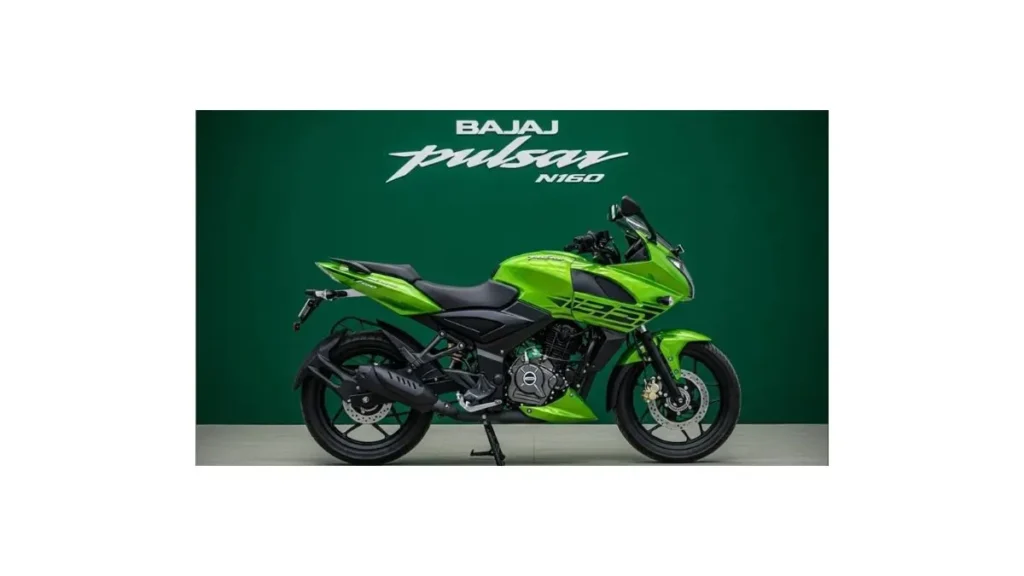
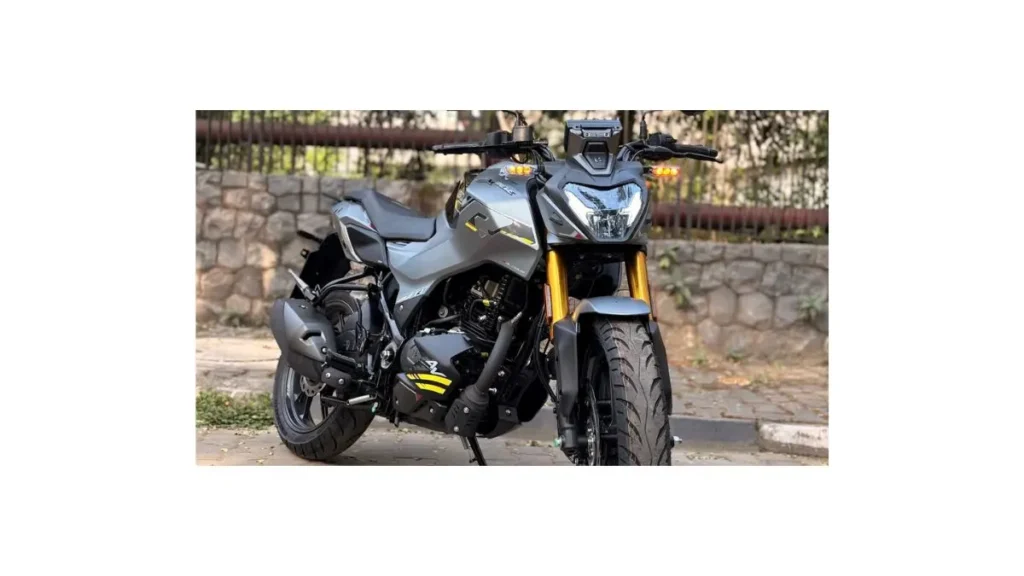
2026 Kawasaki Ninja 300 in India – Fresh Lime Green and Candy Lime Green/Ebony colours, aggressive sporty design

2026 Kawasaki Ninja 300 Launched in India at Rs 3.17 Lakh – New Colours & Refreshed Design

The 2026 Kawasaki Ninja 300 is officially launched in India with a starting price of Rs 3.17 lakh (ex-showroom). While the mechanicals remain largely unchanged, Kawasaki has focused on giving the Ninja 300 a visually refreshed look.

The new model comes in Lime Green and Candy Lime Green/Ebony, replacing the Moondust Gray from 2025. The bike features updated graphics, refined lettering, and a sportier profile, making it stand out in the 300cc segment. Key design elements include aggressive dual projector headlights, a floating-style windscreen, sculpted fuel tank, split seats, and upswept exhaust.

The Ninja 300 continues to compete with Yamaha R3, Aprilia RS 457, TVS Apache RR 310, and KTM RC 390, offering reliable performance, beginner-friendly handling, and a bold, sporty design. With its combination of proven performance and fresh aesthetics, the 2026 Ninja 300 remains a strong contender for riders looking for style and substance in the middleweight sportbike segment.


What’s New in the 2026 Kawasaki Ninja 300?

The 2026 Kawasaki Ninja 300 focuses primarily on cosmetic updates:

  • New Colour Options: Lime Green and Candy Lime Green/Ebony

  • Updated Graphics: Cleaner, more refined lines enhancing the sporty look

  • Reduced Lettering: For a sleeker, less cluttered appearance

  • Dynamic Contrast: Green panels across the fuel tank, front cowl, and underbody panels highlight the bike’s muscular design

  • Core Features: Dual projector headlights, floating windscreen, split seats, upswept exhaust, sculpted side fairings

Despite the refreshed look, the mechanical specifications remain the same as the previous year’s model, keeping the Ninja 300 familiar and reliable for current and new riders.


Engine & Performance

The 2026 Kawasaki Ninja 300 retains the 296 cc liquid-cooled parallel-twin engine:

  • Power: 39 PS @ 11,000 rpm

  • Torque: 26.1 Nm @ 10,000 rpm

  • Transmission: 6-speed return shift gearbox

  • Assist & Slipper Clutch: Standard for smoother downshifts

  • Fuel Efficiency: Economical riding indicator included

Additional performance features:

  • Dual Throttle Valves: For smoother acceleration and improved torque delivery

  • Lightweight Chassis: Steel-tube diamond frame for stability and rigidity

  • Telescopic Forks (Front) & Gas-Charged Monoshock (Rear): Optimized for handling and comfort

The Ninja 300 provides a sporty yet beginner-friendly riding experience, making it suitable for both new and experienced riders.


Design & Features

The 2026 Kawasaki Ninja 300 offers a sporty, aggressive stance:

  • Headlights: Dual projector setup

  • Windscreen: Floating-style for better aerodynamics

  • Seats: Split design with ergonomic cushioning

  • Exhaust: Upswept, enhancing sporty aesthetics

  • Side Fairings: Layered and sculpted for muscular appearance

  • Instrument Cluster: Analogue-style tachometer with multi-function LCD

  • Fuel Tank: Sculpted for comfort and aggressive riding posture


Colours & Graphics

Colour OptionKey Features
Lime GreenKawasaki signature green, white & blue graphics, refined lettering
Candy Lime Green/EbonyContrasting green and ebony panels for a dynamic look
  • The Moondust Gray from 2025 has been removed

  • Graphics are more polished, enhancing the bike’s sporty appeal


Suspension & Braking

  • Front Suspension: Telescopic forks

  • Rear Suspension: Gas-charged monoshock

  • Front Brake: 290 mm petal disc

  • Rear Brake: 220 mm petal disc

  • Chassis: Steel-tube diamond frame

  • Tyres: Sporty radials for improved grip and handling


Competitors Comparison

ModelEnginePowerKey Feature
Kawasaki Ninja 300296 cc39 PSRefreshed colours, dual throttle valves
Yamaha YZF-R3321 cc42 PSFully digital LCD, slightly higher power
Aprilia RS 457457 cc47 PSRide-by-wire, traction control, TFT screen
KTM RC 390373 cc44 PSLightweight, aggressive sportbike features
TVS Apache RR 310312 cc34 PSTFT screen, modern electronics
  • Ninja 300 Advantage: Sleek refreshed design, proven engine, beginner-friendly handling

  • Competitor Advantage: More advanced electronics and power in Yamaha R3, Aprilia RS 457, and KTM RC 390


Pros & Cons

Pros:

  • Refreshed sporty design with updated graphics

  • Proven engine reliability

  • Beginner-friendly handling

  • Assist & slipper clutch

  • Comfortable split seats and ergonomic riding posture

Cons:

  • No major mechanical updates

  • Lacks TFT screen or ride modes

  • Limited colour options compared to previous model


FAQs / Featured Snippet Ready

Q1: What is the ex-showroom price of the 2026 Kawasaki Ninja 300?
A: Rs 3.17 lakh (India).

Q2: What colours are available?
A: Lime Green and Candy Lime Green/Ebony.

Q3: Has the engine been updated?
A: No, the 296 cc parallel-twin engine remains unchanged.

Q4: Is the 2026 Kawasaki Ninja 300 suitable for beginners?
A: Yes, it offers manageable power and beginner-friendly handling.

Q5: How does it compare with Yamaha R3 or Aprilia RS 457?
A: Slightly less powerful but offers proven reliability and a refreshed sporty look at a competitive price.

VinFast Limo Green Electric MPV Confirmed for India: Premium 7-Seater EV Launching February 2026

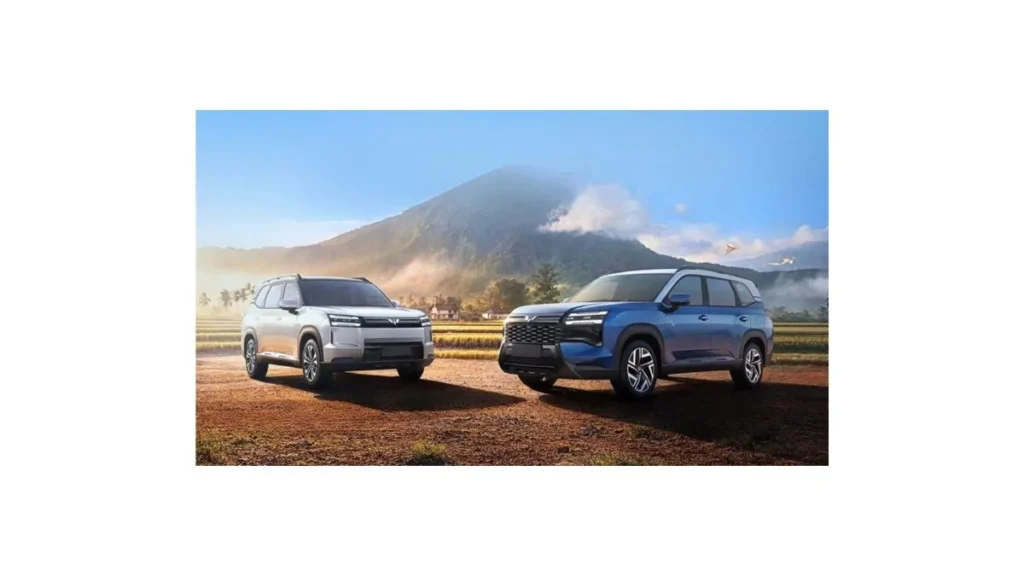
VinFast Limo Green electric MPV India launch with powerful 7-seater design

VinFast Limo Green Electric MPV India Launch Confirmed for February 2026

VinFast Limo Green electric MPV has officially confirmed the India launch in February 2026, marking a major step in electrifying the family car segment. Positioned as a premium three-row EV, the Limo Green will sit above compact electric SUVs and target buyers looking for space, comfort, and low running costs. With futuristic LED styling, a minimalist tech-loaded cabin, and a claimed range of up to 450 km, the MPV is expected to appeal to both families and fleet operators. Pricing is likely to start around ₹20 lakh, placing it against upcoming electric MPV rivals.

Why VinFast Limo Green MPV Strategy Matters in India

MPVs have always played a crucial role in India’s automotive landscape. Vehicles like the Innova, Ertiga, and Carens became successful not because they were aspirational, but because they solved real problems space, comfort, and reliability. Until now, electric alternatives in this segment have been scarce or prohibitively expensive.

The VinFast Limo Green directly addresses this gap. Instead of forcing families to adapt to compact EVs, VinFast is bringing an EV that adapts to Indian family needs. This signals a broader shift: EV adoption is moving beyond early adopters and into households that prioritise practicality over novelty.

VinFast’s Growing Footprint in India

VinFast is no longer an unknown name. With the VF6 and VF7 electric SUVs already confirmed for India, the Vietnamese automaker has been steadily building brand awareness. More importantly, it has been expanding its dealership network and service infrastructure a critical factor for Indian buyers who remain cautious about new EV brands.

The VinFast Limo Green benefits from this groundwork. It is not arriving as a one-off experiment, but as part of a larger, long-term India strategy. This improves buyer confidence and positions VinFast as a serious contender rather than a speculative entrant.

Design Philosophy: Clean, Modern, and Purpose-Built

The VinFast Limo Green does not rely on aggressive styling to make a statement. Instead, it adopts a clean, futuristic design that feels premium without being polarising. At the front, a slim full-width LED light bar and VinFast’s signature V-shaped lighting element give it a distinctive identity, instantly recognisable even in traffic.

From the side, the MPV’s proportions clearly prioritise space. A long wheelbase, tall roofline, and large glass area translate directly into cabin comfort. Flush door handles and aerodynamic alloy wheels enhance efficiency while maintaining a refined appearance.

At the rear, connected LED tail lamps mirror the front design, creating a cohesive visual theme. The wide tailgate and flat loading lip emphasise usability, making luggage access easy a small but important detail for family buyers and fleet users alike.

Interior: Minimalism With a Practical Edge

Inside the Limo Green, VinFast has embraced a minimalist layout that aligns with modern EV trends. The dashboard is clean and uncluttered, centred around a large touchscreen infotainment system. Instead of a traditional instrument cluster, driving information is displayed via a head-up display, helping reduce distraction.

The three-row 2+3+2 seating configuration makes the Limo Green a true seven-seater, not just a five-seater with extra jump seats. The focus is clearly on comfort, with ample legroom and smart storage spaces spread throughout the cabin.

While final India-spec features are yet to be confirmed, expectations are high. Based on international versions, the MPV is likely to offer wireless Android Auto and Apple CarPlay, connected car technology, automatic climate control, keyless entry, premium upholstery, and ambient lighting. Features like powered and ventilated seats could further strengthen its premium positioning.

Safety and Technology Expectations

Safety will be a key deciding factor for Indian families, and VinFast appears well aware of this. The Limo Green is expected to come equipped with multiple airbags, tyre pressure monitoring, parking sensors, and a 360-degree camera.

There is also a strong possibility of advanced driver assistance systems (ADAS) being offered on higher variants. If confirmed, this would place the Limo Green among the most technologically advanced MPVs in its price segment, further differentiating it from conventional petrol and diesel rivals.

Powertrain and Real-World Usability

The VinFast Limo Green powertrain is designed for balanced performance rather than outright speed. Internationally, it uses a 60.13 kWh battery pack paired with a front-mounted electric motor producing around 201 PS and 280 Nm of torque.

The claimed range of up to 450 km under NEDC testing suggests a realistic real-world range suitable for both city commuting and highway travel. For Indian buyers, this balance is crucial range anxiety remains a concern, especially for family vehicles used on long trips.

Charging support is another highlight. The MPV supports 11 kW AC charging for home and workplace use, while DC fast charging can replenish the battery from 10% to 70% in roughly 30 minutes. This makes long-distance travel and fleet operation far more viable.

Platform Sharing and Localisation Advantage

Industry speculation suggests that the Limo Green shares its platform with the VinFast VF7. This is an important detail, as platform sharing can significantly reduce manufacturing complexity and costs.

For India, this opens the door to localisation in the future  a move that could help VinFast price the Limo Green more aggressively and improve service support. Local assembly or component sourcing would also make the MPV more resilient to policy changes and import duties.

Expected Price and Market Rivals

The VinFast Limo Green is expected to be priced from around ₹20 lakh (ex-showroom). While this places it above mass-market MPVs, it remains competitive within the premium family EV space.

Its primary rivals will include upcoming electric MPVs such as the Kia Carens EV and models from BYD. However, its biggest competition may actually come from well-established petrol and diesel MPVs that buyers already trust.

To succeed, VinFast Limo Green will need to highlight total cost of ownership, lower running costs, and long-term reliability areas where electric vehicles can offer a compelling advantage.

Final Verdict: A Quietly Disruptive EV Launch

The VinFast Limo Green is not trying to be the most radical or eye-catching EV on the road. Instead, it focuses on solving real problems space, comfort, efficiency, and future readiness.

If VinFast delivers on pricing, after-sales support, and localisation, the VinFast Limo Green could become a landmark product. It represents a shift from “electric as an alternative” to “electric as the default” for Indian family cars.

Come February 2026, this MPV may not just expand VinFast’s lineup it could redefine how Indian families view electric mobility.

2026 Toyota Hiace Facelift – Safer, Smarter, and Feature-Packed Van for Japan & Beyond

2026 Toyota Hiace Facelift in Japan with Bi-LED headlights, touchscreen infotainment, and advanced ADAS safety features

2026 Toyota Hiace Facelift – Enhanced Safety, Modern Tech, and Versatile Customization

The 2026 Toyota Hiace Facelift marks a significant upgrade to one of Japan’s most enduring vans, blending proven reliability with modern technology. While keeping its trusted 5th-generation platform, the facelift introduces advanced ADAS safety features, refreshed Bi-LED headlights, a standard 8-inch touchscreen, and a 7-inch digital instrument cluster. From lane-change assist to radar cruise control, the Hiace now offers enhanced driver confidence and passenger protection. Customization options for leisure, commercial, and lifestyle use make it versatile for every need. With petrol and diesel engines, RWD and 4WD options, the 2026 Hiace balances safety, performance, and adaptability like never before.


Why the 2026 Toyota Hiace Facelift Matters

The Hiace has been a cornerstone of Toyota’s lineup for decades, popular in commercial and personal transport globally. In Japan, the H200 model has been on sale since 2004. The 2026 facelift matters because it brings modern tech to a proven platform, bridging the gap between legacy reliability and today’s safety and comfort expectations.

Rather than redesigning the van entirely, Toyota chose a facelift strategy, focusing on ADAS (Advanced Driver Assistance Systems), infotainment updates, and minor exterior refreshes. This approach allows owners to continue relying on the Hiace’s proven mechanical foundation, while enjoying modern features that reduce accidents and improve daily usability.


Exterior & Interior Updates

The exterior changes are subtle but functional. The Bi-LED headlights now feature a refreshed signature, improving night visibility and giving the van a contemporary look. Other body panels remain unchanged, maintaining the familiar boxy silhouette that maximizes interior space.

Inside, Toyota has upgraded the cabin with:

  • 8-inch touchscreen infotainment with navigation and panoramic view monitor

  • 7-inch digital instrument cluster standard across all trims

  • Enhanced comfort features in higher trims, such as heated front seats

Even the base model gains functional upgrades, like a rear door stop function, which improves utility for commercial users.


Advanced Safety Features (ADAS)

The standout of the facelift is the integration of Toyota’s latest Safety Sense suite, bringing a professional-grade ADAS system to a van segment:

  • Lane-change assist

  • Radar cruise control with curve speed control

  • Road sign recognition

  • Pre-crash safety system with wider detection range

These features enhance both urban and highway driving, significantly reducing the likelihood of accidents and providing peace of mind for drivers navigating congested roads.


Powertrain & Drivetrain

Toyota Hiace has retained the proven engines, offering choice and flexibility:

  • 2.0-litre petrol – 160 PS, 182 Nm torque

  • 2.8-litre diesel – 151 PS, 300 Nm torque

  • 6-speed automatic transmission

  • RWD or 4WD options

The engines remain reliable and capable, whether transporting passengers, cargo, or fully loaded in challenging terrain. Torque output is sufficient for hilly areas, making the van practical for commercial and recreational purposes.


Customization & Versatility

Toyota has leveraged the Hiace’s adaptable platform to offer a wide range of factory-backed customization options:

  • Overland – designed for outdoor adventures

  • Active Cruiser – suited for marine sports or coastal travel

  • Cool Luxury – highway comfort variant

  • Urban City – daily commuting focus

  • Craft Man – tailored for construction and commercial work

Additionally, Modellista and GR Parts allow owners to further personalize styling, interiors, and functionality. This makes the Hiace not just a utility van, but a versatile lifestyle vehicle.


Launch & Pricing

The 2026 Toyota Hiace Facelift will debut in Japan on 2nd February 2026, with multiple variants: van, wagon, and commuter models. Pricing ranges:

  • Base model: JPY 2,860,000 (~₹16.45 lakh)

  • Top-tier Super GL Dark Prime II Diesel: JPY 4,683,800 (~₹26.95 lakh)

Toyota has also teased a fully electric Hiace concept, shown at the 2025 Japan Mobility Show, hinting at the brand’s long-term commitment to sustainable commercial mobility.


Key Takeaways for India

While Toyota has not officially confirmed an India launch, the facelift offers insight into what buyers can expect if imported:

  • Advanced ADAS and safety tech can improve commercial and private van safety in Indian traffic

  • The diesel engine and 4WD options are ideal for hilly terrains and fully loaded operations

  • Customization options allow business owners and enthusiasts to tailor vans to specific needs

Imported Hiace vans often command strong resale value, and the 2026 updates could further influence pricing for used models in India.


FAQs – 2026 Toyota Hiace Facelift

Q1: What’s new in the 2026 Toyota Hiace Facelift?
A: The 2026 Toyota Hiace facelift brings updated Bi-LED headlights, an 8-inch touchscreen infotainment system, a 7-inch digital instrument cluster, enhanced ADAS safety features, heated front seats in higher trims, and functional upgrades like a rear door stop function.


Q2: Does the 2026 Toyota Hiace facelift have advanced safety features?
A: Yes, it comes with Toyota Safety Sense, including lane-change assist, radar cruise control with curve speed control, road sign recognition, and an improved pre-crash safety system. These features make the Hiace safer for both city and highway driving.


Q3: What engine options are available in the 2026 Toyota Hiace facelift?
A: The facelift retains the same powertrains: a 2.0-litre petrol engine producing 160 PS and 182 Nm torque, and a 2.8-litre diesel engine delivering 151 PS and 300 Nm torque. Both engines are paired with a 6-speed automatic transmission and come with RWD or 4WD options.


Q4: Can the 2026 Toyota Hiace be customized?
A: Yes, Toyota offers multiple customization options, including Modellista and GR Parts kits. Factory customization includes Overland for outdoor use, Active Cruiser for marine sports, Cool Luxury for highways, Urban City for daily commuting, and Craft Man for construction work.


Q5: What is the starting price of the 2026 Hiace facelift in Japan?
A: The 2026 Toyota Hiace starts at JPY 2,860,000 (~₹16.45 lakh) for the base model and goes up to JPY 4,683,800 (~₹26.95 lakh) for the Super GL Dark Prime II diesel variant.


Q6: Will Toyota launch the 2026 Hiace in India?
A: Toyota has not officially confirmed an India launch yet. However, imported Hiace vans are popular, and the facelift could influence the used and imported Hiace market.


Q7: Is the Hiace suitable for commercial and personal use?
A: Yes, the 2026 Toyota Hiace Facelift is versatile enough for commercial operations, large families, and lifestyle purposes, thanks to multiple seating formats, robust engines, ADAS safety, and extensive customization options.


Q8: Does the Hiace support 4WD for challenging terrains?
A: Yes, both RWD and 4WD drivetrains are available, making it capable of handling hilly areas, loaded operations, and rough road conditions effectively.


Q9: How efficient is the Hiace diesel engine?
A: The 2.8-litre diesel engine balances performance and efficiency, offering sufficient torque (300 Nm) for fully loaded vans. Real-world fuel efficiency will vary depending on load, driving conditions, and terrain.


Q10: What are the key comfort features in the 2026 Toyota Hiace facelift?
A: Key comfort features include heated front seats in higher trims, 8-inch touchscreen infotainment, 7-inch digital cluster, panoramic view monitor, and optional interior customization for passenger and cargo needs.

Final Verdict

The 2026 Toyota Hiace Facelift proves that a 22-year-old design can remain relevant when upgraded thoughtfully. By combining modern ADAS safety, improved infotainment, and versatile customizations with a reliable powertrain, Toyota balances utility, comfort, and technology. Whether for commercial fleets, large families, or lifestyle applications, the Hiace facelift ensures it continues to be a practical, safe, and adaptable van in the modern era.

Maruti Baleno Delta 2026: Premium Hatchback with Modern Features and Smart Pricing

Maruti Baleno Delta 2026 hatchback displayed in India with sleek design, modern features, and spacious interiors

Maruti Baleno Delta 2026 – Stylish Hatchback with Advanced Features for Everyday Driving

The Maruti Baleno Delta 2026 strengthens its position as one of India’s most popular premium hatchbacks, combining stylish design, practical performance, and modern features at an attractive price point. Designed for urban commuters, first-time buyers, and small families, the Delta variant strikes a perfect balance between affordability and sophistication. With a smooth engine, spacious cabin, advanced safety systems, and updated tech, it offers both comfort and convenience for daily city rides and occasional highway trips. In 2026, the Baleno Delta remains a compelling choice for buyers seeking a reliable, feature-packed hatchback that doesn’t compromise on style or efficiency.


Why the Maruti Baleno Delta 2026 Matters

In the highly competitive Indian hatchback market, the Baleno Delta continues to stand out because it combines brand reliability with premium touches at an affordable price. Maruti Suzuki has long dominated this segment, but the Delta variant specifically targets buyers who want a blend of tech, safety, and comfort without paying for top-tier trims.

The 2026 update reflects Maruti’s strategy to retain urban buyers and first-time premium hatchback customers, offering them a car that is practical, stylish, and technologically relevant.


Maruti Baleno Delta 2026 Price in India

The 2026 Baleno Delta is priced competitively between:

  • ₹7.20 lakh and ₹7.80 lakh (ex-showroom)

This pricing ensures it remains within reach for urban buyers while offering features that make it feel like a premium hatchback. The Delta variant also benefits from lower maintenance and better resale value, hallmarks of Maruti Suzuki cars.


Engine & Performance

Under the hood, the Baleno Delta 2026 focuses on practical performance and fuel efficiency, rather than outright sportiness.

  • Engine Options: 1.2-litre petrol (K12N)

  • Power: 83 PS

  • Torque: 113 Nm

  • Transmission: 5-speed manual / AMT option

  • Top Speed: ~160 km/h

The engine provides smooth city drivability and predictable acceleration for highway cruising. The automatic transmission option makes it particularly easy to handle in urban traffic.


Ride Comfort & Handling

The Delta variant comes with MacPherson strut front suspension and torsion beam rear suspension, tuned for comfort over Indian roads.

  • Ground clearance: 170 mm

  • Kerb weight: ~940 kg

  • Wheelbase: 2,520 mm

The Baleno Delta offers a spacious cabin, upright driving position, and supportive seats, ensuring fatigue-free city commutes and long drives alike.


Fuel Efficiency & Mileage

Fuel economy remains a strong selling point for the Baleno Delta:

  • Petrol manual: 22–23 kmpl (ARAI)

  • Petrol AMT: 21–22 kmpl (ARAI)

Combined with a 37-litre fuel tank, the Delta provides excellent range for city and highway driving, keeping running costs low.


Maruti Baleno Delta 2026 Specifications

FeatureDetails
Engine1.2L K12N petrol
Power83 PS
Torque113 Nm
Transmission5-speed manual / AMT
Mileage21–23 kmpl
Fuel Tank37 litres
Kerb Weight940 kg
Ground Clearance170 mm
Wheelbase2,520 mm
SafetyDual airbags, ABS with EBD, ISOFIX

Key Features

The Delta variant packs essential premium features without inflating cost:

  • LED projector headlamps

  • Touchscreen infotainment with Apple CarPlay & Android Auto

  • Steering-mounted controls

  • Manual climate control

  • Power windows and electrically adjustable mirrors

  • Safety: Dual airbags, ABS with EBD, ISOFIX child seat mounts

These features make the Baleno Delta a well-rounded hatchback for modern Indian buyers.


Design & Practicality

The Maruti Baleno Delta 2026 retains the sleek, coupe-like hatchback silhouette that balances style and aerodynamics. Its 5-door layout, wide cabin, and generous boot space (~339 litres) make it practical for daily urban life and weekend trips.

The Delta trim comes in multiple metallic color options, allowing buyers to add a personal touch to their car.


Who Should Buy the Maruti Baleno Delta 2026?

The Delta variant is ideal for:

  • First-time premium hatchback buyers

  • Young professionals and small families

  • Urban commuters seeking fuel efficiency

  • Buyers looking for modern features without premium trim costs


Future Outlook for Baleno in India

With the Delta variant, Maruti Suzuki reinforces the Baleno’s long-term relevance in India’s hatchback segment. By blending efficiency, features, and affordability, Maruti ensures that Baleno remains competitive against rivals like Hyundai i20, Tata Altroz, and Honda Jazz.

It also strengthens brand loyalty, as many Delta buyers eventually upgrade to higher trims or other Maruti Suzuki models over time.


Final Verdict

The Maruti Baleno Delta 2026 is the perfect balance of style, practicality, and affordability. It offers an efficient engine, comfortable ride, modern tech, and essential safety all under a reasonable price tag. For urban commuters and first-time premium car buyers, the Delta trim remains a compelling choice that combines Maruti Suzuki’s reliability with a feature-rich experience.

Kawasaki W175 2026: India’s Most Affordable Kawasaki Bike with Retro Style & Reliable Performance

Kawasaki W175 2026 retro motorcycle showcased in India with classic styling and 177cc engine

Kawasaki W175 2026 – Classic Retro Motorcycle That Makes Kawasaki Ownership Affordable

The Kawasaki W175 2026 proves that owning a legendary Japanese motorcycle brand no longer requires a premium budget. Designed for riders who value timeless styling, everyday comfort, and trusted engineering, the W175 stands as the cheapest Kawasaki motorcycle in India. With its retro roadster design, smooth 177cc engine, impressive mileage, and approachable riding ergonomics, the W175 bridges the gap between commuter practicality and premium brand aspiration. Whether you are upgrading from a small-capacity bike or buying your first branded motorcycle, the Kawasaki W175 delivers authenticity, reliability, and understated elegance without overcomplicating the ride.


Why Kawasaki W175 Matters in India

In a two-wheeler market dominated by feature-loaded commuters and aggressive sport bikes, the Kawasaki W175 2026 offers something refreshingly different. It is not built to chase performance numbers or digital gimmicks. Instead, it focuses on simplicity, riding comfort, and brand credibility.

For many Indian riders, Kawasaki has always been aspirational but financially out of reach. The W175 changes that narrative by becoming the most accessible entry point into the Kawasaki ecosystem. It allows riders to experience Japanese engineering, strong build quality, and long-term reliability at a price that doesn’t feel intimidating.


Kawasaki W175 2026 Price in India

The Kawasaki W175 price in India ranges between:

  • ₹1.13 lakh to ₹1.25 lakh (ex-showroom)

The price varies based on color schemes and variants. This aggressive pricing places the W175 in direct competition with premium 150–200cc motorcycles while offering the prestige of the Kawasaki badge.

For riders who want a premium motorcycle without paying premium money, the W175 becomes a logical and emotional choice.


Engine & Performance: Built for Real Roads

Powering the Kawasaki W175 is a 177cc, air-cooled, single-cylinder engine tuned for smoothness rather than aggression.

Engine Highlights:

  • Power: 13 PS @ 7,500 rpm

  • Torque: 13.2 Nm @ 6,000 rpm

  • Gearbox: 5-speed manual

The engine delivers linear power, making it extremely forgiving for beginners and relaxing for experienced riders. Throttle response is predictable, gear shifts are smooth, and vibrations are well controlled for city speeds.

With a top speed of around 110 km/h, the W175 is comfortable for daily commuting and short highway rides without stressing the engine.


Riding Comfort & Handling

One of the biggest strengths of the Kawasaki W175 2026 is how easy it feels to ride.

  • Kerb weight: 135 kg

  • Seat height: 790 mm

These dimensions make the motorcycle accessible to riders of all heights. The upright riding posture, wide handlebars, and well-padded seat ensure fatigue-free rides, even in stop-and-go traffic.

The suspension setup is tuned for Indian road conditions, absorbing potholes and uneven surfaces comfortably rather than aggressively.


Kawasaki W175 Mileage & Fuel Efficiency

Fuel efficiency is a major factor for Indian buyers, and the W175 delivers solid numbers.

  • ARAI mileage: Up to 45 kmpl

  • Real-world mileage: 40–42 kmpl

  • Fuel tank capacity: 12 litres

This gives the motorcycle a practical riding range of nearly 480 km on a full tank, making it ideal for daily commuting with fewer fuel stops.


Kawasaki W175 2026 Specifications

FeatureDetails
Engine177cc, air-cooled, single-cylinder
Power13 PS
Torque13.2 Nm
Gearbox5-speed
Mileage40–45 kmpl
Fuel Tank12 litres
Kerb Weight135 kg
Seat Height790 mm
SafetySingle-channel ABS

Safety & Features

The Kawasaki W175 intentionally avoids feature overload and focuses on essentials:

  • Single-channel ABS

  • Front disc brake

  • Rear drum brake

  • Analog instrument cluster

  • Halogen headlamp

  • Tubeless tyres

  • 17-inch wheels

This minimalistic approach enhances reliability and lowers long-term maintenance costs—something many first-time premium buyers appreciate.


Design Philosophy: Retro with Purpose

The W175’s design is inspired by Kawasaki’s iconic W-series heritage. The round headlamp, curved fuel tank, spoke-style wheels, and clean body lines give it a timeless roadster appearance.

Unlike flashy modern motorcycles, the W175’s design ages gracefully, making it appealing to both young urban riders and mature motorcyclists returning to biking.


Who Should Buy the Kawasaki W175 2026?

The W175 is perfect for:

  • First-time premium motorcycle buyers

  • Riders upgrading from 100–125cc commuters

  • Daily city commuters who value comfort

  • Riders who prefer classic styling over aggressive design

  • Buyers seeking a reliable, low-maintenance branded motorcycle


Future Outlook: What W175 Means for Kawasaki

The Kawasaki W175 2026 signals a strategic shift. By focusing on affordability and accessibility, Kawasaki is expanding its customer base in India. This could pave the way for more localized models and lifestyle-focused motorcycles in the future.

For buyers, it means Kawasaki is finally listening to everyday riders.


Final Verdict

The Kawasaki W175 2026 is not about speed, screens, or spec-sheet battles. It is about authentic motorcycling, brand trust, and everyday usability. For riders who want to own a Kawasaki without stretching their budget, the W175 stands as one of the most sensible and emotionally satisfying choices in its segment.

Skoda Octavia RS Set to Return in 2026: Why India’s Most Desired Performance Sedan Is Back

Skoda Octavia RS 2026 performance sedan showcased in India with sporty design

Skoda Octavia RS Confirmed for 2026: India’s Iconic Performance Sedan Returns

The Skoda Octavia RS is officially coming back to India in 2026 and for enthusiasts, this is more than just another launch announcement. After selling out 100 units in just 20 minutes in 2025, the Skoda Octavia RS proved that demand for a proper performance sedan still exists, even in an SUV-dominated market. With blistering performance, everyday usability, and a reputation built over years, the RS badge carries serious weight. Skoda’s confirmation signals confidence in Indian enthusiasts and hints at a future where driver-focused cars still have a place on our roads.

A Return Driven by Demand, Not Nostalgia

When Skoda reintroduced the Octavia RS to India in late 2025, expectations were high but the outcome exceeded even the brand’s own estimates. All 100 imported units were booked within minutes, leaving hundreds of interested buyers disappointed. That response made one thing clear: this wasn’t nostalgia-fuelled hype. It was real, unmet demand.

Now, Skoda has confirmed that the Octavia RS will return in 2026 with another limited allocation. This announcement didn’t come via a flashy teaser campaign but during a brand event subtle, confident, and telling. Skoda knows exactly what the RS represents and who it’s for.

Why the Skoda Octavia RS Still Matters in 2026

The Indian car market has changed dramatically over the past decade. Sedans have been pushed aside by SUVs, ground clearance has become a selling point, and performance cars have largely moved into luxury-brand territory. Yet, the Octavia RS continues to matter because it offers something few cars do: performance without compromise.

It’s fast, but not flashy. Premium, but not pretentious. Practical, yet thrilling. This balance is why the Octavia RS enjoys cult-like loyalty and why its return is significant.

Performance That Defines the RS Badge

At the heart of the Octavia RS is a 2.0-litre turbocharged TSI petrol engine delivering 261 bhp and 370 Nm of torque. Paired with a 7-speed DSG automatic gearbox, the RS accelerates from 0–100 km/h in just 6.4 seconds.

But numbers alone don’t explain the RS experience. The way power builds, the immediacy of throttle response, and the precision of the gearbox make the car feel alive. It’s quick when you want it to be and relaxed when you don’t an increasingly rare trait in modern performance cars.

More Than Speed: Handling and Driving Confidence

The Octavia RS has always been about balance. Its sports suspension, progressive steering, and chassis tuning ensure that speed is matched with control. High-speed stability is excellent, cornering feels confident, and the car remains composed even when driven hard.

Unlike many performance-oriented models that feel tiring in daily use, the RS manages to stay comfortable on Indian roads. This duality sporty yet sensible is one of its strongest selling points.

Interior: Where Performance Meets Premium

Step inside the Octavia RS and it becomes clear that Skoda hasn’t treated this as a bare-bones enthusiast car. The cabin blends sportiness with luxury, offering features that genuinely enhance the driving and ownership experience.

Highlights include LED Matrix headlamps, a 10.25-inch digital instrument cluster, three-zone automatic climate control, heated front seats with massage function, a 360-degree camera, and 10 airbags. Add advanced driver assistance features like adaptive cruise control, lane assist, and blind-spot monitoring, and the RS feels every bit like a modern premium sedan.

This is performance you can live with every day.

Pricing Reality: Expensive, Yet Justified

If Skoda maintains pricing similar to the 2025 model around ₹63.19 lakh on-road (Mumbai) the Octavia RS will once again sit in a challenging price bracket. At this level, buyers are spoiled for choice, especially in the luxury SUV space.

Yet, the Skoda Octavia RS attracts a different mindset. Buyers aren’t looking for badge value or road presence alone. They want driving feel, engineering depth, and authenticity. For this audience, the price is less about value-per-rupee and more about value-per-experience.

Limited Numbers, Exclusive Appeal

Skoda is expected to bring the Octavia RS back in limited quantities once again, preserving its exclusivity. This strategy makes sense. Importing the RS as a CBU keeps costs predictable while maintaining a halo effect for the brand.

For buyers, it also means one thing: hesitation could cost you. If history is any indication, the booking window will be short and demand will exceed supply.

What This Means for Indian Enthusiasts

The return of the Skoda Octavia RS sends a subtle but powerful message: Indian enthusiasts still matter. While they may not dominate sales charts, their passion influences brand perception and long-term loyalty.

Skoda’s decision could encourage other manufacturers to explore similar niche offerings limited-run, enthusiast-focused cars that prioritize engagement over mass appeal. In a market increasingly driven by practicality, that’s a refreshing possibility.


The Bigger Picture: Sedans Aren’t Dead Yet

The Skoda Octavia RS challenges the assumption that sedans no longer have a future in India. While volumes may never match SUVs, there’s clearly room for well-executed, emotionally engaging cars.

The Skoda Octavia RS isn’t just returning it’s reaffirming the idea that driving pleasure still has a place in the Indian automotive landscape.


Final Verdict

The Skoda Octavia RS 2026 isn’t about chasing trends or volumes. It’s about staying true to a philosophy one where performance, practicality, and premium quality coexist. Its return is a win for enthusiasts and a reminder that sometimes, doing things differently is exactly what keeps a brand relevant.

2026 Bajaj Pulsar NS200 Breaks Cover: Raw Performance, Streetfighter Style & Unmatched Value

2026 Bajaj Pulsar NS200 streetfighter motorcycle with LED headlamp and muscular design

2026 Bajaj Pulsar NS200 Launched: India’s Most Trusted Performance Streetfighter Evolves

The 2026 Bajaj Pulsar NS200 proves that true performance never goes out of style. At a time when motorcycles are getting heavier with tech and electronics, the NS200 stays true to its roots lightweight, aggressive, and mechanically thrilling. With sharp streetfighter styling, a powerful liquid-cooled engine, and proven handling dynamics, the 2026 Bajaj Pulsar NS200 continues to be the first real upgrade bike for thousands of Indian riders. Subtle updates keep it relevant, while its raw character ensures it remains one of the most engaging motorcycles under the ₹1.5 lakh bracket.


A Decade-Old Icon That Refuses to Age

The 2026 Bajaj Pulsar NS200 is not just another motorcycle it’s a benchmark. Introduced as India’s first true affordable streetfighter, the NS200 redefined what young riders could expect from a sub-200cc motorcycle. Fast forward to 2026, and the NS200 remains a cornerstone of Bajaj’s lineup, proving that a well-engineered platform doesn’t need reinvention every few years.

While rivals have come and gone, the Bajaj Pulsar NS200 has evolved carefully, focusing on refinement rather than radical change. This approach has kept costs under control while preserving the bike’s original spirit.


Design: Aggression That Still Turns Heads

The 2026 Bajaj Pulsar NS200 retains its unmistakable naked streetfighter stance. Sharp tank extensions, muscular fuel tank contours, and an exposed perimeter frame give it a purposeful, almost predatory presence. The LED headlamp and DRLs add modern flair without diluting its aggressive identity.

Unlike overly stylized designs, the NS200’s aesthetics prioritize function. The upright riding posture, wide handlebar, and compact tail section are designed for control, not just looks. Even today, the NS200 looks fast standing still and that’s no small achievement.


Engine & Performance: The Heart of the NS200

At the core of the 2026 Bajaj Pulsar NS200 is a 199.5cc liquid-cooled, single-cylinder DTS-i engine, producing around 24.5 PS of power and 18.7 Nm of torque. These numbers may not sound revolutionary, but the way the NS200 delivers power is what sets it apart.

The engine loves to rev, rewards aggressive throttle inputs, and feels alive above mid-range RPMs. Whether it’s quick overtakes in the city or sustained highway cruising, the NS200 delivers a level of engagement that few bikes in its segment can match.

The 6-speed gearbox remains slick and precise, helping riders extract the most from the engine while maintaining relaxed highway manners.


Ride & Handling: Still a Benchmark

One of the biggest reasons behind the NS200’s enduring popularity is its perimeter frame, a rarity in this segment when it was first introduced and still impressive today. This chassis gives the bike exceptional stability at speed and confidence while cornering.

The suspension setup telescopic forks at the front and a rear monoshock leans toward sporty firmness rather than plush comfort. This makes the NS200 especially rewarding on twisty roads and spirited rides, while still being usable for daily commuting.

Braking duties are handled by disc brakes at both ends, supported by dual-channel ABS, ensuring strong stopping power and safety under hard braking.


Technology & Features: Focused, Not Overloaded

The 2026 Bajaj Pulsar NS200 doesn’t chase gimmicks. Instead, it offers essential modern features without overwhelming the rider. The digital instrument console provides clear information, including speed, RPM, fuel levels, and trip data.

Recent updates like LED lighting and improved switchgear ensure the bike feels current, but Bajaj has intentionally avoided loading it with complex electronics such as ride modes or traction control. For many enthusiasts, this simplicity is a major selling point it keeps the riding experience raw and engaging.


Comfort & Ergonomics: Sporty Yet Livable

Despite its aggressive image, the NS200 is surprisingly accommodating. The seat height and riding triangle strike a good balance between sportiness and comfort, making it suitable for both city traffic and longer weekend rides.

The kerb weight is well managed, ensuring the bike doesn’t feel intimidating even for riders upgrading from 125cc or 150cc motorcycles. This accessibility has played a key role in the NS200’s mass appeal.


Mileage & Ownership Experience

Real-world fuel efficiency typically falls in the 30–40 km/l range, depending on riding style. While it’s not the most fuel-efficient bike in its class, it offers a strong balance between performance and practicality.

Bajaj’s widespread service network, affordable spare parts, and proven engine reliability make the NS200 relatively easy to own long-term. This reliability is one of the reasons the model continues to attract buyers year after year.


Pricing & Market Position

The 2026 Bajaj Pulsar NS200 is positioned as one of the most value-for-money performance motorcycles in India. It sits comfortably below many newer, feature-heavy rivals while offering stronger mechanical credentials.

For riders who prioritize engine performance, chassis balance, and long-term reliability over flashy tech, the NS200 remains an easy recommendation.


Why the 2026 Bajaj Pulsar NS200 Still Makes Sense

In an era of rapid innovation, the Pulsar NS200 stands as a reminder that fundamentals matter. Its continued success highlights a clear truth: Indian riders still value motorcycles that feel exciting to ride, not just impressive on spec sheets.

The 2026 update doesn’t attempt to reinvent the NS200 it refines it. And in doing so, Bajaj ensures that this iconic streetfighter remains relevant, desirable, and competitive.


Final Verdict

The 2026 Bajaj Pulsar NS200 is not chasing trends it’s reinforcing a legacy. With strong performance, confident handling, and proven reliability, it continues to be one of the smartest choices for riders seeking an authentic, thrilling motorcycle experience without stretching their budget.

2026 Bajaj Pulsar 125 Gets LED Upgrade – Sporty Style Meets Smart Pricing at ₹92,046

2026 Bajaj Pulsar 125 featuring new LED headlamp and sporty design in India

2026 Bajaj Pulsar 125 Launched in India: LED Headlamp, Fresh Colours & Proven Performance

The 2026 Bajaj Pulsar 125 arrives at a time when Indian 125cc buyers demand more than just mileage they want style, safety, and modern features without a premium price tag. Bajaj’s latest update answers that call with a new LED headlamp, LED turn indicators, and refreshed colour schemes, giving the Pulsar 125 a sharper, more contemporary road presence. Priced at ₹92,046 (ex-showroom), this update strengthens Pulsar’s position as the most aspirational commuter bike in its segment, blending proven mechanical reliability with visual upgrades that matter to today’s first-time and young riders.

Why this update matters more than it seems

The 125cc category has quietly become one of the most strategically important battlegrounds in the Indian two-wheeler market. Buyers here are no longer satisfied with basic commuting tools. They want style, brand value, and modern features without stepping into the higher insurance and running costs of larger engines.

This is where Bajaj’s decision to introduce LED lighting across the Pulsar 125 range becomes important. LED headlamps and indicators are no longer “premium” features reserved for higher segments. They have become visual markers of modernity. For a first-time buyer walking into a showroom, an LED-equipped motorcycle simply feels newer, more advanced, and better value even if the engine underneath remains unchanged.

In short, Bajaj is protecting the Pulsar’s relevance in a market where perception often matters as much as performance.

Design refresh aimed squarely at younger riders

The Bajaj Pulsar name has always traded heavily on its muscular styling and street presence, and the 2026 update reinforces that identity rather than reinventing it. The new LED headlamp integrates cleanly into the bike’s aggressive front profile, complementing the sculpted fuel tank and sharp body panels that Pulsar owners have come to expect.

Equally important are the revised colour schemes and graphics. Variants like Black Racing Red, Black Cyan Blue, and Racing Red with Tan Beige are clearly targeted at younger, style-conscious buyers who want their motorcycle to look sporty even when parked. The Carbon Fibre Single Seat and Split Seat editions continue to serve different buyer preferences solo riders versus those who regularly carry a pillion without fragmenting the lineup.

This approach allows Bajaj to keep the Pulsar visually fresh while maintaining strong visual continuity with earlier models, a strategy that helps brand loyalists feel confident upgrading within the Pulsar family.

Proven mechanics, deliberate restraint

Notably, Bajaj has resisted the temptation to tinker with the Pulsar 125’s mechanicals. The 124.4cc air-cooled DTS-i engine remains unchanged, producing 11.8 PS and 10.8 Nm, paired with a 5-speed gearbox. For enthusiasts craving more power, this might seem underwhelming but from a market perspective, it makes perfect sense.

This engine is well-known for its balance of performance and reliability. It offers enough punch for city riding and occasional highway use while keeping fuel efficiency and maintenance costs in check. In a segment where buyers often keep motorcycles for many years, mechanical familiarity is a selling point, not a drawback.

By leaving the drivetrain untouched, Bajaj avoids price escalation and preserves the Pulsar 125’s positioning as a sporty yet sensible everyday motorcycle.

Practical dimensions for Indian roads

The Pulsar 125’s dimensions continue to reflect its commuter-friendly nature. A seat height of 790 mm ensures accessibility for a wide range of riders, while the 165 mm ground clearance is sufficient for rough patches and speed breakers common on Indian roads. The kerb weight 140 kg for the single-seat variant and 142 kg for the split-seat version keeps the bike manageable in traffic without feeling flimsy.

Suspension duties are handled by telescopic forks at the front and twin rear shocks, a setup that prioritizes durability and predictable ride quality over outright sportiness. Braking is managed by a front disc and rear drum, supported by CBS, which remains a sensible safety inclusion for this segment.

Pricing and competitive positioning

With prices starting under Rs. 90,000 for the single-seat LED variant and topping out at Rs. 92,046 for the split-seat version, Bajaj has been careful not to overreach. This pricing keeps the Pulsar 125 within striking distance of rivals while offering a stronger brand pull and now, more contemporary features.

For buyers cross-shopping against other 125cc commuters, the updated Pulsar positions itself as a bridge between no-nonsense mileage machines and full-blown sport commuters. It doesn’t chase class-leading figures on paper, but it delivers a balanced ownership proposition.

What is the price of the 2026 Bajaj Pulsar 125 in India?

The 2026 Bajaj Pulsar 125 is priced between ₹89,910 and ₹92,046 (ex-showroom, Delhi), depending on the variant. The split-seat LED version is the most expensive model in the lineup.


What new features does the 2026 Bajaj Pulsar 125 get?

The 2026 update adds a new LED headlamp, LED turn indicators, refreshed colour options, and updated graphics, giving the Pulsar 125 a more modern and premium appearance.


Does the 2026 Bajaj Pulsar 125 have an LED headlamp?

Yes. The 2026 Bajaj Pulsar 125 now comes with a full LED headlamp and LED indicators, improving night visibility and enhancing overall road presence.


What engine powers the 2026 Bajaj Pulsar 125?

It is powered by a 124.4cc, single-cylinder, air-cooled DTS-i engine producing 11.8 PS and 10.8 Nm, paired with a 5-speed manual gearbox.


Is the Bajaj Pulsar 125 good for daily commuting?

Yes. The Pulsar 125 offers comfortable ergonomics, manageable weight, reliable engine performance, and CBS-assisted braking, making it well-suited for daily city commuting.


What are the colour options in the 2026 Bajaj Pulsar 125?

Available colours include Black Grey, Black Racing Red, Black Cyan Blue, and Racing Red with Tan Beige, across single-seat and split-seat variants.


What is the mileage of the 2026 Bajaj Pulsar 125?

While official figures vary by riding conditions, the Pulsar 125 typically delivers excellent fuel efficiency in the 50–55 km/l range, making it economical for everyday use.


What safety features does the 2026 Pulsar 125 offer?

The motorcycle comes with a front disc brake, rear drum brake, and Combi Brake System (CBS) for improved braking stability.


Who should buy the 2026 Bajaj Pulsar 125?

The Pulsar 125 is ideal for first-time buyers, young riders, and commuters who want a sporty-looking, reliable, and affordable 125cc motorcycle with modern features.


Is the 2026 Bajaj Pulsar 125 available across India?

Yes. The updated Pulsar 125 is available at all authorised Bajaj Auto dealerships across India.

Looking ahead: what this signals from 2026 Bajaj Pulsar 125

The 2026 Pulsar 125 update hints at a broader strategy from Bajaj Auto. Rather than launching entirely new models, the company appears focused on incremental, perception-driven upgrades that extend the life of established nameplates. In a cost-sensitive market, this approach allows Bajaj to respond to evolving trends like LED lighting and refreshed styling without alienating its core audience.

For consumers, it means the Pulsar brand continues to evolve in step with expectations, not lag behind them. And for Bajaj, it reinforces the Pulsar 125’s role as a dependable volume player that still carries emotional appeal.

In a segment crowded with choices, that balance may be exactly what keeps the Pulsar badge relevant well into the future.

Honda Rebel 300 2026: Stylish Cruiser with Smooth Engine, Low Seat & Honda Reliability

Honda Rebel 300 powerful cruiser motorcycle with low seat height and bobber styling

Honda Rebel 300: The Perfect Entry-Level Cruiser with Big-Bike Style & Easy Performance

The Honda Rebel 300 is one of the most beginner-friendly cruiser motorcycles in the world, combining classic bobber styling, a smooth 286cc engine, and legendary Honda reliability. Designed for new riders and urban cruisers, the Rebel 300 offers a low seat height, lightweight chassis, and relaxed riding posture, making it easy to handle in city traffic as well as on highways. With minimalist looks, modern features, and excellent fuel efficiency, the Honda Rebel 300 continues to be a popular choice for riders who want a stylish cruiser without intimidating power.


Honda Rebel 300 Overview

The Rebel 300 sits below the Rebel 500 in Honda’s global cruiser lineup and is aimed at:

  • First-time big-bike buyers

  • Shorter riders

  • Daily commuters who want cruiser styling

  • Riders upgrading from 150–250cc motorcycles

It blends old-school cruiser vibes with modern engineering, making it a timeless yet practical motorcycle.


Engine & Performance

The Honda Rebel 300 is powered by a refined single-cylinder engine derived from the CBR300 series.

Engine Specifications:

  • Engine: 286cc, single-cylinder, liquid-cooled

  • Max Power: ~27 hp

  • Max Torque: ~26 Nm

  • Transmission: 6-speed manual

  • Fuel System: PGM-FI (Fuel Injection)

Performance Feel:

  • Smooth power delivery

  • Easy clutch action

  • Stress-free city riding

  • Comfortable cruising at highway speeds

The engine is tuned more for comfort and usability than outright speed, which suits the cruiser character perfectly.


Mileage & Fuel Efficiency

One of the biggest advantages of the Rebel 300 is its efficiency.

Expected Mileage:

  • City: 28–32 km/l

  • Highway: 32–35 km/l

This makes it one of the most fuel-efficient cruiser motorcycles in the 300cc segment.


Comfort & Riding Ergonomics

Honda has designed the Rebel 300 with rider comfort as a priority.

Ergonomic Highlights:

  • Seat Height: ~690 mm (very low)

  • Forward-set foot pegs

  • Wide handlebar

  • Neutral riding posture

Thanks to the low seat height, even shorter riders can flat-foot the bike confidently, making it ideal for beginners.


Design & Styling

The Rebel 300 features a modern bobber-inspired design.

Design Highlights:

  • Round LED headlamp

  • Blacked-out engine and exhaust

  • Teardrop-shaped fuel tank

  • Chunky tyres for muscular stance

  • Minimalist bodywork

The design is clean, aggressive, and timeless appealing to both young and mature riders.


Chassis, Suspension & Brakes

Hardware Setup:

  • Frame: Tubular steel

  • Front Suspension: Telescopic forks

  • Rear Suspension: Twin shock absorbers

  • Front Brake: Disc with ABS

  • Rear Brake: Disc with ABS

The suspension is tuned for comfort over rough roads, while dual-channel ABS ensures safety.


Safety Features

  • Dual-channel ABS

  • Stable low-speed handling

  • Predictable braking response

  • Wide tyres for better grip

Honda prioritizes rider confidence, especially for new motorcyclists.


Instrument Console & Features

The Rebel 300 gets a minimalist digital instrument cluster.

Console Features:

  • Digital speedometer

  • Gear position indicator

  • Fuel gauge

  • Odometer & trip meters

  • Warning indicators

The clean display matches the bike’s minimalist theme.


Honda Rebel 300 India Launch Status

Is Honda Rebel 300 coming to India?

  • Current Status: Not officially launched

  • Expected Launch: Possible CBU route (future)

Expected Price in India:

  • ₹2.8 – ₹3.2 lakh (ex-showroom, estimated)

If launched, it would compete with:

  • Royal Enfield Meteor 350

  • Jawa 42

  • Yezdi Roadster


Global Price

  • USA Price: ~$4,749 (approx.)

  • Markets: USA, Europe, Japan, select Asian countries


Honda Rebel 300 vs Rivals

Key Competitors:

  • Kawasaki Eliminator 400

  • Royal Enfield Meteor 350

  • Benelli Imperiale 400

Rebel 300 Advantages:

  • Lighter weight

  • Lower seat height

  • Better refinement

  • Honda reliability


Pros & Cons

Pros:

  • Beginner-friendly cruiser

  • Very low seat height

  • Smooth & reliable engine

  • Lightweight & easy handling

  • Good fuel efficiency

Cons:

  • Not very powerful for experienced riders

  • No official India launch yet

  • Minimal features


Final Verdict

The Honda Rebel 300 is an excellent entry-level cruiser that focuses on comfort, style, and ease of riding rather than raw performance. It’s perfect for riders who want a stress-free, stylish motorcycle with dependable engineering. If Honda brings it to India, the Rebel 300 could become a strong alternative to traditional 350cc cruisers.

Honda Prelude Hybrid 2026 Breaks Cover – Sporty Hybrid Coupe with Shocking Mileage & Premium Tech

Honda Prelude Hybrid 2026 sporty hybrid coupe with aggressive design and high mileage

Honda Prelude Hybrid 2026: The Legendary Sports Coupe Returns with Hybrid Power, Stunning Design & Class-Leading Efficiency

The Honda Prelude Hybrid 2026 marks one of the most exciting comebacks in modern automotive history. After more than two decades, Honda has revived its iconic Prelude nameplate this time with a next-generation hybrid powertrain, aggressive coupe styling, and cutting-edge technology. Designed for driving enthusiasts who also care about fuel efficiency, the new Prelude blends sporty performance, premium interiors, and eco-friendly engineering in one sleek package. With bold design, advanced safety tech, and impressive mileage figures, the 2026 Prelude Hybrid positions itself as a game-changer in the sporty hybrid coupe segment.


Honda Prelude Hybrid 2026: What Makes It Special?

Honda isn’t just bringing back a name it’s bringing back an emotion. The Prelude was once known for sharp handling, balanced performance, and futuristic tech for its era. The 2026 Honda Prelude Hybrid carries forward that DNA while aligning with modern demands of electrification, efficiency, and sustainability.

Unlike traditional sports coupes that focus only on power, Honda has engineered the Prelude Hybrid to deliver instant torque, smooth acceleration, and excellent fuel economy, without sacrificing driving fun.


Engine & Hybrid Powertrain Details

At the heart of the Honda Prelude lies Honda’s proven e:HEV two-motor hybrid system.

Powertrain Highlights:

  • Engine: 2.0-litre Atkinson-cycle petrol engine

  • Electric Motors: Dual-motor hybrid setup

  • Combined Power Output: Approx. 200 hp

  • Torque: Around 315 Nm (instant electric torque)

  • Transmission: Direct-drive with Honda S+ Shift (simulated sporty gear shifts)

  • Drivetrain: Front-Wheel Drive (FWD)

The standout feature here is Honda S+ Shift, a software-controlled system that mimics gear changes to give drivers a more engaging, performance-oriented feel something rarely seen in hybrid cars.


Performance & Driving Experience

Despite being a hybrid, the Prelude Hybrid 2026 is designed to feel sporty behind the wheel.

Performance Expectations:

  • 0–100 km/h: Approx. 7 seconds

  • Driving Modes: Comfort, GT, Sport, Individual

  • Electric Boost: Instant throttle response

  • Handling: Low center of gravity for sharp cornering

Honda has tuned the chassis and suspension to ensure that the Prelude remains fun to drive, especially on twisty roads, while still being comfortable for daily use.


Mileage & Fuel Efficiency (Big Highlight)

Fuel efficiency is where the Honda Prelude Hybrid 2026 truly surprises.

Expected Mileage:

  • City: ~19–20 km/l

  • Highway: ~22–23 km/l

  • Combined: ~21 km/l (global estimate)

For a sporty coupe, these figures are exceptional and make the Prelude Hybrid one of the most fuel-efficient performance-oriented cars in its class.


Exterior Design: Sporty Yet Elegant

The new Prelude’s design is a perfect blend of classic coupe proportions and futuristic styling.

Exterior Highlights:

  • Sleek, low-slung coupe silhouette

  • Sharp LED headlamps & DRLs

  • Wide stance with muscular fenders

  • Sloping roofline for aerodynamic efficiency

  • 18- or 19-inch alloy wheels

  • Sporty rear LED light bar

The design pays subtle homage to older Prelude models while looking thoroughly modern and premium.


Interior & Cabin Experience

Step inside the Honda Prelude Hybrid 2026, and you’ll notice a driver-focused, tech-loaded cabin.

Interior Features:

  • 10.2-inch fully digital instrument cluster

  • Large touchscreen infotainment system

  • Wireless Apple CarPlay & Android Auto

  • Premium leather-wrapped sports seats

  • Flat-bottom steering wheel

  • Ambient interior lighting

  • Wireless charging pad

The cabin strikes a balance between sportiness and everyday comfort, making it ideal for long drives as well as spirited weekend runs.


Infotainment & Technology

Honda has packed the Prelude with the latest digital tech.

Tech Highlights:

  • Google-built-in infotainment system

  • Voice-controlled navigation

  • Over-the-air (OTA) updates

  • Bose premium sound system

  • Digital key support (select markets)

This makes the Prelude Hybrid one of the most tech-advanced Honda cars ever made.


Safety Features (Honda Sensing)

Safety remains a strong focus for Honda.

Safety & ADAS:

  • Adaptive Cruise Control

  • Lane Keep Assist

  • Collision Mitigation Braking

  • Blind Spot Monitoring

  • Rear Cross-Traffic Alert

  • Multiple airbags

  • Advanced traction & stability control

The Honda Sensing suite ensures top-tier safety ratings globally.


Honda Prelude Hybrid 2026: Global & India Launch

Global Launch:

  • Markets: Japan, USA, Europe

  • Launch Timeline: Late 2025 – Early 2026

India Launch

  • Likely as CBU import

  • Launch Timeline: Late 2026 (expected)


Honda Prelude Hybrid 2026 Price

Global Pricing:

  • Starting around USD $42,000

Expected India Price:

  • ₹45–50 lakh (ex-showroom, estimated)

While pricey, the Prelude will cater to enthusiasts seeking exclusivity, efficiency, and brand heritage.


Key Rivals

The Honda Prelude Hybrid 2026 will compete with:

  • Toyota GR86

  • Subaru BRZ

  • BMW 2-Series Coupe

  • Audi A3 / A4 (entry variants)

However, none of these rivals offer the same hybrid efficiency + sporty coupe combination.


Pros & Cons

Pros:

  • Legendary Prelude nameplate

  • Hybrid efficiency with sporty performance

  • Premium interior & tech

  • Unique coupe design

  • Honda reliability

Cons:

  • Expensive in India (CBU)

  • Front-wheel drive may not appeal to purists

  • No manual gearbox


Final Verdict: Should You Wait for It?

The Honda Prelude Hybrid 2026 is not just a comeback it’s a statement. It proves that hybrids can be exciting, stylish, and emotionally engaging. If you’re looking for a sporty coupe that doesn’t burn fuel like a traditional sports car, the Prelude Hybrid could be the perfect balance.

For enthusiasts, collectors, and premium car buyers, this is one of the most exciting Honda launches in decades.