Hyundai Staria Electric Revealed: Why This Bold Electric MPV Could Redefine Family and Fleet Mobility

Hyundai Staria Electric electric MPV showcasing futuristic exterior design and spacious people mover body

Hyundai Staria Electric: The Electric MPV That Signals Hyundai’s Next Big EV Move

Hyundai’s electric transition is no longer limited to sleek SUVs and futuristic sedans. With the debut of the Hyundai Staria Electric, the brand is clearly targeting a far more practical segment that has been largely ignored in the EV space. Electric MPVs have remained rare, expensive, or compromised. The Hyundai Staria Electric challenges that reality with long range capability, fast charging, serious towing capacity, and an interior designed for real people and real businesses. This is not a concept car or a niche experiment. It is Hyundai making a calculated bet that families, shuttle operators, and commercial fleets are ready to go fully electric without sacrificing space or usability.


Why the Hyundai Staria Electric Matters More Than It Looks

Electric vehicles have mostly focused on personal mobility so far. Compact hatchbacks, crossovers, and premium SUVs dominate the conversation. What has been missing is a genuinely usable electric people mover that can replace diesel vans and large MPVs without forcing compromises.

The Hyundai Staria Electric fills that gap. It is not just an electrified version of an existing van. It is a strategic product aimed at families, ride sharing services, hotels, airport transfers, and corporate fleets that want lower running costs and zero emissions without losing capacity.

Hyundai understands something many automakers still hesitate to accept. The next phase of EV growth will not come only from individual buyers. It will come from practical vehicles that move people and goods every single day.


Hyundai Staria Electric Design Philosophy

The Staria Electric keeps the instantly recognizable silhouette of the Staria lineup but subtly evolves it for the electric era. The front fascia is cleaner and more aerodynamic, emphasizing efficiency rather than aggression. A closed grille replaces traditional air intakes, signaling its electric nature without screaming about it.

Large glass surfaces remain a core design element. They improve outward visibility and make the cabin feel airy and open. Sliding doors on both sides make passenger entry effortless in tight urban spaces, while the wide tailgate improves cargo access.

Unlike many electric vehicles that prioritize style over function, the Staria Electric remains unapologetically practical. Every design choice serves usability first.


Interior Experience: Built Like a Lounge, Used Like a Tool

Step inside the Hyundai Staria Electric and the focus on space becomes obvious. The flat floor made possible by the electric platform transforms cabin flexibility. Passengers are not fighting transmission tunnels or raised floors.

Hyundai offers multiple seating configurations, including seven seat luxury layouts and nine seat people mover versions. This flexibility makes the Staria Electric suitable for private owners as well as commercial buyers.

The dashboard integrates large digital displays that handle both instrumentation and infotainment. Hyundai’s latest connected car navigation system brings over the air updates, live traffic data, and smartphone level responsiveness.

Storage spaces are intelligently placed throughout the cabin, acknowledging that real users carry bags, bottles, devices, and equipment. Multiple high power USB charging ports ensure every passenger stays connected.


Electric Powertrain and Performance Explained

At the heart of the Hyundai Staria Electric is a high output electric motor producing around 160 kW of power. This translates to smooth, confident acceleration even when fully loaded.

More importantly, torque delivery is instant. This matters in a large MPV where quick merging, uphill starts, and stop and go traffic are everyday realities.

The battery pack, with a capacity of approximately 84 kWh, provides a claimed driving range of up to 400 kilometers on the WLTP cycle. Real world range will vary, but the focus here is not record breaking numbers. It is predictable, usable distance that suits daily operations.


Fast Charging Changes the Game for MPVs

One of the most impressive aspects of the Staria Electric is its 800 volt electrical architecture. This is typically reserved for premium EVs, not people movers.

Thanks to this system, the Staria Electric supports ultra fast DC charging. Charging from 10 percent to 80 percent can take roughly 20 minutes under optimal conditions. For commercial operators, this drastically reduces downtime.

AC charging is also practical, with support for up to 11 kW home or depot chargers. Overnight charging becomes simple and cost effective.


Towing and Utility: A Rare Strength in Electric Vehicles

Electric MPVs often struggle when it comes to towing. The Hyundai Staria Electric breaks that pattern with a braked towing capacity of up to 2,000 kilograms.

This opens up use cases that many electric vehicles simply cannot support. Small trailers, boats, camping equipment, or work related loads become feasible.

Vehicle to Load capability further enhances utility. The Hyundai Staria Electric can power external devices, tools, or appliances directly from the vehicle battery. For outdoor activities or mobile businesses, this is a genuine advantage.


Safety and Driver Assistance Technology

Hyundai equips the Staria Electric with a full suite of advanced driver assistance systems under its SmartSense umbrella.

Key features include forward collision avoidance, blind spot monitoring, rear cross traffic alerts, adaptive cruise control, and driver attention warnings. These systems reduce fatigue and improve safety, especially for long hours of driving.

Parking aids such as surround view monitoring are particularly valuable in a large vehicle. They make urban maneuvering far less stressful.


Who Should Buy the Hyundai Staria Electric

The appeal of the Staria Electric is broad, but it shines brightest in specific use cases.

Families who need space without sacrificing modern technology will find it compelling. Shuttle services and hospitality businesses can benefit from lower operating costs and silent operation. Corporate fleets looking to meet sustainability goals gain a practical zero emission solution. Even adventure focused buyers who need towing and power supply will see value.

This versatility is what sets the Staria Electric apart from many niche EVs.


Market Positioning and Competition

Electric MPVs remain a limited segment globally. Most available options are either compact people carriers or expensive premium vans.

Hyundai positions the Staria Electric between these extremes. It offers premium technology without premium pricing expectations, although official pricing has not yet been announced.

This strategic positioning could allow Hyundai to dominate a segment before rivals fully commit to it.


What the Hyundai Staria Electric Signals About Hyundai’s EV Strategy

The Staria Electric is not just a new model. It is a statement.

Hyundai is clearly expanding its electric ambitions beyond lifestyle vehicles. The company recognizes that electrification must reach practical segments to achieve meaningful scale.

By investing in an electric MPV with fast charging, towing capability, and flexible interiors, Hyundai shows confidence in both its battery technology and its understanding of real world mobility needs.


Future Outlook and India Possibility

While initial launches are focused on Europe and select global markets, interest in electric MPVs is growing rapidly in regions like India.

Fleet electrification, rising fuel costs, and stricter emission norms could make vehicles like the Hyundai Staria Electric highly relevant in the future. Local manufacturing and battery cost reductions will be key factors.

If Hyundai decides to bring the Hyundai Staria Electric to emerging markets, it could become a benchmark product rather than a niche offering.


Final Verdict

The Hyundai Staria Electric does not try to impress with exaggerated claims or futuristic gimmicks. Instead, it focuses on solving real problems.

It delivers space, flexibility, fast charging, towing ability, and modern technology in a single electric package. That combination is rare and valuable.

For buyers who need more than just a stylish EV, the Staria Electric represents a meaningful step forward in electric mobility.

Kia EV2 Revealed Why This Small Electric SUV Could Redefine Everyday EV Ownership

Kia EV2 compact electric SUV showcasing modern design spacious interior and practical electric mobility for urban driving

Kia EV2 Is the Compact Electric SUV Designed for Real Life Driving

Kia EV2 has arrived at a moment when electric cars need to feel less experimental and more dependable. Unveiled at the 2026 Brussels Motor Show this compact electric SUV focuses on comfort space and usability rather than extreme performance figures. Kia has designed the EV2 for first time electric car buyers who want a vehicle that fits naturally into daily routines. With flexible seating practical range and thoughtful interior design the EV2 aims to remove the hesitation many drivers still feel about switching to electric mobility. Instead of chasing headlines the EV2 quietly addresses what matters most to everyday owners.

Kia EV2 Why This Small Electric SUV Signals a Bigger Shift in the EV Market

When Kia revealed the EV2 at the 2026 Brussels Motor Show the moment did not feel like a headline chasing reveal. There were no exaggerated performance claims or radical design theatrics. Instead the EV2 arrived quietly and almost modestly. That restrained approach is precisely why it matters.

The EV2 is not just Kia smallest electric SUV so far. It represents a deliberate pivot in how global carmakers are approaching the next phase of electric mobility. The focus is shifting away from extremes and moving closer to everyday relevance.


A strategic move rather than just a new model

For years electric vehicles have largely followed two clear paths. On one side premium EVs showcased cutting edge technology with price tags to match. On the other side entry level EVs focused on affordability but often felt compromised. The EV2 is Kia attempt to occupy the space in between by being compact approachable and well equipped without feeling stripped bare.

Positioned below the EV3 and EV4 the EV2 is designed as a high volume product. It targets first time EV buyers and urban users who want electric convenience without stepping up to a larger or more expensive vehicle. This is where the real EV battleground now exists especially in Europe and eventually in emerging markets.

Kia decision to debut the EV2 in Brussels rather than at a flashier global stage reinforces this intent. The focus here is mass adoption rather than brand theatre.


Design that prioritises space over spectacle

At first glance the Kia EV2 upright stance and boxy proportions may seem conservative. A closer look reveals a design driven by packaging efficiency.

By keeping the body tall and squared off Kia has maximised interior space within a compact SUV footprint. Pronounced wheel arches vertical lighting elements and the latest Star Map lighting signature give the Kia EV2 presence without visual excess. The GT Line version adds character but remains restrained rather than aggressive.

What stands out most is how familiar the Kia EV2 looks. It borrows cues from larger Kia electric SUVs which helps it feel like a proper SUV rather than a downsized experiment. That familiarity is important for buyers transitioning from petrol cars who may already feel uncertain about switching to electric.


An interior built around real world use

Inside the Kia EV2 the priorities become immediately clear. Kia so called Picnic Box concept is not about novelty but about flexibility. Sliding and reclining rear seats legroom extending up to 958 millimetres and a boot that can reach 403 litres show clear attention to real world usage.

The panoramic digital display combines a 12.3 inch instrument cluster a 5 inch climate panel and a 12.3 inch infotainment screen. The balance between digital interfaces and physical controls improves usability and avoids the frustration caused by all touch layouts.

A front trunk adds further practicality. In a compact electric vehicle every litre of storage improves daily convenience. Individually these features may seem minor but together they make the EV2 feel like a genuinely usable urban vehicle rather than a lifestyle statement.


Sensible electric performance without chasing headlines

The Kia EV2 will be offered with two battery options. A 42.2 kilowatt hour pack and a larger 61.0 kilowatt hour pack. The claimed WLTP ranges of up to 317 kilometres and 448 kilometres may not sound revolutionary but they are well judged.

For city and suburban use these ranges are more than sufficient especially when combined with fast charging that allows a ten to eighty percent top up in around thirty minutes. The use of a 400 volt architecture keeps costs under control while still supporting both 11 kilowatt and 22 kilowatt AC charging.

Kia has also focused on software and ecosystem features including EV route planning Plug and Charge and vehicle to load functionality. These technologies quietly improve daily ownership and reduce friction especially for new EV buyers.


Why the Kia EV2 matters beyond Europe

Although Kia has not confirmed plans for markets such as India the EV2 naturally raises questions about global relevance. Compact SUVs dominate Indian roads and interest in electric vehicles continues to grow particularly in urban centres.

If localised and priced competitively a vehicle like the Kia EV2 could fit well into India evolving EV landscape. Its size flexible seating and practical range align with local driving patterns. Challenges would remain including cost charging infrastructure and competition from rapidly improving domestic EVs.

Even if the EV2 never reaches India in its current form its philosophy likely will. Kia approach here offers a clear signal of what future mass market electric vehicles may prioritise.


The bigger picture as electric vehicles mature

The most telling aspect of the Kia EV2 is what it chooses not to be. It does not chase performance records. It does not rely on futuristic gimmicks. It does not attempt to redefine what an SUV should look like.

Instead it focuses on maturity through space comfort ease of use and thoughtful technology. This reflects where the EV market is heading. As early adopters give way to mainstream buyers expectations are changing. Electric cars no longer need to impress. They need to fit.

The Kia EV2 may be small in size but it represents a much larger shift in thinking. If this is what the next wave of electric vehicles looks like the move away from internal combustion may finally begin to feel natural rather than disruptive.

Powerful Volkswagen Tayron 2026 Revealed, Luxury Seven Seater SUV with Stunning Design and Smart Technology

Volkswagen Tayron 2026 premium seven seater SUV showcasing bold exterior design and modern styling

Volkswagen Tayron 2026 Complete Review, Price, Specifications, Features and India Launch Details

The Volkswagen Tayron 2026 is a powerful new 7 seater SUV that sits above the Tiguan and below the Touareg, offering premium design, advanced technology, and strong performance. Built on Volkswagen’s MQB Evo platform, the Tayron brings spacious three row seating, modern infotainment, and a refined driving experience. Expected to launch in India as the Tayron R Line, this SUV targets buyers looking for luxury, comfort, and German engineering. With turbo petrol power, advanced safety features, and bold styling, the Tayron is set to challenge established premium SUVs in India.

Volkswagen Tayron 2026 Full Review

Volkswagen is expanding its global SUV lineup with the Volkswagen Tayron 2026, a premium 7 seater SUV designed to bridge the gap between the Tiguan and the flagship Touareg. Originally developed for the Chinese market, the new generation Tayron has evolved into a global model, and it is now confirmed for markets like India under the R Line branding.

With its bold styling, long wheelbase, spacious three row cabin, and advanced safety technology, the Tayron aims to attract buyers who want luxury, comfort, and everyday usability without stepping into full size SUV territory. In India, the Tayron will serve as Volkswagen’s new flagship SUV, replacing the Tiguan Allspace.


Volkswagen Tayron 2026 Design and Styling

The Volkswagen Tayron 2026 carries a confident and premium SUV design that aligns with Volkswagen’s latest global styling language. It looks modern, muscular, and sophisticated without being overly aggressive.

At the front, the Tayron features sleek LED headlamps connected by a full width LED light bar, giving it a wide and premium stance. The large grille with chrome accents and R Line specific sporty elements adds road presence. The sculpted bonnet and upright nose emphasize its SUV character.

From the side, the long wheelbase is clearly visible, ensuring generous interior space. Strong shoulder lines, large alloy wheels, and subtle chrome detailing enhance the premium feel. The rear design is clean and modern, with connected LED tail lamps and a bold bumper design that reinforces its upscale positioning.

Overall, the Tayron looks more mature and premium than the Tiguan, making it suitable for buyers upgrading to a larger family SUV.


Interior and Cabin Experience

Inside, the Volkswagen Tayron 2026 offers a spacious, tech rich, and comfort focused cabin designed for families and long journeys.

The dashboard layout follows Volkswagen’s minimalist approach, featuring a large floating touchscreen infotainment system and a fully digital driver display. The materials used across the cabin feel premium, with soft touch surfaces, brushed aluminum accents, and high quality upholstery.

One of the biggest highlights is the three row seating layout. The first and second rows offer excellent headroom and legroom, while the third row is practical for children and short trips for adults. The wide cabin ensures good shoulder room, making long drives comfortable for all passengers.

Other interior highlights include a panoramic sunroof, multi zone climate control, ambient lighting, wireless charging, and premium audio options depending on the variant. The Tayron also offers flexible seating with foldable rear rows, allowing users to switch between passenger space and luggage capacity easily.


Volkswagen Tayron Engine and Performance

The Volkswagen Tayron 2026 is built on the advanced MQB Evo platform, which supports a range of modern powertrains.

For India, the Tayron R Line is expected to be powered by a 2.0 litre turbo petrol TSI engine. This engine is known for its strong performance and refinement, producing around 200 PS of power and 320 Nm of torque. It will be paired with a 7 speed DSG automatic transmission, delivering smooth gear shifts and responsive acceleration.

Volkswagen may also offer its 4MOTION all wheel drive system on higher variants, improving traction and stability on highways and rough roads. The suspension setup is tuned for comfort, making the Tayron suitable for daily driving as well as long distance touring.

Internationally, the Tayron is also available with mild hybrid, diesel, and plug in hybrid options, though these may not be introduced in India initially.


Ride Quality and Driving Experience

Despite its size, the Volkswagen Tayron 2026 is designed to feel easy to drive. The steering is light at low speeds, making city driving manageable, while remaining stable and confident at highway speeds.

The suspension absorbs bumps and road imperfections well, providing a comfortable ride even on uneven surfaces. Road noise and vibrations are well controlled, enhancing the premium driving experience. The powerful turbo petrol engine ensures effortless overtaking and relaxed cruising on highways.

This balance of comfort and performance makes the Tayron an ideal SUV for families who enjoy long road trips.


Volkswagen Tayron Safety Features

Safety is a major focus for Volkswagen, and the Tayron 2026 comes equipped with a comprehensive safety package.

Expected safety features include multiple airbags, ABS with EBD, electronic stability control, traction control, hill hold assist, and tyre pressure monitoring system. Advanced driver assistance features such as adaptive cruise control, lane keep assist, autonomous emergency braking, and blind spot monitoring are likely to be offered on higher trims.

The strong MQB Evo platform and high build quality further enhance occupant protection, making the Tayron a safe choice in the premium SUV segment.


Technology and Infotainment

The Volkswagen Tayron 2026 is loaded with modern technology designed to improve convenience and connectivity.

The large touchscreen infotainment system supports wireless Android Auto and Apple CarPlay, navigation, voice commands, and over the air updates. The digital cockpit provides customizable driving information, navigation display, and vehicle data directly in the driver’s line of sight.

Other tech features include a hands free tailgate, keyless entry, push button start, drive mode selector, and connected car technology depending on the market.


Volkswagen Tayron 2026 Expected Price in India

Volkswagen plans to locally assemble the Tayron in India, which should help keep pricing competitive. The expected ex showroom price of the Volkswagen Tayron 2026 in India is likely to start around ₹48 lakh and go up to ₹55 lakh, depending on the variant and features.

This pricing places the Tayron firmly in the premium seven seater SUV segment.


Rivals and Competition

In India, the Volkswagen Tayron will compete with several established premium SUVs, including:

Toyota Fortuner
Skoda Kodiaq
Jeep Meridian
MG Gloster

Compared to its rivals, the Tayron focuses more on comfort, technology, and refined performance rather than rugged off road capability.


Volkswagen Tayron India Launch Timeline

Volkswagen has officially confirmed the Tayron R Line for India, with a launch expected in early 2026. Once launched, it will become Volkswagen’s most premium SUV offering in the Indian market.


Final Verdict

The Volkswagen Tayron 2026 is a powerful and premium seven seater SUV designed for buyers who value comfort, advanced technology, and refined driving dynamics. With its spacious cabin, strong turbo petrol engine, modern features, and trusted Volkswagen engineering, the Tayron has the potential to become a strong contender in the premium SUV segment.

For families upgrading from mid size SUVs or buyers looking for a sophisticated alternative to traditional ladder frame SUVs, the Tayron offers a compelling and well balanced package.

Volkswagen Polo 2026 Is a Smart, Sporty Comeback That Makes Small Cars Exciting Again

Volkswagen Polo 2026 premium hatchback showcasing modern exterior design on an urban road

Volkswagen Polo 2026 Sets a New Benchmark in the Premium Hatchback Segment

The Volkswagen Polo 2026 arrives as a confident evolution of one of the world’s most loved premium hatchbacks. Known for its solid build, refined driving experience, and timeless design, the new Polo raises expectations with modern styling, smarter technology, and improved efficiency. Built for urban life yet comfortable on highways, the Polo 2026 blends practicality with premium appeal. For buyers who want reliability, sophistication, and everyday driving pleasure in a compact package, this latest Polo feels more relevant than ever.


Volkswagen Polo 2026 Full Overview

The Volkswagen Polo 2026 continues the legacy of a hatchback that has defined premium compact motoring for decades. While many manufacturers have moved away from small cars, Volkswagen has refined the Polo to meet modern expectations without losing its core strengths.

The 2026 model focuses on improved design, updated technology, better efficiency, and enhanced safety. It is designed for buyers who value quality, comfort, and driving confidence over unnecessary flash.


Exterior Design and Styling Evolution

The design of the Volkswagen Polo 2026 feels clean, modern, and unmistakably Volkswagen. The front fascia features sharper LED headlamps, a redesigned grille, and a more sculpted bumper that gives the car a wider and more confident stance.

The side profile remains balanced and elegant, with subtle character lines that add sophistication without looking aggressive. New alloy wheel designs enhance the premium feel, while refreshed color options appeal to younger buyers.

At the rear, updated LED tail lamps and a redesigned bumper complete the modern look, ensuring the Polo 2026 feels fresh yet familiar.


Interior Design and Cabin Quality

Step inside the Volkswagen Polo 2026 and you immediately notice the focus on quality and ergonomics. The dashboard layout is clean and driver focused, with soft touch materials and improved fit and finish.

The cabin feels solid and well insulated, reducing road noise and vibration. Premium upholstery options and refined textures elevate the interior experience, making it feel closer to a larger Volkswagen sedan than a compact hatchback.

Storage spaces are well thought out, with ample door pockets, cup holders, and a practical center console.


Seating Comfort and Space

The Volkswagen Polo 2026 offers comfortable seating for five occupants, with excellent front seat support for long drives. Rear seat legroom remains competitive for the segment, making it suitable for daily family use.

The seats are designed to provide a balance between comfort and firmness, ensuring fatigue free journeys even during extended highway drives.

Boot space is generous for a hatchback, easily accommodating luggage, groceries, or weekend travel gear.


Engine Options and Performance

The Volkswagen Polo 2026 is expected to continue with refined petrol engine options focused on efficiency and smooth performance. Turbocharged engines deliver strong mid range power, making city driving effortless and highway cruising relaxed.

The engines are tuned for linear acceleration rather than aggressive performance, ensuring a comfortable and predictable driving experience. Transmission options are expected to include manual and automatic variants, catering to a wide range of buyers.

Fuel efficiency remains a key highlight, making the Polo 2026 a sensible yet enjoyable daily driver.


Ride Quality and Handling

One of the strongest aspects of the Volkswagen Polo 2026 is its ride and handling balance. The suspension setup absorbs bumps confidently while maintaining excellent stability at higher speeds.

The steering is precise and well weighted, giving drivers confidence in corners and tight city streets. This makes the Polo enjoyable to drive without feeling tiring in traffic.

Whether navigating urban roads or cruising on highways, the Volkswagen Polo feels composed and planted.


Technology and Infotainment

The Volkswagen Polo 2026 receives updated technology to meet modern expectations. A larger touchscreen infotainment system with smartphone connectivity takes center stage on the dashboard.

Digital instrument displays provide clear driving information, while steering mounted controls allow drivers to stay focused on the road.

USB charging ports, Bluetooth connectivity, and voice commands improve convenience for everyday use.


Safety Features and Driver Assistance

Safety continues to be a strong focus for Volkswagen. The Polo 2026 is expected to offer multiple airbags, ABS, electronic stability control, and advanced braking systems as standard.

Higher variants may include driver assistance features such as parking sensors, rear camera, and lane support technologies.

Volkswagen’s strong safety reputation ensures peace of mind for families and young drivers alike.


Build Quality and Reliability

The Volkswagen Polo 2026 stands out for its solid build quality. Doors feel heavy, panels are well aligned, and the overall structure inspires confidence.

Volkswagen’s attention to detail and engineering precision ensures long term durability, making the Polo a reliable companion for years of ownership.

This focus on quality continues to be a major reason why the Polo enjoys strong brand loyalty worldwide.


Efficiency and Environmental Focus

The Polo 2026 is designed to meet modern emission standards while maintaining strong fuel efficiency. Lightweight construction and efficient engines help reduce environmental impact.

Start stop technology and optimized aerodynamics further enhance efficiency, making the car suitable for eco conscious buyers.

Volkswagen’s focus on sustainability is evident in the materials and production processes used in the new Polo.


Ideal Buyers and Target Audience

The Volkswagen Polo 2026 is ideal for urban professionals, small families, first time car buyers, and anyone seeking a premium hatchback with a refined driving experience.

It appeals to buyers who value quality, safety, and comfort over aggressive styling or unnecessary features.

For those upgrading from entry level hatchbacks, the Polo feels like a meaningful step up.


Expected Price and Market Positioning

The Volkswagen Polo 2026 is expected to be positioned as a premium hatchback, priced slightly higher than mass market competitors.

However, the higher price is justified by superior build quality, driving comfort, and brand value.

The Polo continues to compete with other premium hatchbacks while maintaining its unique European character.


Ownership Experience and Resale Value

Volkswagen cars are known for strong resale value, and the Polo 2026 is expected to continue this trend.

A well established service network and reliable engineering contribute to a positive ownership experience.

For buyers planning long term ownership, the Polo offers peace of mind and consistent performance.


Final Verdict

The Volkswagen Polo 2026 proves that compact cars can still feel premium, exciting, and relevant. With its refined design, solid build, comfortable ride, and modern technology, it remains one of the most complete hatchbacks in its class.

For buyers who want a trustworthy, stylish, and enjoyable car for everyday life, the Polo 2026 stands as a smart and confident choice.

Nissan Kait SUV 2026 – Stunning New Compact SUV with Smart Features & Big Presence

Nissan Kait SUV 2026 showcasing impressive design with smart features and smooth performance

Nissan Kait SUV 2026: Price, Features, Specs, Mileage & Expected India Launch

The Nissan Kait SUV 2026 is Nissan’s bold new compact SUV designed to replace the aging Kicks and challenge segment leaders like the Creta and Seltos. Showcasing a muscular SUV stance, modern interiors, and advanced safety tech, the Kait focuses on comfort, practicality, and everyday usability. Powered by a refined petrol engine with a smooth CVT automatic, it promises stress-free city driving and confident highway performance. With global markets already receiving the model and India launch speculation growing, the Nissan Kait SUV could become a strong contender in the premium compact SUV segment.

Nissan Kait SUV Overview

The Nissan Kait SUV 2026 marks a fresh chapter for Nissan’s global SUV strategy. Positioned as a modern replacement for the Nissan Kicks, the Kait is designed to meet the rising demand for stylish, feature-rich, and practical compact SUVs. With bold exterior styling, a spacious cabin, advanced safety tech, and a refined petrol engine paired with a CVT gearbox, the Nissan Kait SUV targets urban families and daily commuters looking for comfort and reliability.

With production beginning in global markets and exports planned across multiple regions, the Kait is expected to play a key role in Nissan’s comeback in the compact SUV segment.


Exterior Design & Road Presence

The Nissan Kait SUV adopts Nissan’s latest design philosophy, making it look sharper and more premium than its predecessor. The front features a bold V-Motion grille flanked by split LED headlamps and sleek daytime running lights. Strong character lines on the sides, squared wheel arches, and dual-tone alloy wheels give it a muscular SUV stance.

At the rear, wraparound LED tail lamps and a sculpted tailgate enhance the wide visual appeal. Measuring roughly 4.3 metres in length, the Kait offers an ideal balance between road presence and city-friendly dimensions, making it suitable for crowded urban environments.


Interior, Comfort & Cabin Quality

Step inside the Nissan Kait SUV and you’ll notice a clear improvement in material quality and layout compared to earlier Nissan compact SUVs. The cabin is designed to feel airy and premium, with a driver-focused dashboard and practical storage spaces.

Interior Highlights

  • Dual-tone dashboard with soft-touch elements
  • 7-inch fully digital instrument cluster
  • 9-inch touchscreen infotainment system
  • Wireless Android Auto & Apple CarPlay
  • Flat-bottom multifunction steering wheel
  • Rear AC vents and fast-charging USB ports

The improved wheelbase ensures generous rear seat legroom and headroom. With a boot capacity of around 430 litres, the Kait is practical enough for weekend trips and airport runs.


Engine, Performance & Mileage

Globally, the Nissan Kait SUV is powered by a 1.6-litre naturally aspirated petrol engine that prioritizes smoothness and durability over outright sportiness.

Engine Specifications

  • Engine: 1.6-litre NA petrol
  • Power: ~110–113 PS
  • Torque: ~145–150 Nm
  • Transmission: CVT automatic
  • Drivetrain: Front-wheel drive

The CVT gearbox ensures relaxed city driving with seamless gear shifts, while highway cruising remains stable and refined.

Expected Mileage

  • City: 13–14 km/l
  • Highway: 16–18 km/l (approx.)

Mileage figures may vary depending on driving conditions and market specifications.


Platform & Build Quality

The Nissan Kait is built on Nissan’s proven V-platform, known for its balance of strength, weight efficiency, and cost-effectiveness. This platform also helps keep maintenance costs reasonable while offering good ride comfort on rough roads.

Suspension tuning focuses on comfort, making the Kait suitable for long daily commutes and poor road conditions commonly found in emerging markets.


Safety & ADAS Features

Safety has been a major focus for the Nissan Kait SUV, especially in higher trims.

Safety Highlights

  • Up to 6 airbags
  • ABS with EBD
  • Electronic Stability Control (ESC)
  • Hill Start Assist
  • 360-degree surround view camera
  • Advanced Driver Assistance Systems (ADAS)

ADAS features may include lane assist, autonomous emergency braking, and adaptive cruise control in select global markets.


Variants & Features Breakdown

The Nissan Kait SUV is expected to be offered in multiple trims to cater to different budgets.

Expected Variants

  • Active (Base)
  • Sense Plus
  • Advance Plus
  • Exclusive (Top Variant)

Feature Distribution

  • Base: Touchscreen infotainment, basic safety, steel wheels
  • Mid: Alloy wheels, digital cluster, rear camera
  • Top: ADAS, 360-camera, wireless charging, premium upholstery

Expected Price

Global Pricing

  • Base variant: Equivalent of ₹11–13 lakh
  • Top variant: Equivalent of ₹16–18 lakh

Expected India Price

If launched in India, pricing could range between:

  • ₹11.5 lakh – ₹17.5 lakh (ex-showroom)

Final pricing will depend on localization levels and engine options.


Nissan Kait SUV India Launch Status

As of now, Nissan has not officially confirmed the Kait SUV for India. However, industry reports suggest:

  • Nissan is planning new SUVs for India
  • The Kait could inspire an India-specific model
  • A smaller turbo-petrol engine may be introduced for the Indian market

An India debut is possible around 2026–2027.


Rivals & Competition

If launched in India, the Nissan Kait SUV would compete with:

  • Hyundai Creta
  • Kia Seltos
  • Volkswagen Taigun
  • Skoda Kushaq
  • Upcoming Renault Duster

The Kait’s strengths lie in comfort, smooth CVT performance, and safety features.


Pros & Cons

Pros

  • Bold and modern SUV styling
  • Spacious cabin and large boot
  • Smooth CVT automatic gearbox
  • Strong safety and ADAS options
  • Nissan’s proven reliability

Cons

  • No turbo-petrol engine in global spec
  • Not performance-focused
  • India launch not officially confirmed

Who Should Buy the Nissan Kait SUV?

The Nissan Kait SUV is ideal for buyers who:

  • Want a comfortable and spacious compact SUV
  • Prefer smooth automatic driving
  • Value safety and reliability
  • Need a practical family vehicle for daily use

FAQs – Nissan Kait SUV

Q1. Is Nissan Kait coming to India?
Nissan has not confirmed it yet, but an India-specific model inspired by the Kait is possible.

Q2. What engine does the Nissan Kait use?
It uses a 1.6-litre naturally aspirated petrol engine with a CVT gearbox.

Q3. Is Nissan Kait bigger than Nissan Magnite?
Yes, the Kait is positioned above the Magnite and offers more space and features.

Q4. Does the Nissan Kait have ADAS?
Yes, ADAS features are available on higher variants in global markets.


Final Verdict

The Nissan Kait SUV 2026 is a well-rounded compact SUV that focuses on comfort, modern features, and safety. While it may not excite driving enthusiasts, it delivers exactly what most urban buyers want — space, refinement, and peace of mind. If Nissan brings a localized version to India with competitive pricing, the Kait could become a strong alternative to established segment leaders.

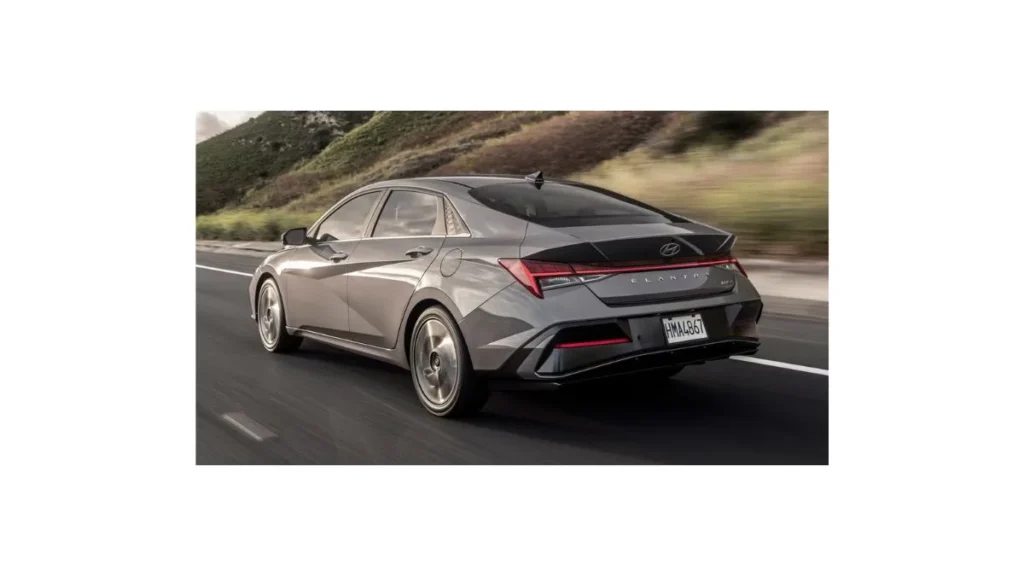
Hyundai Verna 2026 – Stunning Design, Turbo Power & Smart Tech

Hyundai Verna 2026 sedan in India showcasing stunning design, turbo engine performance, premium interiors, and advanced safety features

Hyundai Verna 2026: Why This Turbo Sedan Still Matters in an SUV Obsessed India

In an Indian car market dominated by SUVs and crossovers, the Hyundai Verna 2026 arrives with a quiet but confident message: sedans are far from obsolete. Instead of chasing trends, Hyundai has doubled down on what the Verna has always done best—design, performance, comfort, and technology—while sharpening its appeal for a new generation of buyers.

The 2026 Verna isn’t just a facelift or a routine update. It represents Hyundai’s belief that there is still a strong audience for low-slung, aerodynamically efficient, driver-focused cars, especially among urban professionals and enthusiasts who value refinement over road presence. With turbocharged engines, advanced safety tech, premium interiors, and segment-leading features, the Verna 2026 positions itself as one of the most complete sedans in India today.


Hyundai Verna 2026 Launch in India: What We Know So Far

Hyundai is expected to introduce the Verna 2026 in India around mid-2026, building on the strong response to the current-generation model. Rather than a radical redesign, this update focuses on feature enhancement, technology refinement, and powertrain optimization—areas where buyer expectations have risen sharply.

The Verna continues to be manufactured locally, allowing Hyundai to price it competitively despite adding premium features. This local production advantage also helps Hyundai respond faster to Indian market needs, something global rivals often struggle with.


Exterior Design: Sharp, Confident, and Purposefully Sporty

The Hyundai Verna 2026 doesn’t try to look like an SUV—and that’s exactly its strength.

Key exterior highlights include:

  • Bold LED lighting signature that stretches across the front, giving it a futuristic, premium look

  • Aerodynamic silhouette that improves fuel efficiency and high-speed stability

  • Sculpted body lines that enhance visual length and road presence

  • Sporty alloy wheels and subtle chrome accents for a balanced premium appeal

Unlike older sedans that played it safe, the Verna 2026 is unapologetically modern. It looks sharp without being flashy and premium without being excessive—an approach that appeals strongly to buyers upgrading from hatchbacks or compact sedans.


Interior & Cabin Experience: Where the Verna Truly Shines

Step inside the Hyundai Verna 2026, and it becomes immediately clear why this car continues to dominate its segment.

The cabin focuses on space, comfort, and digital sophistication, offering:

  • Large touchscreen infotainment system with seamless smartphone connectivity

  • Fully digital instrument cluster with customizable displays

  • Premium upholstery and soft-touch materials across key touchpoints

  • Excellent rear-seat legroom, often better than some compact SUVs

Hyundai’s attention to ergonomics stands out. Everything—from seat height to steering placement—is designed for long city commutes and highway drives alike. This is a sedan you can comfortably drive every day without fatigue.


Engine & Performance: Turbo Power That Makes a Statement

Performance is where the Hyundai Verna 2026 truly separates itself from rivals.

Expected powertrain options include:

  • 1.5L turbo-petrol engine, delivering strong acceleration and highway confidence

  • Naturally aspirated petrol option for buyers prioritizing smoothness and efficiency

  • Manual and automatic transmission choices catering to different driving preferences

The turbo engine, in particular, transforms the Verna from a comfortable family sedan into a genuinely engaging driver’s car. It offers:

  • Quick overtakes

  • Stable high-speed cruising

  • Smooth city drivability despite strong power output

In a segment where many cars feel tuned purely for efficiency, the Verna’s turbo setup feels refreshing and enthusiast-friendly.


Ride, Handling & Driving Comfort

Sedans have an inherent advantage over SUVs when it comes to ride quality and handling, and Hyundai makes full use of it here.

The Verna 2026 delivers:

  • Planted handling at high speeds

  • Minimal body roll, even during sharp turns

  • Comfortable suspension tuning for Indian roads

  • Excellent noise insulation, enhancing cabin calm

For buyers who enjoy driving but don’t want a stiff or uncomfortable ride, the Verna hits the sweet spot.


Safety & ADAS: A Big Leap Forward

Safety is no longer optional, and Hyundai understands this well.

The Hyundai Verna 2026 is expected to offer:

  • Multiple airbags (front, side, curtain)

  • ABS with EBD and Electronic Stability Control

  • Advanced Driver Assistance Systems (ADAS) in higher variants

  • Reinforced body structure for improved crash safety

Features like lane assistance, forward collision warning, and adaptive alerts bring the Verna closer to global safety standards something that adds immense value for family buyers.


Technology & Connected Features

Hyundai continues to lead in in-car technology, and the Verna 2026 benefits from this expertise.

Expected tech highlights:

  • Connected car features via smartphone app

  • Voice commands for infotainment and climate control

  • Over-the-air updates for select systems

  • Premium audio system for immersive sound

These features aren’t just gimmicks—they enhance daily usability and long-term ownership satisfaction.


Mileage & Ownership Experience

Thanks to its aerodynamic design and refined engines, the Hyundai Verna 2026 is expected to deliver competitive fuel efficiency, especially compared to heavier SUVs.

Hyundai’s strengths don’t stop at the product:

  • Wide service network across India

  • Relatively affordable maintenance costs

  • Strong resale value

This makes the Hyundai Verna a sensible long-term purchase, not just an emotional one.


Expected Price in India

The Hyundai Verna 2026 is expected to be priced approximately between:

  • ₹11 lakh (ex-showroom) for base variants

  • ₹16 lakh (ex-showroom) for fully loaded turbo variants

This pricing positions it competitively against compact SUVs while offering more performance, comfort, and sophistication per rupee.


Who Should Buy the Hyundai Verna 2026?

The Verna 2026 is ideal for:

  • Urban professionals who want comfort and style

  • Enthusiasts seeking turbo performance without sacrificing practicality

  • Families looking for safety, space, and refinement

  • Buyers tired of bulky SUVs and craving a smooth driving experience


Pros and Cons

Pros

  • Stunning, modern design

  • Powerful turbo engine option

  • Premium interiors and technology

  • Excellent ride and handling

  • Strong safety package

Cons

  • Lower ground clearance than SUVs

  • Top variants can feel pricey

  • Diesel option may be limited or phased out


Final Verdict: A Sedan That Refuses to Be Ignored

The Hyundai Verna 2026 proves that sedans still have a strong place in India—provided they evolve intelligently. With its bold design, turbocharged performance, advanced safety, and premium interiors, the Verna doesn’t just survive in an SUV-heavy market—it stands out.

For buyers who value driving pleasure, comfort, and sophistication over sheer bulk, the Verna 2026 may well be one of the smartest car choices in its segment.

Maruti Fronx Hybrid Launch Delayed to 2027: Space Constraints & Hybrid Tech Challenges Revealed

Maruti Fronx Hybrid compact SUV expected to launch in India in 2027

Maruti Fronx Hybrid Launch Pushed to 2027 – Full Details, Powertrain, Mileage & Expected Price

Maruti Suzuki’s much-anticipated Maruti Fronx Hybrid will now debut in 2027, instead of the earlier 2026 timeline. The delay comes as the company faces engineering challenges while integrating its all-new in-house series hybrid system into the compact Fronx crossover. While the postponement may disappoint eager buyers, it signals Maruti’s intent to fine-tune its hybrid technology for mass-market reliability and efficiency. Once launched, the Fronx Hybrid is expected to deliver strong mileage, smooth city performance, and affordable pricing—making it a key product in Maruti Suzuki’s long-term electrification strategy.

What Is the Maruti Fronx Hybrid Powertrain?

The Maruti Fronx Hybrid will feature Maruti Suzuki’s newly developed series hybrid system, designed specifically for compact and affordable cars. Key components include:

  • 1.2-litre Z12 three-cylinder petrol engine

  • Small battery pack (1.5–2kWh)

  • Electric motor driving the wheels

In this setup, the petrol engine does not power the wheels directly. Instead, it acts as a generator to produce electricity, while the electric motor handles propulsion—ensuring smoother acceleration and better fuel efficiency, especially in urban traffic.


How Is It Different from Existing Hybrids?

Unlike Toyota’s Atkinson-cycle strong hybrid system used in the Grand Vitara and Invicto, Maruti’s series hybrid architecture is:

  • Simpler in design

  • More cost-effective

  • Tailored for compact vehicles

This strategy allows Maruti to bring hybrid technology to mass-market models like the Fronx, Baleno, and Swift, without significantly increasing prices.


Expected Maruti Fronx Hybrid Price

While official pricing hasn’t been announced, the Fronx Hybrid price is expected to fall between ₹10 lakh and ₹12 lakh (ex-showroom). This would position it as one of the most affordable hybrid crossovers in India.


Maruti Fronx Hybrid Mileage (Expected)

Fuel efficiency will be a major highlight. The Fronx Hybrid mileage is expected to range between 20–25 kmpl, making it an attractive option for daily commuters amid rising fuel costs.


Why Is the Maruti Fronx Hybrid Launch Delayed?

The Fronx Hybrid launch date has been pushed to 2027 due to:

  • Space constraints in the compact Fronx platform

  • Challenges in packaging the battery and motor

  • Need for additional testing and refinement

Maruti aims to ensure long-term reliability and smooth performance before introducing its first mass-market hybrid.


What’s Next for Maruti Suzuki’s Hybrid Lineup?

Beyond the Fronx, Maruti Suzuki is planning:

  • A new hybrid MPV by 2029

  • Based on the Suzuki Solio

  • Internally codenamed YVF

  • Expected to offer features like sliding doors

This upcoming MPV will target family buyers and compete with models like the Renault Triber and Nissan Gravite.


Final Take

The delayed launch of the Fronx Hybrid reflects Maruti Suzuki’s cautious but strategic approach to hybrid technology. By prioritizing affordability, efficiency, and real-world usability, the Fronx Hybrid could become a game-changer when it finally arrives in 2027.

FAQ

🔹 What is the Fronx Hybrid launch date in India?

The Fronx Hybrid launch date in India is now expected in 2027. Maruti Suzuki has delayed the launch to refine its new hybrid technology and ensure better reliability. The Maruti Fronx Hybrid was earlier planned for a 2026 debut.


🔹 Why is the Fronx Hybrid launch delayed?

The Fronx Hybrid launch delay is due to challenges in packaging the hybrid battery, motor, and generator within the compact crossover platform. Maruti wants to perfect the setup before introducing the Maruti Fronx Hybrid to the mass market.


🔹 What hybrid system will the Fronx use?

The Fronx hybrid system will be a series hybrid setup where the petrol engine works as a generator and the electric motor drives the wheels. This technology will debut with the Maruti Fronx Hybrid to improve city efficiency.


🔹 What engine will power the Fronx Hybrid?

The Fronx Hybrid engine is expected to be a 1.2-litre Z12 three-cylinder petrol unit paired with a battery pack and electric motor. This setup is designed for smoother performance in the Maruti Fronx Hybrid.


🔹 What will be the Fronx Hybrid price in India?

The Fronx Hybrid price in India is expected to fall between ₹10 lakh and ₹12 lakh (ex-showroom). This will make the Maruti Fronx Hybrid one of the most affordable hybrid crossovers in India.


🔹 What mileage is expected from the Fronx Hybrid?

The Fronx Hybrid mileage is expected to be around 20–25 kmpl, thanks to its efficient hybrid powertrain. This makes the Maruti Fronx Hybrid ideal for daily city commuting.


🔹 How is the Fronx Hybrid different from other hybrid cars?

The Fronx Hybrid vs other hybrids comparison highlights its simpler and more affordable series hybrid setup. Unlike Toyota’s strong hybrids, the Maruti Fronx Hybrid focuses on cost efficiency for mass buyers.


🔹 Is the Fronx Hybrid good for city driving?

The Fronx Hybrid for city driving is expected to perform very well due to electric-motor-driven wheels, smoother acceleration, and better fuel efficiency in traffic conditions.


🔹 Will Maruti launch more hybrid cars after Fronx?

Yes, upcoming Maruti hybrid cars include a new hybrid MPV planned around 2029. The success of the Maruti Fronx Hybrid will play a key role in expanding Maruti’s hybrid lineup.


🔹 Is the Fronx Hybrid worth waiting for?

The Fronx Hybrid worth waiting question depends on your priorities. If fuel efficiency, lower running costs, and future-ready technology matter to you, the Maruti Fronx Hybrid is worth waiting for.

Exciting 2026 Tata Punch Facelift Spied: Sleek New Design, Advanced Features & Enhanced Safety

2026 Tata Punch facelift production-ready design with updated front fascia and LED headlamps

Tata Punch Facelift 2026: Stylish Front Update, Smart Features, and Top-Tier Safety

The 2026 Tata Punch facelift is generating excitement as it nears launch, promising a fresh and stylish update in India’s compact SUV segment. Spy shots reveal a production-ready front fascia with a sleek redesigned grille, slimmer LED DRLs, and new LED headlamps inspired by the Punch EV. Inside, the cabin could feature a larger touchscreen, a refreshed steering wheel with illuminated Tata logo, and even front seat ventilation. Safety gets a significant boost with six airbags as standard, while key amenities like wireless Apple CarPlay/Android Auto, a sunroof, and cooled glove box remain. Priced around ₹6 lakh, the facelift combines style, tech, and safety for urban buyers.

2026 Tata Punch Facelift Signals Tata’s Bigger Play in the Compact SUV Segment

The latest spy shots of the 2026 Tata Punch facelift may look like routine test sightings, but they reveal something more important: Tata Motors is preparing to extend the Punch’s lifecycle with meaningful upgrades, not just cosmetic filler. What stands out this time is how production-ready the test vehicle appears. a clear sign that Tata is moving closer to launch and locking in final design elements.

For a car that already dominates its segment, this facelift isn’t about fixing weaknesses. It’s about defending leadership in a market that’s becoming increasingly competitive and feature-driven.


A Familiar Shape, But With a Sharper Identity

At first glance, the Punch facelift sticks to its proven boxy silhouette and that’s deliberate. Tata knows the Punch’s upright stance and SUV-like proportions are central to its appeal. Instead of reinventing the shape, designers have focused on modernising the face.

The updated front fascia borrows visual cues from the Punch EV, signalling a subtle design unification across Tata’s ICE and electric line-ups. Slimmer LED DRLs, revised LED headlamps, a cleaner grille with horizontal elements, and a redesigned bumper collectively give the Punch a wider, more premium look. The chunky body cladding, a key part of its rugged identity, remains untouched.

New alloy wheel designs add freshness, but Tata has resisted over-styling. a sensible move for a car aimed at mass-market buyers.


The Real Story: Features and Tech Upgrades

One of the most telling details from the spy shots is the presence of a 360-degree camera system. If this feature makes it to production, it would be a segment-first for the Punch and a clear response to rising customer expectations in entry-level SUVs.

Inside, while the cabin hasn’t been fully revealed, earlier sightings hint at:

  • A larger, updated touchscreen

  • A new two-spoke steering wheel with illuminated Tata logo

  • Improved cabin presentation and possibly better materials

There’s also talk of front seat ventilation, which would be a bold move in this price band and reinforce Tata’s strategy of offering features usually reserved for higher segments.


Safety Push Continues And That Matters

Safety has long been one of the Punch’s biggest strengths, and Tata appears keen to double down. The facelift is expected to introduce six airbags as standard, aligning the Punch with upcoming safety regulations and strengthening its position as one of the safest cars in its class.

This isn’t just a spec-sheet upgrade. As buyer awareness around safety grows, especially among first-time car owners, this move could further distance the Punch from rivals that still treat safety as optional.


Same Engines, Smarter Positioning

Mechanically, Tata is playing it safe and that’s not a bad thing. The facelift is expected to retain the familiar:

  • 1.2-litre petrol engine

  • 1.2-litre petrol-CNG option

  • Manual and AMT gearbox choices

These powertrains are well-understood, cost-effective, and reliable. Instead of chasing marginal performance gains, Tata seems focused on value, features, and ownership experience — exactly what Punch buyers prioritise.


Why This Facelift Is Strategically Important

The Punch has become a pillar product for Tata Motors, consistently clocking strong sales and appealing to urban buyers who want SUV styling without SUV prices. With rivals stepping up their game and feature expectations rising, Tata can’t afford complacency.

This facelift:

  • Keeps the Punch visually aligned with Tata’s newer models

  • Adds tech and safety to justify pricing updates

  • Extends the car’s relevance well into the EV transition phase

With an expected starting price of around ₹6 lakh (ex-showroom), the Punch facelift will likely continue to undercut larger SUVs while offering a richer feature set than most hatchbacks.


What Comes Next

The 2026 Tata Punch facelift is expected to launch sometime next year, and it won’t arrive alone. Tata has already confirmed updates for the Punch EV, hinting at a broader strategy to keep the Punch brand fresh across powertrains.

If the production version delivers on what these spy shots suggest, the Punch won’t just stay competitive — it will raise the benchmark once again in India’s most hotly contested entry-SUV space.

2026 Tata Punch Facelift – Frequently Asked Questions (FAQ)

1. When will the 2026 Tata Punch facelift launch in India?

The Tata Punch facelift is expected to launch sometime in 2026. Tata Motors has not officially announced the exact launch date yet, but the production-ready test vehicles suggest a debut within the next year.


2. What changes are expected in the 2026 Tata Punch facelift?

The facelift will bring subtle but noticeable updates, including a redesigned front bumper, revised grille, slimmer LED DRLs, and new LED headlamps inspired by the Punch EV. New alloy wheel designs are also expected, while the overall SUV stance remains unchanged.


3. Will the Tata Punch facelift get new features?

Yes. The updated Punch is likely to receive a larger touchscreen infotainment system, a new two-spoke steering wheel with an illuminated Tata logo, and possibly front seat ventilation. A 360-degree camera could be a major new addition.


4. What safety features will the 2026 Tata Punch offer?

The Tata Punch facelift is expected to offer six airbags as standard, along with ABS with EBD, ISOFIX child seat mounts, rear parking camera, TPMS, and other safety features — reinforcing its strong safety reputation.


5. Will there be any mechanical changes in the Punch facelift?

No major mechanical changes are expected. The Punch facelift will likely continue with the 1.2-litre petrol engine and petrol-CNG option, paired with manual and AMT gearboxes.


6. What will be the price of the 2026 Tata Punch facelift?

The starting price is expected to be around ₹6 lakh (ex-showroom). Final pricing will depend on variant-wise feature additions and market conditions at launch.


7. Will Tata Punch facelift get a sunroof?

Yes, the facelifted Punch is expected to retain the sunroof option available on current higher variants.


8. Who are the main rivals of the Tata Punch facelift?

The Tata Punch facelift will continue to compete with models like the Hyundai Exter, Maruti Ignis, Citroen C3, and Renault Kiger in the entry-level SUV and crossover space.


9. Is the Tata Punch facelift worth waiting for?

If you value updated design, more features, and improved safety, waiting for the 2026 Tata Punch facelift could be worthwhile. However, current Punch buyers may also benefit from discounts closer to the facelift launch.


10. Will Tata also update the Punch EV?

Yes. Tata Motors has already confirmed that the Punch EV will receive updates as well, aligning both ICE and EV versions under a refreshed design and feature strategy.

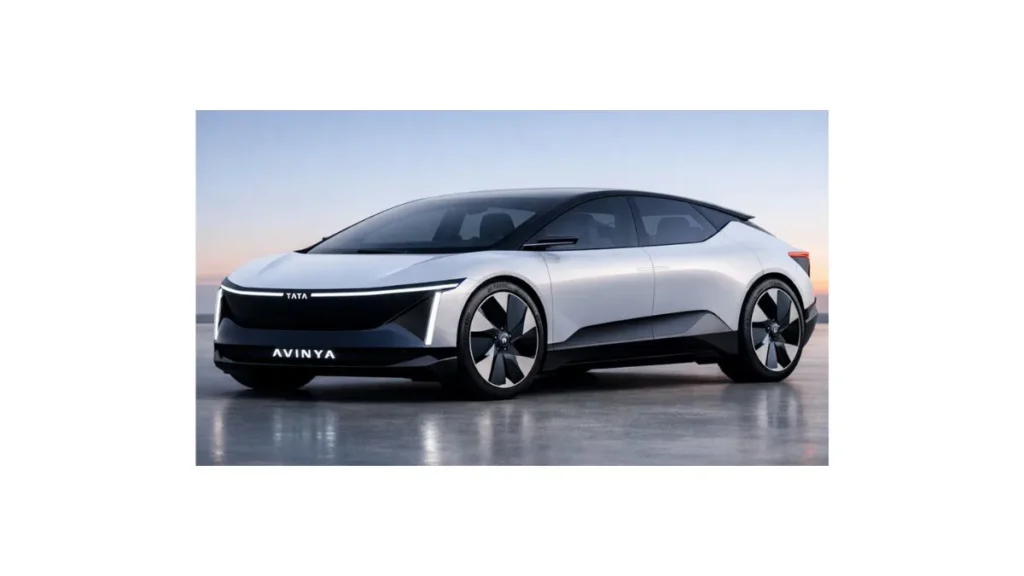
Tata Avinya: The Bold Electric Vision That Could Redefine Premium Cars in India

Tata Avinya premium electric vehicle showcasing futuristic design and spacious cabin

Tata Avinya Signals Tata Motors’ Bold Entry Into Premium Electric Mobility

The Tata Avinya marks a decisive shift in how Tata Motors approaches electric vehicles. Unlike earlier EVs adapted from petrol platforms, Avinya is a clean-sheet, born-electric model designed for the premium segment. Built on a dedicated EV architecture, it promises a spacious lounge-like cabin, advanced charging capabilities, and a refined ownership experience. Expected to launch around 2026, Tata Avinya is not focused on mass volumes but on reshaping brand perception. It signals Tata Motors’ ambition to compete with global EV brands while redefining what premium electric mobility can look like in India.

Tata Avinya Is a Clean-Sheet Electric Vehicle, Not a Converted One

Unlike Tata’s current EVs, which are adapted from internal combustion platforms, the Avinya is born electric from day one. This distinction matters more than it seems.

Avinya is expected to be built on Jaguar Land Rover’s Electrified Modular Architecture (EMA)—a platform engineered specifically for electric propulsion. By eliminating compromises tied to engines, gearboxes, and exhaust systems, Tata gains freedom in design, proportions, and packaging.

What this means for buyers:

  • Flat floor architecture for better space utilization

  • Longer wheelbase without increasing vehicle length

  • More flexible seating layouts and easier ingress/egress

  • Better weight distribution and improved ride comfort

This is the architectural leap Tata could never fully achieve with converted ICE platforms.


Why Tata Avinya Matters in India’s Premium Electric Vehicle Market

The Avinya’s estimated pricing—₹30 lakh to ₹60 lakh—places it firmly in premium territory. This is not an accident. Tata is intentionally stepping away from the value-driven EV formula that defined its earlier success.

At this price point, Avinya will compete with:

  • Hyundai and Kia’s upcoming premium EVs

  • BYD’s electric offerings

  • Select international EV brands entering India

This also means Tata must deliver on expectations that go beyond range figures and touchscreen sizes.

Premium EV buyers care about:

  • Refinement at highway speeds

  • Charging convenience and consistency

  • Software stability and seamless updates

  • Cabin quality, silence, and ride comfort

Avinya is designed to meet these expectations from the platform level up, not as an afterthought.


Tata Avinya’s Cabin Focuses on Human Comfort Over Feature Overload

One of Avinya’s most radical shifts lies inside the cabin. Instead of chasing maximal screens and aggressive digital interfaces, Tata is exploring a human-centric, wellness-driven interior philosophy.

Concept previews suggest:

  • Minimalist dashboard layouts

  • Voice-first interaction rather than constant touch input

  • Sustainable, tactile materials instead of glossy plastics

  • Ambient lighting and sensory elements focused on calmness

This approach aligns Avinya more closely with global luxury EV trends rather than mainstream Indian car design norms. If executed well, it could create a cabin experience that feels intentionally premium—not just technologically advanced.


Tata Avinya Meets Premium EV Expectations With Advanced Software and Charging

While Tata has not revealed final specifications, Avinya’s platform allows for:

  • Faster DC charging capability

  • Advanced battery management systems

  • Over-the-air software updates

  • Improved thermal efficiency for Indian conditions

These elements are critical in the premium EV segment, where buyers expect effortless ownership, not experimentation.

Avinya is also expected to benefit from Tata Group synergies—charging infrastructure, software development, and battery ecosystem investments that go beyond the car itself.


How Tata Avinya Reinvents the Premium EV Buying and Ownership Experience

Perhaps the most underrated shift is how Tata plans to sell Avinya.

Instead of traditional dealerships, Tata is reportedly working on dedicated premium retail channels that combine:

  • Online configuration and booking

  • Curated physical experience centers

  • Personalized delivery and service touchpoints

This “phygital” model recognizes a truth about premium EV buyers: ownership experience matters as much as the product. If Tata executes this well, Avinya could redefine expectations not just for Tata—but for Indian automakers as a whole.


Why Tata Avinya Is a Turning Point for Tata Motors’ EV Strategy

The Avinya matters because it represents multiple strategic transitions at once:

  • Tata’s first true born-electric vehicle

  • Entry into the premium EV price and perception bracket

  • A shift from value-led design to experience-led engineering

  • A new approach to retail, ownership, and brand storytelling

  • A signal that Tata’s EV future is not limited to mass-market dominance

This is Tata Motors declaring that it doesn’t just want to lead India’s EV sales charts—it wants to shape the premium electric narrative.


The Bigger Picture: What Tata Avinya Means for India’s Electric Future

Avinya is not about volume. It is about credibility.

If Tata can deliver on Avinya’s promise—platform sophistication, interior refinement, software reliability, and premium ownership—it will fundamentally change how Indian consumers perceive the Tata badge in the electric era.

More importantly, it will set the tone for Tata’s next generation of EVs, where being electric is no longer the headline—the experience is.

Volkswagen Tayron 2026: India’s Luxury 7-Seater SUV Benchmark

Volkswagen Tayron 2026 luxury 7-seater SUV with triple-screen cabin and mild-hybrid tech

Volkswagen Tayron 2026: The Luxury 7-Seater India Has Been Waiting For

Volkswagen is gearing up to redefine the premium three-row SUV segment in India with the Volkswagen Tayron 2026. Spotted testing locally, this seven-seater promises a perfect balance of space, luxury, and technology, addressing complaints of cramped third-row seating in previous models. With a 2,791 mm wheelbase, triple-screen cabin, and 48V mild-hybrid tech, the Tayron is not just larger than the Tiguan Allspace—it’s smarter, more efficient, and family-ready. Local CKD assembly aims to deliver premium quality at a competitive price. For urban families and tech enthusiasts alike, the Tayron could soon set a new benchmark in India’s luxury SUV market.

More Space, More Comfort

One of the Tayron’s standout features is its increased dimensions. With a 2,791 mm wheelbase, 111 mm longer than the Tiguan, and a total length of 4,735 mm, the SUV addresses previous complaints about cramped third-row seating. Families seeking a comfortable seven-seater now have a credible option that competes with the Jeep Meridian and Skoda Kodiaq, offering both legroom and cargo flexibility.

A Cabin for the Digital Age

Volkswagen’s design team has moved beyond conventional layouts. The Tayron introduces a triple-screen setup—including an interactive passenger display and a high-definition central hub—that integrates Apple CarPlay, Android Auto, and a suite of lifestyle applications. For long drives or tech-savvy occupants, this system transforms the cabin into more than just a vehicle: it’s a mobile living space.

Power and Efficiency

Under the hood, the Tayron maintains Volkswagen’s reputation for strong performance with a 2.0-liter TSI petrol engine, complemented by a diesel option in global markets. Both options benefit from a 48V mild-hybrid system, enhancing fuel efficiency while retaining torque delivery. Available in 2WD and 4WD configurations, this powertrain combination ensures the Tayron is capable both in city commutes and light off-road excursions.

Built in India, Priced for Reach

Volkswagen plans to introduce the Tayron through CKD assembly in India, importing kits from Germany, China, or Mexico. This approach aims to preserve build quality while keeping pricing competitive for luxury SUV buyers. By localizing production, Volkswagen can respond to market dynamics faster and potentially offer a better value proposition than fully imported rivals.

Why It Matters

The Volkswagen Tayron is more than just a Tiguan replacement. It signals Volkswagen’s intent to compete aggressively in India’s premium seven-seater SUV segment, combining family-friendly space with cutting-edge digital features and mild-hybrid efficiency. For buyers seeking both comfort and technology, the Tayron may become the SUV that truly balances luxury, practicality, and performance.

Frequently Asked Questions (FAQ) – Volkswagen Tayron 2026

1. When will the Volkswagen Tayron launch in India?

The Volkswagen Tayron 2026 is expected to launch in the first half of 2026, with production-ready models currently undergoing local testing.

2. Is the Tayron replacing the Tiguan Allspace?

Yes. The Tayron is set to replace the Tiguan Allspace, Volkswagen’s previous three-row SUV, offering more space, modern tech, and premium features.

3. What are the engine options for the Tayron?

The Tayron will feature a 2.0-liter TSI petrol engine and a 2.0-liter diesel, both equipped with 48V mild-hybrid technology for improved efficiency.

4. How big is the Tayron compared to the Tiguan?

With a 2,791 mm wheelbase and overall length of 4,735 mm, the Tayron provides more legroom and cargo space than the Tiguan, especially in the third row.

5. What are the standout features of the Volkswagen Tayron?

The Tayron offers a triple-screen cabin, interactive passenger display, panoramic sunroof, advanced infotainment, and safety features, transforming the SUV into a modern family and tech-friendly vehicle.

6. Will the Volkswagen Tayron be assembled in India?

Yes. Volkswagen plans CKD assembly in India, importing kits from Germany, China, or Mexico to ensure premium quality while keeping prices competitive.