Mahindra Vision S: 2026 Compact SUV Ready to Rival Tata Sierra

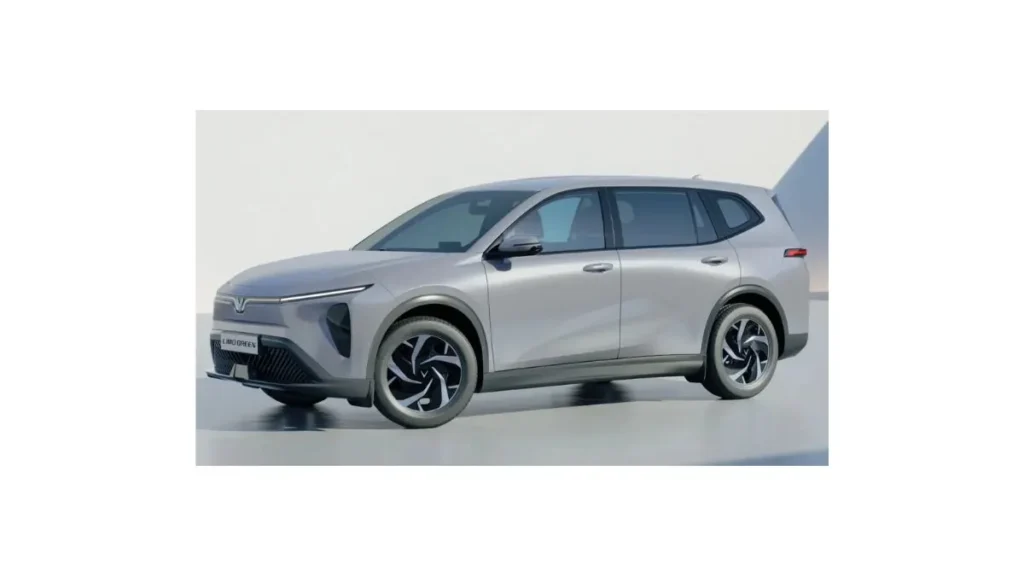
Mahindra Vision S 2026 powerful compact SUV with rugged design

Mahindra Vision S: Compact SUV Set to Rival Tata Sierra in 2026

Mahindra is gearing up to make a bold statement in India’s mid-size SUV segment with the Vision S, a compact lifestyle SUV designed to combine rugged capability with urban sophistication. Recent spy shots of the production-ready model reveal a boxy silhouette, high ground clearance, and a commanding stance, signaling that Mahindra intends this SUV to appeal to both adventure enthusiasts and city drivers. With a modern cabin featuring dual screens, a panoramic sunroof, and advanced driving aids, the Vision S could set new standards for comfort and technology. Positioned against the Tata Sierra, it promises an exciting rivalry for buyers in 2026.

A Design That Commands Attention

The Vision S exhibits a bold, boxy silhouette that immediately signals ruggedness. Upright front fascia, flat bonnet, and round headlamps with integrated LED DRLs hint at a modern yet purposeful design language. High ground clearance, large wheels, and polygonal flared wheel arches suggest that Mahindra is emphasizing both off-road readiness and commanding road presence. Early images also reveal a tailgate-mounted spare wheel and vertical tail lamps, reinforcing its SUV identity. Inside, the cabin is expected to be contemporary, featuring dual 12.3-inch screens, a panoramic sunroof, and a flat-floor layout—an unusual design choice for an internal combustion SUV in this segment.

Features and Technology of Mahindra Vision S

The Vision S is shaping up as a feature-rich SUV. Spy reports indicate advanced safety and driving aids, including radar-assisted systems, traction control, differential lock, hill descent control, and multiple drive modes. Comfort hasn’t been overlooked, with dual-zone climate control, soft-touch dashboard materials, and ergonomic flat-floor seating enhancing the premium feel. Mahindra’s inclusion of a sophisticated suspension setup, possibly a 5-link independent rear system, suggests the company is prioritizing ride quality even on rough terrain.

Powertrain and Options

While Mahindra has not officially confirmed the engines, industry expectations point to a 1.2-litre turbo petrol and a 1.5-litre turbo diesel powering the initial lineup. Given Mahindra’s interest in multi-energy platforms, hybrid or fully electric variants could follow, positioning the Vision S for future-proof relevance in India’s evolving SUV market.

Strategic Rivalry: Tata Sierra in the Crosshairs

The Vision S appears deliberately crafted to appeal to buyers drawn to lifestyle-oriented SUVs with off-road capability, a segment recently energized by the all-new Tata Sierra. With its boxy profile, commanding cabin, and rich feature list, Mahindra seems ready to compete head-on. If the production model retains the design elegance and ride sophistication seen in the concept, the Vision S could emerge as a strong alternative for buyers seeking rugged yet refined mid-size SUVs.

Why It Matters

The Vision S represents more than just another SUV; it signals Mahindra’s intent to modernize its compact SUV portfolio while embracing premium touches that appeal to urban buyers. In a market where lifestyle SUVs are gaining traction, combining off-road credibility with comfort and tech features could redefine the competitive landscape. With Tata Sierra and Mahindra Vision S set to battle for attention, 2026 could be the year lifestyle-oriented, mid-size SUVs truly come of age in India.

Frequently Asked Questions (FAQ) – Mahindra Vision S

1. When will the Mahindra Vision S launch in India?

The Mahindra Vision S is expected to launch in 2026, with production-ready models currently undergoing road tests. Exact dates haven’t been confirmed yet.

2. What are the key design highlights of the Mahindra Vision S?

The Vision S features a boxy silhouette, high ground clearance, polygonal flared wheel arches, flat bonnet, and upright front fascia, giving it a rugged yet modern appearance.

3. What interior features can we expect in the Mahindra Vision S?

The SUV is expected to offer dual 12.3-inch screens, panoramic sunroof, flat-floor layout, soft-touch materials, dual-zone climate control, and a feature-rich dashboard with advanced driving aids.

4. What powertrain options will the Mahindra Vision S have?

While official details are pending, the Vision S may initially offer 1.2-litre turbo petrol and 1.5-litre turbo diesel engines, with hybrid or fully electric options possible in the future.

5. How does the Mahindra Vision S compare to the Tata Sierra?

With its rugged design, high ground clearance, and lifestyle-focused features, the Vision S is positioned to compete directly with the Tata Sierra in India’s mid-size lifestyle SUV segment.

6. Will the Mahindra Vision S have off-road capabilities?

Yes. Features like 5-link rear independent suspension, high ground clearance, traction control, hill descent control, and multiple drive/terrain modes indicate strong off-road potential.

Renault Kwid 2026: Affordable Hatchback Still Worth Buying

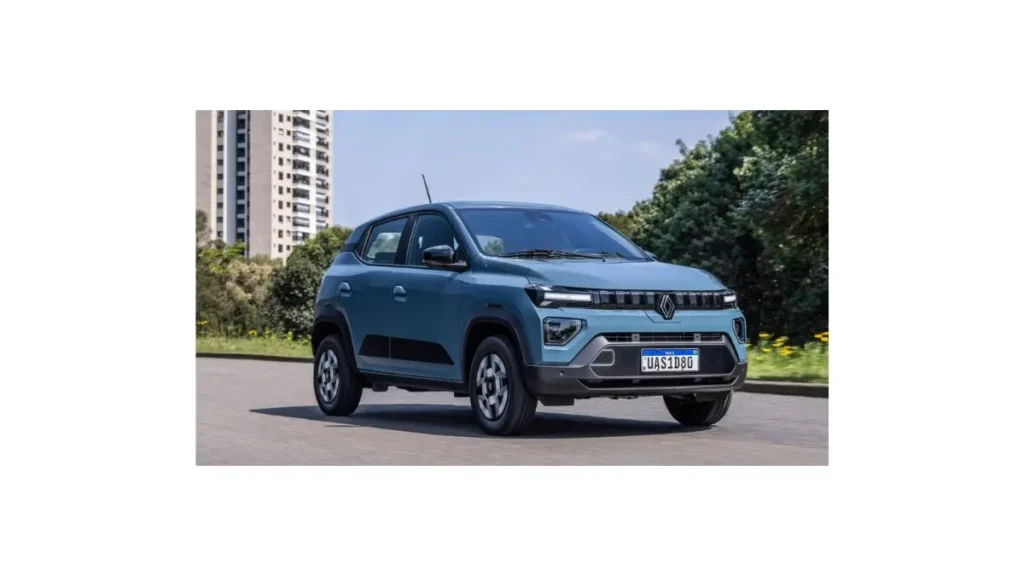
Renault Kwid Facelift 2026 in India showing updated LED DRLs, modern front design, and compact city hatchback styling

Renault Kwid 2026: Affordable Hatchback Still Worth Buying

The Renault Kwid has long been a top choice for first-time car buyers in India. Its compact size, budget-friendly pricing, and practical features have made it ideal for city driving. But 2026 brings fresh challenges: rising input costs, stricter safety standards, and tougher competition from rivals like Maruti Suzuki S-Presso, Tata Tiago, and Datsun redi-GO.

The Renault Kwid 2026 facelift addresses these challenges by modernizing key aspects of the car—interiors, tech, and styling—while retaining the value that has made it popular. For budget-conscious buyers, this update reinforces why the Kwid is still worth considering in 2026.


Why the 2026 Facelift Matters

Entry-level hatchbacks are under pressure in India:

  • Rising costs: Steel, plastics, and electronics are more expensive than ever.

  • Buyer expectations: Even budget buyers now expect modern interiors, digital displays, and infotainment.

  • Competitive pressure: Rivals are upgrading features and styling aggressively.

The facelift ensures Renault stays relevant, offering updated features and practical improvements without major price jumps.


Exterior: Modern Updates That Matter

Renault has refreshed the Kwid’s exterior while keeping its city-friendly footprint:

  • Front design: Split headlamps with LED DRLs give a modern, SUV-inspired look.

  • Grille & bumper: Redesigned for a bolder, contemporary appearance.

  • Rear styling: New tail lamps and bumper clean up the design.

These updates keep the Kwid visually appealing while maintaining easy maneuverability in urban traffic.


Interior: Upgrades That Make a Difference

The facelifted cabin addresses long-standing complaints:

  • 8-inch touchscreen infotainment with Android Auto and Apple CarPlay

  • Digital instrument cluster for modern usability

  • Refreshed dashboard layout and trim for a more premium feel

  • Practical storage solutions for daily city driving

The interior enhancements make the Kwid feel more modern and comfortable without increasing running costs.


Performance: Efficient and Reliable

The 2026 Kwid retains proven engines:

  • 0.8L petrol engine: ~54 PS, ideal for city commutes

  • 1.0L petrol engine: ~68 PS, available with manual or AMT

No turbocharged or hybrid options yet, but these engines provide low maintenance, predictable fuel efficiency, and reliable performance—perfect for the target audience.


Safety: Meets Basic Standards

Safety features include:

  • Driver airbag (standard)

  • ABS with EBD

  • Rear parking sensors

  • Seatbelt reminders

While not class-leading, these updates meet regulatory requirements and provide reassurance for urban driving.


Pricing: Keeping It Affordable

The facelifted Renault Kwid is priced between ₹2.83 lakh and ₹4.85 lakh (ex-showroom):

  • Maintains competitiveness in the entry-level hatchback segment

  • Reflects minor adjustments amid rising costs

  • Early bookings may help lock in lower prices

Renault balances modernization with affordability, keeping the Kwid accessible for budget-conscious buyers.


Who Should Buy the 2026 Kwid

Ideal For:

  • First-time buyers upgrading from two-wheelers

  • Urban commuters needing a compact, city-friendly car

  • Small families seeking affordable, practical mobility

Less Suitable For:

  • Highway-heavy users due to modest engine performance

  • Buyers prioritizing advanced safety features

  • Enthusiasts seeking sporty driving experiences


What the Facelift Signals About Renault’s Strategy

  • Defending the entry-level segment: The facelift keeps Renault competitive.

  • Platform longevity: Cost-effective updates maximize value without new development costs.

  • Future electrification: An electric or hybrid Kwid could appear in the coming years.


Final Verdict: Affordable, Modern, and Still Worth Buying

The Renault Kwid 2026 facelift is not flashy, but it doesn’t need to be. With upgraded interiors, tech improvements, and refreshed styling, it remains practical, budget-friendly, and relevant.

In 2026, where entry-level hatchbacks are slowly disappearing, the Kwid’s combination of affordability, reliability, and city-friendly design makes it still worth buying—especially for first-time buyers and small families.

Renault Kwid Facelift 2026 – FAQs

Q1: What is the price of the Renault Kwid Facelift 2026 in India?
The facelifted Kwid is priced between ₹2.83 lakh and ₹4.85 lakh (ex-showroom) depending on the variant. Early bookings may help buyers avoid future price increases.

Q2: What are the main updates in the 2026 facelift?
Key updates include LED DRLs, refreshed front and rear design, an 8-inch touchscreen infotainment system, digital instrument cluster, and improved dashboard trims and storage.

Q3: Which engines are available?

  • 0.8L petrol (~54 PS) – ideal for city commuting

  • 1.0L petrol (~68 PS) – available with manual or AMT
    These engines focus on fuel efficiency, reliability, and low maintenance.

Q4: What safety features does it offer?
The Kwid 2026 comes with driver airbag, ABS with EBD, rear parking sensors, and seatbelt reminders, meeting basic safety requirements.

Q5: Who is the Kwid facelift best suited for?
It is ideal for first-time car buyers, urban commuters, and small families looking for an affordable, practical, and city-friendly hatchback.

Q6: Is the Renault Kwid 2026 facelift worth buying?
Yes. With modernized interiors, upgraded tech, and refreshed styling, the Kwid remains practical, affordable, and relevant in 2026.

Mahindra XUV 7XO Preview: 540° Camera, ADAS & In-Car Theatre Ahead of 2026 Launch

Mahindra XUV 7XO SUV showcasing new 540-degree camera technology and premium interior features ahead of its 2026 launch

Mahindra XUV 7XO: Advanced Tech and Luxury Features Redefine the XUV700

Mahindra is gearing up to refresh its popular XUV700 with the XUV 7XO, set to debut on 5th January 2026. The latest teasers highlight a striking combination of advanced technology, luxury touches, and subtle styling updates, signaling that Mahindra is aiming to strengthen its position in the premium SUV segment. Beyond mere cosmetic tweaks, the 7XO appears designed to offer an elevated in-cabin experience while keeping the proven mechanical underpinnings of the XUV700 intact.

This move is significant because the homegrown SUV market is becoming increasingly competitive, with rivals like the Tata Safari, MG Hector Plus, and Hyundai Alcazar introducing feature-rich packages to attract urban and family buyers. Mahindra’s strategy seems clear: offer the comfort, tech, and safety features that today’s tech-savvy buyers demand, without dramatically altering the familiar driving experience that has made the XUV700 a success.


Revolutionary In-Car Technology

One of the most eye-catching aspects of the Mahindra XUV 7XO is its 540-degree camera system. Unlike conventional 360-degree setups, this advanced system provides a near-complete view around the vehicle, including blind spots underneath the SUV. Multiple cameras positioned at the front, rear, and side mirrors feed into intelligent software that stitches the visuals into a single, seamless surround view. For drivers navigating tight city streets or uneven terrain, this system promises unmatched situational awareness and enhanced parking confidence.

Mahindra is also introducing advanced ADAS (Autonomous Driving Assistance System) visualizations, which offer real-time graphical representations of active safety systems. This isn’t just a tech gimmick; it provides drivers with clear visual cues about lane-keeping, adaptive cruise control, and collision warning systems, improving both safety and driving confidence.


Entertainment and Connectivity: A Rear Seat Revolution

The XUV 7XO’s cabin is shaping up to be one of the most entertaining in its segment. The in-car theatre mode, supporting BYOD (Bring Your Own Device) functionality, allows passengers in the rear seats to integrate their own smartphones or tablets with Mahindra’s Adrenox+ infotainment system. Coupled with triple screens, a 16-speaker Harman Kardon audio setup, and wireless charging, the SUV seems to be targeting families and long-distance travelers who prioritize comfort and multimedia immersion.

The cabin also receives subtle luxury touches such as a new two-spoke steering wheel with black and tan finish, improved seating ergonomics, and multiple airbags, reinforcing Mahindra’s commitment to both style and safety.


Styling and Design Updates

While the XUV 7XO retains the fundamental silhouette of the XUV700, design updates borrow elements from Mahindra’s XEV 9S concept, including dual-pod LED projector headlamps, pixel-style LED taillamps, and new alloy wheel designs. The refreshed exterior is likely to appeal to buyers looking for a modern, premium aesthetic without alienating fans of the original model.


Powertrain and Mechanical Continuity

Mechanically, Mahindra is retaining the proven engines from the XUV700. This includes a 2.0L turbo petrol engine delivering 200PS and 380Nm and a 2.2L diesel engine offering up to 185PS and 450Nm. Both engines will continue to be paired with 6-speed manual and automatic transmissions, ensuring buyers have flexibility while maintaining the SUV’s reliable performance characteristics.

This decision underscores Mahindra’s approach of balancing innovation with reliability. By keeping the core mechanical setup unchanged, the company can focus on integrating new technology and comfort features without risking driving performance.


Launch, Pricing, and Market Position

The XUV 7XO is set for an official unveiling on 5th January 2026, with market availability shortly afterward. Early indications suggest that base variant pricing will remain close to the current XUV700, while higher-end trims with advanced features like the 540-degree camera, triple-screen setup, and premium audio may see minor price adjustments.

By positioning the XUV 7XO as a technology-forward yet mechanically familiar SUV, Mahindra is looking to compete directly with premium family SUVs, targeting buyers who want a blend of style, comfort, advanced safety, and entertainment features in one package.


Why the XUV 7XO Matters

The Mahindra XUV 7XO is more than just a facelift; it represents a strategic evolution of India’s SUV segment, where technology, safety, and entertainment increasingly drive buyer decisions. The introduction of features like the 540-degree camera, ADAS visualization, and in-car theatre mode sets new benchmarks for SUVs in its price bracket.

For the industry, this launch signals that future SUVs will need to combine traditional powertrain reliability with immersive technology and enhanced user experience. Buyers can expect Mahindra to continue innovating in this direction, potentially influencing competitors to elevate their offerings.

In essence, the XUV 7XO is a statement: compact luxury, cutting-edge tech, and practical performance can coexist in an SUV, without compromising affordability or brand familiarity.

Mahindra Bolero Facelift 2026: What Makes India’s SUV Icon Ready for a Bold Transformation

Mahindra Bolero facelift 2026 with muscular design, premium interiors, and modern SUV features for India

Mahindra Bolero Facelift 2026 Brings Premium Design, Tech, and Future-Ready Powertrains

For over two decades, the Mahindra Bolero has been the undisputed workhorse of India’s rural SUV market. Its no-nonsense boxy silhouette, rugged construction, and affordable pricing made it a staple in villages and small towns, where reliability often mattered more than luxury. However, recent spy shots and insider hints suggest that Mahindra is preparing to radically rethink the Bolero formula — and it may surprise both loyal rural customers and urban buyers alike.


A New Look That Commands Attention

The next-generation Bolero appears to embrace a more muscular, premium aesthetic while retaining the iconic boxy stance. Early images of test mules show sharp lines, a tail-mounted spare wheel, and flush door handles — styling cues that hint at an aspirational, almost urban SUV identity. Observers have even drawn comparisons with the Land Rover Defender, a testament to Mahindra’s ambition to elevate the Bolero’s design language.

This is more than a cosmetic facelift. Flush door handles and refined body panels suggest a potential premium variant aimed at city buyers, challenging the perception of the Bolero as purely a rural, utilitarian vehicle. The risk is balancing this urban ambition with its rural legacy — a misstep could alienate the core audience that made the Bolero a bestseller for decades.


Interiors That Blend Functionality With Tech

Mahindra’s all-new NU_IQ platform is expected to underpin the Mahindra Bolero facelift, bringing with it a cabin that combines practicality with sophistication. Concept models such as the Vision S provide a glimpse of what to expect: a clean, tech-forward layout, potentially featuring a three-screen setup, ventilated front seats, panoramic sunroof, and Level 2 ADAS.

While production models will likely be more restrained, these additions represent a major leap from the current Bolero’s utilitarian interior. For buyers accustomed to minimalistic cabins, this could redefine expectations for what a “simple SUV” can offer.


Powertrain: Evolution Without Compromise

The current Bolero runs a 1.5-liter turbo-diesel engine paired with a 5-speed manual transmission. The next-generation model is expected to retain the same engine to stay within India’s sub-4-meter tax benefits, with an AMT option likely for added convenience.

Mahindra’s NU_IQ platform is versatile enough to accommodate hybrid and electric powertrains, suggesting that an EV version could arrive shortly after the ICE launch. This forward-looking strategy aligns with India’s push toward electrification and positions the Bolero as a potential bridge between traditional diesel SUVs and future EV offerings.


Competition and Market Dynamics

The sub-4-meter SUV space is crowded, but the Bolero’s 7-seater configuration sets it apart. It will compete indirectly with models like the Thar, Venue, XUV400, Bolero Neo, Sonet, and Nexon. A significant differentiator is its rear-wheel-drive setup, contrasting with many competitors’ front-wheel-drive architecture.

The Mahindra Bolero facelift could appeal to urban families seeking a rugged yet refined SUV with ample seating, but it remains to be seen how pricing adjustments will affect rural adoption.


Pricing and Launch of Mahindra Bolero facelift

The outgoing Mahindra Bolero starts around ₹9.5 lakh and peaks at ₹11.5 lakh on-road (Mumbai). With the addition of premium features, the facelifted model could see a price increase of ₹75,000 to ₹1 lakh. Mahindra may continue selling the current Bolero in parallel for rural markets while positioning the new variant as a more plush, aspirational SUV.

Expect the Mahindra Bolero facelift on Indian roads by late 2026, with Mahindra balancing heritage and modernity to maintain its SUV dominance.


Final Take

The Mahindra Bolero facelift is more than a design refresh; it represents Mahindra’s attempt to redefine what a rural SUV can be in India’s evolving automotive landscape. By blending ruggedness with modern features and preparing for electrified variants, the company is trying to future-proof its most iconic product.

Whether this approach will satisfy both traditional buyers and aspirational urban consumers will determine the next chapter in the Bolero’s enduring legacy.

Frequently Asked Questions (FAQ) – Mahindra Bolero Facelift 2026

1. When will the Mahindra Bolero facelift 2026 be launched in India?
The new Bolero facelift is expected to hit Indian roads by late 2026, with official launch announcements likely a few months prior.

2. What are the major design changes in the Bolero facelift?
The facelift brings a muscular, premium look with flush door handles, tail-mounted spare wheel, sharper body lines, and an updated front fascia. It retains the iconic boxy stance while appealing to urban and rural buyers alike.

3. What interior features can we expect in the new Bolero?
The cabin will be upgraded with premium materials, a three-screen setup, ventilated front seats, panoramic sunroof, and potentially Level 2 ADAS. Interiors will blend practicality with a modern SUV feel.

4. Will the Bolero facelift get new powertrain options?
Yes, the Bolero will continue with its 1.5L turbo-diesel engine and may offer an AMT option. Future variants could include hybrid and electric powertrains, leveraging Mahindra’s flexible NU_IQ platform.

5. How much will the Bolero facelift cost in India?
The current Bolero is priced between ₹9.5 lakh and ₹11.5 lakh (on-road, Mumbai). With new premium features, the facelifted model is expected to see a price hike of ₹75,000 to ₹1 lakh, depending on the variant.

6. What segment and competitors will the Mahindra Bolero facelift target?
The Bolero facelift competes in the sub-4-meter SUV segment and indirectly rivals the Thar, Venue, XUV400, Bolero Neo, Sonet, and Nexon, with its unique 7-seater and RWD configuration giving it a distinctive edge.

7. Will the Mahindra Bolero facelift still appeal to rural buyers?
Mahindra faces a balancing act. While premium features target urban buyers, the company may continue selling the outgoing Bolero in rural markets, or potentially relaunch it under a different variant name to retain its traditional audience.

New Renault Duster 2026 Set to Redefine the Midsize SUV Segment in India

New Renault Duster 2026 India Launch with Modern Interiors and Turbo Engine

New Renault Duster 2026 Set to Redefine the Midsize SUV Segment in India

Renault is gearing up for the highly anticipated return of the Duster in India, with the official launch scheduled for January 26, 2026. This marks a strategic move in Renault’s long-term plan to strengthen its foothold in the competitive midsize SUV segment, particularly against stalwarts like the Hyundai Creta, Kia Seltos, and Maruti Suzuki Grand Vitara.

The new-generation Duster is built on a heavily localized CMF-B platform, offering the flexibility to accommodate multiple powertrains and future upgrades while keeping costs competitive. This approach reflects Renault’s “Renault. Rethink.” strategy, focusing on delivering modern SUVs tailored for Indian buyers.


Rugged Yet Refined: Exterior Design

The New Renault Duster 2026 blends its iconic rugged DNA with contemporary styling cues. Spy shots of production-ready prototypes reveal a sharp and purposeful design:

  • Sharper Front Fascia: Integrated LED daytime running lights and sleek LED headlamps bring a modern touch to the aggressive front end.

  • Muscular Proportions: 18-inch diamond-cut Y-pattern alloy wheels, squared-off wheel arches, and robust cladding enhance the SUV’s commanding road presence.

  • Distinctive Rear Styling: Signature Y-shaped LED tail lamps and roof rails maintain the Duster’s instantly recognizable silhouette while adding a premium feel.

This design evolution suggests Renault is aiming for urban buyers who want rugged capability without compromising on sophistication, bridging the gap between adventure and refinement.


Premium Interiors and Tech-Focused Cabin

The cabin of the New Renault Duster 2026 represents a significant upgrade over its predecessor, moving closer to premium SUVs in terms of technology and comfort. Key expected features include:

  • Dual-Screen Setup: 10.1-inch touchscreen infotainment with wireless Android Auto and Apple CarPlay, coupled with a 7-inch digital instrument cluster.

  • Modern Center Console: Electronic gear selector and Y-themed design accents elevate the interior aesthetic.

  • Comfort and Convenience: Dual-zone automatic climate control, wireless charging, and multiple Type-C fast charging ports signal Renault’s focus on tech-savvy, connected customers.

The emphasis on a well-appointed cabin indicates that Renault is targeting not just rural or semi-urban buyers, but also younger, urban professionals seeking style, technology, and practicality.


Engine Options and Performance

Although official specifications are yet to be confirmed, reports suggest that the New Renault Duster 2026 will feature two turbocharged petrol engines:

  • 1.3L Turbo Petrol: Likely the flagship engine, expected to produce around 156 bhp.

  • 1.0L Turbo Petrol: A potential entry-level engine derived from the Kiger lineup.

Both engines are expected to come with manual and automatic (CVT/DCT) transmissions, providing flexibility for a range of driving preferences. Renault’s choice of turbo petrol units indicates a shift toward efficient yet spirited performance, catering to city commuting as well as highway driving.


Strategic Market Positioning

The Duster has long been recognized for its rugged utility, particularly in rural and semi-urban markets. The 2026 model expands this appeal by integrating premium features without losing its off-road-ready character. The SUV will initially launch as a 5-seater, with a 7-seater variant (based on the Dacia Bigster) expected in the near future, allowing Renault to cater to families seeking versatile SUV options.

By modernizing design, upgrading interiors, and offering multiple powertrain options, the New Renault Duster 2026 is positioned to attract a broader spectrum of buyers while solidifying Renault’s brand presence in India.


Why This Launch Matters

The 2026 Duster is not just another SUV launch; it signals a shift in Renault’s India strategy. The localized CMF-B platform ensures cost efficiency, while premium interiors and modern tech reflect the changing expectations of Indian buyers. Moreover, the Duster’s return can set a benchmark for affordable rugged SUVs with a modern twist, forcing competitors to rethink feature offerings and pricing strategies.

With the launch just around the corner, Renault has a chance to reclaim its spot in the midsize SUV segment and appeal to a new generation of buyers looking for style, capability, and technology in one package.


FAQ: New Renault Duster 2026

1. When will the New Renault Duster launch in India?
The official launch is scheduled for January 26, 2026.

2. What platform is the New Renault Duster 2026 built on?
It is built on the CMF-B platform, extensively localized for India.

3. What are the key design highlights of New Renault Duster 2026?
Sharper front fascia with LED DRLs, 18-inch Y-pattern alloy wheels, robust cladding, and Y-shaped LED tail lamps.

4. Will there be a 7-seater version?
Yes, a three-row (7-seater) version is planned, based on the Dacia Bigster.

5. What interior features can buyers expect?
A 10.1-inch touchscreen infotainment system, 7-inch digital cluster, electronic gear selector, dual-zone climate control, and wireless charging.

6. What are the expected engines and transmission options?
Two turbo petrol engines (1.3L and 1.0L) with manual and automatic (CVT/DCT) options.


2026 Maruti Brezza Facelift: Game-Changing CNG & Tech Upgrades You Can’t Miss

2026 Maruti Brezza facelift showcasing CNG tank, tech-upgraded cabin, and refreshed exterior styling

2026 Maruti Brezza Facelift: Game-Changing CNG & Tech Upgrades You Can’t Miss

Maruti Suzuki is set to elevate the Brezza with its 2026 facelift, introducing smarter CNG practicality, a tech-forward cabin, and subtle yet impactful styling updates. This isn’t just a cosmetic refresh—the facelift promises real-world improvements that matter to daily drivers, families, and urban SUV enthusiasts alike.

From an underbody CNG tank that frees up boot space to advanced driver-assistance systems like adaptive cruise control and lane-keeping assist, the new Brezza is designed to make commuting safer, more efficient, and more enjoyable. Coupled with a larger infotainment system, premium cabin touches, and refreshed LED lighting, the facelift ensures the Brezza remains a top contender in India’s compact SUV segment.

Whether you’re looking for cost-effective CNG efficiency, smart tech features, or modern SUV styling, the 2026 Maruti Brezza facelift is shaping up to deliver it all—without compromising the reliability and practicality that made the Brezza a bestseller.

Maruti Brezza Facelift 2026 Interior: Tech-Rich Cabin and ADAS Features

Inside, the Brezza facelift promises a more connected and comfortable experience. Infotainment upgrades could include a larger touchscreen supporting wireless Android Auto and Apple CarPlay, offering seamless smartphone integration. Premium audio options and thoughtful storage improvements, such as expanded gloveboxes and center consoles, enhance practicality for daily use. Higher trims are expected to bring ventilated seats, powered driver adjustments, and ambient lighting that elevate the cabin’s premium feel.

Safety and convenience are set to receive a boost with advanced driver-assistance systems (ADAS). Features like adaptive cruise control, lane-keeping assist, and possibly automatic emergency braking could position the Brezza as a segment leader in safety. In an urban market increasingly focused on tech-enabled driving, these semi-autonomous features make the facelift a compelling choice against rivals offering similar technologies.

Maruti Brezza Facelift 2026 CNG Variant: Practicality Gets a Boost

A standout feature of the 2026 facelift is the rumored underbody-mounted CNG tank. Currently, the cylinder placement reduces boot space, but an underfloor solution—similar to the Maruti Suzuki Victoris—would retain luggage capacity while delivering efficient CNG performance. This change makes the Brezza CNG far more practical for daily commuting and strengthens Maruti’s dominance in the cost-conscious CNG SUV segment, catering to buyers seeking both economy and convenience.

Maruti Brezza Facelift Powertrain: Efficiency and Hybrid Support

Under the hood, the facelift is likely to retain the 1.5-litre K15C petrol engine with smart hybrid assistance. Petrol output is expected to remain around 103bhp and 139Nm of torque, while the CNG variant produces 88bhp and 121.5Nm. Transmission options include a 5-speed manual and 6-speed automatic for petrol variants, and a 5-speed manual for the CNG model. The focus on efficiency, particularly in the CNG variant, ensures that the facelift appeals to urban and cost-conscious buyers without compromising on performance or refinement.

Segment Positioning: How the Maruti Brezza Facelift Competes

Upon launch, the Brezza facelift will continue to compete with popular compact SUVs such as the Tata Nexon, Hyundai Venue, Kia Sonet, Kia Syros, Mahindra XUV3OO, and Skoda Kyalq. By combining subtle design updates, a tech-forward cabin, and improved CNG practicality, Maruti is addressing customer feedback and market trends. The facelift ensures that the Brezza remains a top contender in India’s crowded compact SUV segment, offering a mix of reliability, efficiency, and modern features.

Why the Maruti Brezza Facelift Matters

For buyers, the 2026 Brezza facelift delivers meaningful upgrades—advanced features, enhanced cabin comfort, and a more practical CNG layout—without losing the core appeal of the SUV. For competitors, it signals that Maruti is evolving its bestseller with targeted, thoughtful improvements rather than chasing flashy redesigns. The update reflects a broader industry trend: incremental, well-focused enhancements often offer greater value than radical overhauls, particularly in reliability-driven segments like compact SUVs.

The Maruti Brezza facelift 2026 demonstrates that sometimes subtlety, combined with smart tech and practical upgrades, can be just as impactful as a complete redesign—keeping one of India’s most popular SUVs relevant and competitive in the years ahead.