Vivo X300 Pro Review: When a Smartphone Starts Thinking Like a Camera

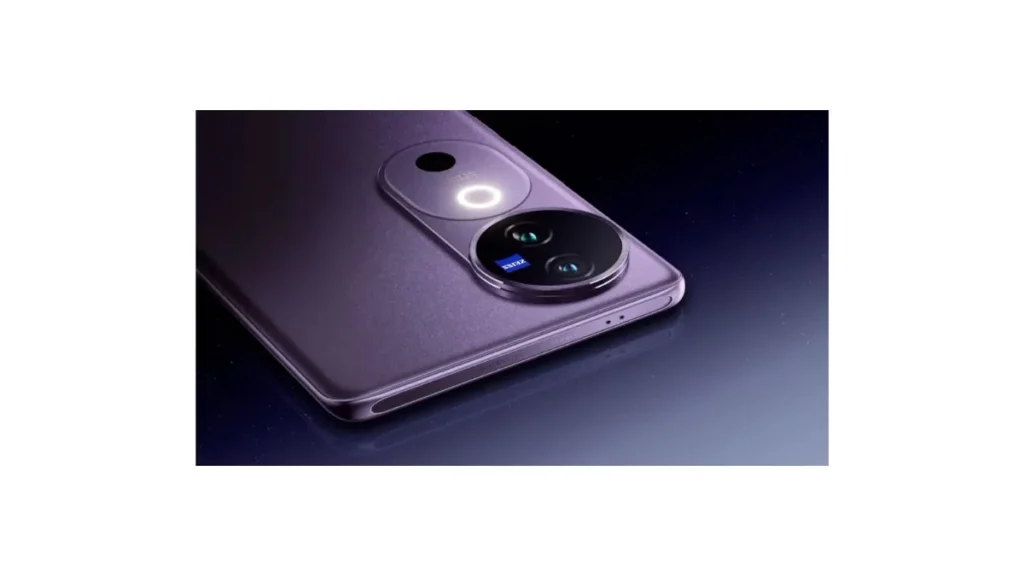
Vivo X300 Pro review showing large camera module and telephoto-focused design

Vivo X300 Pro Review: When a Smartphone Starts Thinking Like a Camera

Most smartphones today talk loudly about photography. Bigger sensors, higher megapixels, smarter AI—every launch promises images that rival dedicated cameras. Very few phones, however, are confident enough to behave like one.

The Vivo X300 Pro belongs to that smaller, more interesting group.

This is not a phone built to win spec-sheet arguments on social media. It is built around a quieter ambition: to give users the confidence to zoom, wait, observe, and frame—behaviours traditionally associated with photographers, not phone owners. After living with it as both a daily device and a primary camera, the Vivo  X300 Pro reveals something important about where smartphone imaging is heading.


Why the Vivo X300 Pro Matters Right Now

Smartphone cameras have largely plateaued in the wide-angle space. Daylight photos are consistently good across brands. Where phones still struggle—and where real cameras still dominate—is reach. Distance compresses detail, punishes stabilisation, and exposes the limits of computational photography.

Vivo’s answer isn’t just a bigger sensor or more aggressive AI. It’s a system-level rethink of telephoto photography—one that treats zoom not as an afterthought, but as a core creative tool.

That choice alone changes the conversation.


Design That Doesn’t Apologise for Its Purpose

The Vivo X300 Pro doesn’t try to hide its priorities. The large circular camera module dominates the back, and that’s intentional. Camera-first phones shouldn’t pretend to be minimalist slabs; they should wear their purpose openly.

The matte glass finish balances the visual weight, keeping the phone grippy even in humid or sweaty conditions. Despite the prominent camera hardware, weight distribution is handled well. Shooting in landscape orientation—especially at longer focal lengths—never feels awkward or top-heavy.

On the front, Vivo’s decision to stick with a flat 6.78-inch AMOLED display deserves credit. Flat panels are underrated, especially for people who edit photos on their phones. Cropping, straightening horizons, and judging edges feel more precise without curved distortions.

The display itself is excellent: 120Hz smoothness, restrained colour tuning, strong outdoor brightness, and HDR performance that enhances rather than exaggerates. This is a screen designed for looking critically at images, not just consuming content.


Performance That Stays Invisible—and That’s a Compliment

Powered by the MediaTek Dimensity 9500 with 16GB RAM, the Vivo X300 Pro never draws attention to its performance. Apps stay in memory, multitasking feels effortless, and the phone behaves consistently from morning to night.

That consistency matters more than peak numbers. When you’re switching constantly between camera, gallery, maps, editing tools, and messaging—often outdoors—any hesitation breaks flow. The X300 Pro doesn’t interrupt you.

Gaming performance is solid, thermal behaviour is predictable, and while the phone does warm up during extended camera use, it never crosses into discomfort or throttling territory.


Battery Life Built for Long Days, Not Just Benchmarks

With its 6,510mAh battery, the Vivo X300 Pro is clearly designed for users who stay out longer than their charger does.

Heavy photography days—navigation, editing, screen-on time, telephoto use—still end comfortably without anxiety. Battery drain during zoom-heavy shooting is noticeable but logical, not erratic. That predictability is key when you’re travelling or working in the field.

Charging speeds are fast enough that short top-ups actually make a difference, which matters more in real life than headline wattage figures.


Software: Vivo Finally Gets Out of the Way

OriginOS 6 marks a turning point for Vivo’s software reputation. Where older Vivo interfaces felt busy and dated, this one feels modern, fluid, and restrained.

Animations are smooth without being showy. Transitions make sense. The phone responds immediately to intent. Over time, the interface fades into the background—which is exactly what good software should do.

The camera app itself is dense, but intentionally so. This is closer to a camera menu system than a casual point-and-shoot interface. It takes time to learn, but once you do, control becomes second nature.

Some AI tools are genuinely useful—object removal, quick composition fixes—while others are easy to ignore. That balance matters. Tools should assist, not demand attention.


The Camera Philosophy: Zoom First, Everything Else Follows

On paper, the camera setup looks impressive:

  • 50MP main camera

  • 50MP ultra-wide

  • 200MP ZEISS-backed telephoto

In practice, what stands out is how deliberately Vivo treats the telephoto lens. It isn’t secondary. It’s central.

The telephoto camera delivers reliable focus, strong stabilisation, and consistent colour science across distances. More importantly, it invites you to try shots you’d normally skip on a phone—distant subjects, fleeting wildlife moments, scenes where stepping closer isn’t possible.

The Telephoto Extender: Niche, Serious, Effective

The optional telephoto extender kit pushes the Vivo X300 Pro into unusual territory. This isn’t a gimmick lens meant for casual experimentation. It’s a serious accessory designed for specific use cases: wildlife, stage performances, distant observation.

It adds weight, requires care, and demands patience. But when conditions are right, it delivers clarity that digital zoom simply cannot replicate. Detail holds. Stabilisation remains usable. Focus doesn’t panic.

The result isn’t just sharper images—it’s confidence. Confidence to wait, to frame carefully, to trust the shot.


Image Output: Documentary, Not Decorative

Across varied subjects—landscapes, animals, people, motion—the Vivo X300 Pro’s images share a consistent character. Colours are controlled, details aren’t over-sharpened, and backgrounds fall away naturally.

Photos don’t scream “shot on a phone.” They feel observational rather than performative.

Low light still challenges the telephoto lens, as physics demands, but the phone gives you a genuine chance where most smartphones simply fail outright.

The ultra-wide camera is reliable in daylight, less impressive after dark. The front camera delivers clean, natural selfies without aggressive smoothing.

Video performance is solid and dependable. 4K60 footage is stable, telephoto video remains usable, and focus behaviour stays calm—even while moving.


Durability and Daily Confidence

With IP68 and IP69 ratings, the Vivo X300 Pro inspires trust. Dust, humidity, constant handling, travel wear—it all fades into the background. You don’t feel the need to baby the phone, which is crucial for a camera-first device.

A phone that makes you hesitate to use it freely is a failed design. This one doesn’t.


The Bigger Picture: Who Is This Phone Really For?

At ₹1,09,999, the Vivo X300 Pro is not trying to appeal to everyone. It doesn’t justify its price through flashy tricks or mass-market appeal.

Instead, it targets a specific mindset:

  • People who frame before they shoot

  • People who value reach over filters

  • People who travel, observe, and wait

  • People who want to leave a bigger camera behind—sometimes

The telephoto extender kit, priced separately, reinforces that focus. It’s not essential, but when you need it, nothing else like it exists in the smartphone world.


Final Verdict: A Tool, Not a Toy

The Vivo X300 Pro isn’t perfect. It’s large, expensive, and unapologetically specialised. But that’s precisely why it matters.

It doesn’t try to make photography effortless. It tries to make it trustworthy.

And when a smartphone earns enough trust to change how you see, wait, and frame the world, it stops being just a phone. It becomes a tool—and that’s a much rarer achievement.

Motorola Edge 70 Review: The Most Thoughtful Smartphone Under ₹30,000?

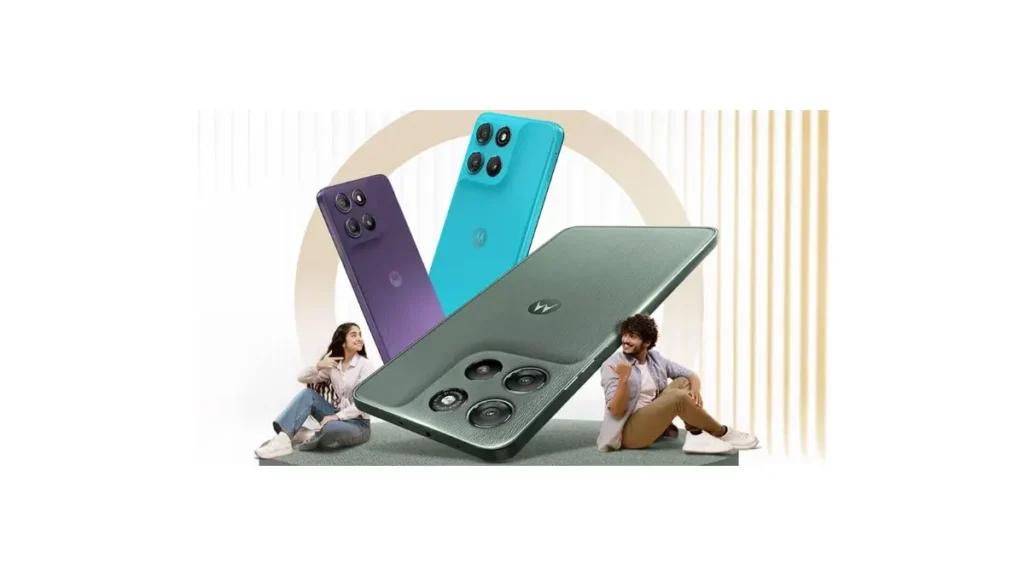
Motorola Edge 70 review showing design, AMOLED display and camera module

Motorola Edge 70 Review: Why This Phone Matters More Than Its Price Tag

When Motorola launched the Edge 70 in India, it didn’t try to steal headlines with gimmicks or flashy slogans. Instead, it made a more interesting statement—one that speaks directly to how the Indian smartphone market is maturing.

At ₹29,999 (effectively ₹28,999 with launch offers), the Edge 70 isn’t chasing the budget segment, nor is it pretending to be a flagship killer. It sits deliberately in the mid-premium tier, and that positioning tells us more about Motorola’s strategy—and the future of Android phones in India—than the spec sheet alone.


Motorola Edge 70 Review: Why This Launch Signals a Shift in India’s Mid-Range Market

The Motorola Edge 70 arrives at a time when mid-range phones are no longer defined by compromise. Indian buyers today expect longevity, premium build quality, and future-ready hardware—even below ₹30,000. Motorola’s approach with the Edge 70 reflects this shift.

Instead of inflating numbers for marketing, Motorola has focused on three long-term priorities:

  1. Platform stability

  2. Battery technology evolution

  3. Software relevance

Each of these choices hints at where the industry is heading.


Snapdragon 7 Gen 4: The Sensible Middle Ground

The Snapdragon 7 Gen 4 isn’t meant to outperform flagship chips, and that’s exactly the point. Qualcomm’s 7-series has quietly become the backbone of the Indian mid-premium market, offering sustained performance without thermal drama.

For most users—gaming, camera processing, AI features, multitasking—the 7 Gen 4 delivers consistency rather than spikes. Paired with LPDDR5x RAM and UFS 3.1 storage, the Edge 70 prioritizes real-world responsiveness over benchmark vanity.

This is a crucial distinction. Phones in this price bracket are increasingly judged by how well they age, not how fast they feel on day one.


Android 16 Out of the Box: A Subtle but Important Advantage

Shipping with Android 16 preinstalled gives Motorola an early-mover advantage that often goes unnoticed. In India, where many users keep phones for 3–4 years, starting on the latest Android version significantly extends the device’s relevance.

Motorola’s promise of:

  • Three Android version upgrades

  • Four years of security updates

places the Motorola Edge 70 closer to long-term value devices than seasonal refreshes. For professionals, students, and creators, this matters far more than an extra camera lens.


Silicon-Carbon Battery: The Real Innovation Here

The most forward-looking feature of the Motorola Edge 70 isn’t the display or cameras—it’s the 5,000mAh silicon-carbon battery.

Silicon-carbon cells represent the next phase of smartphone battery tech, offering higher energy density without increasing size or weight. That’s how Motorola manages a phone that’s:

  • Just 5.99mm thick

  • Only 159 grams

  • Yet still supports 68W fast charging, 15W wireless charging, and reverse charging

This isn’t just about slimness—it’s about efficiency. Expect silicon-carbon batteries to become standard in premium phones over the next two years. Motorola is simply early to the trend.


Cameras: Balanced, Not Overpromised

Triple 50MP cameras may sound excessive, but Motorola’s execution is restrained. The focus here is consistency across lenses rather than chasing megapixel bragging rights.

  • The main sensor with OIS ensures reliable everyday photography

  • The ultra-wide maintains resolution parity

  • The 50MP front camera with 4K60 support caters to India’s creator-first audience

This setup reflects a shift away from “flagship camera hype” toward predictable, dependable imaging, especially in video—a growing priority in the social media era.


Display and Durability: Quietly Premium

A 6.7-inch 1.5K AMOLED panel with 120Hz refresh rate, Dolby Vision, HDR10+, and peak brightness of 4,500 nits places the Motorola Edge 70 comfortably among the best displays under ₹30,000.

Add:

  • Gorilla Glass 7i

  • IP68 + IP69 ratings

  • MIL-STD durability testing

  • Aircraft-grade aluminium frame

And you get a phone that’s built not just to look premium, but to survive Indian usage conditions—heat, dust, water, and drops.


The Bigger Picture: Motorola’s Reset Strategy

The Motorola Edge 70 is part of a broader Motorola recalibration. Instead of flooding the market, the brand is focusing on fewer, better-defined products with clearer upgrade paths and cleaner software.

This strategy positions Motorola as a credible alternative to brands chasing spec-sheet noise. For buyers exhausted by cluttered UIs and short update cycles, that restraint may be the Motorola Edge 70’s strongest selling point.


What This Means for Buyers—and the Market

The Motorola Edge 70 isn’t trying to impress everyone. It’s designed for users who:

  • Keep phones longer

  • Care about software longevity

  • Want premium hardware without flagship pricing

  • Value battery innovation over gimmicks

In that sense, the Motorola Edge 70 represents a maturing smartphone market, where refinement matters more than spectacle.

If silicon-carbon batteries, long-term Android support, and balanced performance become the norm—as this phone suggests—the next wave of mid-premium smartphones will feel far less “mid” than they do today.

7 Things to Know About the Wobble One Smartphone Launch in India

Wobble One smartphone launched in India with AMOLED display and clean Android

7 Things to Know About the Wobble One Smartphone Launch in India

India’s mid-range smartphone market is fiercely competitive, yet often lacks differentiation. With the Wobble One, Indkal Technologies’ Wobble brand aims to stand out—not just as another device, but as a statement about locally designed, globally competitive tech.

Here’s what makes the Wobble One noteworthy:


1. Made in India with Global Ambitions

The Wobble One is designed and manufactured domestically, reflecting Wobble’s commitment to local production. Unlike many competitors who rely heavily on imports, Wobble is positioning itself as a brand that can serve both the Indian market and international audiences.


2. Targeting the ₹20,000–₹25,000 Mid-Range Sweet Spot

Instead of chasing flagships or budget cutthroats, the Wobble One enters the most contested mid-range segment. This price bracket features heavyweights like Realme, iQOO, Redmi, Poco, OnePlus Nord, and Nothing, making differentiation crucial.


3. Efficient Performance with Dimensity 7-Series

Powered by a MediaTek Dimensity 7400/7500-class chip on a 4nm TSMC process, clocked at 2.6GHz, the Wobble One emphasizes sustained efficiency over peak benchmarks. With up to 12GB RAM and 256GB storage, it promises consistent gaming performance, thermal management, and long-term reliability.


4. Camera Stability Over Gimmicks

The device features a 50MP Sony LYT600 primary sensor with optical image stabilization (OIS), an 8MP ultra-wide lens, and a macro camera. Its proprietary “Wobble Mode” enhances handheld video stability. Backed by MediaTek Imagiq imaging and HDR support, the phone focuses on real-world usability rather than inflated megapixel numbers.


5. Premium Display and Build

The 6.67-inch FHD+ AMOLED display with 120Hz refresh rate and Dolby Vision support delivers smooth visuals. Coupled with a glass back and aluminium alloy frame, the Wobble One stands out in a segment often dominated by plastic phones, offering a genuinely premium feel in-hand.


6. Clean Android 15 Experience

Wobble One runs stock Android 15 with Google AI optimizations, avoiding preloaded apps and bloatware common in this category. This clean software approach not only improves performance and battery efficiency but also positions the brand as serious about long-term updates.


7. Battery, Pricing, and Market Implications

Battery endurance claims include up to 47 hours of calling, 24 hours of video playback, and 22 days of standby—underscoring efficiency over raw capacity. With pricing starting at ₹22,000 and multiple configurations (8GB/128GB to 12GB/256GB), the Wobble One is competitively positioned to disrupt India’s mid-range market. Its launch signals a shift toward locally made, performance-balanced, and user-focused smartphones.


People Also Ask


1. Why is the Wobble One Made in India?

  • How Wobble is building locally for global markets

  • Benefits of domestic manufacturing for consumers

2. What Price Segment Does the Wobble One Target?

  • Competing with Realme, iQOO, Redmi, Poco, OnePlus Nord, and Nothing

  • Pricing strategy in the ₹20,000–₹25,000 range

3. How Powerful is the Wobble One for Performance?

  • MediaTek Dimensity 7400/7500-class SoC explained

  • RAM and storage options for gaming and multitasking

  • Thermal management and efficiency

4. How Good is the Wobble One Camera?

  • 50MP Sony LYT600 OIS primary sensor

  • Ultra-wide and macro lenses

  • Proprietary Wobble Mode for video

  • HDR imaging with MediaTek Imagiq

5. What Display and Build Quality Does the Wobble One Offer?

  • 6.67-inch FHD+ AMOLED, 120Hz, Dolby Vision

  • Glass back with aluminium alloy frame

  • How it feels compared to competitors

6. What Software Experience Does the Wobble One Provide?

  • Stock Android 15 with Google AI optimizations

  • Bloat-free interface advantages

  • Update and long-term support potential

7. What About Battery, Pricing, and Market Impact?

  • Battery claims: calling, video, standby

  • Price starting at ₹22,000 with multiple configurations

  • How the Wobble One is shifting India’s mid-range smartphone market

Redmi Note 15 5G: Redefining Value and Performance in India’s Mid-Range Smartphone Market

Redmi Note 15 5G smartphone showing curved AMOLED display, 108MP camera, and sleek design

Redmi Note 15 5G: Price, Specs, and Features Shaping India’s Mid-Range Market

India’s mid-range smartphone segment is about to get a significant upgrade with the upcoming Redmi Note 15 5G. Set to launch on January 6, 2026, this device promises to combine high-end features like a 108MP camera, 6.77-inch AMOLED display, and 5,520mAh battery under a competitive price, challenging rivals in the ₹20,000–₹25,000 range. Here’s a detailed look at what makes the Redmi Note 15 5G a potential game-changer.


Redmi Note 15 5G Launch in India: Key Details and Pricing

Leaked reports indicate that the Redmi Note 15 5G will be available through Amazon India and the Xiaomi India online store. Pricing is expected to be aggressive:

  • ₹22,999 for 8GB RAM + 128GB storage

  • ₹24,999 for 8GB RAM + 256GB storage

This undercuts the global variant, which launched at roughly ₹30,000 in Poland, and offers higher RAM for better multitasking in India. With color options likely including Black, Glacier Blue, and Mist Purple, Xiaomi is positioning this device as a premium-feel mid-range smartphone without breaking the budget.


Display, Performance, and Battery: What Sets It Apart

Curved 6.77-inch AMOLED Display and 120Hz Refresh Rate

The Redmi Note 15 5G features a curved AMOLED panel with 120Hz refresh rate and peak brightness of 3,200 nits. With Hydro Touch 2.0, the display remains responsive even with wet fingers, while TUV Triple Eye Care certification ensures reduced eye strain—a rare feature in mid-range phones.

Snapdragon 6 Gen 3 Chipset: Performance and Longevity

Powering the device is Qualcomm’s Snapdragon 6 Gen 3, promising 10% GPU boost and 30% CPU improvement over its predecessor. Xiaomi claims the chipset will deliver 48 months of lag-free performance, reflecting a focus on long-term usability rather than short-term benchmark scores.

5,520mAh Battery with 45W Fast Charging

Battery life is a major selling point. The 5,520mAh unit supports 45W fast charging, enabling users to comfortably last 1.5–1.6 days on a single charge—an advantage in a market where battery endurance often trumps display or camera specs.

IP66 Dust and Water Resistance

Adding durability to the mix, the device carries an IP66 rating, offering resistance against dust and powerful water jets. This is a feature that sets it apart in the mid-range segment, which rarely sees this level of ingress protection.


Camera Capabilities: 108MP Sensor and Real-World Photography

The 108MP MasterPixel primary sensor with optical image stabilization (OIS) enables high-resolution photos and 4K video recording, a rare combination in this price bracket. Paired with an 8MP secondary sensor and 20MP front camera, the Redmi Note 15 5G targets content creators and social media users who demand reliable, versatile photography without paying flagship prices.


Why the Redmi Note 15 5G Matters for Indian Consumers

The significance of the Note 15 5G extends beyond specs:

  1. Value for Money: Offers flagship-level camera and display features under ₹25,000.

  2. Longevity: Optimized performance and promised multi-year support align with consumers holding phones for 3+ years.

  3. Real-World Usability: Large battery, water resistance, and a bright AMOLED display improve daily user experience.

Xiaomi’s focus on user experience over raw specs is a strategic shift for the mid-range market in India.


Competitive Landscape: How Rivals Will Respond

Brands like Samsung, Realme, and Vivo dominate India’s mid-range segment, but the Redmi Note 15 5G raises the bar:

  • Samsung Galaxy A series may face pressure to enhance display, battery, or camera features.

  • Realme and Vivo will need to rethink camera sensors and software optimization to compete.

  • Aggressive pricing could trigger value-focused competition, benefiting Indian consumers.


Future Implications: Mid-Range Smartphones in 2026

If Xiaomi executes on the Note 15 5G’s promises, we may see:

  • Higher baseline features in mid-range smartphones, including OIS cameras and AMOLED displays.

  • Increased importance of software support and device longevity as differentiators.

  • Competitive pricing pressure, prompting rivals to deliver more value in the ₹20,000–₹25,000 range.

The Redmi Note 15 5G is not just another phone—it could reshape expectations for mid-range devices in India, influencing market dynamics well into 2026.


Comparing Redmi Note 15 5G with Samsung, Realme, and Vivo

FeatureRedmi Note 15 5GSamsung Galaxy A54Realme 16 ProVivo T2 Pro
Display6.77″ AMOLED, 120Hz6.5″ Super AMOLED, 120Hz6.6″ AMOLED, 120Hz6.78″ AMOLED, 120Hz
ProcessorSnapdragon 6 Gen 3Exynos 1380Dimensity 6100+Snapdragon 7 Gen 2
Camera108MP + 8MP OIS50MP + 12MP108MP + 2MP64MP + 2MP
Battery5,520mAh, 45W5,000mAh, 25W5,000mAh, 33W4,700mAh, 44W
Price (INR)₹22,999–24,999₹27,999–29,999₹23,999–25,999₹24,499–26,499

The comparison highlights Redmi Note 15 5G’s value advantage, particularly in battery capacity, camera resolution, and price, making it a compelling choice for mid-range buyers.

Honor Win Packs a 10,000mAh Battery — A Bold Challenge to Today’s Fragile Flagships

Honor Win smartphone featuring a massive 10000mAh battery and Snapdragon 8 Elite chipset

Honor Win Packs a 10,000mAh Battery — A Bold Challenge to Today’s Fragile Flagships

For years, flagship smartphones have prioritized slim profiles and fast charging over lasting power. Honor appears ready to challenge that thinking. With the upcoming Honor Win, the company is betting that battery life—not thinness—will define the next premium smartphone experience.

Launching in China on December 26, the Honor Win isn’t trying to win design awards or chase lifestyle aesthetics. Instead, it targets something far more practical: endurance, sustained performance, and real-world usability. With a massive 10,000mAh battery, Snapdragon 8 Elite Gen 5 chipset, and up to 32GB RAM, Honor appears to be redefining what a flagship phone should prioritize.


Honor Win: Rethinking Flagship Smartphones for Real-World Usage

In a world obsessed with ultra-thin phones and rapid charging, Honor is asking a simple question: should premium smartphones prioritize elegance over endurance? The Honor Win represents a philosophical shift—designing for real-world reliability rather than fleeting style.


A 10,000mAh Battery That Changes How You Use Your Phone

Most premium smartphones today ship with batteries ranging between 4,500mAh and 5,500mAh. While sufficient for a day, they still force users into constant battery monitoring. Honor Win challenges that mindset entirely.

Who Is This Battery Really For?

The sheer size of the battery suggests Honor is targeting:

  • Mobile gamers who play for hours without breaks

  • Travelers who spend long stretches away from charging points

  • Users dependent on streaming, navigation, or hotspot usage

  • Professionals who expect their phone to last beyond a single workday

This isn’t about stretching screen-on time marginally—it’s about eliminating battery anxiety altogether. If real-world performance aligns with expectations, Honor Win could comfortably deliver two full days of heavy usage, something rare in the flagship segment.


Snapdragon 8 Elite Gen 5 — Power That’s Designed to Last

A large battery only matters if the processor uses it efficiently. Honor’s choice of the Snapdragon 8 Elite Gen 5 reflects a focus on sustained performance rather than short benchmark bursts.

More Than Just Raw Speed

This chipset is optimized for:

  • Advanced AI workload handling

  • Better thermal stability during prolonged gaming

  • Reduced power drain from background processes

Honor further strengthens this setup with its C1+ RF enhancement chip and E2 power efficiency chip, enabling finer control over connectivity and energy consumption—a feature increasingly defining premium experiences.


32GB RAM — Overkill or Smart Future-Proofing?

At first glance, 32GB RAM might seem excessive. But Honor’s implementation is designed for future-proof performance.

How the RAM Is Structured

  • 16GB LPDDR5x Ultra physical RAM

  • 16GB virtual RAM expansion

While current apps may not fully utilize this capacity, the industry is moving toward:

  • On-device AI processing

  • Console-level mobile games

  • Desktop-style multitasking modes

Honor Win isn’t just for today—it’s built to remain fast and relevant three to four years down the line, especially for power users and professionals.


Display and Camera — Purposefully Balanced Choices

Honor appears to have taken a sensible approach with visuals and imaging, focusing on clarity and efficiency rather than extreme specs.

Display Highlights

  • Approx. 6.83-inch screen

  • 1.5K resolution (2800 × 1272)

  • Optimized for clarity without excessive battery drain

Camera Setup

  • Triple rear camera system

  • 50MP main sensor

Instead of chasing extreme megapixels or experimental optics, Honor focuses on consistent and dependable performance. The camera complements the phone—it doesn’t define it.


Why the Honor Win Launch Actually Matters

The significance of Honor Win goes beyond its spec sheet. It represents a philosophical shift in flagship design.

A Question to the Industry

Should premium smartphones continue prioritizing thinner, flashier devices, or should they focus on lasting longer and performing reliably?

If Honor Win succeeds:

  • Large batteries may regain relevance in flagship devices

  • A distinct “power-user flagship” category could emerge

  • Battery anxiety could fade from the premium segment

This is more than a technical upgrade—it’s a potential redefinition of high-end smartphone priorities.


What Comes Next?

Currently, Honor Win is confirmed for China Honor. A global launch would position it as a direct challenger to Samsung, Xiaomi, and OnePlus flagships, not through flashy marketing but through real-world usability.

Honor Win doesn’t promise elegance or minimalism. It promises reliability, endurance, and performance that doesn’t quit. In today’s smartphone landscape, that may be the most premium promise of all.