Realme P4 Power 5G Is a Battery Monster: Why India’s 10,000mAh Phone Could Change Smartphones in 2026

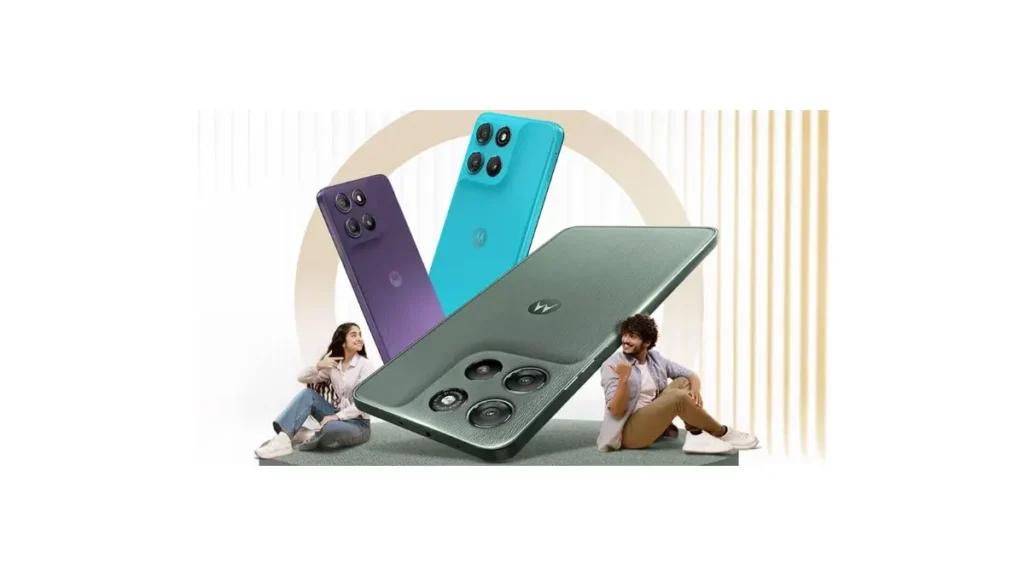
Realme P4 Power 5G smartphone featuring a massive 10,000mAh battery, slim design, and 144Hz display ahead of its India launch

Realme P4 Power 5G: How a 10,000mAh Battery Signals a New Direction for Smartphones

The Realme P4 Power 5G isn’t just another smartphone launch it’s a clear statement about what users actually need in 2026. By teasing a phone with a massive 10,000mAh battery, Realme is challenging years of industry compromise around battery life, weight, and design. At a time when AI features, 5G, and high-refresh displays are draining phones faster than ever, Realme’s latest P-series device puts endurance back at the center of the conversation. With a slim body, modern display tech, and power-focused features, the P4 Power could redefine expectations for everyday smartphone reliability.

Realme P4 Power Signals a Shift in Smartphone Priorities and It’s About Time

For years, smartphone launches have followed a predictable script: faster chips, more cameras, thinner bodies. Battery life arguably the most important real-world feature has been treated as a background detail. The upcoming Realme P4 Power 5G breaks that pattern decisively, and that’s why this launch matters more than it first appears.

By teasing a phone with a 10,000mAh battery, Realme isn’t just adding another model to its P-series lineup. It’s challenging an industry assumption: that truly long battery life and modern smartphone design can’t coexist.


Why a 10,000mAh Battery Is a Big Deal in 2026

Most mainstream smartphones today hover between 4,500mAh and 5,500mAh. Even so-called “big battery” phones rarely cross 6,000mAh without becoming bulky, niche devices. Realme’s decision to push into five-digit battery territory while still promising a slim, 218g body marks a notable engineering and strategic shift.

This isn’t about marketing bravado. It’s about addressing a real user problem: battery anxiety. Despite fast charging and power-efficient chips, many users still end their day hunting for a charger. A phone that genuinely lasts well over a day of heavy use changes how people interact with their devices especially in a country like India, where long commutes, patchy charging access, and heavy mobile usage are common.


The Design Trade-Off Realme Is Trying to Solve

Big batteries traditionally come with compromises: thick bodies, awkward weight distribution, or dated internals. Realme appears keenly aware of this stigma.

Early teasers suggest theRealme P4 Power 5G will feature:

  • A “pencil-thin” profile despite the massive battery

  • A weight of around 218 grams, which is surprisingly restrained

  • A modern 1.5K display with a 144Hz refresh rate

If these claims hold up in real-world testing, Realme may have found a sweet spot where endurance doesn’t come at the cost of daily comfort. That’s significant, because design not battery size is often what determines whether a phone becomes mainstream or remains a niche curiosity.


Bypass Charging and Reverse Charging: Subtle but Smart Additions

Two lesser-discussed features hinted at in teasers bypass charging and 27W reverse charging reveal more about who this phone is for.

Bypass charging allows the phone to draw power directly from the charger during gaming or heavy use, reducing heat and battery wear. This is a feature usually reserved for gaming-focused phones, suggesting Realme sees power users not just casual buyers as a key audience.

Reverse charging, meanwhile, effectively turns theRealme P4 Power 5G into a backup power bank. For travelers, students, or professionals on the move, that’s not a gimmick it’s a practical tool.


Performance and Cameras: Sensible, Not Showy

Realme isn’t positioning the Realme P4 Power 5G as a camera-first or benchmark-chasing device. The rumored triple-camera setup (50MP main, 8MP ultrawide, 2MP sensor) points to a pragmatic approach: reliable photography for everyday use, not experimental hardware that inflates costs.

This fits the broader philosophy of the device. The Realme P4 Power 5G isn’t trying to impress spec-sheet enthusiasts alone. It’s designed for users who value consistency over flashiness people who want their phone to work all day, every day.


Why the P-Series and Why Now?

The P-series has quietly become Realme’s playground for practical innovation. Unlike its GT lineup, which targets performance enthusiasts, or its budget-focused C-series, P-series phones tend to focus on balanced, real-world value.

Launching theRealme P4 Power 5G in India first is also telling. India is one of the world’s most battery-sensitive smartphone markets. Users here care deeply about endurance, thermal performance, and long-term reliability. A phone like the P4 Power is tailored to these priorities.

The appearance of the device on BIS certification (model RMX5107) further confirms that this is not a distant concept it’s an imminent commercial launch.


The Bigger Picture: A Potential Trendsetter

If the Realme P4 Power succeeds, it could trigger a broader rethink across the industry. We’ve already seen refresh rates, fast charging, and camera sensors become standardized over time. Ultra-large batteries could be next, especially as AI features, high-refresh displays, and 5G continue to increase power demands.

In that sense, the Realme P4 Power 5G isn’t just another phone launch it’s a test case. Can endurance become a headline feature again? Can brands sell phones on how long they last, not just how fast they are?


What to Watch Going Forward

The real questions will be answered once the phone launches:

  • Does the battery life live up to the promise in real-world conditions?

  • How well does thermal management hold up under sustained use?

  • Can Realme price this aggressively enough to disrupt the segment?

If the answers are positive, the Realme P4 Power 5G could carve out a unique position in India’s crowded smartphone market not as the fastest or flashiest phone, but as one of the most dependable.

And in 2026, that might be exactly what many users are looking for.

Skoda Kylaq Becomes the Breakout Star Behind Skoda Volkswagen India’s Record 2025 Performance

Skoda Kylaq compact SUV in India that drove Skoda record sales growth in 2026

Skoda Kylaq Emerges as the Model That Changed Skoda’s India Story in 2025

The Skoda Kylaq was not just another compact SUV launch. In 2025, it became the single most important product in reshaping Skoda’s relevance in India. By combining accessible pricing, strong road presence, and European driving character, the Kylaq opened the brand to buyers who had previously stayed away. Its success played a decisive role in Skoda Volkswagen India recording its highest ever domestic sales and crossing the landmark of 20 lakh vehicles produced locally. More importantly, the Kylaq proved that India specific engineering could coexist with brand identity without compromise.

Why 2025 Became a Turning Point for Skoda Auto Volkswagen India and What It Signals for the Industry

For years, Skoda Auto Volkswagen India was often discussed in terms of potential rather than performance. Strong engineering, global credibility, and enthusiastic customers were always part of the conversation, but scale remained elusive. That narrative quietly changed in 2025.

By the end of the year, the Group had achieved its highest ever domestic sales, crossed the landmark of 20 lakh vehicles built in India, and firmly positioned the country as a strategic pillar in Volkswagen Group’s global plans. This was not a one off spike driven by a single product. It was the result of a long and sometimes painful recalibration of strategy.


More Than a Sales Record

Domestic sales of 1.17 lakh units, representing a 36 percent year on year rise, might not sound headline grabbing when compared with mass market giants. But for Skoda Auto Volkswagen India, this number carries weight far beyond volume.

It reflects something more fundamental: acceptance.

For the first time, the Group is no longer selling niche European cars in India. It is selling India relevant products at meaningful scale, without diluting brand identity. That distinction matters.

Total sales including exports stood at 1.59 lakh units, reinforcing that growth was broad based and not dependent on discounts or short term demand spikes.


The Real Hero Is Under the Metal

If there is one reason this turnaround looks sustainable, it lies beneath the body panels.

The MQB A0 IN platform, developed specifically for Indian conditions, has quietly become one of the most important engineering decisions the Group has made in this market. Unlike earlier global platforms that struggled with cost and localisation, this architecture was designed with India in mind from the start.

High localisation brought costs under control. Engineering tweaks improved ride quality, durability, and serviceability. Most importantly, it allowed Skoda and Volkswagen to price their cars competitively without abandoning their driving character.

This platform now underpins every locally built Skoda and Volkswagen model. That consistency has allowed the Group to scale manufacturing, simplify supplier networks, and improve profitability.


The Skoda Kylaq Effect and a Brand Reawakening

No discussion of 2025 is complete without acknowledging the Skoda Kylaq.

The sub four metre SUV did more than add volumes. It introduced Skoda to a completely new audience. Buyers who previously admired the brand from a distance suddenly found an entry point that felt accessible, modern, and relevant.

That impact is visible in Skoda’s 107 percent sales growth, one of the strongest performances by any mainstream brand last year. Interestingly, growth did not come only from entry level buyers. The return of enthusiast favourites like the Octavia RS added emotional appeal and helped reposition Skoda as both practical and aspirational.

This dual appeal is rare and valuable in a market increasingly dominated by uniform looking SUVs.


Volkswagen Finds Its Sweet Spot

While Skoda expanded its reach, Volkswagen focused on consolidating its strengths.

The Virtus continued to dominate the premium sedan segment, holding a 38 percent market share. In a market that often declares sedans dead, this performance sends a clear message. When done right, body style matters less than execution.

The rapid sell out of the Golf GTI batch also revealed something important. There is still space in India for performance oriented, enthusiast driven products, provided expectations are realistic and positioning is clear.

Volkswagen did not chase volume here. It chased relevance and credibility.


India as a Global Export Hub

Crossing 20 lakh vehicles built in India is not just a domestic milestone. It reinforces India’s role as a manufacturing and export base within the Volkswagen Group.

Cumulative exports from India have crossed 7.15 lakh units, with newer markets opening up in regions like the GCC and ASEAN. This shift has strategic implications. It means Indian plants are no longer just cost centres. They are contributors to global supply chains.

As global automotive companies look to diversify production beyond traditional hubs, India’s importance is only set to grow.


Premium and Luxury Brands Play the Long Game

Beyond Skoda and Volkswagen, the Group’s premium and luxury brands quietly strengthened their foundations.

Audi refreshed its SUV portfolio and ended the year with high performance models that reinforce brand aspiration. Porsche expanded its retail network and invested in experiential formats rather than chasing raw numbers. Lamborghini continued its momentum with new launches that kept waiting lists healthy.

Perhaps most telling was the formal entry of Bentley into the Group’s India operations, with showrooms in major metros. This signals confidence in the long term potential of the Indian luxury market, even if volumes remain modest.


What This Means for 2026 and Beyond

The most important takeaway from 2025 is not the numbers. It is intent.

Skoda Auto Volkswagen India is no longer experimenting. It has a clear roadmap built around localisation, platform efficiency, and disciplined brand positioning. With a network of 700 customer touchpoints, improving aftersales perception, and multiple new products lined up, the Group enters 2026 with momentum rather than hope.

For the Indian auto industry, this performance is a reminder that late success is still success. Markets reward patience, adaptability, and respect for local needs.

If 2025 was about proving that the strategy works, 2026 will be about proving that it can scale further. And this time, the conversation around Skoda and Volkswagen in India is likely to be very different.

Frequently Asked Questions About Skoda Kylaq

What is Skoda Kylaq and why is it important for Skoda in India

Skoda Kylaq is a compact SUV developed specifically for the Indian market. It plays a crucial role in Skoda’s India strategy because it brings the brand into the high volume sub four metre SUV segment. The Kylaq helped Skoda reach new customers, increase showroom footfall, and deliver record sales growth in 2025, making it one of the most important models in the brand’s history.


How did Skoda Kylaq contribute to Skoda Volkswagen India’s record 2025 sales

The Skoda Kylaq was a key volume driver in 2025. Its strong demand helped Skoda record over one hundred percent year on year sales growth. By offering competitive pricing, modern features, and solid driving dynamics, the Kylaq expanded Skoda’s customer base and directly contributed to Skoda Volkswagen India achieving its highest ever domestic sales.


What makes Skoda Kylaq different from other compact SUVs in India

Skoda Kylaq stands out for its European driving feel, solid build quality, and balanced suspension setup. Unlike many rivals that focus heavily on soft tuning or flashy features, the Kylaq prioritises stability, steering confidence, and overall road manners while still offering the features Indian buyers expect in this segment.


Is Skoda Kylaq built on an India specific platform

Yes, Skoda Kylaq is based on the MQB A0 IN platform, which was engineered specifically for Indian conditions. This platform allows higher localisation, better cost control, and improved durability for Indian roads while retaining Volkswagen Group engineering standards.


Who should consider buying the Skoda Kylaq

The Skoda Kylaq is ideal for buyers upgrading from hatchbacks or compact sedans who want a safe, well engineered SUV with a premium feel. It also suits customers who value driving comfort and build quality over gimmicky features.


Does the success of Skoda Kylaq indicate a shift in Skoda’s India strategy

Absolutely. The success of the Skoda Kylaq shows a clear shift toward India focused product planning. It proves that Skoda can deliver mass market volumes without losing its brand identity and signals a long term commitment to the Indian market.


Will Skoda Kylaq influence future Skoda launches in India

Yes, the strong response to the Skoda Kylaq is likely to influence future product decisions. Skoda is expected to continue developing India centric models that balance localisation, pricing, and brand character, using the Kylaq as a benchmark.

Nothing Phone (4a) Set to Redefine the Mid-Range Smartphone Market in 2026

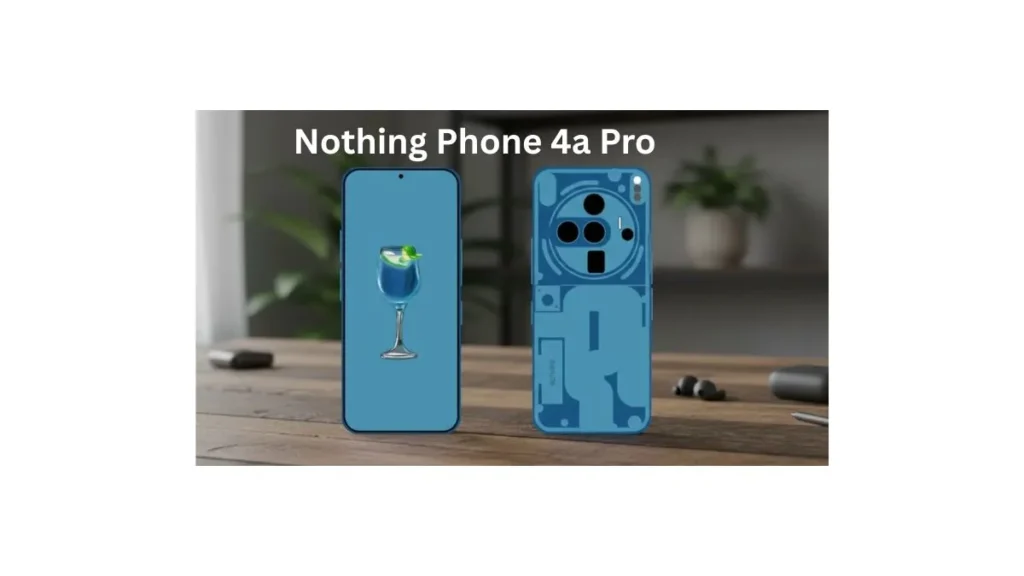
Nothing Phone (4a) with transparent back design, Glyph Interface lighting, AMOLED display and expected mid-range smartphone features for 2026

Nothing Phone (4a): Price, Specifications, Features & Why It Could Be the Smartest Phone of 2026

The Nothing Phone (4a) is shaping up to be one of the most anticipated mid-range smartphones of 2026. With Nothing steadily building a reputation for clean software, bold design, and smart pricing, the Phone (4a) could hit the sweet spot between performance and affordability. Early signals suggest a powerful Snapdragon chipset, a fluid AMOLED display, upgraded cameras, and Nothing’s iconic Glyph Interface all wrapped in a refined transparent design. If you’re planning a phone upgrade in 2026, the Nothing Phone (4a) deserves serious attention.

Nothing Phone (4a): A Strategic Mid-Range Move

Nothing has been quietly mastering a rare balance: design innovation without flagship pricing. The Phone (4a) is expected to continue this strategy by targeting users who want premium aesthetics and smooth performance without paying ₹40,000+.

Unlike many mid-range phones that focus purely on specs, Nothing positions the Phone (4a) as a lifestyle device  minimal, distraction-free, and software-first.

This approach has worked exceptionally well for previous “a-series” models, and the Phone (4a) appears ready to take that formula further.


Design Philosophy: Transparent, Refined, Recognizable

Design remains Nothing’s biggest differentiator.

The Nothing Phone (4a) is expected to retain the brand’s iconic transparent rear panel, but with a cleaner layout and more purposeful Glyph lighting. Instead of flashy animations, Glyph patterns are likely to focus on practical notifications, charging status, and app-specific alerts.

Expected Design Highlights:

  • Transparent back with improved material durability

  • Slimmer camera module integration

  • More refined Glyph Interface patterns

  • Matte aluminum or polycarbonate frame for better grip

  • Multiple color options including Black and White

In a market filled with identical camera bumps, the Phone (4a) will likely remain instantly recognizable a major branding win.


Display: Smooth, Bright, and Power-Efficient

The display is one area where Nothing consistently overdelivers.

The Phone (4a) is expected to feature a large AMOLED panel with a 120Hz refresh rate, delivering fluid scrolling, smoother gaming, and better multimedia performance.

Expected Display Specifications:

  • AMOLED panel

  • Full HD+ resolution

  • 120Hz adaptive refresh rate

  • High peak brightness for outdoor visibility

  • Minimal bezels with a centered punch-hole

This makes the Phone (4a) ideal for content consumption, social media, and daily multitasking.


Performance: Snapdragon Power Meets Clean Software

Performance is expected to be driven by a Snapdragon 7-series processor, placing the Phone (4a) firmly in upper mid-range territory.

Rather than chasing benchmark numbers, Nothing focuses on real-world smoothness, helped by its lightweight OS.

Performance Expectations:

  • Snapdragon 7-series chipset

  • 8GB / 12GB RAM variants

  • 128GB / 256GB UFS storage

  • Excellent thermal efficiency

  • Reliable gaming at medium-to-high settings

Combined with Nothing OS, the Phone (4a) should feel faster than many phones with higher raw specs.


Software: Nothing OS Is the Real Advantage

Nothing OS is widely praised for being clean, bloat-free, and thoughtfully designed.

The Phone (4a) is expected to ship with Nothing OS based on the latest Android version, offering a near-stock experience with meaningful visual enhancements.

Why Nothing OS Matters:

  • No pre-installed junk apps

  • Smooth animations and transitions

  • Long-term update support

  • Minimal battery drain

  • Consistent UI across devices

For users tired of cluttered Android skins, this alone makes the Phone (4a) extremely appealing.


Camera System: Practical, Not Gimmicky

Nothing doesn’t chase camera numbers it focuses on usable photography.

The Phone (4a) is expected to feature a high-quality main sensor supported by an ultra-wide lens, tuned for natural colors and balanced HDR.

Expected Camera Setup:

  • High-resolution primary camera

  • Ultra-wide sensor for landscapes

  • Advanced night mode

  • AI-assisted image processing

  • High-quality selfie camera

Rather than flooding users with unnecessary lenses, Nothing prioritizes consistency and color accuracy.


Battery & Charging: Built for All-Day Use

Battery life is expected to be one of the strongest points of the Nothing Phone (4a).

With a large battery and an efficient chipset, the phone should comfortably last a full day even for heavy users.

Expected Battery Features:

  • Around 5000mAh capacity

  • Fast wired charging

  • Optimized power management via Nothing OS

  • Lower standby drain

While wireless charging may remain exclusive to flagship models, fast wired charging should keep downtime minimal.


Audio, Connectivity & Extras

Nothing pays attention to the small details that matter daily.

Expected Extras:

  • Stereo speakers

  • In-display fingerprint sensor

  • 5G connectivity

  • Wi-Fi 6 support

  • Bluetooth 5.x

  • Clean haptics

These features ensure the Phone (4a) feels complete and premium, not compromised.


Nothing Phone (4a) Price in India

Pricing is where the Phone (4a) could dominate the market.

Expected Price Range:

  • ₹25,000 – ₹30,000 (India)

At this price point, the Phone (4a) would compete directly with:

  • Pixel A-series

  • OnePlus Nord models

  • Samsung Galaxy A series

However, its design identity and clean software give it a unique edge.


Who Should Buy the Nothing Phone (4a)?

The Phone (4a) is ideal for:

  • Users who value clean Android experience

  • Buyers bored of generic smartphone designs

  • Professionals and creators who want smooth daily performance

  • Students looking for long-term value

  • Anyone seeking a premium feel without flagship pricing


Why Nothing Phone (4a) Matters in 2026

The smartphone market is saturated, but Nothing continues to stand out by doing less, better.

The Phone (4a) isn’t about flashy specs it’s about thoughtful design, refined software, and practical performance. If Nothing executes this device well, it could easily become one of the best mid-range phones of 2026.

Vivo V70 Series India Launch Soon: ZEISS Camera Upgrade, Qualcomm Snapdragon Power & Premium Design Revealed

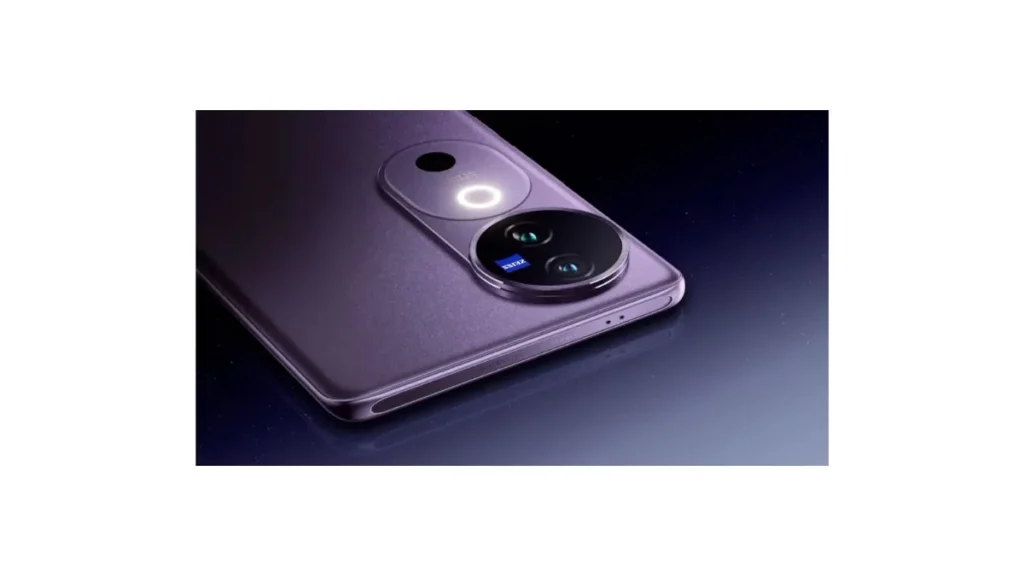
Vivo V70 Series smartphone featuring powerful Snapdragon processor and stunning ZEISS camera ahead of India launch in 2026

Vivo V70 Series India Launch Coming Soon – ZEISS Cameras and Qualcomm Power Signal a Major Upgrade

The Vivo V70 Series is gearing up for its much-anticipated India launch, and early leaks suggest this could be one of the biggest upgrades in Vivo’s V-series history. With a renewed focus on ZEISS-co-engineered cameras, powerful Qualcomm Snapdragon processors, and refined premium design, Vivo seems ready to raise the bar in the upper-midrange smartphone segment.

After the success of the V60 lineup, expectations are high—and from what has surfaced so far, the Vivo V70 series looks ready to deliver meaningful improvements in camera quality, performance, software, and overall user experience.

Let’s take a deep dive into everything we know so far about the Vivo V70 Series India launch.


Vivo V70 Series India Launch Timeline (Expected)

According to multiple industry leaks and reports, the Vivo V70 Series is expected to launch in India very soon, possibly by mid-February. Vivo has already started internal preparations, and certification sightings indicate the launch window is close.

The series is expected to include:

  • Vivo V70

  • Vivo V70 Elite (or Pro variant)

Both models will target users looking for premium design and advanced camera performance without flagship pricing.


ZEISS Cameras: A Major Highlight of Vivo V70 Series

One of the strongest selling points of the Vivo V-series has always been photography, and the Vivo V70 Series doubles down on this legacy.

ZEISS Co-Engineered Optics

Vivo is continuing its partnership with ZEISS, offering:

  • Enhanced color accuracy

  • Reduced lens distortion

  • Professional-grade portrait modes

  • Improved low-light photography

This collaboration is expected to deliver studio-quality portraits and cinematic photos, making the V70 series especially attractive to content creators and photography enthusiasts.

Camera Setup (Expected)

  • Primary Sony sensor with OIS

  • Ultra-wide camera for landscapes

  • Portrait or telephoto lens with ZEISS tuning

  • Advanced AI image processing

Selfie performance is also expected to see a boost, maintaining Vivo’s reputation for top-tier front cameras.


Qualcomm Snapdragon Power: Performance Gets a Big Boost

Performance is another area where Vivo appears to be making a significant leap.

Vivo V70 Processor

The standard Vivo V70 is expected to feature a Qualcomm Snapdragon 7-series chipset, delivering:

  • Faster CPU performance

  • Improved GPU for gaming

  • Better power efficiency

  • Enhanced AI capabilities

Vivo V70 Elite Processor

The higher-end model could use a more powerful Snapdragon chip, making it the most powerful Vivo V-series phone to date.

This upgrade positions the V70 series as a strong option not just for daily use, but also for gaming, multitasking, and long-term performance reliability.


Display & Design: Slim, Stylish, and Premium

Vivo is known for sleek smartphone aesthetics, and the V70 series is expected to continue that trend.

Display Details (Expected)

  • 6.7-inch AMOLED display

  • 120Hz refresh rate

  • HDR support

  • Curved or slim-bezel design

This ensures:

  • Smooth scrolling

  • Rich colors

  • Excellent outdoor visibility

  • Premium visual experience

Design Language

The Vivo V70 series is expected to feature:

  • Ultra-slim body

  • Lightweight construction

  • Glass back with matte or gradient finish

  • Signature Vivo camera module design


Battery & Charging Improvements

Battery life is another area likely to see refinement.

Expected Battery Features

  • Large battery capacity (around 5000mAh)

  • Optimized power management via Snapdragon chipset

  • Fast charging support

This combination should easily deliver all-day usage, even with heavy camera and display use.


Software: Android 16 with a Fresh UI

The Vivo V70 Series is expected to ship with Android 16 out of the box, paired with Vivo’s latest custom UI.

Software Highlights

  • Smoother animations

  • Enhanced privacy controls

  • AI-powered features

  • Improved camera software integration

Launching with the latest Android version gives the V70 series a strong future-proof advantage over competitors.


Expected Vivo V70 Series Specifications (Leaked)

FeatureVivo V70 (Expected)
Display6.7″ AMOLED, 120Hz
ProcessorQualcomm Snapdragon 7-series
CameraZEISS-tuned triple camera
Front CameraHigh-resolution selfie camera
Battery~5000mAh
ChargingFast charging
OSAndroid 16
BuildSlim, premium design

 Vivo V70 Series Expected Price in India

While official pricing hasn’t been announced, the Vivo V70 series is expected to be priced in the upper mid-range segment.

Expected Price Range

  • Vivo V70: ₹35,000 – ₹40,000

  • Vivo V70 Elite: ₹40,000 – ₹45,000

This places the V70 series in direct competition with Samsung Galaxy A series, OnePlus Nord lineup, and iQOO devices.


Vivo V70 vs Previous V-Series: What’s New?

Compared to the previous generation, the Vivo V70 series brings:

  • More powerful Snapdragon processors

  • Improved ZEISS camera optimization

  • Better display technology

  • New Android version out of the box

  • Refined premium design

These upgrades make it one of the most meaningful generational jumps in the V-series.


Final Verdict: Is Vivo V70 Series Worth Waiting For?

The Vivo V70 Series is shaping up to be a well-balanced premium mid-range smartphone lineup, focusing on:

  • Professional-grade camera performance

  • Reliable Qualcomm chipset

  • Premium design and display

  • Latest Android software

If Vivo delivers on these expectations with competitive pricing, the V70 series could become one of the top smartphone launches in India this year.

If camera quality, performance, and style matter to you, the Vivo V70 Series is definitely worth waiting for.


Samsung Galaxy S26 Ultra Could Be the Most Powerful Android Phone of 2026

Samsung Galaxy S26 Ultra smartphone highlighting premium design, AMOLED display, improved performance, faster charging technology, and flagship Android features expected in 2026

Samsung Galaxy S26 Ultra: Massive Performance Boost, Faster Charging & Everything We Know So Far

The Samsung Galaxy S26 Ultra is shaping up to be a decisive leap rather than a routine upgrade. Early reports point to major gains in raw performance, significantly faster charging, and smarter power efficiency areas where Samsung has faced increasing competition. With the Ultra series already dominating Android premium segment, the S26 Ultra appears designed to reclaim technological leadership rather than simply defend it. If the leaks hold true, Samsung’s 2026 flagship could finally address long-standing user demands around speed, charging, and sustained performance, making it one of the most consequential smartphone launches of the year.

Samsung Galaxy S26 Ultra: Why This Upgrade Actually Matters

In recent years, flagship smartphones have struggled with a perception problem: prices go up, innovation feels incremental. The Galaxy S26 Ultra seems positioned to break that pattern.

Instead of cosmetic changes, Samsung appears to be focusing on three critical pillars:

  1. Performance leadership

  2. Charging speed improvements

  3. Efficiency and thermal control

This shift suggests Samsung is responding directly to pressure from Chinese Android brands and Apple’s silicon advantage.


Performance: A Serious Leap, Not a Spec Bump

Performance is the headline story of the Galaxy S26 Ultra.

Samsung is expected to equip the phone with a next-generation flagship chipset, delivering noticeable gains in:

  • CPU performance

  • GPU rendering

  • AI and on-device processing

  • Power efficiency

Unlike previous years where performance gains were largely theoretical, the S26 Ultra is expected to show real-world improvements in sustained gaming, multitasking, and camera processing.

What This Means for Users

  • Faster app launches

  • More stable frame rates in demanding games

  • Better thermal control under heavy load

  • Longer performance consistency over time

This is a move aimed squarely at power users.


Charging Upgrades: Samsung Finally Speeds Things Up

Charging has been one of Samsung’s weakest points compared to rivals.

That may finally change with the Galaxy S26 Ultra, which is expected to support significantly faster wired charging than previous Ultra models.

Expected Charging Improvements:

  • Faster wired charging speeds

  • Improved charging efficiency

  • Better heat management during fast charging

  • Smarter battery protection algorithms

This is not about chasing numbers it’s about reducing real charging time without damaging battery health.


Battery Strategy: Efficiency Over Capacity

Rather than dramatically increasing battery size, Samsung appears focused on efficiency gains.

The Galaxy S26 Ultra is expected to maintain a large battery while delivering:

  • Better screen-on time

  • Lower standby drain

  • Smarter background task management

This approach aligns with Samsung’s long-term strategy: improve endurance through software optimization and silicon efficiency, not just bigger batteries.


Display: Refinement at the Top End

Samsung already leads the industry in display technology, and the S26 Ultra is expected to push refinement further rather than reinvent the wheel.

Expected Display Highlights:

  • Large AMOLED panel

  • Ultra-high resolution

  • Adaptive refresh rate

  • Improved brightness and outdoor visibility

  • Enhanced color accuracy

The Ultra series is already the gold standard for smartphone displays, and Samsung appears focused on polishing the experience rather than adding gimmicks.


Camera System: Smarter, Not Just Bigger Numbers

Samsung’s camera strategy is evolving.

Instead of chasing ever-higher megapixel counts, the Galaxy S26 Ultra is expected to emphasize:

  • Improved image processing

  • Faster autofocus

  • Better low-light performance

  • Enhanced AI photography features

Key Camera Focus Areas:

  • Cleaner night photography

  • More consistent zoom performance

  • Improved video stabilization

  • Smarter HDR handling

This shift reflects changing user expectations: reliability over spectacle.


AI & Software: More Practical, Less Marketing

AI is becoming unavoidable in smartphones but Samsung appears to be focusing on useful AI, not buzzwords.

The Galaxy S26 Ultra is expected to introduce:

  • Smarter photo and video processing

  • Improved voice and text tools

  • On-device AI for privacy-focused tasks

  • Performance optimization powered by machine learning

Combined with Samsung’s refined software ecosystem, this could make the phone feel more responsive and adaptive over time.


Design: Familiar, but Sharper

Don’t expect radical design changes.

Samsung’s Ultra design language is mature, and the S26 Ultra is expected to feature:

  • Refined edges

  • Improved materials

  • Enhanced durability

  • Cleaner camera integration

This conservative approach prioritizes usability and comfort over shock value.


Audio, Connectivity & Extras

The Galaxy S26 Ultra is expected to remain a fully loaded flagship.

Expected Extras:

  • Stereo speakers with improved tuning

  • Advanced vibration motor

  • Latest 5G standards

  • Wi-Fi and Bluetooth upgrades

  • Enhanced biometric security

Samsung’s strength lies in delivering a complete premium experience, and the S26 Ultra continues that tradition.


Launch Timeline

Samsung traditionally unveils its Ultra phones early in the year, and the Galaxy S26 Ultra is expected to follow that pattern.

Expected Timeline:

  • Launch window:  February 25, 2026

  • Global availability shortly after launch

This places it directly against Apple’s latest Pro models and high-end Android competitors.


Expected Price Positioning

The Galaxy Ultra series sits firmly in the premium category.

Expected Price Range (India):

  • Premium flagship pricing

  • Positioned above Galaxy S series standard models

Samsung appears confident that the performance and charging upgrades justify the cost.


Competitive Landscape: Why the S26 Ultra Matters

The S26 Ultra isn’t just competing with Android phones it’s competing with perception.

Samsung needs to prove that Android flagships can still:

  • Lead in performance

  • Innovate in battery and charging

  • Offer long-term reliability

The S26 Ultra looks like Samsung’s answer to that challenge.


Who Should Consider the Galaxy S26 Ultra?

This phone is ideal for:

  • Power users and gamers

  • Mobile photographers and creators

  • Professionals who rely on performance

  • Users upgrading from older Ultra models

  • Buyers who want the best Android experience available


Final Verdict: A Statement Flagship for 2026

The Samsung Galaxy S26 Ultra feels less like an annual refresh and more like a strategic reset.

By focusing on performance, charging speed, and efficiency, Samsung is addressing real user complaints instead of chasing marketing trends. If execution matches expectations, the S26 Ultra could stand as the most complete Android flagship of 2026.

Samsung Galaxy S26 Ultra – FAQ

🔹 When will the Samsung Galaxy S26 Ultra launch?

The Samsung Galaxy S26 Ultra is expected to launch in early 2026, following Samsung’s annual flagship release cycle. The phone is likely to be unveiled at the first Galaxy Unpacked event of the year.


🔹 What are the biggest upgrades in the Galaxy S26 Ultra?

The Samsung Galaxy S26 Ultra is expected to bring major performance improvements, faster wired charging, better efficiency, refined camera processing, and smarter AI-driven features compared to its predecessor.


🔹 Will the Galaxy S26 Ultra support faster charging?

Yes, reports suggest the Galaxy S26 Ultra will support significantly faster wired charging than previous Ultra models, addressing one of the most common user complaints about Samsung flagships.


🔹 What processor will power the Samsung Galaxy S26 Ultra?

The Galaxy S26 Ultra is expected to feature a next-generation flagship processor, offering improved CPU, GPU, and AI performance, along with better power efficiency for sustained usage.


🔹 How good will the Galaxy S26 Ultra battery life be?

While the battery capacity is expected to remain large, Samsung is focusing on efficiency improvements, meaning users can expect better screen-on time, reduced power drain, and longer overall battery life.


🔹 Will the Samsung Galaxy S26 Ultra have a new camera system?

The Galaxy S26 Ultra is expected to focus on camera quality improvements rather than just higher megapixels, including better low-light photography, improved autofocus, enhanced zoom consistency, and smarter AI processing.


🔹 What display technology will the Galaxy S26 Ultra use?

Samsung is expected to equip the Galaxy S26 Ultra with a high-resolution AMOLED display featuring adaptive refresh rate, improved brightness, and industry-leading color accuracy.


🔹 Will the Galaxy S26 Ultra support AI features?

Yes, the Samsung Galaxy S26 Ultra is expected to introduce more practical on-device AI features, including performance optimization, smarter photography, and privacy-focused AI tools integrated into Samsung’s software.


🔹 Is the Samsung Galaxy S26 Ultra worth waiting for?

If you want top-tier Android performance, faster charging, and long-term software support, the Galaxy S26 Ultra is likely worth waiting for, especially for users upgrading from older flagship devices.


🔹 What will be the expected price of the Galaxy S26 Ultra in India?

The Samsung Galaxy S26 Ultra is expected to be priced in the premium flagship segment, similar to previous Ultra models. Official pricing will be announced at launch.


🔹 Who should buy the Samsung Galaxy S26 Ultra?

The Galaxy S26 Ultra is ideal for power users, gamers, professionals, content creators, and anyone seeking the most complete Android flagship experience in 2026.

Infinix Note 60 Spotted With Android 16 : A Bold Mid-Range Move That Could Matter

Infinix Note 60 smartphone spotted on Google Play Console running Android 16 with MediaTek Dimensity processor

Infinix Note 60 Appears on Google Play Console With Android 16: Why This Early Leak Is Important

The Infinix Note 60 has surfaced on the Google Play Console, and the listing reveals more than just routine specifications. Most notably, the device appears to be running Android 16, an unusually early software version for a mid-range smartphone. Paired with a MediaTek Dimensity-class chipset, high-resolution display, and a refined punch-hole design, the Note 60 hints at Infinix’s ambition to move beyond budget positioning. In a market where software longevity and platform readiness are becoming critical buying factors, this early sighting suggests the Note 60 could arrive with advantages that extend well beyond launch day.

Infinix Note 60 Appears With Android 16, And That’s the Real Story

When a smartphone quietly appears on the Google Play Console, it rarely makes headlines on its own. But the Infinix Note 60’s early listing tells a much bigger story than just leaked specifications. It hints at how aggressively Infinix is trying to reposition itself in a market where timing, software longevity, and “firsts” matter as much as hardware.

The most striking detail isn’t the processor or the display resolution. It’s Android 16.


Android 16 on a mid-range phone is not normal

Mid-range smartphones usually arrive one or even two Android versions behind Google’s latest release. Seeing Android 16 associated with the Infinix Note 60 at this stage is unusual, and it signals intent.

If this listing reflects the launch software, Infinix would be among the earliest brands to ship Android 16 outside of Google’s own Pixel lineup. For buyers, this matters more than it sounds. Early Android versions bring longer update windows, better security patch coverage, and improved compatibility with future apps and services.

In a segment where users often keep their phones for three years or more, starting on the latest Android version is no longer a luxury. It’s a practical advantage.


Dimensity 7300: A calculated performance choice

The Play Console listing points to a MediaTek chip with the MT6878 codename, widely believed to be the Dimensity 7300. This isn’t a headline-grabbing flagship processor, and that’s intentional.

The Dimensity 7300 is built for efficiency-first performance. With Cortex-A78 cores handling demanding tasks and A55 cores managing background activity, it’s designed for sustained use rather than short bursts of benchmark dominance. For the Note series, which traditionally targets heavy daily users rather than gamers alone, this makes sense.

It suggests Infinix is prioritising stability, battery life, and thermal control over raw numbers, a welcome shift in a market often obsessed with specs for marketing slides.


Display and design clues point to a more premium Note

A 1208 x 2644 resolution with a high pixel density hints at a sharp, possibly AMOLED panel. While the listing doesn’t confirm display technology, the resolution and punch-hole design suggest that Infinix is pushing the Note 60 closer to premium mid-range territory.

The presence of what appears to be a dedicated button on the left side is particularly interesting. Whether it becomes an action key, AI shortcut, or camera trigger, it reflects a growing trend of hardware customisation that goes beyond volume and power keys. This is something typically reserved for higher-end phones, not mass-market devices.


The bigger picture: Infinix is playing a long game

The Infinix Note 60 doesn’t exist in isolation. Certifications already point to a broader lineup including the Note 60, Infinix Note 60 Edge, and Infinix Note 60 Pro, with an Ultra variant co-designed with Pininfarina also on the horizon.

This layered approach mirrors strategies used by more established brands: one platform, multiple price tiers, and clearly differentiated experiences. Combined with Infinix’s earlier announcement of satellite calling and messaging support for the Infinix Note 60 series, it becomes clear the brand isn’t just chasing volume anymore. It’s trying to build identity.


Why this matters for buyers

For consumers in price-sensitive markets, the Infinix Note 60 early appearance signals three important things

First, software is becoming a selling point again, not an afterthought.
Second, mid-range phones are quietly absorbing features once limited to flagships.
Third, brands like Infinix are no longer content being “good for the price” they want to be genuinely competitive.


What to watch next

The Play Console listing doesn’t reveal battery size, charging speed, or camera details, all of which will heavily influence the phone’s reception. Pricing will ultimately decide how disruptive the Note 60 becomes.

But one thing is already clear. The Infinix Note 60 isn’t shaping up to be a routine refresh. It represents a brand trying to grow up quickly, betting on early software adoption and smarter hardware decisions to stand out in an increasingly crowded market.

And if Android 16 truly ships out of the box, competitors in the mid-range space may suddenly find themselves playing catch-up.

iQOO Z11 Turbo Launching Jan 15 With Snapdragon 8 Gen 5 and 200MP Camera – A Game Changer?

iQOO Z11 Turbo smartphone with premium glass design, Snapdragon 8 Gen 5 processor and 200MP camera launching January 15

iQOO Z11 Turbo Set for January 15 Debut: Why This Phone Could Redefine the Performance Segment

iQOO is preparing to disrupt the smartphone hierarchy once again. The upcoming iQOO Z11 Turbo, launching on January 15 in China, pushes the Z-series into unfamiliar territory with a Snapdragon 8 Gen 5 processor and a 200-megapixel main camera. Traditionally known for raw performance, the Z-series now appears to be embracing premium design, imaging, and durability features as well. With a 1.5K AMOLED display, IP68/69 rating, and a refined glass-and-metal build, the Z11 Turbo hints at a future where “mid-range” compromises no longer apply.

iQOO Z11 Turbo Is Not Playing Safe Anymore, And That’s the Point

When iQOO first introduced the Z-series, it was positioned as a performance-first line for younger buyers who cared more about speed than polish. The upcoming iQOO Z11 Turbo, launching in China on January 15, signals that the brand is now rewriting that formula. This is no longer just about raw power at an aggressive price. It’s about challenging long-held assumptions in the premium-midrange smartphone space.

And that shift matters.


A performance brand stepping into flagship territory

The headline detail is obvious: Snapdragon 8 Gen 5. This is not a chip typically associated with Z-series phones. Until now, iQOO reserved its top silicon for Neo and numbered flagship models. Bringing Qualcomm’s latest flagship processor to the Z11 Turbo is a deliberate escalation.

An AnTuTu score touching 3.59 million isn’t just a benchmark flex. It’s a message aimed squarely at brands that still believe users need to pay flagship prices for flagship performance. Combined with iQOO’s self-developed Q2 chip, the Z11 Turbo appears engineered for sustained gaming and heavy workloads, not just short benchmark runs.

This positions the phone as a serious alternative to far more expensive devices, especially in markets where value-conscious performance buyers dominate.


The camera move that changes the conversation

The most disruptive decision, however, isn’t the chipset. It’s the camera.

A 200-megapixel main sensor on a Z-series phone fundamentally alters how this lineup is perceived. High-resolution sensors of this class have been largely restricted to ultra-premium devices, often marketed as computational photography flagships. By introducing a 200MP “ultra-clear” camera here, iQOO is betting that imaging is no longer optional even for performance-focused buyers.

This is important because it reflects a broader shift in user behavior. Gamers also shoot video. Power users also care about social media output. The Z11 Turbo acknowledges that speed alone is no longer enough.


Design as a strategic statement, not decoration

iQOO’s design language has often leaned utilitarian. The Z11 Turbo breaks from that tradition. The glass back with a floating light wave pattern, achieved through nanoscale photolithography, isn’t just a visual flourish. It’s an attempt to visually separate this device from the “gaming phone” stereotype.

The metal frame, crystal-clear glass, and multiple color options including Halo Pink and Floating Light suggest iQOO wants this phone to appeal beyond its traditional male, performance-first audience. At 7.9mm thickness for the Midnight Black variant, the phone also avoids the bulky feel that often accompanies high-performance hardware.

This is iQOO saying that power no longer has to look aggressive to be taken seriously.


Display, durability, and everyday usability finally catch up

The 6.59-inch 1.5K AMOLED display with 120Hz refresh rate and ultra-narrow bezels brings the Z-series visually in line with premium flagships. Add to that IP68 and IP69 ratings, an ultrasonic fingerprint sensor, and a 32MP front camera, and the Z11 Turbo starts looking unusually well-rounded for its segment.

These aren’t specs added for marketing slides. They address long-standing pain points: durability, biometric reliability, and front-camera quality for video calls and streaming.


Why this launch matters beyond one phone

The iQOO Z11 Turbo isn’t just a successor to the Z10 Turbo. It’s a signal of where the mid-to-high smartphone market is heading in 2026.

Brands are realizing that users no longer accept trade-offs as easily. Performance buyers want good cameras. Style-conscious users want serious power. And everyone expects durability and premium displays as standard.

If iQOO prices this device aggressively, it will force competitors to rethink how they segment their lineups. The gap between “flagship killer” and flagship is shrinking fast, and the Z11 Turbo sits right at that fault line.


What to watch next

Key details like battery capacity, charging speed, and pricing will ultimately decide how disruptive the Z11 Turbo becomes. But the foundation is already clear. iQOO is no longer experimenting. It’s making a confident play for buyers who want everything, without the flagship tax.

January 15 isn’t just a product launch. It’s a statement that the rules of the performance smartphone category are being rewritten.

Frequently Asked Questions

When will the iQOO Z11 Turbo launch?

The iQOO Z11 Turbo is set to launch in China on January 15. The company is expected to reveal pricing, full specifications, and availability details during the launch event.

Which processor powers the iQOO Z11 Turbo?

The iQOO Z11 Turbo will be powered by Qualcomm’s Snapdragon 8 Gen 5 chipset, paired with iQOO’s in-house Q2 chip designed to improve sustained performance and gaming stability.

Does the iQOO Z11 Turbo feature a 200MP camera?

Yes. iQOO has confirmed that the Z11 Turbo will come with a 200-megapixel ultra-clear main camera, making it the first Z-series phone to offer this level of imaging hardware.

What type of display does the iQOO Z11 Turbo have?

The phone will feature a 6.59-inch AMOLED display with 1.5K resolution, a 120Hz refresh rate, and ultra-narrow bezels on all sides.

Is the iQOO Z11 Turbo water and dust resistant?

Yes. The iQOO Z11 Turbo carries IP68 and IP69 certifications, offering protection against dust, splashes, and high-pressure water exposure.

Does the iQOO Z11 Turbo have an in-display fingerprint sensor?

The device includes an ultrasonic in-display fingerprint sensor, which is generally faster and more accurate than standard optical fingerprint scanners.

What are the color options for the iQOO Z11 Turbo?

iQOO has confirmed four color variants: Midnight Black, Sky White, Halo Pink, and Floating Light, all featuring a glass back and metal frame.

Is the iQOO Z11 Turbo considered a flagship phone?

While not officially branded as a flagship, the iQOO Z11 Turbo delivers flagship-grade performance, camera hardware, and durability, placing it in a category that bridges premium mid-range and flagship devices.

Samsung Galaxy Z TriFold at CES 2026: The Phone That Redefines Foldables Forever

Samsung Galaxy Z TriFold showcased at CES 2026 featuring a triple fold display and large expandable screen

Samsung Galaxy Z TriFold Unveiled at CES 2026: A Bold Leap Toward the Future of Smartphones

Samsung has once again shaken the smartphone industry by unveiling the Galaxy Z TriFold at CES 2026, a revolutionary triple-folding device that challenges everything we know about phones, tablets, and mobile productivity. Unlike conventional foldables, the TriFold introduces a new form factor that expands into a near-tablet-sized display while remaining pocketable. This isn’t just a design experiment—it’s a strategic signal from Samsung about where premium smartphones are heading next. From multitasking to media consumption, the Galaxy Z TriFold could redefine how we use mobile devices in the coming decade.

Samsung Galaxy Z TriFold at CES 2026: Why This Launch Matters More Than You Think

For nearly a decade, smartphones have followed a predictable path. Better cameras, faster processors, and brighter screens arrived each year, but the overall shape rarely changed. Samsung’s Galaxy Z TriFold, showcased at CES 2026, breaks that cycle in a meaningful way. This device is not focused on small improvements. It represents a serious attempt to redefine what a smartphone can be.

By introducing a triple-folding design, Samsung is no longer asking users to choose between a phone and a tablet. The company is presenting a single device that adapts to different needs throughout the day.


The Evolution of Foldables and Why the TriFold Is the Next Step

Samsung has spent years refining foldable technology. Early models proved that flexible displays were possible. Later generations focused on durability, usability, and mainstream acceptance. The Galaxy Z TriFold marks the next stage of this journey by emphasizing expansion and versatility.

Traditional foldables still feel limited in some scenarios, especially for productivity tasks. The TriFold directly addresses this limitation by offering significantly more screen space without sacrificing portability.


Triple-Fold Design That Serves a Purpose

At first glance, a triple-fold smartphone may sound excessive. In practice, it solves a problem that standard foldables have struggled with. Screen size.

Key Design Benefits

  • Three folding panels enable multiple usage modes

  • Compact size when folded for daily use

  • Large unfolded display for work and entertainment

  • Better flexibility for multitasking layouts

When fully opened, the Galaxy Z TriFold delivers a display close to 10 inches. This allows comfortable document editing, video streaming, and multi-app workflows that previously required a tablet.


A Display Built for Real-World Use

The larger screen is not just about visual impact. It changes how users interact with apps and content. Samsung clearly designed the Galaxy Z TriFold for people who rely heavily on their phones throughout the day.

This includes professionals, students, and creators who often switch between communication, productivity, and entertainment. The expanded display allows apps to breathe and reduces the need for constant switching.


Performance That Matches the Ambition

Samsung did not treat the Galaxy Z TriFold as a concept showcase. It is built with flagship-level hardware to support demanding use cases.

Expected highlights include a next-generation Snapdragon processor, a large battery optimized for multi-screen efficiency, and advanced thermal management. These components ensure smooth performance even when multiple apps run simultaneously.

The result is a device that feels capable of replacing both a phone and a tablet for many users.


Software Is the True Differentiator

Hardware innovation alone cannot define a new category. Software support is what turns bold designs into usable products. Samsung has been preparing for large-screen experiences through One UI and Android optimization for several years.

The Galaxy Z TriFold benefits from this groundwork with advanced multitasking tools, flexible window management, and seamless transitions between folded and unfolded states. Samsung DeX further strengthens the device’s productivity appeal by enabling desktop-style workflows.


Why Samsung Chose CES 2026 for the Reveal

Samsung typically reserves smartphone announcements for its own launch events. Choosing CES 2026 to showcase the Galaxy Z TriFold was a calculated move.

CES attracts industry leaders, developers, and partners from around the world. By revealing the TriFold there, Samsung positioned it as a broader technology statement rather than a routine product launch. The message is clear. Foldables are no longer experimental. They are shaping the future of mobile computing.


Competitive Impact Across the Smartphone Industry

The Galaxy Z TriFold raises the bar for premium smartphones. Competitors will now face pressure to rethink form factors and prioritize productivity-focused innovation.

Standard foldables may begin to feel outdated, while slab phones could appear increasingly limited at the high end. Samsung’s early move gives it a strong advantage in defining how triple-fold devices evolve.


Pricing and Target Audience Expectations

It is important to be realistic. The Galaxy Z TriFold will likely launch at a premium price due to its complex design and advanced components. Early adoption will be limited to enthusiasts, professionals, and early adopters who value versatility over cost.

However, many technologies that start at the top eventually become more accessible. The TriFold could follow the same path as earlier foldables.


Long-Term Implications for Smartphones

The Galaxy Z TriFold offers a glimpse into the next phase of smartphone evolution. Devices are no longer just communication tools. They are becoming flexible computing platforms.

This shift suggests a future where phones replace more standalone devices and adapt to different tasks seamlessly. Over time, expandable displays may become a defining feature of premium smartphones.


Final Verdict

The Samsung Galaxy Z TriFold is not designed to be the most popular phone of 2026. It is designed to shape what smartphones will become in the years ahead.

By combining a triple-fold display, flagship performance, and productivity-focused software, Samsung is pushing the industry beyond incremental upgrades. Whether or not the TriFold becomes mainstream immediately, its influence will be long-lasting.

FAQ

What makes the Samsung Galaxy Z TriFold different from other foldable phones?

The Samsung Galaxy Z TriFold uses a triple-fold design that expands into a near tablet-sized display. Unlike standard foldables, it offers significantly more screen space for multitasking, productivity, and immersive media while remaining compact when folded.


Why did Samsung reveal the Galaxy Z TriFold at CES 2026?

Samsung showcased the Galaxy Z TriFold at CES 2026 to position it as a future-defining device rather than a routine phone launch. CES allows Samsung to influence industry direction, attract developer interest, and signal that foldables are the next phase of premium smartphones.


How big is the Samsung Galaxy Z TriFold display when fully opened?

When fully unfolded, the Samsung Galaxy Z TriFold offers a display close to 10 inches. This size allows users to comfortably edit documents, watch videos, and run multiple apps side by side without feeling constrained.


Is the Samsung Galaxy Z TriFold meant to replace a tablet?

For many users, yes. The Galaxy Z TriFold is designed to handle tasks traditionally done on tablets, such as content consumption, multitasking, and light productivity, while still functioning as a daily smartphone.


Who is the Samsung Galaxy Z TriFold designed for?

The Samsung Galaxy Z TriFold is aimed at power users, professionals, creators, and early adopters who want a single device that adapts to work, entertainment, and communication throughout the day.


Will the Samsung Galaxy Z TriFold be expensive?

As a first-generation triple-fold smartphone, the Galaxy Z TriFold is expected to launch at a premium price due to its complex hinge system, advanced display technology, and flagship components.


Does the Samsung Galaxy Z TriFold support multitasking features?

Yes. Samsung has optimized the Galaxy Z TriFold for advanced multitasking, including multi-window layouts, flexible app resizing, and desktop-style workflows through Samsung DeX.


When will the Samsung Galaxy Z TriFold be released?

Samsung has not confirmed an exact release date yet. However, the Galaxy Z TriFold is expected to arrive later in 2026 following its CES debut.


Why is the Samsung Galaxy Z TriFold important for the future of smartphones?

The Galaxy Z TriFold signals a shift away from traditional slab phones toward adaptable, expandable devices. It highlights how smartphones are evolving into flexible computing platforms rather than single-purpose screens.

Moto X70 Air Pro Is a Stunning Power Phone That Redefines Premium Performance

Moto X70 Air Pro premium smartphone showcasing sleek design and immersive display

Moto X70 Air Pro Sets a New Standard for Style, Speed, and Smart Innovation

The Moto X70 Air Pro arrives as a bold expression of Motorola’s premium vision, combining ultra sleek design with powerful performance and intelligent features. Built for users who demand speed, style, and reliability, this smartphone feels modern in every sense. From its immersive display to its advanced camera system and efficient battery performance, the Moto X70 Air Pro is designed to keep up with fast paced lifestyles. It delivers a refined experience that balances innovation with everyday usability, making it one of the most exciting Motorola smartphones to watch.


Moto X70 Air Pro Full Overview

The Moto X70 Air Pro represents Motorola’s continued push into the premium smartphone space. With a focus on elegant design, powerful internals, and clean software, this device aims to attract users who want a flagship experience without unnecessary complexity.

Motorola has carefully balanced aesthetics and performance, ensuring the Moto X70 Air Pro feels both luxurious and practical. It is built for creators, professionals, and everyday users who expect smooth performance and long term reliability.


Premium Design and Build Quality

The Moto X70 Air Pro stands out immediately with its slim and lightweight profile. The design emphasizes minimalism, featuring smooth curves, a refined frame, and a premium finish that feels comfortable in hand.

The rear panel uses high quality materials that resist fingerprints while maintaining a sophisticated look. The camera module is seamlessly integrated, adding to the phone’s clean and modern appearance.

Attention to detail is evident throughout the design, making the Moto X70 Air Pro feel like a truly premium device.


Display Experience and Visual Quality

The Moto X70 Air Pro features a large, immersive display designed for both entertainment and productivity. The screen delivers vibrant colors, deep contrast, and excellent brightness, making it ideal for streaming, gaming, and outdoor use.

A high refresh rate ensures smooth scrolling and responsive interactions, enhancing the overall user experience. Whether watching videos or multitasking, the display remains sharp and fluid.

Slim bezels and a centered front camera help maximize screen real estate, creating a modern and immersive viewing experience.


Performance and Processing Power

Under the hood, the Moto X70 Air Pro is powered by a high performance processor optimized for speed and efficiency. Everyday tasks feel effortless, while demanding applications and games run smoothly without noticeable lag.

The device handles multitasking with ease, thanks to ample RAM and optimized software. Motorola’s clean Android experience ensures fast app launches and smooth system navigation.

This performance focus makes the Moto X70 Air Pro suitable for power users as well as casual smartphone users.


Software Experience and User Interface

One of Motorola’s biggest strengths is its near stock Android experience, and the Moto X70 Air Pro continues this tradition. The interface is clean, intuitive, and free from unnecessary bloatware.

Useful Motorola gestures and smart features enhance usability without complicating the experience. Software optimization ensures consistent performance and improved battery efficiency.

Regular security updates and software support further add to the long term value of the device.


Camera System and Photography Capabilities

The Moto X70 Air Pro features a versatile camera system designed to handle a wide range of shooting scenarios. The primary camera captures detailed and vibrant photos, even in challenging lighting conditions.

Advanced image processing enhances color accuracy and dynamic range. Portrait shots look natural, while night photography benefits from improved low light optimization.

The front camera delivers clear and balanced selfies, making it ideal for video calls and social media content creation.


Video Recording and Creative Features

Video recording on the Moto X70 Air Pro is smooth and stable, thanks to advanced stabilization and processing. The camera system supports high resolution video, allowing users to capture professional looking footage.

Creative modes and intelligent enhancements make it easy to experiment with photography and video, even for beginners.

This makes the device a strong choice for content creators and vloggers.


Battery Life and Charging Performance

The Moto X70 Air Pro is equipped with a large battery designed to last through a full day of heavy use. Efficient power management ensures consistent performance without frequent charging.

Fast charging support allows users to quickly top up the battery, minimizing downtime. This is especially useful for users with busy schedules and heavy usage patterns.

The combination of battery efficiency and fast charging makes the phone reliable for everyday life.


Connectivity and Network Support

The Moto X70 Air Pro supports advanced connectivity options, including fast 5G networks, ensuring smooth browsing, streaming, and downloads.

WiFi stability, Bluetooth performance, and call quality are all optimized for a seamless communication experience. Dual SIM support adds flexibility for users who manage work and personal numbers.

The phone is built to stay connected in a fast moving digital world.


Audio Quality and Multimedia Experience

Audio performance on the Moto X70 Air Pro is impressive, with clear and balanced sound output. Stereo speakers enhance media consumption, providing an immersive experience for videos and games.

Sound tuning ensures clarity at both low and high volumes, making it suitable for entertainment and calls alike.

The phone delivers a well rounded multimedia experience.


Security and Privacy Features

The Moto X70 Air Pro includes modern security features such as fingerprint authentication and facial recognition. These systems are fast, reliable, and easy to use.

Motorola also emphasizes user privacy, offering built in security controls and regular updates to protect personal data.

This focus on security adds peace of mind for users.


Build Durability and Everyday Reliability

Designed for daily use, the Moto X70 Air Pro offers solid durability with reinforced construction and quality materials. It is built to withstand normal wear and tear while maintaining its premium look.

The phone feels sturdy without being bulky, striking a balance between strength and elegance.


Ideal Users and Target Audience

The Moto X70 Air Pro is ideal for professionals, students, creators, and tech enthusiasts who want a premium smartphone experience without excessive customization.

It appeals to users who appreciate clean software, strong performance, reliable cameras, and long battery life.

For those upgrading from mid range devices, the Moto X70 Air Pro feels like a meaningful step forward.


Expected Price and Market Positioning

The Moto X70 Air Pro is expected to be positioned competitively in the premium smartphone segment. It aims to offer flagship level features at a value driven price point.

This pricing strategy makes it attractive to users seeking high end performance without paying ultra premium prices.


Final Verdict

The Moto X70 Air Pro stands out as a refined, powerful, and thoughtfully designed smartphone. With its sleek design, smooth performance, clean software, and dependable battery life, it delivers a well balanced premium experience.

For users who want a modern smartphone that feels fast, reliable, and elegant, the Moto X70 Air Pro is a compelling choice in today’s competitive market.

Honor Magic 8 Pro Air Leak Exposes a Bigger Smartphone Problem No Brand Is Talking About

Honor Magic 8 Pro Air premium smartphone showcasing ultra slim design and immersive curved display

Honor Magic 8 Pro Air Design Leak Raises Serious Questions About Smartphone Innovation in 2026

A leaked sketch of the Honor Magic 8 Pro Air was expected to generate excitement. Instead, it triggered a more uncomfortable conversation about originality in the modern smartphone industry. The upcoming Honor flagship appears to follow a familiar camera layout that mirrors existing premium phones, reigniting concerns that design innovation has stalled across brands. This is not just about how one phone looks. It reflects a deeper shift in how smartphone makers prioritize safety over creativity. As Honor prepares its next major launch, the Magic 8 Pro Air may reveal more about the industry’s future than its spec sheet ever could.

When a Leak Tells a Bigger Story Than the Phone Itself

Smartphone leaks are routine now. Most reveal processors, camera sensors, or charging speeds. Occasionally, though, a leak sparks a conversation far beyond raw specifications. That is exactly what has happened with the leaked design sketch of the Honor Magic 8 Pro Air.

At first glance, the sketch shows a premium device with a refined camera module and clean rear panel. Nothing shocking. Nothing offensive. And perhaps that is the problem.

The immediate reaction across tech circles was not outrage, but disappointment. The design felt familiar. Too familiar. In an industry that once thrived on bold visual experimentation, the Honor Magic 8 Pro Air leak highlights a growing concern: flagship smartphones are starting to look the same, regardless of brand.

The Camera Module That Started the Debate

The leaked sketch focuses heavily on the rear camera housing. It follows a layout that closely resembles existing premium Android flagships. Large circular or rounded rectangular camera islands have become the default visual signature for high-end phones, and Honor appears to be continuing that trend rather than challenging it.

This does not mean the phone will have a poor camera. In fact, reports suggest Honor is working on advanced imaging hardware that could rival top competitors. The criticism is not about performance. It is about identity.

For years, camera design was how brands visually separated themselves. Think of Nokia’s bold camera domes, Huawei’s distinctive rings, or Apple’s instantly recognizable diagonal lens layout. Today, those distinctions are blurring.

Why Design Originality Still Matters in 2026

Some argue that design no longer matters as much because smartphones are mature products. Users care more about battery life, cameras, and software features. That argument misses a crucial point.

Design is not just aesthetics. It is branding.

When a phone looks unique, it communicates confidence. It signals leadership rather than imitation. Consumers may not consciously analyze camera layouts, but they absolutely feel when a product looks generic.

For Honor, this matters more than most brands. Still rebuilding its global identity after separating from Huawei, Honor needs clear visual differentiation to stand out in an increasingly crowded premium market.

Honor Magic 8 Pro Air and the Rise of Safe Design

The Honor Magic 8 Pro Air appears to be a product of what many analysts call “safe flagship design.” This approach prioritizes proven formulas over risky creativity.

Why is this happening?

Because flagship phones are expensive to develop and even more expensive to market. Companies are reluctant to gamble on unconventional designs that might alienate buyers or complicate manufacturing.

Instead, brands focus on incremental improvements. Slightly better cameras. Slightly brighter displays. Slightly faster chips.

The Honor Magic 8 Pro Air seems positioned firmly within this philosophy.

Specifications Are No Longer Enough

Leaks suggest the Honor Magic 8 Pro Air will feature a high-end processor, likely from MediaTek’s Dimensity flagship lineup, paired with a large battery and fast charging. On paper, that places it directly alongside devices from Samsung, Xiaomi, and OnePlus.

But here is the reality of the 2026 smartphone market: specs no longer sell phones on their own.

Performance parity is real. Even midrange devices now handle everyday tasks with ease. Flagships must justify their price through experience, design, and emotional appeal.

When design fails to excite, the entire product narrative weakens.

The Hidden Risk of Looking Like Everyone Else

There is a silent danger in visual sameness.

When phones look alike, consumers default to the strongest brand. Apple benefits from this. Samsung benefits from this. Smaller players do not.

If an Honor flagship visually blends into the Android crowd, buyers may ask themselves a simple question: “Why not just buy a Samsung or Pixel?”

This is where design originality becomes a competitive weapon rather than a luxury.

Camera Hardware vs Camera Identity

Ironically, Honor has been making serious strides in imaging technology. Recent reports suggest the Honor Magic 8 Pro Air could use a large main sensor with advanced computational photography.

Yet camera identity is not only about image quality. It is also about visual storytelling.

When people post photos of their phones online, the camera module becomes part of the brand narrative. A distinctive design turns users into marketers. A generic design does not.

Honor risks undercutting its own camera advancements by packaging them in a design that fails to spark curiosity.

The “Air” Branding and Missed Opportunities

The “Air” name suggests lightness, elegance, and minimalism. It invites expectations of a refined design language that prioritizes thinness and sophistication.

This is where the leaked sketch feels like a missed opportunity.

Instead of using the Air branding to introduce a new visual direction, Honor appears to be playing it safe. A more radical approach could have aligned perfectly with the name and differentiated the phone within the Magic lineup.

Industry Wide Design Fatigue Is Real

Honor is not alone in this. Across the industry, design fatigue is setting in.

Consumers are holding onto phones longer because new models do not feel visually new. Annual upgrades no longer deliver the excitement they once did.

This is dangerous for manufacturers.

When innovation becomes invisible, marketing narratives grow louder and less convincing. AI features, software tricks, and camera buzzwords try to fill the gap left by uninspiring hardware design.

The Honor Magic 8 Pro Air leak is a reminder that visual innovation still matters, even in a mature market.

What Honor Can Still Do Before Launch

Leaks are not final products. Designs evolve until launch day.

Honor still has room to surprise.

Material choices, color finishes, and subtle design details could transform the Magic 8 Pro Air’s perception. Even small elements like texture, camera ring treatment, or branding placement can restore individuality.

More importantly, Honor must control the narrative. If the design is conservative, the brand must clearly explain why. Emphasizing comfort, ergonomics, or weight reduction could reframe the discussion.

Silence would be a mistake.

Future Implications for Honor’s Flagship Strategy

The Magic 8 Pro Air will likely influence Honor’s design direction for the next several years.

If the market responds positively despite criticism, it may reinforce safe design choices. If it struggles to stand out, Honor may be forced to rethink its approach.

The larger implication extends beyond one phone.

This leak raises an uncomfortable question for the entire industry: has smartphone design innovation reached a creative ceiling?

If brands stop challenging that ceiling, consumers will stop paying premium prices.

Final Thoughts: More Than Just a Sketch

The Honor Magic 8 Pro Air design leak is not a scandal. It is a signal.

It tells us that even ambitious brands are feeling the pressure to conform. It reveals how risky originality has become in a market obsessed with margins and mass appeal.

Whether Honor Magic 8 Pro Air chooses to break this pattern or reinforce it will become clear at launch.

Until then, the Honor Magic 8 Pro Air stands as a quiet warning: in 2026, playing it safe may be the riskiest move of all.