Samsung Galaxy A57 5G India Launch Nears: Specs, Strategy, and Why It Matters

Samsung Galaxy A57 5G with premium AMOLED display and sleek mid-range design

Samsung Galaxy A57 5G Could Redefine the Mid-Range Game in India

Samsung is quietly preparing its next major mid-range push in India, and the Galaxy A57 5G could be the phone that defines its 2026 strategy. With BIS certification now in place, the launch appears imminent signaling Samsung’s intent to strengthen its grip on the fiercely competitive ₹30,000–₹45,000 segment. More than a routine upgrade, the Galaxy A57 is expected to combine a refined AMOLED display, improved Exynos performance, long-term software support, and trusted build quality. In a market dominated by aggressive Chinese rivals, this phone represents Samsung’s calculated attempt to balance power, reliability, and brand trust.

Why the Samsung Galaxy A57 5G Is a Bigger Deal Than It Looks

Samsung’s Galaxy A series is entering a decisive phase in India, and the upcoming Galaxy A57 5G sits right at the center of that transition. Recent regulatory clearances strongly suggest that Samsung’s next-generation mid-range phone is nearing its India debut, likely in the first quarter of 2026. On the surface, this may seem like a predictable successor to the Samsung Galaxy A56 5G but the context tells a different story.

The A57 isn’t arriving in a vacuum. It’s landing at a time when Samsung’s dominance in the mid-range has been repeatedly challenged by brands that prioritize raw performance, aggressive pricing, and camera-led marketing. The A57 appears to be Samsung’s answer to that pressure: a more deliberate, performance-aware, and experience-focused mid-range device.


Why BIS Clearance Changes the Timeline and the Stakes

India’s Bureau of Indian Standards certification is often treated as a formality, but in Samsung’s case, it carries strategic weight. The Galaxy A57’s clearance in late December strongly points to a near-term launch window, most likely between February and March 2026.

Historically, Samsung uses this period to seed volume-driven devices ahead of the new fiscal year, when consumer demand spikes and retail financing accelerates. Clearing BIS at this stage signals intent not experimentation. Samsung is positioning the A57 as a key pillar in its 2026 India portfolio, not a filler model.

More importantly, it suggests Samsung wants the A57 to compete head-on with early-year launches from Chinese brands that often dominate headlines with spec-heavy releases.


Performance First: A Quiet Shift in Samsung’s Thinking

The most telling change with the Samsung Galaxy A57 5G isn’t visible from the outside. It lies in what powers the phone.

Industry leaks point toward Samsung’s Exynos 1680 chipset, paired with an Xclipse 550 GPU. a combination that hints at improved graphics handling and better sustained performance. While Exynos chips have historically faced criticism for efficiency and thermal behavior, this generation appears designed to narrow that gap.

If real-world performance aligns with early indications, the A57 could mark a subtle but important pivot: Samsung trusting its in-house silicon again for performance-oriented mid-range devices. That would reduce reliance on third-party chipmakers and give Samsung tighter control over optimization, thermals, and long-term updates.

For users, this could translate into smoother daily performance, better gaming stability, and fewer compromises under load.


Display and Camera: No Longer Playing Catch-Up

Samsung has long treated displays as its mid-range advantage, and the A57 seems ready to double down on that strength. A large AMOLED panel with a high refresh rate is expected features that have now become non-negotiable in this segment but still separate strong experiences from average ones.

On the camera front, the approach appears more refined than flashy. Instead of chasing inflated numbers, Samsung seems focused on delivering a reliable main camera experience supported by versatile secondary lenses. This aligns with a broader shift in consumer behavior: users increasingly care about consistent image quality over headline-grabbing specs.

If Samsung pairs this hardware with improved image processing, the A57 could quietly become one of the more dependable camera phones in its class.


Software Longevity as a Competitive Weapon

Where Samsung continues to hold a genuine edge is software support. The Galaxy A57 is expected to launch with a newer version of Android layered with One UI, continuing Samsung’s commitment to extended OS and security updates.

In a price-sensitive but long-term-oriented market like India, this matters more than ever. Buyers are keeping phones longer, and update guarantees increasingly influence purchasing decisions. Samsung understands this and the A57 is positioned to benefit from that trust.


Battery Strategy: Sensible Over Showy

Rather than chasing extreme battery capacities or ultra-fast charging figures, Samsung appears to be sticking with a proven formula: a large, reliable battery paired with reasonably fast charging.

This isn’t about winning spec wars. It’s about delivering predictable, all-day endurance without compromising thermal stability or long-term battery health. For a broad audience, that balance often matters more than headline numbers.


What the Galaxy A57 Signals for the Market

The Galaxy A57 5G is important not because it reinvents the mid-range, but because it reflects Samsung’s recalibration of what mid-range success looks like.

  • Performance is no longer optional

  • Displays must feel premium

  • Cameras need to be dependable, not dramatic

  • Software support is a selling point, not a footnote

By aligning these elements, Samsung is aiming to reassert relevance in a segment it once dominated effortlessly.


The Real Test Ahead

None of this guarantees success. Rivals will respond with sharper pricing, bigger batteries, and louder marketing. Samsung’s challenge will be execution ensuring that the A57 delivers meaningful real-world improvements, not just generational refinement.

If it does, the Samsung Galaxy A57 5G won’t just be another A-series phone. It could become Samsung’s most convincing mid-range statement in years and a benchmark others are forced to chase in 2026.

FAQs: Samsung Galaxy A57 5G

Q1. When will the Samsung Galaxy A57 5G launch in India?
The Samsung Galaxy A57 5G has cleared BIS certification, indicating an India launch is likely in early 2026, possibly between February and March.

Q2. Why is BIS certification important for the Samsung Galaxy A57 5G?
BIS approval is mandatory for devices sold in India and usually signals that a smartphone is in the final stages before launch.

Q3. What processor is expected in the Samsung Galaxy A57 5G?
Leaks suggest the phone may use Samsung’s Exynos 1680 chipset, aimed at delivering better performance and efficiency than its predecessor.

Q4. Will the Samsung Galaxy A57 5G offer long-term software updates?
Yes. Samsung is expected to continue its extended update policy, making the A57 attractive for users who keep phones for several years.

Q5. Who is the Samsung Galaxy A57 5G meant for?
The A57 targets users seeking a reliable mid-range smartphone with a premium display, balanced performance, and strong brand support.

Realme Neo8 Brings Snapdragon 8 Gen 5 Power to Midrange

realme Neo8 smartphone with transparent RGB design and Snapdragon 8 Gen 5 power

Realme Neo8 Signals a Major Shift in Midrange Smartphone Performance

Realme is preparing to redraw the mid-range smartphone battle lines with the Neo8. This isn’t another incremental refresh chasing numbers; it’s a calculated push to bring flagship-grade performance, design confidence, and endurance into a price segment that usually compromises. Powered by Snapdragon 8 Gen 5, the Neo8 promises serious speed without flagship pricing pressure. Add a bold transparent RGB design, a fast high-refresh OLED display, advanced biometric security, and an unusually large battery, and the Neo8 starts to look disruptive. For buyers tired of safe, predictable phones, realme’s Neo8 could mark a turning point in the evolving Android market today.

Realme Neo8 Overview

realme is preparing to make an unusually loud statement in the mid-range smartphone market—and not just with specs.

The upcoming realme Neo8, teased ahead of its January launch in China, signals a strategic shift for the brand: bringing near-flagship performance and experimental design into a price segment that traditionally settles for compromises. On paper, this looks like another spec-heavy Android phone. In reality, it may redefine what “mid-range” means in 2026.

A mid-range phone that refuses to look mid-range

realme’s first teaser focuses less on numbers and more on identity. The Cyber Purple colorway, combined with a transparent glass back and RGB “Awakening Halo” lighting, is a deliberate throwback to gamer-centric phones—yet executed with more restraint and polish.

This isn’t RGB for gimmicks’ sake. According to realme’s leadership, the Awakening Halo is designed to react dynamically, turning notifications and system events into subtle visual cues. Paired with a metal frame and transparent glass construction, the Realme Neo8 appears to borrow design philosophies usually reserved for premium flagships or niche gaming devices.

Why this matters: design differentiation has become rare in smartphones. By reviving bold visual elements while maintaining a premium material finish, realme is betting that users still care about phones that look distinctive—not just perform well.


Snapdragon 8 Gen 5: the real story here

The most disruptive element of the Realme Neo8 isn’t the RGB—it’s the processor.

The phone is confirmed to run on Snapdragon 8 Gen 5, built on the same flagship-grade architecture and manufacturing process as Qualcomm’s top-tier silicon. Early benchmark claims suggest scores reaching 3.58 million, territory previously exclusive to ultra-premium phones.

This is significant for two reasons:

  1. Performance democratization
    Flagship-level CPU and GPU power is trickling down faster than ever. Tasks like sustained gaming, AI image processing, and high-frame-rate displays no longer require ₹70,000–₹90,000 devices.

  2. Thermal and efficiency expectations
    If realme manages thermals correctly, the Neo8 could outperform older flagships in real-world usage—especially in gaming and multitasking—while consuming less power.

In short, this chipset positions the Neo8 as a performance-first phone that could embarrass last year’s flagships.


Display and interaction: built for speed users

Leaks suggest a 6.78-inch 1.5K LTPS OLED display from Samsung, pushing a 165Hz refresh rate. That combination targets gamers and power users who value smoothness over inflated resolution numbers.

What stands out is the inclusion of a 3D ultrasonic fingerprint sensor—a feature still uncommon outside premium devices. Ultrasonic sensors are faster, more accurate, and more secure than optical alternatives, especially with wet or dirty fingers.

Add to that IP69 dust and water resistance, and the Neo8 starts to look less like a fragile performance phone and more like a daily driver built to survive real-world abuse.


Camera strategy: quality over megapixels

Rather than chasing absurd megapixel counts, realme appears to be focusing on functional optics, including a 50MP periscope telephoto lens. That choice suggests meaningful zoom performance instead of digitally inflated results.

If implemented well, this could give the Realme Neo8 an edge over competitors that still rely on basic depth sensors or macro fillers. A periscope lens in this segment hints that realme wants the Neo8 to appeal to content creators—not just gamers.


Battery ambition taken seriously

Perhaps the most unexpected leak is the 8,000mAh battery. That’s not incremental—it’s aggressive.

In a market where even flagships struggle to cross 5,500mAh, such capacity suggests realme is prioritizing endurance without relying solely on fast charging gimmicks. Combined with the efficiency gains of Snapdragon 8 Gen 5, the Neo8 could easily become a two-day phone for heavy users.

This matters because battery anxiety remains one of the biggest pain points in modern smartphones—especially as screens get faster and apps get heavier.


Why the Realme Neo8 matters beyond realme

The Neo8 isn’t just another product launch; it reflects a broader industry trend:

  • Mid-range phones are becoming performance-first

  • Design experimentation is returning

  • Flagship features are losing exclusivity

If realme prices the Neo8 aggressively—as it traditionally does—the ripple effect will force competitors to rethink their offerings. Brands that rely on incremental upgrades and recycled designs may find themselves exposed.


What to expect next

With the January launch approaching, attention will shift to three critical factors:

  • Thermal management under sustained load

  • Camera processing quality in real-world conditions

  • Pricing strategy outside China

If realme gets these right, the RealmeNeo8 won’t just be a “good for the price” phone—it could become the benchmark mid-range device of 2026.

And that’s a far more disruptive outcome than RGB lights alone could ever deliver.

FAQs: realme Neo8

Q1. When is the realme Neo8 expected to launch?
realme has confirmed a January launch window for the Neo8 in China, with other markets expected to follow later.

Q2. Why is the Snapdragon 8 Gen 5 significant for the Neo8?
Snapdragon 8 Gen 5 delivers flagship-level performance, making the Neo8 unusually powerful for a mid-range smartphone.

Q3. What makes the Neo8’s design stand out?
The transparent glass back, Cyber Purple color, and RGB Awakening Halo lighting give it a bold, gamer-inspired identity.

Q4. Is the realme Neo8 good for gaming?
Yes. The high-refresh OLED display, powerful chipset, and large battery make it well-suited for long gaming sessions.

Q5. What battery capacity is expected on the Neo8?
Leaks suggest an 8,000mAh battery, focusing on extended endurance rather than just fast charging.


Xiaomi 17 Ultra – Stunning Camera Beast with Elite Performance & Premium Design

Xiaomi 17 Ultra showcasing its stunning camera system, premium design, and elite performance

Xiaomi 17 Ultra: Price, Specs, Camera Features & Everything You Need to Know

The Xiaomi 17 Ultra is Xiaomi’s most advanced flagship smartphone yet, built for users who demand top-tier camera performance and cutting-edge hardware. Developed under Xiaomi and Leica’s new Strategic Co-creation Model, the phone features a powerful triple-camera setup led by a 1-inch main sensor and a class-leading 200MP periscope telephoto lens. Backed by the Snapdragon 8 Elite Gen 5 chipset, a bright LTPO display, and a massive battery with fast charging, the Xiaomi 17 Ultra delivers elite performance, premium design, and uncompromising imaging capabilities.

Xiaomi 17 Ultra Overview

The Xiaomi 17 Ultra represents Xiaomi’s most ambitious flagship smartphone to date. Built under Xiaomi and Leica’s new Strategic Co-creation Model, the device focuses heavily on next-generation imaging while delivering top-tier performance, premium design, and cutting-edge connectivity. With a massive camera upgrade, a powerful Snapdragon chipset, an ultra-bright LTPO display, and long-lasting battery life, the Xiaomi 17 Ultra firmly positions itself among the best Android phones of 2026.

Designed for photography enthusiasts, power users, and premium smartphone buyers, the Xiaomi 17 Ultra pushes hardware innovation while maintaining Xiaomi’s competitive value proposition.

Design & Build Quality

The Xiaomi 17 Ultra features a refined premium design with a strong focus on durability and ergonomics. The phone adopts a flat-frame design with subtle curves, making it comfortable to hold despite its flagship size. The rear panel, available in finishes like Starry Green, showcases a textured premium surface that resists fingerprints.

A large circular camera module dominates the rear, highlighting the phone’s photography-first identity. The device feels solid and luxurious, living up to its Ultra branding.


Display: Ultra-Bright LTPO AMOLED

Xiaomi equips the 17 Ultra with a 6.73-inch LTPO AMOLED display, designed for both visual brilliance and power efficiency.

Display Highlights

  • Resolution: QHD+ AMOLED
  • Refresh rate: Adaptive LTPO (1Hz–120Hz)
  • Peak brightness: Up to 3500 nits
  • HDR support: HDR10+, Dolby Vision

The flat display improves usability and reduces accidental touches. Outdoor visibility is excellent, and the adaptive refresh rate ensures smooth scrolling while conserving battery life.


Performance & Software Experience

Powering the Xiaomi 17 Ultra is the flagship Snapdragon 8 Elite Gen 5 processor, delivering exceptional performance across gaming, multitasking, and AI-driven tasks.

Performance Specifications

  • Processor: Snapdragon 8 Elite Gen 5
  • RAM options: 12GB / 16GB
  • Storage options: 512GB / 1TB (UFS)
  • OS: HyperOS based on Android 15

Daily performance is fluid, and even demanding games run smoothly at high frame rates. Xiaomi’s HyperOS offers a clean, fast, and feature-rich user experience with long-term update support.


Camera System: Xiaomi’s Biggest Upgrade Yet

The camera is the heart of the Xiaomi 17 Ultra. This is the first phone developed under Xiaomi and Leica’s new imaging partnership, and the results are impressive.

Rear Camera Setup

  • 1-inch Light Fusion 1050L main sensor with LOFIC HDR
  • 14mm ultra-wide camera
  • 200MP Leica periscope telephoto camera

Main Camera Performance

The 1-inch sensor captures exceptional detail, wide dynamic range, and accurate colors. LOFIC HDR significantly improves highlight and shadow control in challenging lighting.

Telephoto Camera Excellence

The 200MP periscope telephoto offers true 75mm to 100mm optical zoom using moving lens groups and full sensor utilization. Leica APO certification minimizes chromatic aberration, while the UltraPure optical design reduces ghosting and flare.

Ultra-Wide & Selfie Cameras

The 14mm ultra-wide camera captures expansive scenes with minimal distortion. The front camera delivers sharp selfies and reliable video calls.


Video Recording Capabilities

The Xiaomi 17 Ultra supports professional-grade video recording features.

Video Highlights

  • 8K video recording
  • Advanced stabilization
  • Leica cinematic color profiles
  • Enhanced low-light video performance

Content creators will appreciate the consistent color science and improved HDR video output.


Battery Life & Charging

A massive 6800mAh battery ensures excellent endurance, even with heavy usage.

Battery & Charging Specs

  • Battery capacity: 6800mAh
  • Wired charging: 90W fast charging
  • Wireless charging: 50W
  • Reverse wireless charging supported

The phone easily lasts a full day and beyond, while fast charging minimizes downtime.


Connectivity & Extras

The Xiaomi 17 Ultra includes every modern connectivity feature expected from a premium flagship.

Connectivity Features

  • 5G support
  • Wi-Fi 7
  • Ultra-Wideband (UWB)
  • Satellite communication support
  • Stereo speakers
  • In-display fingerprint sensor

These features future-proof the device and enhance daily usability.


Xiaomi 17 Ultra Repair Costs & Durability

Xiaomi has officially revealed repair pricing, highlighting the premium nature of the device.

Key Repair Costs (China)

  • Display: 990 yuan
  • Motherboard (12GB+512GB): 2,980 yuan
  • Motherboard (16GB+1TB): 3,440 yuan
  • Main camera: 850 yuan

Given these costs, using a protective case and extended warranty is strongly recommended.


Expected Price & Availability

Expected Global Pricing

  • Starting price: Premium flagship range

Expected India Price

If launched in India, the Xiaomi 17 Ultra could be priced around:

  • ₹89,999 – ₹1,09,999 (expected)

Launch timelines may vary by region.


Pros & Cons

Pros

  • Outstanding camera system
  • Ultra-bright LTPO display
  • Powerful flagship performance
  • Excellent battery life
  • Premium build quality

Cons

  • Expensive repairs
  • Large and heavy design
  • Premium pricing

Who Should Buy the Xiaomi 17 Ultra?

The Xiaomi 17 Ultra is ideal for:

  • Photography and videography enthusiasts
  • Power users and gamers
  • Buyers wanting top-tier flagship features
  • Users seeking long-term performance and innovation

FAQs – Xiaomi 17 Ultra

Q1. What makes Xiaomi 17 Ultra special?
Its 1-inch sensor and 200MP Leica telephoto camera make it one of the best camera phones available.

Q2. Does Xiaomi 17 Ultra support wireless charging?
Yes, it supports 50W wireless charging.

Q3. Is Xiaomi 17 Ultra good for gaming?
Yes, the Snapdragon 8 Elite Gen 5 delivers excellent gaming performance.


Final Verdict

The Xiaomi 17 Ultra is a true flagship that prioritizes imaging excellence without compromising on performance, display quality, or battery life. While it commands a premium price and comes with high repair costs, it delivers cutting-edge technology and professional-grade photography features. For users who want the best Android camera phone experience in 2026, the Xiaomi 17 Ultra stands as a compelling choice.

Poco M8 5G India: 50MP AI Camera & Snapdragon Power

Poco M8 5G smartphone in India with 50MP AI camera, 6.77-inch AMOLED display, and Snapdragon 6 Gen 3 processor

Poco M8 5G Set to Revolutionize Budget 5G Phones in India

The Poco M8 5G is almost here, and it promises to shake up India’s budget smartphone market. Launching on January 8, 2026, via Flipkart, this stylish device combines a dual-tone matte finish, a 50MP AI camera system, and a 6.77-inch AMOLED display with 120Hz refresh rate. Powered by the Snapdragon 6 Gen 3 processor, with up to 8GB RAM and 256GB storage, the Poco M8 5G delivers performance and speed that punch above its price tag. With a 5,520mAh battery and lightweight design, it’s shaping up to be one of the most compelling affordable 5G smartphones of 2026.

Poco M8 5G Launch Details

Poco has officially confirmed the India launch date for the Poco M8 5G as January 8, 2026, at 12 PM IST. The phone will be available exclusively on Flipkart, continuing the brand’s strategy of online-first launches for budget-conscious consumers.

The teasers released so far highlight a premium dual-tone matte rear panel and a squircle-shaped camera module, giving the phone a modern and distinctive look. At 7.35mm thin and weighing 178 grams, the M8 5G is among the slimmest devices in its segment, combining portability with style.


Design & Display

The Poco M8 5G is built for users who want flagship-style aesthetics in an affordable phone. Key highlights include:

  • Dual-tone matte finish: Reduces fingerprints and adds a premium feel

  • Squircle camera module: Houses a 50MP AI camera system with advanced photography features

  • Slim and lightweight: 7.35mm thickness, 178 grams weight

  • Display: 6.77-inch AMOLED panel with 120Hz refresh rate and peak brightness up to 3200 nits

The AMOLED display ensures vibrant colors, deep blacks, and smooth scrolling—an upgrade over traditional LCD panels in budget phones. High brightness means outdoor visibility won’t be an issue, even under direct sunlight.


Performance & Hardware

Under the hood, the Poco M8 5G is expected to feature:

  • Processor: Snapdragon 6 Gen 3, optimized for gaming, multitasking, and AI-driven tasks

  • RAM & Storage: Up to 8GB RAM and 256GB internal storage

  • Battery: 5,520mAh, supporting all-day usage without frequent charging

  • Charging: Likely fast charging support (exact speed to be confirmed at launch)

The combination of the Snapdragon 6 Gen 3 processor and high RAM ensures the phone can handle social media, streaming, productivity apps, and casual gaming effortlessly. This makes it an ideal choice for students, young professionals, and first-time 5G users.


Camera Capabilities

One of the standout features of the Poco M8 5G is its 50MP AI camera system. Early teasers suggest:

  • AI photography features: Scene detection, night mode, portrait enhancements

  • High-resolution imaging: Sharp and detailed shots even in low light

  • Video recording: Likely 1080p/4K support with AI stabilization

For budget smartphones, this camera setup is exceptional and allows users to capture high-quality images and videos without investing in premium devices.


Software & User Experience

While Poco has not revealed exact software details, the M8 5G is expected to run MIUI for Poco, which is:

  • Lightweight and optimized for performance

  • Supports AI-driven camera and display enhancements

  • Offers customization and advanced security features

This combination ensures a smooth and intuitive user experience, even for those switching from older or less powerful devices.


Why Poco M8 5G Matters

India’s 5G market is expanding rapidly, yet affordable 5G devices remain limited. The Poco M8 5G bridges this gap by delivering:

  • Premium design at budget pricing

  • High-performance chipset for everyday tasks and gaming

  • Advanced camera features usually reserved for mid-range phones

For consumers, this means a near-flagship experience at an accessible price, and for competitors, it raises the bar for budget 5G smartphones.


Future Implications

The launch of the Poco M8 5G could have significant effects:

  • Boost 5G adoption: More users will have access to high-speed networks

  • Push competitors to innovate: Brands like Redmi, Realme, and Samsung may need to upgrade their mid-range offerings

  • Increase online sales dominance: Flipkart’s exclusive launch continues the trend of e-commerce-first smartphone launches

This device could become a benchmark for budget-friendly, high-performance 5G phones in 2026.


Expected Price in India

While the official price is yet to be announced, industry analysts predict the Poco M8 5G will remain highly competitive, likely under ₹15,000–₹18,000, making it an attractive option for students, young professionals, and first-time 5G users.


Pros & Cons

Pros:

  • Sleek, lightweight design

  • AMOLED display with 120Hz refresh rate

  • 50MP AI camera system

  • Snapdragon 6 Gen 3 processor

  • Large 5,520mAh battery

Cons:

  • No official word on wireless charging

  • Software updates and long-term support unclear


FAQs

1. When will Poco M8 5G launch in India?
It will launch on January 8, 2026, at 12 PM IST via Flipkart.

2. What is the expected price of Poco M8 5G?
Expected price range is ₹15,000–₹18,000, but official pricing will be confirmed at launch.

3. What processor powers the Poco M8 5G?
It will feature the Snapdragon 6 Gen 3 chipset, paired with up to 8GB RAM.

4. How good is the camera on Poco M8 5G?
It has a 50MP AI camera system capable of night mode, portrait shots, and high-resolution photography.

5. Does Poco M8 5G support 5G connectivity?
Yes, it is a 5G-capable smartphone, ideal for upcoming high-speed networks in India.

6. What is the battery capacity of Poco M8 5G?
It packs a 5,520mAh battery for all-day usage.

7. What type of display does Poco M8 5G have?
The phone has a 6.77-inch AMOLED display with 120Hz refresh rate and peak brightness up to 3200 nits.

8. Where can I buy the Poco M8 5G?
It will be available exclusively on Flipkart.


Conclusion

The Poco M8 5G is shaping up to be a game-changer in India’s budget smartphone market, offering high-end features like AI photography, AMOLED display, and Snapdragon performance at an accessible price. Its slim design, robust battery, and 5G connectivity make it ideal for a wide range of users—from students to tech enthusiasts. The January 8 launch will reveal whether Poco can maintain its legacy of delivering flagship-inspired experiences in affordable devices, potentially reshaping expectations for 5G smartphones in 2026.

Oppo Reno 15 Pro Mini Price Leak Shocks: 200MP Camera, Compact Design & Premium Play

Oppo Reno 15 Pro Mini compact flagship smartphone featuring 200MP camera and premium design ahead of India launch

Oppo Reno 15 Pro Mini Leaked: Price, Specifications & Why Oppo’s Compact Flagship Move Matters

The Oppo Reno 15 Pro Mini is already stirring excitement ahead of its India launch, and for good reason. Fresh leaks suggest Oppo is preparing a compact flagship that refuses to compromise on premium features. From a massive 200MP camera to a sleek, pocket-friendly design, the Reno 15 Pro Mini appears aimed at users who want flagship power without oversized dimensions. With pricing expected to sit just below ultra-premium rivals, Oppo seems ready to challenge established players like OnePlus and Vivo in a growing niche. If the leaked specifications prove accurate, the Reno 15 Pro Mini could become one of the most talked-about smartphones of early 2026.

Oppo Reno 15 Pro Mini Leak Signals a Strategic Shift in India’s Compact Flagship Market

Oppo’s upcoming Reno 15 Pro Mini is not just another smartphone leak. it’s a window into how the brand is rethinking its position in India’s increasingly crowded premium segment. As compact flagship phones quietly gain traction among buyers who are tired of oversized slabs, Oppo appears ready to stake a serious claim with a device that blends high-end camera hardware, restrained dimensions, and premium pricing.

The latest leak around pricing and specifications suggests that Oppo is targeting a very specific user: someone who wants flagship photography and polish, but without the bulk or the ultra-premium pricing of top-tier flagships.


Why a “Pro Mini” Matters More Than It Sounds

The Indian smartphone market has long equated “premium” with “big.” Large displays, heavy batteries, and aggressive performance numbers have dominated spec sheets. But user fatigue is setting in.

By confirming a 6.32-inch AMOLED display for the Reno 15 Pro Mini, Oppo is openly challenging the assumption that smaller phones must compromise on experience. This isn’t a watered-down variant; it’s positioned as a design-conscious flagship alternative.


Pricing Leak: Premium, But Not Reckless

According to the leak, the Reno 15 Pro Mini could carry a box price of ₹64,999, with a likely street price closer to ₹59,999 for the 12GB RAM and 256GB storage variant.

This pricing is significant. It places the device above competitors like the OnePlus 13s and Vivo X200 FE. but not without reason. Rising RAM and component costs are already pushing flagship prices upward, and Oppo seems to be betting that camera hardware and refinement will justify the premium.

In other words, Oppo isn’t chasing value buyers here it’s courting users who prioritize balance and brand experience over raw benchmarks.


Display & Design: Compact, But Clearly Premium

Leaks suggest a 1.5K LTPS OLED panel with a 120Hz refresh rate and 1,400 nits peak brightness. On paper, that’s flagship-grade, and in real-world usage, it means sharper visuals without the battery drain associated with QHD panels.

At 8.0mm thickness and 187 grams, the Reno 15 Pro Mini appears designed for long-term comfort an underrated advantage in a market flooded with heavy phones.

The reported colour options Glacier White and Cocoa Brown also hint at Oppo’s focus on aesthetics, something the Reno series has historically leaned into.


Processor Choice: A Deliberate Trade-Off

Perhaps the most debated aspect of the leak is the reported MediaTek Dimensity 8450 chipset. It’s a capable processor, but not the absolute top-tier silicon found in rivals like the Snapdragon 8 Elite or Dimensity 9300+.

This choice reveals Oppo’s priorities. Rather than chasing benchmark supremacy, the brand seems focused on thermal efficiency, sustained performance, and battery life key considerations in compact devices where heat management is harder.

For most real-world users, this trade-off will be invisible. For spec-focused enthusiasts, it may be the one sticking point.


Camera Hardware: Oppo’s Real Differentiator

Where the Reno 15 Pro Mini clearly flexes its muscles is photography.

The leaked setup includes:

  • 200MP Samsung HP5 primary sensor

  • 50MP ultra-wide camera

  • 50MP 3.5x telephoto lens

  • 50MP front camera

This is not typical “mini” phone hardware. A dedicated telephoto lens in a compact body is particularly noteworthy and positions the device as a serious tool for mobile photography enthusiasts.

If Oppo’s image processing lives up to expectations, this could be one of the most versatile camera systems in its size category.


Battery & Charging: Sensible, Not Extreme

The reported 6,200mAh battery with 80W fast charging places the Reno 15 Pro Mini squarely between its closest rivals. It’s not the biggest battery in the segment, but for a compact phone, it’s impressively large—and likely a result of Oppo prioritizing endurance over ultra-thin design.

In everyday terms, this suggests a phone that can comfortably last a full day with heavy usage, without sacrificing charging speed.


The Bigger Picture: Oppo’s Strategic Play

The Reno 15 Pro Mini isn’t trying to beat competitors on raw power alone. Instead, it reflects a broader strategy:

  • Target users who want premium features without oversized phones

  • Emphasize camera leadership and design

  • Accept selective compromises on chipset power to improve usability

This positions Oppo closer to lifestyle-driven premium brands, rather than spec-war contenders.


What Happens Next?

A fair comparison with rivals like the OnePlus 13s and Vivo X200 FE will only be possible once Oppo officially launches the device expected sometime next month. Real-world camera performance, thermal behaviour, and pricing offers will ultimately decide its fate.

But one thing is already clear: the Reno 15 Pro Mini is not a side project. It’s Oppo testing whether compact flagships can finally go mainstream in India.

If the launch pricing is aggressive and the camera delivers, this could quietly become one of 2026’s most interesting smartphones.

Huawei Mate 80 GTS Rumored to Feature Cooling Fan and 7,000mAh Battery: Gaming Smartphones Just Got Serious

Huawei Mate 80 GTS smartphone showcasing a circular camera bump with a rumored micro cooling fan, futuristic design, and 7,000mAh battery for gaming and high-performance tasks

Huawei Mate 80 GTS Rumored to Feature Cooling Fan and 7,000mAh Battery: Gaming Smartphones Just Got Serious

Smartphones are faster than ever, but heat remains a persistent challenge for gamers and power users. The Huawei Mate 80 GTS could address this with a rumored micro cooling fan inside its circular camera module, paired with a massive 7,000mAh battery. While these details are still unofficial, they hint at a smartphone designed to sustain peak performance for long gaming sessions and intensive multitasking without throttling. If accurate, the Mate 80 GTS could redefine endurance, performance, and thermal management in flagship devices.


Huawei Mate 80 GTS Cooling Fan Technology Explained

Thermal throttling has long been a limitation for high-performance smartphones. The Huawei Mate 80 GTS reportedly plans to incorporate a micro turbo fan within its camera bump to actively manage heat during demanding tasks. By moving from passive cooling solutions like graphite sheets and heat pipes to an active cooling system, Huawei could enable longer periods of peak performance, making the device particularly appealing to gamers and content creators.


How the Huawei Mate 80 GTS Tackles Thermal Throttling

Modern processors generate significant heat during gaming, video editing, and 5G workloads. Active cooling in the Mate 80 GTS would prevent performance drops, reduce device temperature, and improve battery efficiency. This approach is reminiscent of Huawei’s competitor, the Honor WIN series, but integrating the fan into the camera ring is particularly innovative, as it utilizes otherwise unused space without affecting ergonomics.


Huawei Mate 80 GTS Battery and Gaming Features

The Mate 80 GTS reportedly includes a 7,000+mAh battery, ensuring extended gaming sessions and high-intensity multitasking remain uninterrupted. Alongside the cooling fan, exclusive gaming features could position this model as a top choice for power users seeking performance-first smartphones. The large battery complements the thermal solution, allowing sustained high performance without sacrificing endurance.


Design and Camera Innovations in the Huawei Mate 80 GTS

The Mate 80 GTS stands out visually thanks to its circular camera bump, which may house the micro cooling fan. This design differentiates it from the standard Mate 80 and Mate 80 Pro, signaling a focus on power and endurance. While the fan’s exact placement remains unconfirmed, the rumored layout suggests a blend of futuristic aesthetics and practical functionality.


Future Implications of the Huawei Mate 80 GTS

If Huawei successfully integrates an internal cooling fan, it could set a new benchmark for thermal management in smartphones. As processors become more powerful and batteries larger, active cooling may become essential for gaming-focused and high-end devices. Competitors might be compelled to explore similar solutions to maintain performance, potentially reshaping expectations for flagship smartphones in 2026 and beyond.


What to Watch Before the Huawei Mate 80 GTS Launch

  • Official confirmation of the cooling fan and its placement

  • Real-world performance and thermal efficiency

  • Pricing and global availability

  • Additional gaming-focused features and software optimizations

For now, the Mate 80 GTS demonstrates Huawei’s commitment to innovation, blending high-performance hardware, thermal management, and endurance-focused design. If these leaks hold true, the device could influence how competitors prioritize performance, cooling, and battery life in future flagship smartphones.

People Also Ask

  1. What is the Huawei Mate 80 GTS release date?
    The Huawei Mate 80 GTS has not been officially launched, but leaks suggest an early 2026 debut, likely first in China.

  2. Does the Huawei Mate 80 GTS have a cooling fan?
    Rumors indicate a micro cooling fan may be integrated into the circular camera module to improve thermal management during gaming and heavy workloads.

  3. What is the battery capacity of the Huawei Mate 80 GTS?
    Leaks point to a 7,000mAh battery, designed to support extended gaming sessions and high-performance use without frequent charging.

  4. What chipset powers the Huawei Mate 80 GTS?
    While not officially confirmed, it is expected to feature a high-performance SoC capable of handling gaming and multitasking efficiently.

  5. How is the Huawei Mate 80 GTS different from the Mate 80 Pro?
    The GTS model may feature a circular camera bump with an integrated fan, exclusive gaming features, and a larger battery, setting it apart from the standard Mate 80 and Mate 80 Pro.

  6. Will the Huawei Mate 80 GTS be good for gaming?
    If the rumors are accurate, the combination of active cooling and a large battery makes the Mate 80 GTS ideal for prolonged gaming without performance drops.

  7. What color options will the Huawei Mate 80 GTS have?
    Official colors haven’t been confirmed, but leaks suggest futuristic finishes to complement its gaming-focused design.

  8. How does the Huawei Mate 80 GTS manage heat?
    The micro cooling fan is expected to actively dissipate heat during heavy workloads, reducing thermal throttling and keeping performance stable.

  9. Will the Huawei Mate 80 GTS launch globally?
    Huawei has not shared global launch details yet, but it’s expected that the GTS model will initially release in China, with potential expansion to other markets later.

  10. What features make the Huawei Mate 80 GTS a flagship smartphone?
    The rumored micro cooling fan, 7,000mAh battery, exclusive gaming enhancements, and futuristic camera design position it as a performance-oriented flagship for 2026.

Honor Power 2 Is Coming With a 10,080mAh Battery A Smartphone That Refuses to Die

Honor Power 2 smartphone with massive 10,080mAh battery, triple rear camera, and iPhone-style design in Rising Sun Orange color

Honor Power 2 Is Coming With a 10,080mAh Battery A Smartphone That Refuses to Die

Battery life has quietly become the biggest frustration in modern smartphones—and Honor Power 2 looks ready to confront it head-on. Launching on January 5 in China, this new device doesn’t chase slimness or gimmicks. Instead, it arrives with a massive 10,080mAh battery, positioning itself as one of the most endurance-focused phones ever teased by a mainstream brand. Wrapped in a premium, iPhone-inspired design and powered by MediaTek’s Dimensity 8500 Elite chipset, the Power 2 signals a shift in priorities. This isn’t about surviving a day—it’s about redefining how long a smartphone should realistically last in 2026.


Honor Power 2 Launch: What Makes Its 10,080mAh Battery Stand Out

For years, smartphone makers have tried to balance battery life through efficiency gains rather than raw capacity. Bigger batteries were considered impractical—too heavy, too thick, too niche. Honor’s Power series challenges that thinking head-on.

By crossing the 10,000mAh mark, Honor is acknowledging a shift in user behavior. Phones today aren’t just communication tools; they are navigation systems, gaming consoles, workstations, streaming devices, and backup power banks. Fast charging helps, but endurance still matters—especially in regions where users value multi-day battery life over sleekness.

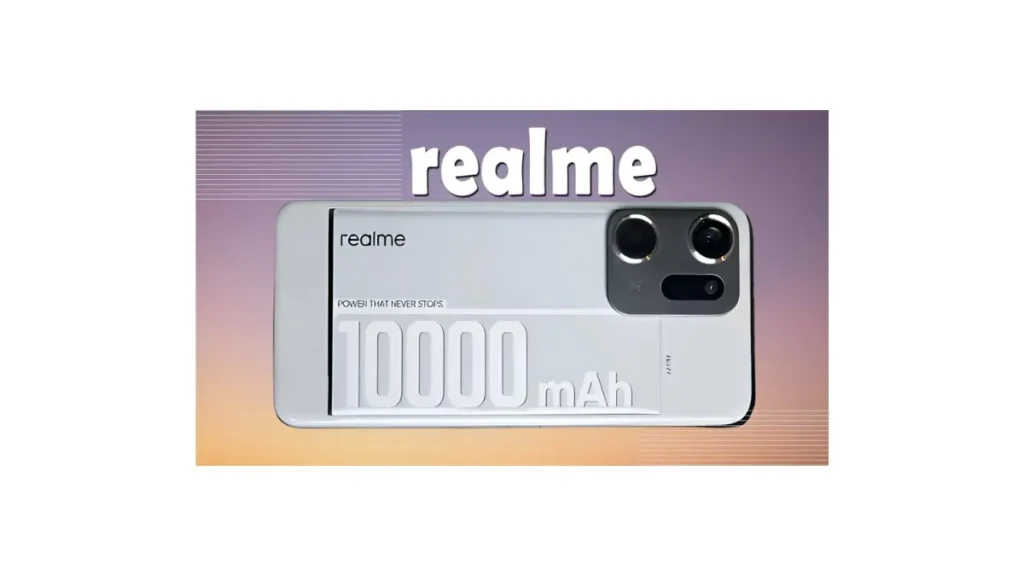
This isn’t just a flex against rivals like Realme’s upcoming 10,001mAh phone. It’s a test of whether consumers are ready to trade minimal thickness for maximum freedom from chargers.


Design and Display: How the Honor Power 2 Channels iPhone 17 Pro Max

Interestingly, Honor hasn’t positioned the Power 2 as a rugged or utilitarian device. Instead, it borrows heavily from the visual language of premium flagships. The triple-camera layout, clean lines, and even the “Rising Sun Orange” color option echo the aesthetic of Apple’s top-end iPhones.

That design choice is strategic. Honor is clearly signaling that massive batteries no longer belong exclusively to bulky niche phones. The illuminated “Power” branding and circular LED element reinforce the identity without pushing the phone into gimmick territory.

In short, this is a battery-first phone that doesn’t want to look like one.


Performance and Hardware: Inside the Honor Power 2

Under the hood, the MediaTek Dimensity 8500 Elite may not be positioned as an ultra-flagship chip, but it fits the Power 2’s philosophy well. It’s designed for sustained performance rather than short benchmark bursts—important for a device likely to be used heavily over long stretches.

Paired with 12GB RAM and storage options up to 512GB, the phone is clearly built for power users: travelers, gamers, and professionals who expect their phone to last not just a day, but several.

The 6.79-inch AMOLED display reinforces that idea, offering a large canvas for media and productivity. Meanwhile, the 50MP primary camera suggests Honor is prioritizing reliability over experimental multi-sensor setups.


Charging Technology and Battery Life of the Honor Power 2

A 10,080mAh battery inevitably raises one concern—charging time. Honor claims 80W fast charging, which sounds reassuring on paper, but the real-world experience will matter. Even with fast charging, filling a battery this large is uncharted territory for most users.

If Honor manages acceptable charging times without excessive heat or battery degradation, it could redefine expectations across the industry. If not, it will expose the limits of brute-force battery scaling.


Global Availability and Future Implications for the Honor Power 2

The Honor Power 2 isn’t just another launch—it’s a provocation. It challenges competitors to rethink priorities and asks consumers a direct question: Do you want ultra-thin phones, or do you want phones that simply refuse to die?

If the Power 2 finds traction, expect more brands to experiment with ultra-high-capacity batteries—especially in markets where reliability outweighs fashion. And if it doesn’t, it will still serve as a valuable data point in the ongoing debate between endurance and elegance.

For now, Honor has the industry’s attention. January 5 will tell us whether the future of smartphones is slimmer—or stronger.

Conclusion

The Honor Power 2 is more than just another smartphone launch—it represents a bold statement in endurance-focused devices. With its massive 10,080mAh battery, iPhone-inspired design, and capable Dimensity 8500 Elite chipset, Honor is challenging the industry to rethink what a flagship-level smartphone can offer in terms of longevity. For users frustrated by daily charging and limited screen-on time, the Power 2 promises a tangible solution without compromising on premium aesthetics. While real-world performance and charging efficiency will determine its ultimate impact, this device clearly sets a new benchmark for battery-centric smartphones and could influence how brands prioritize power and design in 2026 and beyond.

Oppo Reno 15C India Launch: Massive Battery, 120Hz Display, and Mid-Range Performance

Oppo Reno 15C smartphone with 7,000mAh battery and 120Hz OLED display

Oppo Reno 15C India Launch: Incredible 7,000mAh Battery and 120Hz OLED Display

Oppo is set to expand its Reno 15 series in India with the Oppo Reno 15C, a mid-range smartphone that promises flagship-like features at an attractive price. Rumored to be under ₹40,000, the device is expected to pack a massive 7,000mAh battery, a 120Hz OLED display, and a Snapdragon 6 Gen 1 processor, making it ideal for gamers, heavy users, and multimedia enthusiasts. The triple camera setup, led by a 50MP main sensor, along with fast 80W charging, positions the Reno 15C as a feature-rich option in India’s competitive mid-range segment.

Oppo Reno 15C: A Strong Contender in India’s Mid-Range Market

The mid-range segment in India has grown fiercely competitive, with brands like OnePlus, Vivo, and Samsung offering feature-packed smartphones in the ₹30,000–₹45,000 range. The Reno 15C aims to differentiate itself with superior battery life and display technology—two critical aspects often compromised at this price point.

Leaked specifications indicate that the Indian variant of the Reno 15C will differ from its Chinese counterpart, signaling a strategy tailored to local consumer preferences. This could help Oppo appeal to users who value endurance and high-refresh-rate displays in a mid-range device.

Key Features of the Oppo Reno 15C

According to leaks, the Oppo Reno 15C may include:

  • Display: 6.57-inch full-HD LTPS OLED panel with 120Hz refresh rate and 1,400 nits peak brightness.

  • Performance: Snapdragon 6 Gen 1 processor with up to 12GB RAM and 256GB storage.

  • Cameras: Triple rear setup with a 50MP main sensor, 8MP ultra-wide, and 2MP macro camera; 50MP front camera for selfies.

  • Battery: Massive 7,000mAh cell with 80W fast charging support.

  • Design: Slim profile at 8.14mm thickness and weight around 190g.

This combination positions the Oppo Reno 15C as a mid-range phone that doesn’t compromise on key features like display, performance, or battery life.

Why the Oppo Reno 15C Matters

The Oppo Reno 15C addresses a growing demand in India for smartphones that combine long battery life, smooth displays, and capable cameras without breaking the bank. A 7,000mAh battery could allow heavy users to go nearly two days without charging, while the 120Hz OLED display ensures a fluid and immersive visual experience.

If launched competitively, the Reno 15C could set new expectations for mid-range smartphones, pushing competitors to offer better battery and display features in this price segment.

What to Expect Next

Oppo has not officially confirmed the India launch or specifications of the Reno 15C, but leaks suggest it could serve as the entry point to the Reno 15 series in India. By bridging the gap between standard Reno 15 and the Pro models, the Oppo Reno 15C could attract consumers looking for flagship-like features at a mid-range price, reshaping expectations in the segment.

FAQs About Oppo Reno 15C

Q1: When will the Reno 15C launch in India?
A1: Oppo has not officially confirmed the launch date, but leaks suggest the Reno 15C could debut in early 2026.

Q2: What is the expected price of the Reno 15C in India?
A2: The Reno 15C is rumored to be priced under ₹40,000, positioning it as a competitive mid-range smartphone with flagship-like features.

Q3: What are the key specifications of the Reno 15C?
A3: Expected specs include a 6.57-inch 120Hz OLED display, Snapdragon 6 Gen 1 processor, up to 12GB RAM, 256GB storage, 50MP triple rear cameras, 50MP front camera, and a massive 7,000mAh battery with 80W fast charging.

Q4: How does the Reno 15C compare to other mid-range smartphones?
A4: With its combination of a high-refresh OLED display, large battery, and powerful processor, the Reno 15C offers superior performance and endurance, setting a benchmark in its price segment.

Q5: Does the Reno 15C support fast charging?
A5: Yes, the Reno 15C comes with 80W fast charging support, allowing users to quickly recharge its 7,000mAh battery and minimize downtime.

Q6: What makes the Reno 15C ideal for Indian consumers?
A6: The Reno 15C combines long battery life, smooth display performance, and versatile cameras at an affordable price, addressing the key needs of Indian smartphone users.

OnePlus Turbo India Launch Could End Battery Anxiety With 9,000mAh Power

OnePlus Turbo smartphone expected to launch in India with a massive 9,000mAh battery

OnePlus Turbo Could End Battery Anxiety for Indian Smartphone Users

Smartphone performance has improved year after year, but battery anxiety remains a daily frustration for Indian users. That’s why early reports around the upcoming OnePlus Turbo are drawing serious attention. The device is tipped to arrive with a massive 9,000mAh battery—something rarely seen in mainstream smartphones. If OnePlus brings this phone to India under the Nord lineup, it could mark a decisive shift toward endurance-first design. For gamers, streamers, and heavy users constantly hunting for chargers, the Turbo’s focus on long-lasting power may finally address the one problem smartphones still haven’t solved.

Why the OnePlus Turbo matters right now

The Indian smartphone market has reached a point of saturation where performance, displays, and even camera quality have largely converged in the ₹30,000–₹40,000 bracket. What hasn’t been solved—despite years of “all-day battery” promises—is real-world longevity.

If the OnePlus Turbo launches with a 9,000mAh battery, it doesn’t just offer longer usage; it challenges the industry’s assumptions about what mid-range users actually value. For heavy users—gamers, commuters, creators, and professionals—battery anxiety remains one of the last unsolved problems. A phone that can comfortably stretch into a second or even third day changes how people use their devices altogether.

This is less about spec-sheet bragging and more about redefining daily reliability.

Nord branding: a calculated move, not a compromise

While the Turbo name is expected to be used in China, OnePlus is reportedly planning to bring the same device to India under the Nord umbrella. This isn’t accidental. The Nord series has always been OnePlus’s testing ground for shifting priorities—value over prestige, function over flair.

Positioning the OnePlus Turbo as a Nord device allows the company to push boundaries (like battery size) without the pressure of flagship expectations such as premium materials or cutting-edge camera hardware. It also gives OnePlus a clean narrative: this is the phone for users who want power that lasts, not polish that fades.

Performance That Lasts: Built for Long Gaming and Daily Use

Early leaks suggest the OnePlus Turbo could be powered by Qualcomm’s upcoming Snapdragon 7s Gen 4 chipset, paired with a high-refresh-rate OLED display that may go up to 144Hz. If accurate, this combination points to a phone designed for sustained performance—gaming, streaming, navigation, and multitasking over extended periods.

This aligns with comments from OnePlus executives in China, who have emphasized performance stability, battery life, and gaming as the core pillars of the Turbo lineup. In other words, this isn’t just a big-battery phone; it’s meant to stay fast even when pushed for hours.

The design trade-offs users are ready to accept

To make room for such a large battery, compromises are inevitable. A plastic back, a simpler dual-camera setup, and a more utilitarian design have all been hinted at. But market behavior suggests these are acceptable trade-offs.

Indian buyers in this segment increasingly prioritize practical benefits over premium finishes. If the OnePlus Turbo delivers exceptional battery life without overheating or throttling, few users will complain about glossy plastic or fewer camera lenses.

A ripple effect across the industry

If OnePlus succeeds with the OnePlus Turbo, it could trigger a broader shift in mid-range smartphone design. Competitors like Samsung, Xiaomi, iQOO, and Realme will be forced to rethink battery capacity—not as a secondary spec, but as a headline feature.

This could mark the beginning of a new arms race, one focused less on megapixels and more on how long a phone can realistically stay unplugged.

What comes next

Nothing has been officially confirmed yet, and timelines suggest an early 2026 India launch at the earliest. But the message is already clear. With the OnePlus Turbo, the company appears ready to challenge the idea that big batteries belong only to bulky niche phones.

If executed well, this device won’t just extend battery life—it could reset expectations for what a mid-range smartphone in India should deliver every single day.

HMD Pulse 2 Pro: 7 Reasons It’s India’s Most Anticipated Budget Smartphone

HMD Pulse 2 Pro with 120Hz display, dual 50MP cameras, and long-lasting battery – India’s latest budget smartphone

HMD Pulse 2 Pro: 7 Reasons It’s India’s Most Anticipated Budget Smartphone 2025

HMD Global is preparing its next budget-friendly phone, the HMD Pulse 2 Pro, aimed at the sub‑₹20,000 segment. Early leaks suggest this device brings notable upgrades in display, cameras, battery, and software, all while maintaining an affordable price point.

Budget smartphones have evolved, and the HMD Pulse 2 Pro shows how accessible features once reserved for mid-range devices are now within reach. Bigger screens, sharper cameras, long-lasting batteries, and clean software are no longer exclusive to premium phones.


Bigger, Smoother Display for Everyday Use

The Pulse 2 Pro is expected to sport a 6.7-inch Full HD+ IPS LCD panel with a 120 Hz refresh rate, offering fluid animations, smooth scrolling, and responsive interactions.

This upgrade enhances daily usability, whether browsing social media, streaming videos, or gaming lightly. With a high-refresh display, the HMD Pulse 2 Pro feels more premium than typical budget smartphones.


Camera System: High-Resolution and Optical Stabilisation

Leaks indicate a 50 MP primary rear camera with Optical Image Stabilisation (OIS), along with a secondary depth sensor. The front camera is reportedly 50 MP, ideal for selfies and video calls.

OIS improves low-light photography and stabilizes video, making the Pulse 2 Pro a strong contender for buyers prioritizing mobile photography in this price range.


Performance: Smooth Everyday Use

This device is rumored to be powered by a Unisoc T615 or T7250 chipset, paired with 6 GB or 8 GB RAM and 128 GB or 256 GB storage.

For messaging, streaming, light gaming, and multitasking, the HMD Pulse 2 Pro delivers reliable performance. It’s an efficient solution for first-time smartphone buyers or users upgrading from older devices.


Battery Life: Long-Lasting with Fast Charging

The Pulse 2 Pro is expected to feature a 5,000 mAh battery with 20 W fast charging, supporting all-day use even with the high-refresh display.

Long-lasting battery life is a key factor in budget devices, and this ensures users can rely on the smartphone without frequent recharges.


Software: Clean Android 15 Experience

HMD Global continues its tradition of near-stock Android, and the Pulse 2 Pro is expected to ship with Android 15.

A lightweight, bloatware-free interface improves responsiveness and extends software support, giving this budget device an advantage over competitors with heavier custom skins.


Design and Practical Features

The smartphone features a modern look with a horizontal camera module and colors like Glacier Green, Midnight Black, and Twilight Purple.

Additional enhancements include:

  • IP54 dust and splash resistance

  • NFC support

  • Dual speakers

  • Programmable custom button

These features make the HMD Pulse 2 Pro feel more complete and practical than many entry-level smartphones.


Price and Availability in India

Early leaks place the 6 GB + 128 GB variant at around CHF 169 (~₹18,000). If this pricing holds for India, the HMD Pulse 2 Pro will directly compete with Realme, Redmi, and Motorola devices in the sub‑₹20,000 segment.

With its combination of high-refresh display, capable cameras, and robust battery, the Pulse 2 Pro offers strong value for budget-conscious buyers.


Why the HMD Pulse 2 Pro Matters for Buyers

The sub‑₹20,000 market is competitive, but the Pulse 2 Pro stands out by delivering:

  • Value and performance: Smooth display and capable cameras

  • Practical features: Splash resistance, NFC, and programmable button

  • Longevity: Clean Android interface with future updates

  • Competitive edge: Well-rounded specs rivaling higher-priced devices

This device sets a new benchmark for affordable smartphones in 2025.


Verdict: Redefining Budget Smartphones

The HMD Pulse 2 Pro is shaping up to be one of the most interesting budget phones of 2025–26. With its 120 Hz display, high-resolution cameras, long-lasting battery, and practical features, it goes beyond the typical “good enough” formula.

For first-time buyers and cost-conscious users, the Pulse 2 Pro strikes the right balance of performance, usability, and price — making it a standout choice in the value segment.