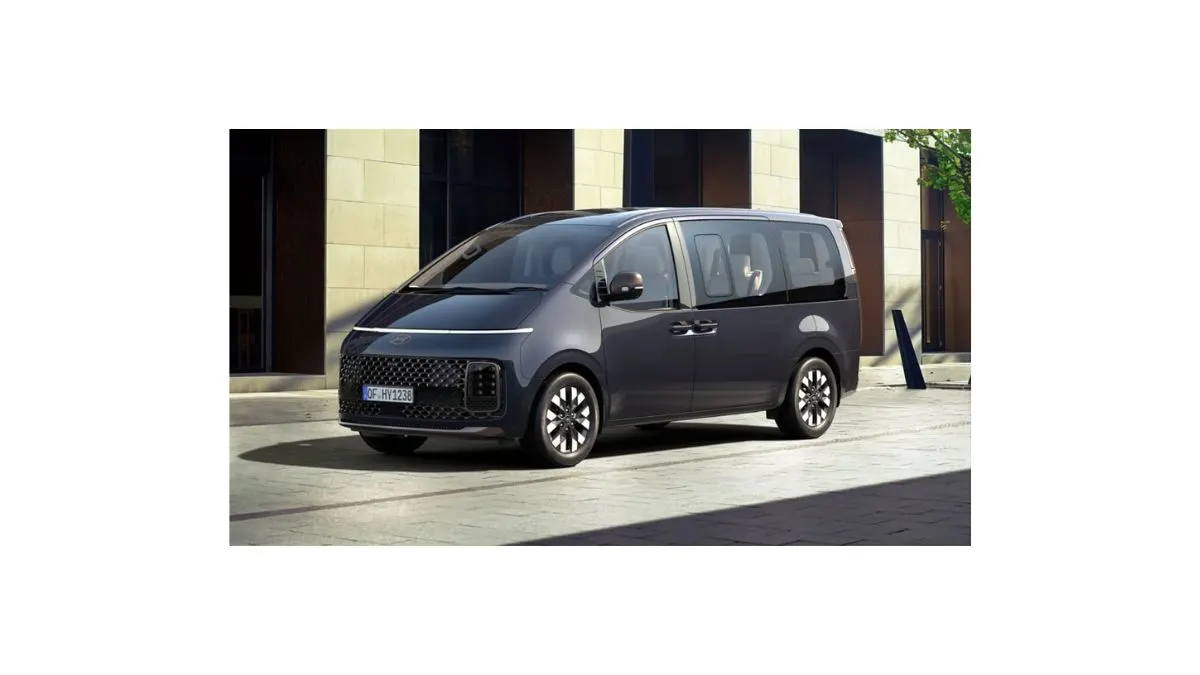
Hyundai Staria Electric: The Electric MPV That Signals Hyundai’s Next Big EV Move
Hyundai’s electric transition is no longer limited to sleek SUVs and futuristic sedans. With the debut of the Hyundai Staria Electric, the brand is clearly targeting a far more practical segment that has been largely ignored in the EV space. Electric MPVs have remained rare, expensive, or compromised. The Hyundai Staria Electric challenges that reality with long range capability, fast charging, serious towing capacity, and an interior designed for real people and real businesses. This is not a concept car or a niche experiment. It is Hyundai making a calculated bet that families, shuttle operators, and commercial fleets are ready to go fully electric without sacrificing space or usability.
Why the Hyundai Staria Electric Matters More Than It Looks
Electric vehicles have mostly focused on personal mobility so far. Compact hatchbacks, crossovers, and premium SUVs dominate the conversation. What has been missing is a genuinely usable electric people mover that can replace diesel vans and large MPVs without forcing compromises.
The Hyundai Staria Electric fills that gap. It is not just an electrified version of an existing van. It is a strategic product aimed at families, ride sharing services, hotels, airport transfers, and corporate fleets that want lower running costs and zero emissions without losing capacity.
Hyundai understands something many automakers still hesitate to accept. The next phase of EV growth will not come only from individual buyers. It will come from practical vehicles that move people and goods every single day.
Hyundai Staria Electric Design Philosophy
The Staria Electric keeps the instantly recognizable silhouette of the Staria lineup but subtly evolves it for the electric era. The front fascia is cleaner and more aerodynamic, emphasizing efficiency rather than aggression. A closed grille replaces traditional air intakes, signaling its electric nature without screaming about it.
Large glass surfaces remain a core design element. They improve outward visibility and make the cabin feel airy and open. Sliding doors on both sides make passenger entry effortless in tight urban spaces, while the wide tailgate improves cargo access.
Unlike many electric vehicles that prioritize style over function, the Staria Electric remains unapologetically practical. Every design choice serves usability first.
Interior Experience: Built Like a Lounge, Used Like a Tool
Step inside the Hyundai Staria Electric and the focus on space becomes obvious. The flat floor made possible by the electric platform transforms cabin flexibility. Passengers are not fighting transmission tunnels or raised floors.
Hyundai offers multiple seating configurations, including seven seat luxury layouts and nine seat people mover versions. This flexibility makes the Staria Electric suitable for private owners as well as commercial buyers.
The dashboard integrates large digital displays that handle both instrumentation and infotainment. Hyundai’s latest connected car navigation system brings over the air updates, live traffic data, and smartphone level responsiveness.
Storage spaces are intelligently placed throughout the cabin, acknowledging that real users carry bags, bottles, devices, and equipment. Multiple high power USB charging ports ensure every passenger stays connected.
Electric Powertrain and Performance Explained
At the heart of the Hyundai Staria Electric is a high output electric motor producing around 160 kW of power. This translates to smooth, confident acceleration even when fully loaded.
More importantly, torque delivery is instant. This matters in a large MPV where quick merging, uphill starts, and stop and go traffic are everyday realities.
The battery pack, with a capacity of approximately 84 kWh, provides a claimed driving range of up to 400 kilometers on the WLTP cycle. Real world range will vary, but the focus here is not record breaking numbers. It is predictable, usable distance that suits daily operations.
Fast Charging Changes the Game for MPVs
One of the most impressive aspects of the Staria Electric is its 800 volt electrical architecture. This is typically reserved for premium EVs, not people movers.
Thanks to this system, the Staria Electric supports ultra fast DC charging. Charging from 10 percent to 80 percent can take roughly 20 minutes under optimal conditions. For commercial operators, this drastically reduces downtime.
AC charging is also practical, with support for up to 11 kW home or depot chargers. Overnight charging becomes simple and cost effective.
Towing and Utility: A Rare Strength in Electric Vehicles
Electric MPVs often struggle when it comes to towing. The Hyundai Staria Electric breaks that pattern with a braked towing capacity of up to 2,000 kilograms.
This opens up use cases that many electric vehicles simply cannot support. Small trailers, boats, camping equipment, or work related loads become feasible.
Vehicle to Load capability further enhances utility. The Hyundai Staria Electric can power external devices, tools, or appliances directly from the vehicle battery. For outdoor activities or mobile businesses, this is a genuine advantage.
Safety and Driver Assistance Technology
Hyundai equips the Staria Electric with a full suite of advanced driver assistance systems under its SmartSense umbrella.
Key features include forward collision avoidance, blind spot monitoring, rear cross traffic alerts, adaptive cruise control, and driver attention warnings. These systems reduce fatigue and improve safety, especially for long hours of driving.
Parking aids such as surround view monitoring are particularly valuable in a large vehicle. They make urban maneuvering far less stressful.
Who Should Buy the Hyundai Staria Electric
The appeal of the Staria Electric is broad, but it shines brightest in specific use cases.
Families who need space without sacrificing modern technology will find it compelling. Shuttle services and hospitality businesses can benefit from lower operating costs and silent operation. Corporate fleets looking to meet sustainability goals gain a practical zero emission solution. Even adventure focused buyers who need towing and power supply will see value.
This versatility is what sets the Staria Electric apart from many niche EVs.
Market Positioning and Competition
Electric MPVs remain a limited segment globally. Most available options are either compact people carriers or expensive premium vans.
Hyundai positions the Staria Electric between these extremes. It offers premium technology without premium pricing expectations, although official pricing has not yet been announced.
This strategic positioning could allow Hyundai to dominate a segment before rivals fully commit to it.
What the Hyundai Staria Electric Signals About Hyundai’s EV Strategy
The Staria Electric is not just a new model. It is a statement.
Hyundai is clearly expanding its electric ambitions beyond lifestyle vehicles. The company recognizes that electrification must reach practical segments to achieve meaningful scale.
By investing in an electric MPV with fast charging, towing capability, and flexible interiors, Hyundai shows confidence in both its battery technology and its understanding of real world mobility needs.
Future Outlook and India Possibility
While initial launches are focused on Europe and select global markets, interest in electric MPVs is growing rapidly in regions like India.
Fleet electrification, rising fuel costs, and stricter emission norms could make vehicles like the Hyundai Staria Electric highly relevant in the future. Local manufacturing and battery cost reductions will be key factors.
If Hyundai decides to bring the Hyundai Staria Electric to emerging markets, it could become a benchmark product rather than a niche offering.
Final Verdict
The Hyundai Staria Electric does not try to impress with exaggerated claims or futuristic gimmicks. Instead, it focuses on solving real problems.
It delivers space, flexibility, fast charging, towing ability, and modern technology in a single electric package. That combination is rare and valuable.
For buyers who need more than just a stylish EV, the Staria Electric represents a meaningful step forward in electric mobility.