Toyota Rumion Explained: The Family MPV That Quietly Makes More Sense Than an SUV

Toyota Rumion MPV parked in an urban setting highlighting family-friendly design

Toyota Rumion: A Practical MPV Built for Indian Families and Long-Term Ownership

The Toyota Rumion isn’t designed to chase trends it’s built to solve everyday mobility needs. In an era dominated by compact SUVs, this three-row MPV stands out by prioritising space, fuel efficiency, and reliability. Available with petrol and CNG options, the Toyota Rumion appeals to families and fleet buyers alike. Its biggest strength isn’t flashy features but Toyota’s reputation for durability and low running costs. As India’s car market matures, vehicles like the Rumion highlight a shift toward sensible, value-driven purchases over pure style statements.

Toyota Rumion Quietly Understands How India Actually Uses Cars

India’s car market loves trends. Right now, that trend is SUVs raised stance, rugged styling, and the promise of adventure even if most journeys never leave city limits. Yet, beneath this SUV-heavy narrative, there is another category that continues to do the real work of moving Indian households and businesses every single day: the MPV.

The Toyota Rumion exists precisely in this overlooked space. It doesn’t chase design theatrics or try to reinvent mobility. Instead, it focuses on something far more difficult to execute consistently reliability, efficiency, and everyday usefulness. And that is exactly why the Rumion deserves more attention than it gets.


A Strategic Car, Not a Flashy One

To understand the Rumion’s importance, you have to look beyond spec sheets. This MPV isn’t just another product filling a price gap; it’s a strategic pillar for Toyota in India.

Toyota has long understood that Indian buyers don’t always upgrade for novelty. They upgrade for peace of mind. The Rumion taps into this mindset by offering a familiar, proven formula backed by Toyota’s brand trust and after-sales network. In a country where ownership cycles often stretch beyond seven to ten years, that matters more than the latest touchscreen size.

The Toyota Rumion isn’t here to win design awards. It’s here to stay relevant long after trend-driven rivals fade.


Why MPVs Still Matter in an SUV-Dominated Market

Despite the marketing noise, MPVs remain one of the most rational vehicle choices for Indian conditions. Larger families, shared mobility, and mixed-use driving patterns make space and comfort more valuable than high ground clearance.

The Rumion’s three-row layout is designed around actual passenger usage, not occasional flexibility. Adults can sit comfortably in the second and third rows, something many compact SUVs still struggle with. For families, this translates into fewer compromises. For fleet operators, it means better passenger comfort over long distances.

In a subtle way, the Rumion exposes the limitations of many so-called “family SUVs.”


Practicality Over Pretense

One of the Rumion’s strongest selling points is its lack of pretense. Everything about the vehicle is designed to reduce ownership friction.

  • Wide-opening doors make ingress and egress easy for elderly passengers

  • Flat floor and smart seat positioning improve third-row usability

  • Boot space flexibility allows quick transitions between passenger and cargo use

These aren’t headline-grabbing features, but they define the ownership experience over thousands of kilometres.

Toyota knows that comfort isn’t just about seat cushioning it’s about how effortlessly a car fits into daily life.


Petrol and CNG: A Calculated Powertrain Strategy

In an era where electrification dominates headlines, Toyota’s decision to offer the Rumion with petrol and CNG options might seem conservative. In reality, it’s pragmatic.

CNG continues to be one of the most cost-effective fuels for Indian buyers with high monthly running. For families doing regular intercity travel or operators running fixed routes, the economics are compelling. Lower fuel costs, predictable maintenance, and government-backed infrastructure give CNG long-term viability especially outside premium urban EV bubbles.

By keeping the Rumion ICE-powered for now, Toyota acknowledges a truth many brands gloss over: India’s transition to EVs will be gradual and uneven.


Ownership Economics: Where the Toyota Rumion Truly Wins

The Rumion’s strongest argument isn’t what you pay upfront it’s what you save over time.

Toyota’s reputation for mechanical reliability translates into:

  • Lower unscheduled repair costs

  • Better resale value

  • Wider service accessibility, even in smaller towns

For Indian buyers who calculate ownership in years rather than EMI cycles, these factors often outweigh feature lists. The Rumion doesn’t just promise affordability; it delivers predictable ownership.

This is why Toyota vehicles, even when slightly pricier upfront, often cost less in the long run.


Design That Ages Gracefully

The Rumion’s design philosophy is refreshingly restrained. Instead of sharp creases and aggressive styling elements that can feel dated within a few years, it opts for clean lines and balanced proportions.

This approach has two advantages:

  1. Timelessness – The car doesn’t look outdated quickly

  2. Broader appeal – Suitable for both personal and commercial use

In a market where resale value is closely tied to how “current” a vehicle looks, this understated design works in the Rumion’s favour.


Technology Where It Counts

The Rumion doesn’t overload buyers with experimental tech. Instead, it focuses on essentials that enhance daily driving:

  • User-friendly infotainment

  • Practical connectivity features

  • Safety systems aligned with real-world usage

This restrained approach reduces complexity and potential long-term issues. For buyers who value dependability over novelty, this balance feels intentional rather than cost-cutting.


Toyota Rumion in the Bigger Industry Context

The Rumion’s role becomes even more interesting when viewed against India’s evolving automotive landscape.

As emissions norms tighten and EV adoption grows, manufacturers are reassessing which segments justify heavy investment. MPVs, particularly in the mass-market space, are likely to outlast several crossover experiments because they serve fundamental mobility needs.

The Rumion positions Toyota well for this future. It keeps the brand rooted in practicality while leaving room for eventual hybrid or alternative-fuel evolution.


Could There Be a Hybrid Rumion in the Future?

Toyota is globally synonymous with hybrid technology, and India is slowly warming up to it. While there’s no official confirmation, the Rumion’s platform and positioning make it a strong candidate for future electrified options.

A strong-hybrid MPV focused on efficiency rather than outright performance could find a ready audience especially among buyers hesitant about full EV adoption.

If that happens, the Rumion may quietly become one of Toyota’s most forward-looking models.


Who Should Actually Buy the Toyota Rumion?

The Toyota Rumion isn’t for everyone and that’s its strength.

It’s ideal for:

  • Families prioritising space and comfort

  • Buyers planning long ownership cycles

  • Fleet operators seeking reliability and fuel efficiency

  • SUV intenders who don’t need the SUV image

It’s not aimed at buyers chasing trend-driven aesthetics or high-performance figures. It’s aimed at those who want a car to simply do its job, day after day.


The Quiet Strength of the Toyota Rumion

In a market obsessed with noise launch events, feature wars, and spec-sheet battles the Toyota Rumion stands out by being deliberately quiet.

Its success lies not in viral marketing but in repeat buyers, word-of-mouth trust, and long-term satisfaction. These are harder metrics to measure, but they define lasting relevance.

The Rumion reminds us that the best cars aren’t always the loudest. Sometimes, they’re the ones that understand their users better than anyone else.

And in India’s ever-evolving automotive story, that understanding may prove more valuable than any trend.

Toyota Innova Hycross Explained: Why This Hybrid MPV Has Redefined Family Cars in India

Toyota Innova Hycross hybrid MPV showcasing bold SUV inspired design and spacious family car styling

Toyota Innova Hycross: A Hybrid MPV That Changes What Indian Families Expect

The Toyota Innova Hycross is not just a new generation Innova. It represents a complete shift in how Toyota views family mobility in India. By moving away from diesel power and embracing strong hybrid technology, the Hycross targets buyers who want space, comfort, fuel efficiency, and modern features in one package. Built on a new platform and loaded with premium technology, the Innova Hycross blends SUV like presence with MPV practicality. For families upgrading from sedans or compact SUVs, it offers something few rivals can match: reliability, efficiency, and genuine long distance comfort in a single, future ready vehicle.


Why the Toyota Innova Hycross Matters in Today’s Market

For nearly two decades, the Innova name has been synonymous with reliability, comfort, and resale value in India. However, rising fuel prices, stricter emission norms, and changing buyer preferences forced Toyota to rethink the formula.

The Innova Hycross marks a bold departure from the traditional ladder frame diesel MPV. Instead, Toyota has introduced a monocoque chassis with petrol and strong hybrid powertrains. This shift improves ride comfort, efficiency, and urban usability while retaining the core strengths that made the Innova a household name.

More importantly, the Hycross arrives at a time when buyers want premium features and SUV like styling without sacrificing interior space.


Platform and Design Philosophy

The Toyota Innova Hycross is built on the TNGA C platform, which it shares with several global Toyota and Lexus models. This monocoque architecture allows better handling, improved ride quality, and reduced weight compared to the older body on frame setup.

Visually, the Hycross adopts a bold SUV inspired design. The upright front fascia, large grille, sculpted bonnet, and strong shoulder lines give it a commanding road presence. This design approach helps the Toyota Innova Hycross appeal to SUV buyers who may have never considered an MPV before.

Despite the muscular styling, Toyota has retained the practicality of a people mover. Large windows, wide opening doors, and a generous tailgate ensure everyday usability remains strong.


Interior Comfort and Cabin Experience

Step inside the Toyota Innova Hycross and the transformation becomes even more apparent. The cabin feels modern, premium, and thoughtfully designed.

The dashboard layout is clean and driver focused, featuring a large touchscreen infotainment system and a digital instrument cluster on higher variants. Soft touch materials, ambient lighting, and well cushioned seats elevate the overall experience.

Second row comfort is a major highlight. Depending on the variant, buyers can opt for captain seats with ottoman function, making long journeys significantly more relaxing. The third row offers improved legroom compared to many rivals, ensuring adults can sit comfortably for short to medium distances.

Storage spaces are intelligently distributed across the cabin, making the Hycross a practical family vehicle.


Engine Options and Hybrid Technology Explained

Toyota offers the Innova Hycross with two petrol based powertrains.

The first is a 2.0 litre naturally aspirated petrol engine designed for smooth and refined performance. This option suits buyers who want lower upfront costs and mostly city usage.

The second and more significant option is Toyota’s strong hybrid system. It combines a petrol engine with an electric motor and a self charging battery. This setup allows the vehicle to run on electric power at low speeds and during light throttle conditions.

The result is impressive fuel efficiency for a vehicle of this size. In real world conditions, the hybrid system can deliver mileage figures that rival smaller cars.


Driving Experience and Ride Quality

One of the biggest advantages of the Innova Hycross is how it drives. The monocoque platform delivers a car like driving experience, especially in urban environments.

Steering is light at low speeds, making city driving and parking easier than expected for a large MPV. On highways, the Toyota Innova Hycross feels stable and composed, with minimal body roll for its size.

The hybrid variant adds another layer of refinement. Silent electric operation at low speeds reduces noise and vibration, creating a relaxed driving experience.

Suspension tuning strikes a good balance between comfort and control, ensuring passengers remain comfortable even on uneven roads.


Fuel Efficiency and Running Costs

Fuel efficiency is where the Toyota Innova Hycross truly stands out.

The strong hybrid variant offers excellent mileage, making it one of the most fuel efficient vehicles in its segment. This significantly lowers running costs, especially for families who travel frequently or clock high monthly usage.

Since the hybrid system is self charging, buyers do not need to worry about plugging in or installing home chargers. This makes it ideal for Indian conditions where charging infrastructure is still developing.

Toyota’s reputation for reliability and low maintenance further strengthens the ownership proposition.


Safety Features and Technology

Toyota has equipped the Innova Hycross with a comprehensive set of safety features.

Standard safety equipment includes multiple airbags, ABS with EBD, vehicle stability control, and hill hold assist. Higher variants offer advanced driver assistance systems under Toyota Safety Sense.

These features include adaptive cruise control, lane departure warning, automatic emergency braking, and adaptive high beam assist. Such technology is still rare in the MPV segment and positions the Hycross as a premium offering.

The body structure also benefits from high tensile steel for improved crash protection.


Variants and Seating Configurations

The Toyota Innova Hycross is available in multiple variants to suit different buyer needs.

Seating options include seven and eight seat configurations. The seven seat version prioritizes comfort with captain seats in the second row, while the eight seat version focuses on maximum passenger capacity.

Toyota has carefully structured the variant lineup to offer value across price points, from family oriented trims to feature rich premium versions.


How the Innova Hycross Compares to Rivals

In the Indian market, the Innova Hycross competes with premium MPVs and three row SUVs.

Compared to traditional diesel MPVs, the Hycross offers superior refinement and fuel efficiency. Against SUVs, it provides more interior space and better third row comfort.

What truly sets it apart is Toyota’s hybrid technology, which most competitors do not offer in this segment.


Who Should Buy the Toyota Innova Hycross

The Toyota Innova Hycross is ideal for families who prioritize comfort, reliability, and long term ownership value.

It suits buyers upgrading from sedans or compact SUVs who want more space without moving to a bulky commercial vehicle. It also appeals to urban users who want a premium experience with lower fuel costs.

For those who travel frequently or plan to keep their vehicle for many years, the hybrid variant makes strong financial sense.


Long Term Ownership and Resale Value

Toyota vehicles are known for strong resale value, and the Innova name carries immense trust in India.

The Toyota Innova Hycross continues this legacy while adding modern technology that future proofs the vehicle. Lower fuel consumption and reduced wear on mechanical components in the hybrid system may also contribute to better long term reliability.


Final Verdict

The Toyota Innova Hycross is not just a successor to the Innova Crysta. It is a complete reimagining of what a family MPV can be.

By combining hybrid efficiency, premium comfort, modern safety features, and Toyota reliability, the Hycross sets a new benchmark in its segment.

For buyers looking for a spacious, future ready family car that balances comfort and efficiency, the Innova Hycross stands as one of the strongest choices in the Indian market today.

Maruti XL6 Cabin Update Turns This Family MPV into a Smarter ₹11.94 Lakh Choice

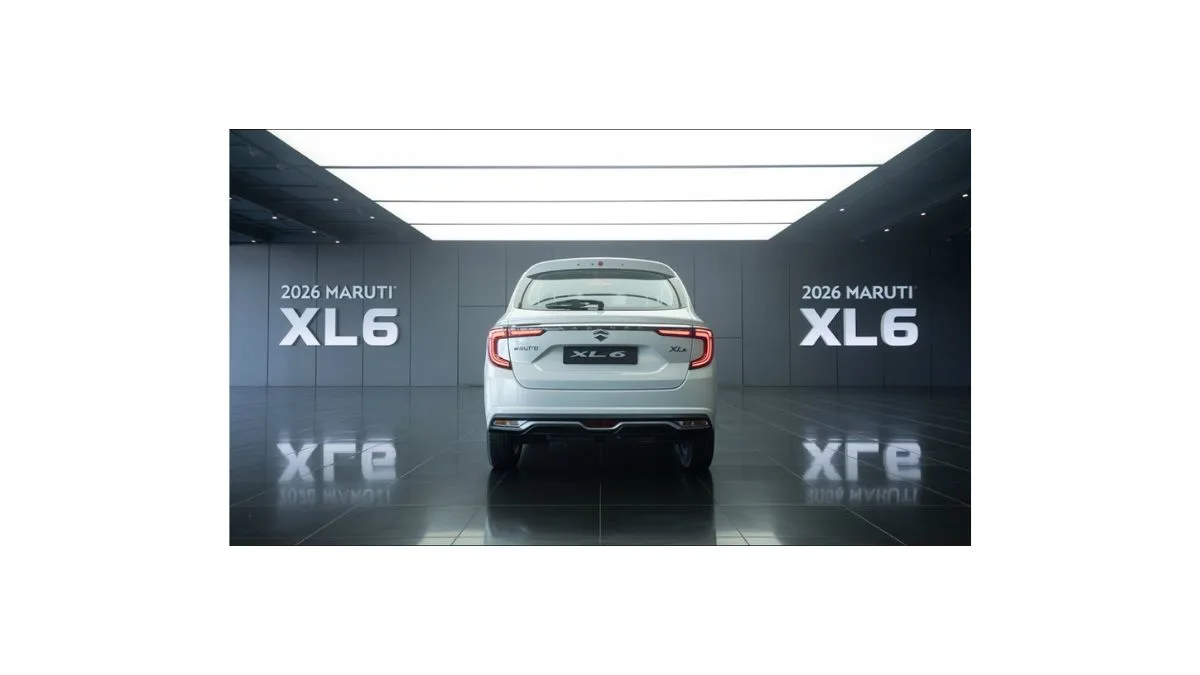
Maruti XL6 premium 6 seater MPV with bold SUV styling and smart hybrid technology

Maruti XL6 Update Explained Why Small Cabin Changes Create a Big Impact for Families

The Maruti XL6 has long been positioned as a premium yet sensible family MPV in India. With the latest Maruti XL6 update starting at ₹11.94 lakh ex showroom the brand has once again refined what matters most to everyday buyers. Instead of changing engines or exterior styling XL6 improvements focus on cabin comfort airflow and passenger convenience. These changes directly enhance the real world ownership experience for families who use all three rows regularly. In a market filled with feature heavy SUVs the XL6 stands out by solving practical problems rather than chasing trends making this update more meaningful than it first appears.

Maruti XL6 Cabin Update Focuses on Real Family Comfort

The biggest talking point of the Maruti Suzuki XL6 update is the reworked cabin layout. Maruti has clearly listened to owner feedback and focused on improving passenger comfort for the second and third rows.

Earlier ceiling mounted air vents often reduced headroom and felt awkward to use. In the updated XL6 these vents are now placed behind the center console. This improves airflow accessibility while also freeing up overhead space. The cabin instantly feels more open and comfortable especially for taller passengers.

This change may sound simple but it has a major impact on long distance comfort.


Maruti XL6 Third Row Air Vents Finally Solve a Long Standing Problem

The Maruti Suzuki XL6 now offers dedicated air vents for third row passengers. These vents come with blower speed control and are positioned for effective cooling even when the vehicle is fully occupied.

For families that regularly use all six seats this update significantly improves travel comfort. The Maruti XL6 now treats third row passengers as equal occupants rather than occasional users.

This alone strengthens the Maruti Suzuki XL6 position as a true family focused MPV.


Maruti XL6 Charging Convenience Matches Modern Usage

Another meaningful upgrade in the XL6 cabin is the addition of Type C USB charging ports. The second row gets two charging outlets while the third row also receives two ports.

In real world use this eliminates charging conflicts during road trips and daily commutes. Phones navigation devices and tablets can remain powered without relying on front row access.

This thoughtful addition aligns the Maruti Suzuki XL6 with modern digital lifestyles.


Maruti XL6 Engine and Gearbox Remain Proven and Reliable

Mechanically the Maruti Suzuki XL6remains unchanged and that is a deliberate decision. The MPV continues with the trusted 1.5 litre petrol engine producing 102 bhp and 136.8 Nm of torque.

Buyers can choose between a five speed manual and a six speed torque converter automatic. This powertrain is known for smooth performance low maintenance costs and strong reliability.

For Maruti Suzuki XL6 buyers predictability matters more than experimentation and this engine delivers exactly that.


Maruti XL6 CNG Variant Strengthens Value

The Maruti Suzuki XL6 CNG variant continues to be available for buyers prioritizing fuel economy. Producing 87 bhp and 121.5 Nm of torque this version is ideal for high mileage users.

With rising fuel costs the Maruti XL6 CNG option remains a strong reason to choose this MPV over petrol only rivals.


Maruti XL6 Price and Market Position Explained

The Maruti Suzuki XL6price now starts at ₹11.94 lakh ex showroom. This places it strategically between budget MPVs and more expensive three row SUVs.

What makes the Maruti Suzuki XL6 competitive is its balance of space comfort reliability and ownership cost. While rivals focus on aggressive styling the Maruti XL6 continues to win buyers with everyday usability.

This pricing also keeps resale values strong which remains a major advantage.


Why the Maruti XL6 Update Matters in Today Market

The Maruti Suzuki XL6 update reflects a mature understanding of Indian family car buyers. Instead of chasing cosmetic upgrades Maruti has improved aspects that owners interact with daily.

Better airflow improved charging access and enhanced rear seat comfort directly translate into higher satisfaction over years of ownership. These are changes that matter long after the novelty of a new car wears off.


Future Direction of the Maruti XL6 Lineup

This update suggests that Maruti will continue refining the XL6 through user driven improvements. Rather than major redesigns future updates are likely to focus on comfort efficiency and technology integration.

The Maruti Suzuki XL6 is evolving quietly but intelligently reinforcing its role as a dependable family MPV.


Final Verdict

The latest XL6 update proves that small thoughtful changes can create a big difference. By improving cabin comfort airflow and convenience Maruti has strengthened the XL6 core appeal without disrupting its proven mechanical reliability.

At ₹11.94 lakh ex showroom the Maruti XL6 remains one of the smartest choices for families seeking space comfort and peace of mind.