Honor Magic 8 Pro Air Design Leak Raises Serious Questions About Smartphone Innovation in 2026
A leaked sketch of the Honor Magic 8 Pro Air was expected to generate excitement. Instead, it triggered a more uncomfortable conversation about originality in the modern smartphone industry. The upcoming Honor flagship appears to follow a familiar camera layout that mirrors existing premium phones, reigniting concerns that design innovation has stalled across brands. This is not just about how one phone looks. It reflects a deeper shift in how smartphone makers prioritize safety over creativity. As Honor prepares its next major launch, the Magic 8 Pro Air may reveal more about the industry’s future than its spec sheet ever could.
When a Leak Tells a Bigger Story Than the Phone Itself
Smartphone leaks are routine now. Most reveal processors, camera sensors, or charging speeds. Occasionally, though, a leak sparks a conversation far beyond raw specifications. That is exactly what has happened with the leaked design sketch of the Honor Magic 8 Pro Air.
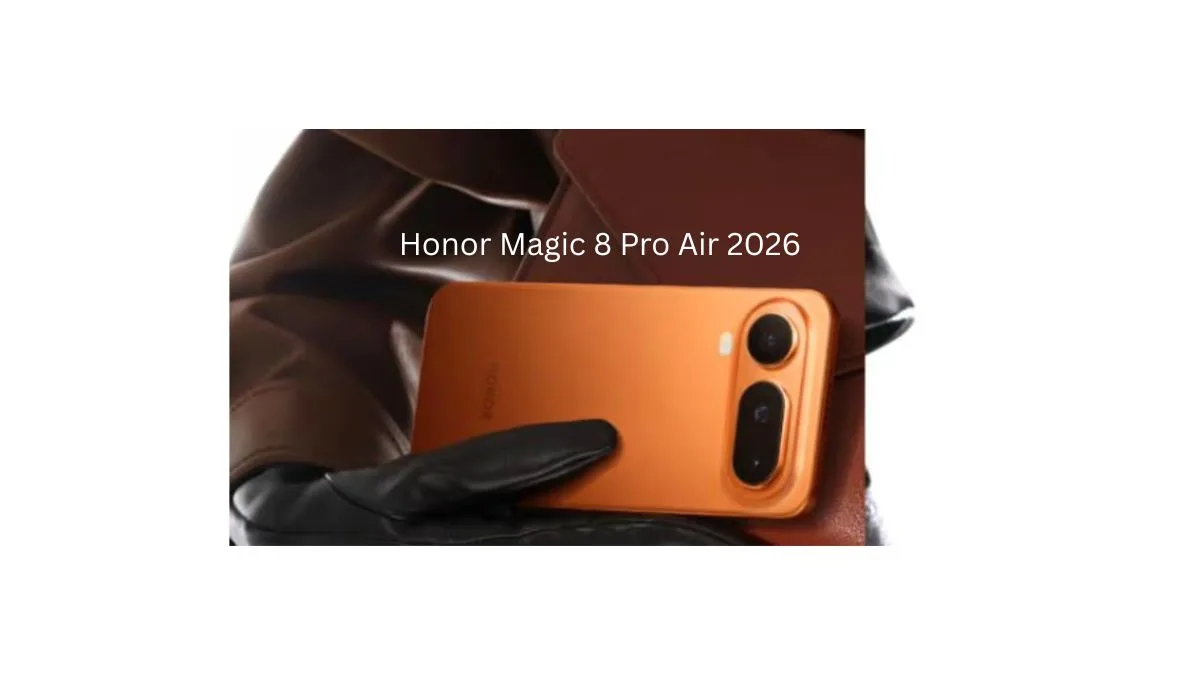
At first glance, the sketch shows a premium device with a refined camera module and clean rear panel. Nothing shocking. Nothing offensive. And perhaps that is the problem.
The immediate reaction across tech circles was not outrage, but disappointment. The design felt familiar. Too familiar. In an industry that once thrived on bold visual experimentation, the Honor Magic 8 Pro Air leak highlights a growing concern: flagship smartphones are starting to look the same, regardless of brand.
The Camera Module That Started the Debate
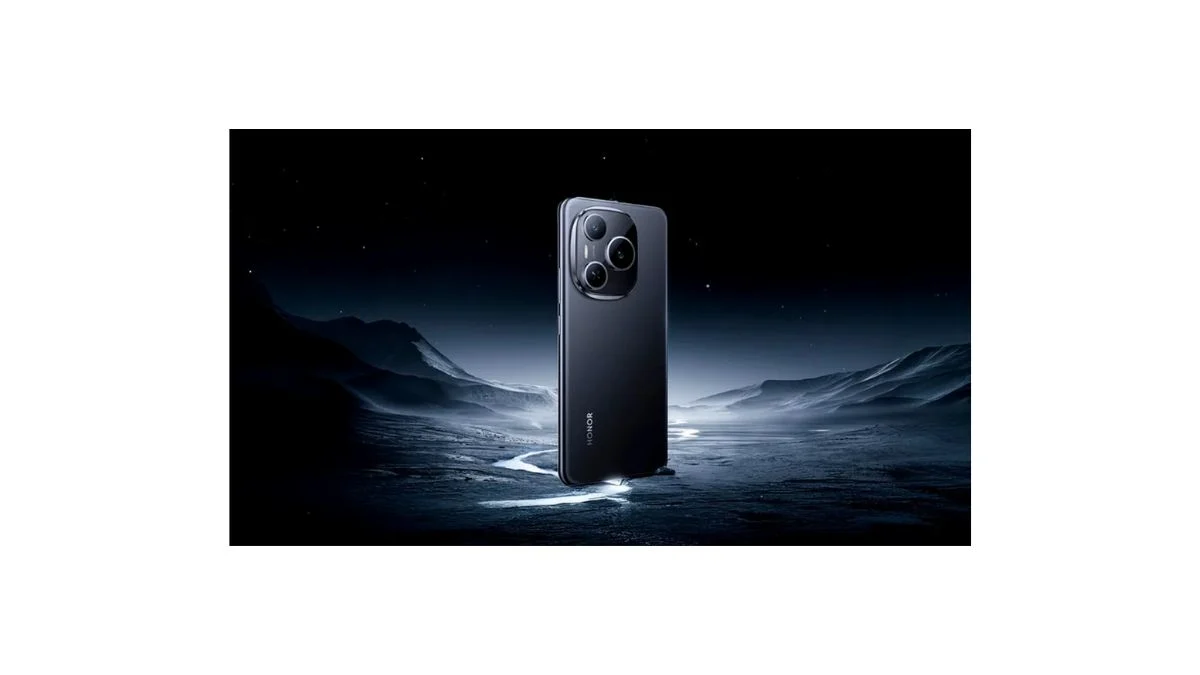
The leaked sketch focuses heavily on the rear camera housing. It follows a layout that closely resembles existing premium Android flagships. Large circular or rounded rectangular camera islands have become the default visual signature for high-end phones, and Honor appears to be continuing that trend rather than challenging it.
This does not mean the phone will have a poor camera. In fact, reports suggest Honor is working on advanced imaging hardware that could rival top competitors. The criticism is not about performance. It is about identity.
For years, camera design was how brands visually separated themselves. Think of Nokia’s bold camera domes, Huawei’s distinctive rings, or Apple’s instantly recognizable diagonal lens layout. Today, those distinctions are blurring.
Why Design Originality Still Matters in 2026
Some argue that design no longer matters as much because smartphones are mature products. Users care more about battery life, cameras, and software features. That argument misses a crucial point.
Design is not just aesthetics. It is branding.
When a phone looks unique, it communicates confidence. It signals leadership rather than imitation. Consumers may not consciously analyze camera layouts, but they absolutely feel when a product looks generic.
For Honor, this matters more than most brands. Still rebuilding its global identity after separating from Huawei, Honor needs clear visual differentiation to stand out in an increasingly crowded premium market.
Honor Magic 8 Pro Air and the Rise of Safe Design
The Honor Magic 8 Pro Air appears to be a product of what many analysts call “safe flagship design.” This approach prioritizes proven formulas over risky creativity.
Why is this happening?
Because flagship phones are expensive to develop and even more expensive to market. Companies are reluctant to gamble on unconventional designs that might alienate buyers or complicate manufacturing.
Instead, brands focus on incremental improvements. Slightly better cameras. Slightly brighter displays. Slightly faster chips.
The Honor Magic 8 Pro Air seems positioned firmly within this philosophy.
Specifications Are No Longer Enough
Leaks suggest the Honor Magic 8 Pro Air will feature a high-end processor, likely from MediaTek’s Dimensity flagship lineup, paired with a large battery and fast charging. On paper, that places it directly alongside devices from Samsung, Xiaomi, and OnePlus.
But here is the reality of the 2026 smartphone market: specs no longer sell phones on their own.
Performance parity is real. Even midrange devices now handle everyday tasks with ease. Flagships must justify their price through experience, design, and emotional appeal.
When design fails to excite, the entire product narrative weakens.
The Hidden Risk of Looking Like Everyone Else
There is a silent danger in visual sameness.
When phones look alike, consumers default to the strongest brand. Apple benefits from this. Samsung benefits from this. Smaller players do not.
If an Honor flagship visually blends into the Android crowd, buyers may ask themselves a simple question: “Why not just buy a Samsung or Pixel?”
This is where design originality becomes a competitive weapon rather than a luxury.
Camera Hardware vs Camera Identity
Ironically, Honor has been making serious strides in imaging technology. Recent reports suggest the Honor Magic 8 Pro Air could use a large main sensor with advanced computational photography.
Yet camera identity is not only about image quality. It is also about visual storytelling.
When people post photos of their phones online, the camera module becomes part of the brand narrative. A distinctive design turns users into marketers. A generic design does not.
Honor risks undercutting its own camera advancements by packaging them in a design that fails to spark curiosity.
The “Air” Branding and Missed Opportunities
The “Air” name suggests lightness, elegance, and minimalism. It invites expectations of a refined design language that prioritizes thinness and sophistication.
This is where the leaked sketch feels like a missed opportunity.
Instead of using the Air branding to introduce a new visual direction, Honor appears to be playing it safe. A more radical approach could have aligned perfectly with the name and differentiated the phone within the Magic lineup.
Industry Wide Design Fatigue Is Real
Honor is not alone in this. Across the industry, design fatigue is setting in.
Consumers are holding onto phones longer because new models do not feel visually new. Annual upgrades no longer deliver the excitement they once did.
This is dangerous for manufacturers.
When innovation becomes invisible, marketing narratives grow louder and less convincing. AI features, software tricks, and camera buzzwords try to fill the gap left by uninspiring hardware design.
The Honor Magic 8 Pro Air leak is a reminder that visual innovation still matters, even in a mature market.
What Honor Can Still Do Before Launch
Leaks are not final products. Designs evolve until launch day.
Honor still has room to surprise.
Material choices, color finishes, and subtle design details could transform the Magic 8 Pro Air’s perception. Even small elements like texture, camera ring treatment, or branding placement can restore individuality.
More importantly, Honor must control the narrative. If the design is conservative, the brand must clearly explain why. Emphasizing comfort, ergonomics, or weight reduction could reframe the discussion.
Silence would be a mistake.
Future Implications for Honor’s Flagship Strategy
The Magic 8 Pro Air will likely influence Honor’s design direction for the next several years.
If the market responds positively despite criticism, it may reinforce safe design choices. If it struggles to stand out, Honor may be forced to rethink its approach.
The larger implication extends beyond one phone.
This leak raises an uncomfortable question for the entire industry: has smartphone design innovation reached a creative ceiling?
If brands stop challenging that ceiling, consumers will stop paying premium prices.
Final Thoughts: More Than Just a Sketch
The Honor Magic 8 Pro Air design leak is not a scandal. It is a signal.
It tells us that even ambitious brands are feeling the pressure to conform. It reveals how risky originality has become in a market obsessed with margins and mass appeal.
Whether Honor Magic 8 Pro Air chooses to break this pattern or reinforce it will become clear at launch.
Until then, the Honor Magic 8 Pro Air stands as a quiet warning: in 2026, playing it safe may be the riskiest move of all.