iPhone 17 Gets Its First Major Price Cut in India – Why This Rs 74,999 Deal Is a Big Moment

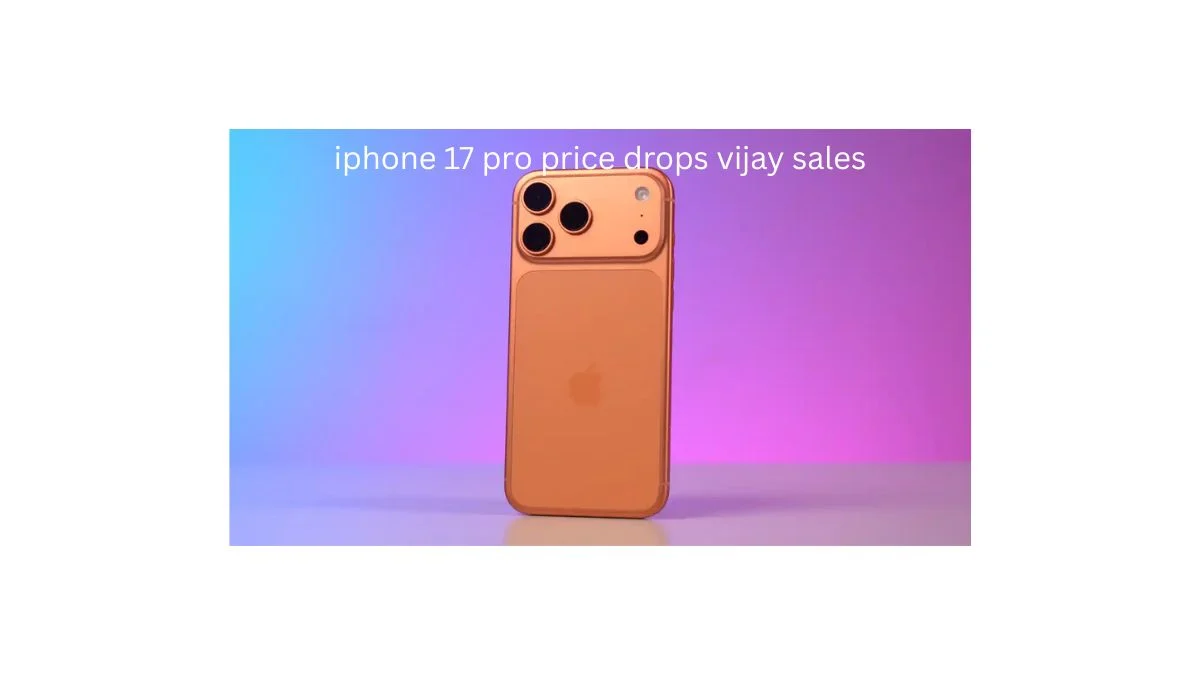
Apple iPhone 17 showcased during Flipkart Republic Day Sale with price drop to Rs 74,999 in India

Apple iPhone 17 Price Drops to Rs 74,999: What This Discount Really Means for Indian Buyers

Apple rarely discounts its newest iPhone, especially this early. That’s why the iPhone 17 dropping to Rs 74,999 during Flipkart’s Republic Day Sale is more than just another festive offer. It marks a strategic shift in Apple’s India pricing playbook, making its latest iPhone significantly more accessible to premium buyers. With a 120Hz ProMotion display, A19 chipset, upgraded cameras, and faster charging, the iPhone 17 now sits in a far more compelling price bracket. For upgraders and first-time Apple buyers alike, this deal changes the buying equation.

Why the iPhone 17’s First-Ever Discount Matters More Than the Price Tag

When Apple quietly allows a price cut on a newly launched iPhone, it is rarely just about clearing inventory. The upcoming Republic Day sale on Flipkart, where the iPhone 17 is set to drop to Rs 74,999, is a small headline with a much bigger story underneath.

For Indian buyers, this isn’t simply a festive deal. It signals a subtle but important shift in Apple’s India strategy, the maturity of the premium smartphone market, and how timing has become as important as specs when buying an iPhone.


A rare moment in Apple’s pricing playbook

Apple almost never discounts its latest-generation iPhones this early in their lifecycle. Historically, meaningful price corrections arrive either with the launch of the next model or through unofficial retail channels. This is the first time the iPhone 17, launched at Rs 82,900 just months ago, is being officially repositioned below the psychologically important Rs 75,000 mark.

That matters because Apple pricing is tightly controlled. Even a Rs 7,900 reduction suggests deliberate approval rather than aggressive retailer-led discounting. In other words, this isn’t Flipkart going rogue. It’s Apple acknowledging market realities.


The Indian premium market is changing

India’s premium smartphone segment has grown rapidly, but it has also become crowded. Flagship Android devices now routinely offer high-refresh-rate displays, top-tier cameras, fast charging, and AI-driven features at prices that undercut Apple by a wide margin.

The iPhone 17, despite its strong hardware, enters a battlefield where consumers are far more price-aware than they were even two years ago. At Rs 82,900, it was aspirational. At Rs 74,999, it becomes attainable for a much wider audience, especially professionals upgrading from older iPhones like the 12 or 13.

This pricing adjustment reflects a broader truth: India is no longer a market where brand alone guarantees sales. Even Apple has to compete.


Why the timing is strategic

Republic Day sales are no longer just clearance events; they are acquisition windows. Buyers planning upgrades often wait specifically for January sales, knowing that banks, exchanges, and limited-time pricing converge.

By positioning the iPhone 17 as a Republic Day highlight, Flipkart is effectively framing it as the “smart premium buy” of early 2026. Add bank offers such as 10% HDFC credit card discounts, and the effective price could fall even further, potentially nudging close to Rs 70,000 for some buyers.

That puts the iPhone 17 in a price band previously occupied by older Pro models, dramatically changing its value proposition.


The product itself finally makes sense at this price

The iPhone 17 was never underpowered. It just arrived in a market hypersensitive to value.

With a 120Hz ProMotion display now available beyond Apple’s Pro lineup, everyday usage feels noticeably smoother. The A19 chipset isn’t just about raw performance; it’s about longevity. Buyers at this price can realistically expect four to five years of fluid performance and software updates.

The camera upgrades are more meaningful than marketing suggests. A dual 48MP rear setup gives users genuine flexibility, while the improved 18MP Centre Stage front camera quietly acknowledges how central video calls and content creation have become. Add faster 40W wired charging, and Apple finally addresses one of its long-standing criticisms without making a spectacle of it.

At launch pricing, these features felt conservative. At Rs 74,999, they feel balanced.


Flipkart’s role in Apple’s India push

Flipkart has increasingly become Apple’s preferred stage for major sales moments in India. This is not accidental. The platform’s reach in Tier 2 and Tier 3 cities aligns with Apple’s next growth phase, where first-time premium buyers matter more than annual upgraders.

By teasing the price early, Flipkart is building anticipation rather than urgency, a tactic usually reserved for high-demand products. It also subtly reinforces trust: this isn’t a last-minute discount, but a planned offer.


What this means for buyers sitting on the fence

If you’ve been holding onto an older iPhone waiting for the “right moment,” this may be it. This is likely the lowest official price the iPhone 17 will see before the iPhone 18 cycle begins. Waiting longer may not bring meaningful savings unless you’re comfortable with refurbished or grey-market units.

For Android users considering a switch, the reduced price lowers the risk barrier. The iPhone 17 at this level competes less with ultra-premium Android flagships and more with upper-midrange devices, where Apple’s ecosystem advantage becomes far more compelling.


The bigger takeaway

This deal is less about Republic Day and more about Apple recalibrating its India story. Competitive pricing, faster charging, broader ProMotion availability, and early discounts all point to a company adapting rather than dictating.

For consumers, that’s good news. It means better timing, better value, and fewer compromises when stepping into Apple’s ecosystem.

And for Apple, it signals something equally important: India is no longer a secondary market. It’s one where even the iPhone has to earn its place.

Vivo X100 Pro Price Slashed by ₹25,000: Flagship Camera Phone Now a Steal on Amazon

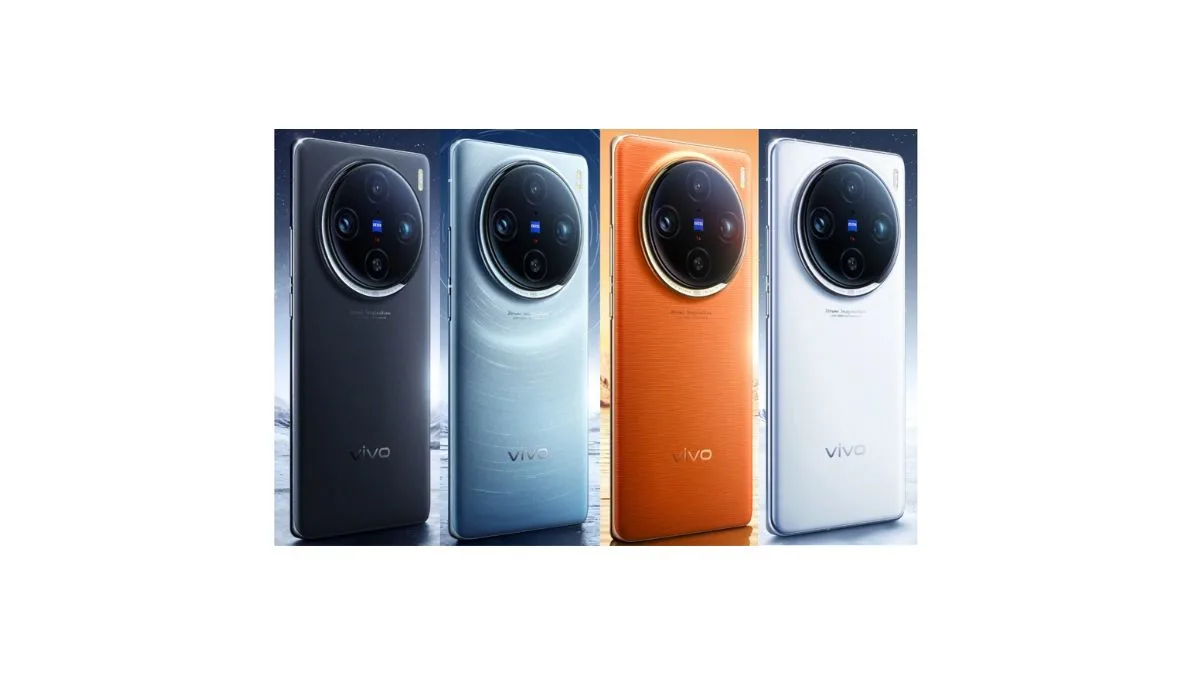
Vivo X100 Pro smartphone showing ZEISS camera with ₹25,000 price drop on Amazon

Vivo X100 Pro Gets Massive Price Cut: Premium Flagship Drops Below ₹65,000

Vivo’s camera-centric flagship, the Vivo X100 Pro, has received a massive price drop on Amazon, making it far more accessible to premium smartphone buyers. Originally launched at ₹89,999, the device is now available for around ₹64,999, with additional bank offers and EMI options further improving affordability. Known for its ZEISS-tuned triple 50MP camera system, powerful Dimensity 9300 chipset, stunning AMOLED display, and ultra-fast 100W charging, the Vivo X100 Pro now offers flagship-level performance at a mid-premium price. This discount reshapes its value proposition in India’s competitive premium smartphone market

Why the Vivo X100 Pro ₹25,000 Price Cut Changes the Premium Phone Game

A sudden ₹25,000 price cut on a flagship smartphone is not just a deal alert. It is a signal. And in the case of the Vivo X100 Pro, it says a lot about how quickly the premium smartphone market in India is shifting. When Vivo launched the X100 Pro at nearly ₹90,000, it was positioned as a no-compromise camera flagship aimed squarely at photography enthusiasts and power users. At that price, it competed with Samsung’s Galaxy S series, Apple’s iPhones, and even Ultra-branded Android flagships. Today, with its Amazon price dropping to around ₹65,000 and potentially even lower with bank offers, the same device now sits in a completely different psychological bracket for buyers.

Why this price drop actually matters

A reduction of over ₹25,000 is not a routine festive discount. It fundamentally alters the value equation. At under ₹65,000, the Vivo X100 Pro moves from “luxury flagship” territory into what many Indian consumers consider the upper-premium but attainable segment. This is the range where buyers expect exceptional cameras, top-tier performance, and long-term usability without paying Apple-level premiums.

For consumers who held back earlier due to price, this drop effectively opens the door to flagship hardware that, until recently, was reserved for those willing to spend close to a lakh.

A camera-first flagship in an era of compromises

What truly sets the Vivo X100 Pro apart even now is its camera system. While many brands talk about megapixels, Vivo has focused on sensor quality and optics. The large Sony IMX989 sensor, paired with ZEISS calibration, still delivers some of the most consistent low-light and portrait results on any Android phone. The inclusion of a dedicated telephoto lens with optical stabilisation makes it especially relevant for users who care about real-world photography, not just spec sheet numbers.

In a market where newer phones sometimes cut corners by removing telephoto lenses or relying heavily on AI processing, the X100 Pro feels unusually complete even a year after launch.

Performance that hasn’t aged

The Dimensity 9300 chipset was one of MediaTek’s most ambitious launches, and its performance has aged well. For daily use, gaming, camera processing, and multitasking, it remains comfortably in flagship territory. Importantly, it does this without the aggressive thermal throttling issues that plagued some earlier high-end chips.

For buyers concerned about longevity, this matters. A phone at this price should feel fast not just today, but two to three years down the line. The X100 Pro still checks that box.

Charging speeds that change user behaviour

The 100W fast charging is not just a headline feature. It changes how people use their phones. A short charging window in the morning or before leaving home can deliver hours of usage, reducing anxiety around battery percentages. Combined with a large battery, this is one of those features that becomes difficult to give up once experienced.

What this says about the wider smartphone market

This price drop also reflects increasing pressure in the premium Android segment. With newer launches lined up for 2026 and consumers becoming more value-conscious, brands are being forced to adjust faster. Flagships no longer enjoy long periods of price stability. Instead, meaningful discounts are arriving sooner, especially online.

For buyers, this is good news. It rewards patience and shifts power away from launch-day hype toward real-world value.

Should you consider it now?

If your priority is photography, display quality, and fast charging, the Vivo X100 Pro at its current price is arguably one of the strongest value propositions in the premium Android space. It offers features that many newer phones still struggle to match, now at a price that feels justified rather than aspirational.

The bigger takeaway, however, is this: flagship smartphones no longer need to cost a small fortune to deliver flagship experiences. The Vivo X100 Pro price correction is proof that the market is finally bending in favour of informed buyers.

Motorola Edge 50 Fusion Gets ₹4,000 Cheaper, Suddenly Becomes the Smartest 5G Buy

Motorola Edge 50 Fusion smartphone showcasing curved OLED display after ₹4,000 price drop

Motorola Edge 50 Fusion Becomes a Surprise Bestseller After ₹4,000 Price Cut

India’s smartphone market is brutally competitive, especially in the ₹15,000–₹25,000 segment. Every week brings a new “value killer,” but only a few deals genuinely shift the balance of power. The latest ₹4,000 price cut on the Motorola Edge 50 Fusion during Flipkart’s Big Bachat Days sale is one such moment.

At first glance, it looks like just another sale discount. In reality, it reveals how quickly the definition of a mid-range smartphone is changing in India — and why buyers are suddenly getting flagship-grade experiences for far less than they used to pay.


A Mid-Range Phone That Quietly Feels Premium

Motorola has taken a different route from many of its rivals. Instead of chasing spec-sheet gimmicks, the Edge 50 Fusion focuses on design, display quality, clean software, and reliable performance — areas that matter long after the excitement of launch fades.

With the new discount applied, the phone now drops below the psychologically important ₹20,000 mark, a price band where demand explodes in India.

This is crucial because phones under ₹20,000 are no longer “budget compromises.” For many users, this is their primary computer, camera, and entertainment device.


Why the Price Cut Is a Big Deal

1. The Under-₹20K Segment Is the New Battleground

Earlier, curved OLED displays, premium finishes, and near-stock Android experiences were reserved for ₹25,000+ phones. That line has now blurred.

With this discount, Motorola is effectively saying:

You no longer need to pay flagship money for a premium daily experience.

That puts pressure on competitors who rely heavily on aggressive specs but cut corners on software or build quality.


2. Motorola Is Betting on Long-Term Trust, Not Flashy Numbers

Motorola’s strategy here is subtle but smart. Instead of chasing extreme camera megapixels or gaming-first marketing, the Edge 50 Fusion delivers:

  • A curved pOLED display that instantly feels premium in hand

  • A balanced Snapdragon chipset that stays efficient over time

  • Clean, near-stock Android, which many power users and professionals still prefer

The price drop makes this philosophy accessible to a much wider audience.


Real-World Performance: What Buyers Actually Get

Display: Where the Phone Wins Hearts

The curved pOLED panel is one of the phone’s strongest selling points. It’s not just about looks — it improves immersion for video, scrolling, and gaming. Once users experience a well-tuned OLED screen, going back to flat LCDs feels like a downgrade.

For binge-watchers, readers, and social media users, this is a daily quality-of-life upgrade.


Performance: Smooth, Stable, and Predictable

Powered by a Snapdragon 7-series chipset, the Edge 50 Fusion focuses on consistency over peak numbers. Apps open quickly, multitasking feels fluid, and thermal management is sensible.

This makes it ideal for:

  • Office and remote workers

  • Students attending online classes

  • Casual gamers who value stability over extreme frame rates


Camera: Designed for Everyday Photography

Instead of chasing unnecessary camera sensors, Motorola focuses on usable photography:

  • Natural color tuning

  • Reliable low-light performance

  • A strong front camera for video calls and social media

This makes the phone particularly attractive to creators who want dependable results without heavy post-processing.


Battery & Charging: Built for Indian Usage

Battery anxiety is still a real concern in India, especially with long commutes and inconsistent access to charging points.

The Edge 50 Fusion’s large battery combined with fast charging means:

  • A full day of heavy use is realistic

  • Short charging breaks can power hours of usage

For most users, this is more important than raw battery capacity numbers.


Why This Sale Reflects a Bigger Market Shift

This discount is not happening in isolation. It highlights three major trends shaping India’s smartphone future:

1. Premium Features Are Moving Downmarket

Curved displays, OLED panels, and fast charging are no longer luxuries — they’re becoming expectations.

2. Buyers Are More Informed Than Ever

Indian consumers now value:

  • Software experience

  • Long-term usability

  • Brand reliability

Discounts help buyers take calculated risks on brands that focus on quality rather than hype.

3. Sales Events Are No Longer Seasonal

Deals like Big Bachat Days show that aggressive pricing is no longer limited to festive seasons. Brands are using frequent price drops to stay relevant year-round.


Who Should Seriously Consider Buying This Phone?

This deal makes the Motorola Edge 50 Fusion especially appealing for:

  • Users upgrading from 2–3 year old phones

  • Professionals who want clean software

  • Students looking for premium design on a budget

  • Buyers tired of bloated UIs and unnecessary ads

It’s not a phone designed to scream for attention — it’s built to quietly age well.


Final Verdict: More Than Just a Discount

The ₹4,000 price cut on the Motorola Edge 50 Fusion isn’t just a sale tactic. It’s a statement.

It signals a future where:

  • Mid-range phones feel genuinely premium

  • Buyers no longer need to stretch budgets for quality

  • Software experience matters as much as hardware

For Indian consumers, this is good news. For competitors, it’s a warning.

The real winner here isn’t just Motorola — it’s the buyer who now gets more phone for less money than ever before.

FAQ

Q1. What is the new price of Motorola Edge 50 Fusion in India?

The Motorola Edge 50 Fusion is currently available at an effective price starting around ₹18,999 during Flipkart’s Big Bachat Days sale, after a flat ₹4,000 discount.


Q2. Is the Motorola Edge 50 Fusion worth buying under ₹20,000?

Yes. With a curved OLED display, Snapdragon processor, clean Android experience, strong cameras, and fast charging, the Edge 50 Fusion offers one of the most premium experiences in the under ₹20,000 segment.


Q3. Which processor does the Motorola Edge 50 Fusion use?

The smartphone is powered by a Snapdragon 7-series chipset, designed to deliver stable performance for daily use, multitasking, and casual gaming.


Q4. Does the Motorola Edge 50 Fusion support fast charging?

Yes. The phone supports fast charging, allowing users to quickly top up the battery and comfortably get through a full day of use.


Q5. Where can I buy the Motorola Edge 50 Fusion at the discounted price?

The discounted price is available on Flipkart as part of the Big Bachat Days sale, along with additional bank offers and exchange benefits.


Q6. Is the Motorola Edge 50 Fusion good for camera and video calls?

The device features a capable rear camera system and a high-quality front camera, making it suitable for photography, video calls, and social media content creation.


Q7. How does Motorola Edge 50 Fusion compare to other phones in this price range?

Compared to rivals, the Edge 50 Fusion stands out with its curved OLED display, near-stock Android experience, and premium design—features rarely seen in this segment.

iPhone 17 Pro Price Drops by ₹14,000 in India: Here’s Why This Is the Best Time to Buy

Apple iPhone 17 Pro smartphone showing premium design as prices drop in India

Apple iPhone 17 Pro Gets Massive Price Cut in India

The Apple iPhone 17 Pro has become significantly more affordable in India after a rare price drop of over ₹14,000, making it one of the most attractive premium smartphone deals of 2026. Originally launched at ₹1,34,900, Apple’s latest Pro model is now available at a much lower effective price through a combination of retail discounts and bank offers. For buyers who delayed upgrading due to the high launch price, this sudden correction changes the value equation. With its powerful A19 Pro chipset, advanced camera system, and long-term software support, the iPhone 17 Pro now offers flagship performance at a far more compelling price point.

iPhone 17 Pro Price Drops by Over ₹14,000 in India: Here’s Why This Is the Best Time to Buy

The Apple iPhone 17 Pro has received one of its earliest and most meaningful price drops in India, making headlines among premium smartphone buyers. Launched at a starting price of ₹1,34,900, Apple’s latest Pro iPhone is now available with total savings of more than ₹14,000, thanks to a limited-time New Year sale and bank offers.

For buyers who were waiting for the right moment to upgrade without paying full launch price, this deal changes the equation — and it may not last long.


iPhone 17 Pro New Price in India: Full Breakdown

As part of Vijay Sales’ ongoing Apple Days Sale, the iPhone 17 Pro is currently listed at a reduced retail price of ₹1,25,490, reflecting a direct price cut of ₹9,410.

On top of this, buyers can unlock an additional ₹5,000 instant discount when using ICICI Bank credit or debit cards on EMI transactions.

👉 Effective Deal Price:

  • Original launch price: ₹1,34,900

  • Current listed price: ₹1,25,490

  • ICICI Bank EMI discount: ₹5,000

  • Effective price: ₹1,20,490

This makes the iPhone 17 Pro significantly more affordable than at launch — a rare move for Apple’s current-generation Pro lineup.


Why This iPhone 17 Pro Deal Matters

Apple typically maintains strict pricing discipline on its Pro models, with meaningful discounts appearing much later in the product cycle. A price correction of this scale so soon after launch suggests a strategic push to boost premium sales in India, where competition from high-end Android flagships is intensifying.

For consumers, this means access to Apple’s best hardware without waiting a full year or compromising on features.


Apple iPhone 17 Pro Key Specifications & Features

Despite the price drop, the iPhone 17 Pro remains Apple’s most advanced smartphone to date.

Display & Design

  • 6.3-inch OLED display

  • 120Hz ProMotion refresh rate

  • Always-On Display

  • Anti-reflective coating

  • Ceramic Shield 2 protection

Performance & Battery

  • A19 Pro chipset

  • Up to 12GB RAM

  • Optimized for AI, gaming, and multitasking

  • Up to 39 hours of video playback on a single charge

Camera System

The iPhone 17 Pro features a powerful 48MP triple Fusion camera setup:

  • 48MP Fusion main camera

  • 48MP Ultra-wide lens

  • 48MP Telephoto lens with up to 8x optical zoom

  • 8K video recording support

For selfies and video calls, the device sports an 18MP front camera, delivering improved low-light performance and sharper detail.


Who Should Buy the iPhone 17 Pro Now?

This deal is especially attractive for:

  • Users upgrading from iPhone 13, iPhone 14, or older Pro models

  • Android flagship users planning to switch to iOS

  • Content creators seeking top-tier cameras and long-term software support

  • Buyers who value resale value, ecosystem stability, and performance longevity

If you were waiting for a meaningful price drop before buying a Pro iPhone, this is one of the best windows in 2025.


How Long Will This Offer Last?

The discount is part of a limited-time New Year promotion, and availability depends on stock and bank offer validity. Apple deals of this scale are typically short-lived, especially on popular storage variants.


Final Verdict: Is the iPhone 17 Pro Worth Buying at This Price?

At an effective price of around ₹1.20 lakh, the iPhone 17 Pro delivers flagship performance, industry-leading cameras, and long-term software support at a far more compelling value than at launch.

If you’re in the market for a premium smartphone and were waiting for the right price point, this deal makes the iPhone 17 Pro one of the smartest high-end buys in India right now.

Samsung’s Galaxy S25 Plus Suddenly Looks Underpriced After This ₹30,000 Cut

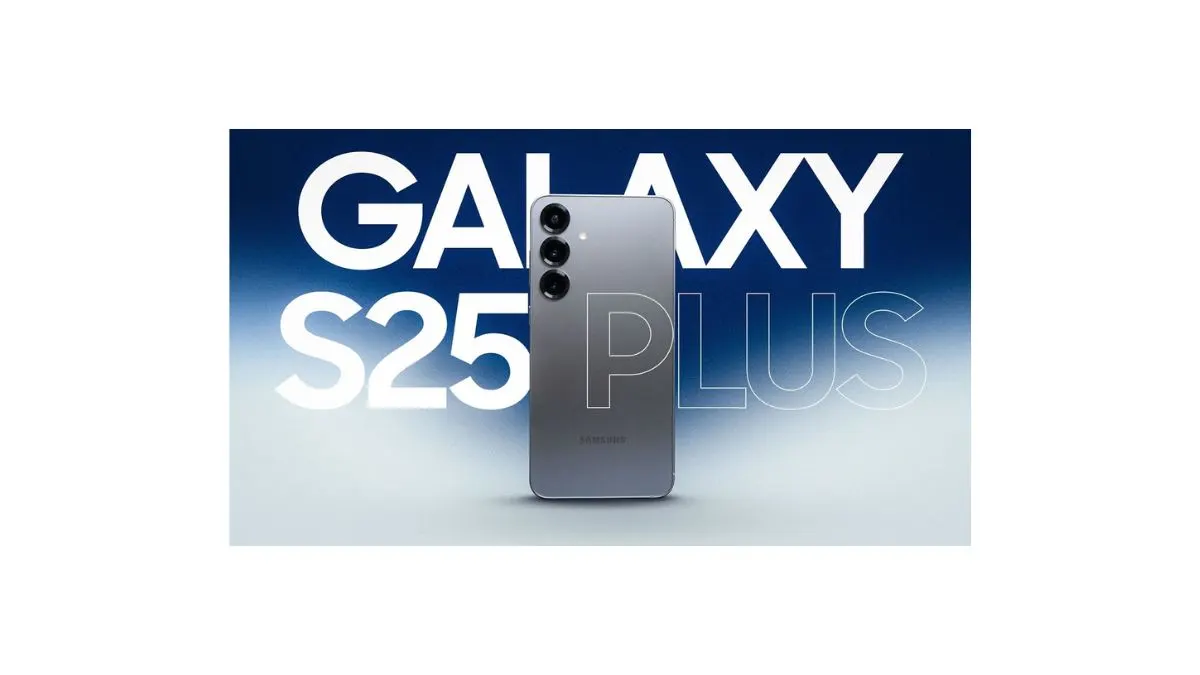
Samsung Galaxy S25 Plus smartphone after ₹30,000 price drop

Samsung Galaxy S25 Plus Gets Massive Price Drop in India — Why This Move Is Bigger Than a Discount

A ₹30,000 price cut on a flagship phone usually signals the end of its moment. But Samsung’s Galaxy S25 Plus isn’t being pushed aside — it’s being deliberately repositioned.

The sudden discount on Amazon has little to do with ageing hardware and everything to do with how sharply the premium smartphone market in India has shifted in 2025. Samsung isn’t clearing shelves here. It’s making a strategic statement.

This isn’t a bargain story. It’s a market correction unfolding in real time.


Why This Price Drop Actually Matters

At its launch, the Galaxy S25 Plus sat firmly in the upper-premium bracket — a phone meant for buyers who wanted Samsung’s best AI features, top-tier performance, and long-term software assurance without jumping to Ultra-level pricing.

Now, with the effective price dipping sharply thanks to platform discounts and card offers, Samsung has repositioned the S25 Plus into a new zone: flagship power at upper-midrange pricing.

For Indian buyers, that’s significant for three reasons:

  1. Premium phones are selling slower than before
    Consumers are holding onto devices longer. Brands are responding not by lowering specs, but by compressing prices.

  2. AI features are no longer “Ultra-only” luxuries
    Samsung’s Galaxy AI stack — once a major differentiator — is now being pushed to reach a wider audience.

  3. Samsung is quietly defending market share
    With Apple, OnePlus, and Chinese brands pushing hard in the ₹60K–₹75K bracket, Samsung can’t afford to let a powerful Plus model sit untouched.


The Galaxy S25 Plus: Still a Serious Flagship in Disguise

Even at a reduced price, nothing about the Galaxy S25 Plus feels compromised.

  • Performance:
    The Snapdragon 8 Elite chipset with Adreno 830 GPU keeps it comfortably ahead of most Android phones in real-world usage. This isn’t just about benchmarks — it shows in sustained gaming, AI processing, and long-term fluidity.

  • Display:
    The 6.7-inch LTPO AMOLED panel remains one of Samsung’s biggest strengths. With adaptive 120Hz refresh rate and extremely high peak brightness, it’s designed for everything from HDR streaming to harsh outdoor use.

  • Software Longevity:
    Samsung’s promise of seven major Android updates is arguably more valuable than raw hardware upgrades. It means this phone will still feel current well into the next decade — something very few Android brands can guarantee.

  • Camera System:
    The triple-camera setup isn’t chasing gimmicks. Instead, it focuses on reliability — a strong primary sensor, a genuinely useful 3x telephoto, and consistent color science that Samsung has refined over years.

  • Battery & Charging:
    A 4,900mAh battery with 45W fast charging isn’t class-leading on paper, but it’s tuned for stability rather than extremes. Samsung is clearly prioritizing battery health and long-term reliability over flashy numbers.


Who Should Actually Consider Buying It Now?

This deal makes sense if you fall into one of these categories:

  • You want a true flagship experience without crossing ₹80,000

  • You care about long-term software support, not just launch-day specs

  • You use your phone heavily for productivity, photography, or AI-powered features

  • You’re upgrading from a 2–3-year-old premium phone and want a meaningful jump

If you’re chasing the absolute best camera zoom or experimental features, the Ultra still exists. But for most users, the S25 Plus now hits a sweet spot that didn’t exist at launch.


The Bigger Picture: What This Signals for 2025 Smartphones

This discount is part of a larger trend:

  • Flagship prices are becoming more fluid

  • Mid-cycle price corrections are getting aggressive

  • AI is no longer a premium upsell — it’s a standard expectation

Samsung cutting the Galaxy S25 Plus this deeply suggests that future launches may start higher but settle faster. For consumers, that means patience is becoming a powerful buying strategy.


Conclusion

The Galaxy S25 Plus at this reduced price isn’t just “good value” — it’s strategically dangerous for competitors. It undercuts newer launches while offering stronger software guarantees and a more polished ecosystem.

If this pricing holds — even briefly — it could become one of the smartest flagship buys of the year, not because it’s new, but because it finally costs what most people are willing to pay for long-term premium tech.