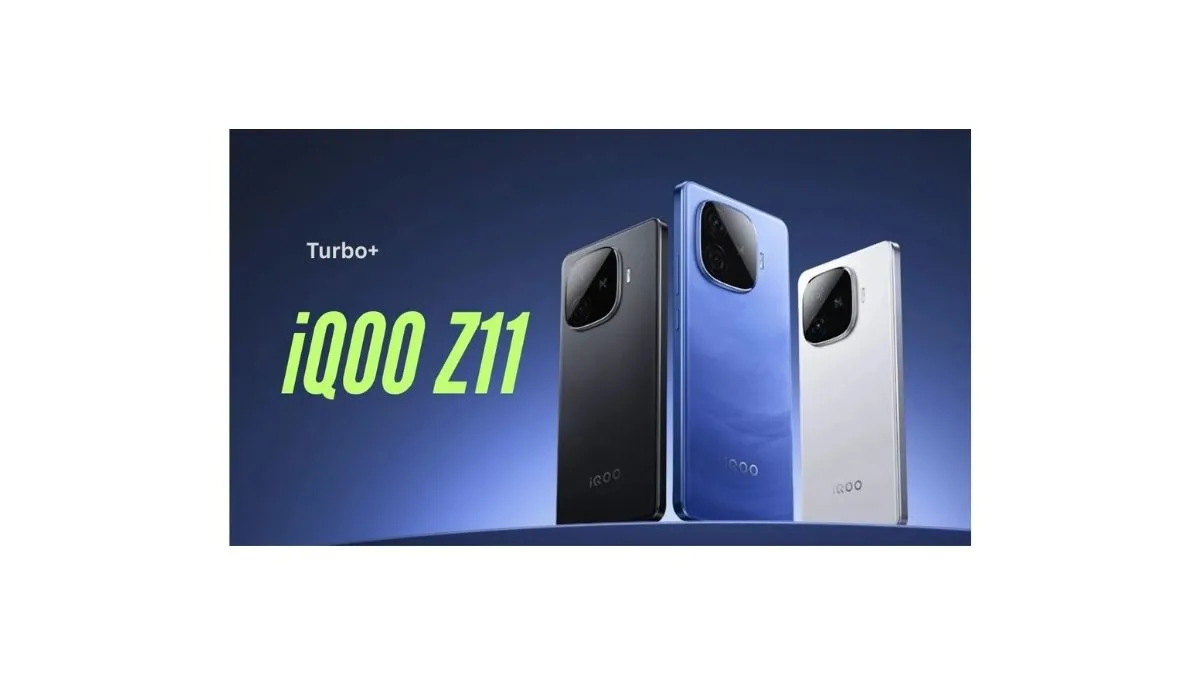
iQOO Z11 Turbo Launching Jan 15 With Snapdragon 8 Gen 5 and 200MP Camera – A Game Changer?

iQOO Z11 Turbo smartphone with premium glass design, Snapdragon 8 Gen 5 processor and 200MP camera launching January 15

iQOO Z11 Turbo Set for January 15 Debut: Why This Phone Could Redefine the Performance Segment

iQOO is preparing to disrupt the smartphone hierarchy once again. The upcoming iQOO Z11 Turbo, launching on January 15 in China, pushes the Z-series into unfamiliar territory with a Snapdragon 8 Gen 5 processor and a 200-megapixel main camera. Traditionally known for raw performance, the Z-series now appears to be embracing premium design, imaging, and durability features as well. With a 1.5K AMOLED display, IP68/69 rating, and a refined glass-and-metal build, the Z11 Turbo hints at a future where “mid-range” compromises no longer apply.

iQOO Z11 Turbo Is Not Playing Safe Anymore, And That’s the Point

When iQOO first introduced the Z-series, it was positioned as a performance-first line for younger buyers who cared more about speed than polish. The upcoming iQOO Z11 Turbo, launching in China on January 15, signals that the brand is now rewriting that formula. This is no longer just about raw power at an aggressive price. It’s about challenging long-held assumptions in the premium-midrange smartphone space.

And that shift matters.


A performance brand stepping into flagship territory

The headline detail is obvious: Snapdragon 8 Gen 5. This is not a chip typically associated with Z-series phones. Until now, iQOO reserved its top silicon for Neo and numbered flagship models. Bringing Qualcomm’s latest flagship processor to the Z11 Turbo is a deliberate escalation.

An AnTuTu score touching 3.59 million isn’t just a benchmark flex. It’s a message aimed squarely at brands that still believe users need to pay flagship prices for flagship performance. Combined with iQOO’s self-developed Q2 chip, the Z11 Turbo appears engineered for sustained gaming and heavy workloads, not just short benchmark runs.

This positions the phone as a serious alternative to far more expensive devices, especially in markets where value-conscious performance buyers dominate.


The camera move that changes the conversation

The most disruptive decision, however, isn’t the chipset. It’s the camera.

A 200-megapixel main sensor on a Z-series phone fundamentally alters how this lineup is perceived. High-resolution sensors of this class have been largely restricted to ultra-premium devices, often marketed as computational photography flagships. By introducing a 200MP “ultra-clear” camera here, iQOO is betting that imaging is no longer optional even for performance-focused buyers.

This is important because it reflects a broader shift in user behavior. Gamers also shoot video. Power users also care about social media output. The Z11 Turbo acknowledges that speed alone is no longer enough.


Design as a strategic statement, not decoration

iQOO’s design language has often leaned utilitarian. The Z11 Turbo breaks from that tradition. The glass back with a floating light wave pattern, achieved through nanoscale photolithography, isn’t just a visual flourish. It’s an attempt to visually separate this device from the “gaming phone” stereotype.

The metal frame, crystal-clear glass, and multiple color options including Halo Pink and Floating Light suggest iQOO wants this phone to appeal beyond its traditional male, performance-first audience. At 7.9mm thickness for the Midnight Black variant, the phone also avoids the bulky feel that often accompanies high-performance hardware.

This is iQOO saying that power no longer has to look aggressive to be taken seriously.


Display, durability, and everyday usability finally catch up

The 6.59-inch 1.5K AMOLED display with 120Hz refresh rate and ultra-narrow bezels brings the Z-series visually in line with premium flagships. Add to that IP68 and IP69 ratings, an ultrasonic fingerprint sensor, and a 32MP front camera, and the Z11 Turbo starts looking unusually well-rounded for its segment.

These aren’t specs added for marketing slides. They address long-standing pain points: durability, biometric reliability, and front-camera quality for video calls and streaming.


Why this launch matters beyond one phone

The iQOO Z11 Turbo isn’t just a successor to the Z10 Turbo. It’s a signal of where the mid-to-high smartphone market is heading in 2026.

Brands are realizing that users no longer accept trade-offs as easily. Performance buyers want good cameras. Style-conscious users want serious power. And everyone expects durability and premium displays as standard.

If iQOO prices this device aggressively, it will force competitors to rethink how they segment their lineups. The gap between “flagship killer” and flagship is shrinking fast, and the Z11 Turbo sits right at that fault line.


What to watch next

Key details like battery capacity, charging speed, and pricing will ultimately decide how disruptive the Z11 Turbo becomes. But the foundation is already clear. iQOO is no longer experimenting. It’s making a confident play for buyers who want everything, without the flagship tax.

January 15 isn’t just a product launch. It’s a statement that the rules of the performance smartphone category are being rewritten.

Frequently Asked Questions

When will the iQOO Z11 Turbo launch?

The iQOO Z11 Turbo is set to launch in China on January 15. The company is expected to reveal pricing, full specifications, and availability details during the launch event.

Which processor powers the iQOO Z11 Turbo?

The iQOO Z11 Turbo will be powered by Qualcomm’s Snapdragon 8 Gen 5 chipset, paired with iQOO’s in-house Q2 chip designed to improve sustained performance and gaming stability.

Does the iQOO Z11 Turbo feature a 200MP camera?

Yes. iQOO has confirmed that the Z11 Turbo will come with a 200-megapixel ultra-clear main camera, making it the first Z-series phone to offer this level of imaging hardware.

What type of display does the iQOO Z11 Turbo have?

The phone will feature a 6.59-inch AMOLED display with 1.5K resolution, a 120Hz refresh rate, and ultra-narrow bezels on all sides.

Is the iQOO Z11 Turbo water and dust resistant?

Yes. The iQOO Z11 Turbo carries IP68 and IP69 certifications, offering protection against dust, splashes, and high-pressure water exposure.

Does the iQOO Z11 Turbo have an in-display fingerprint sensor?

The device includes an ultrasonic in-display fingerprint sensor, which is generally faster and more accurate than standard optical fingerprint scanners.

What are the color options for the iQOO Z11 Turbo?

iQOO has confirmed four color variants: Midnight Black, Sky White, Halo Pink, and Floating Light, all featuring a glass back and metal frame.

Is the iQOO Z11 Turbo considered a flagship phone?

While not officially branded as a flagship, the iQOO Z11 Turbo delivers flagship-grade performance, camera hardware, and durability, placing it in a category that bridges premium mid-range and flagship devices.
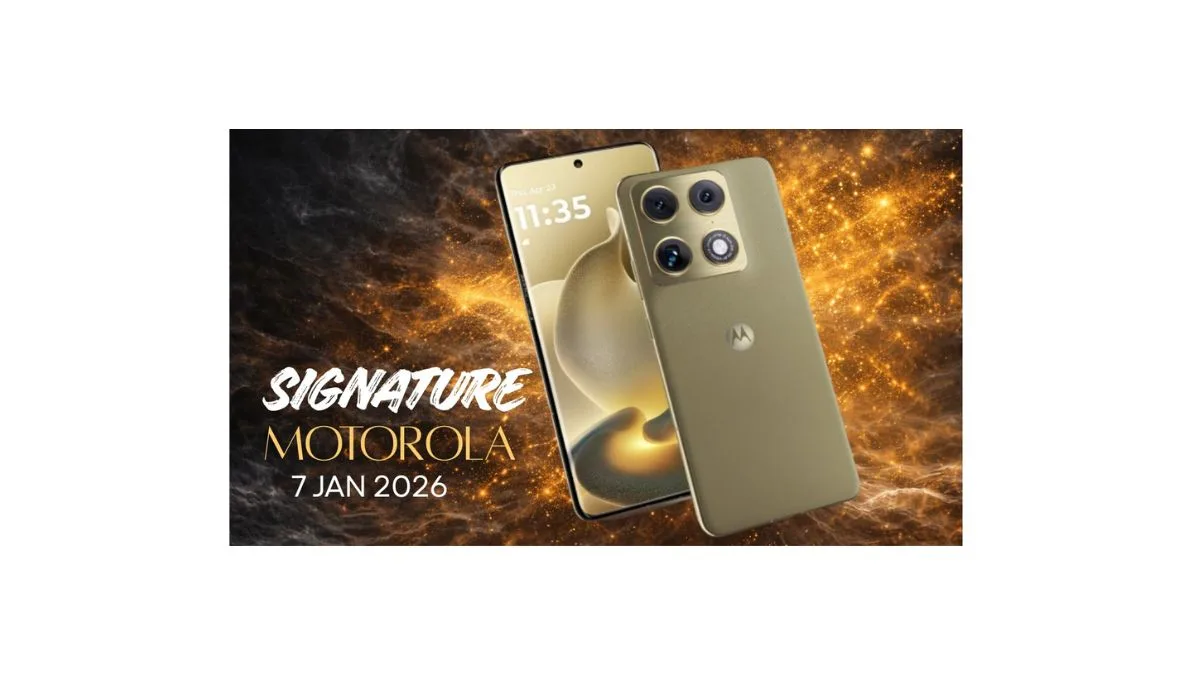
Motorola Signature Full Specs Leak: Snapdragon 8 Gen 5 Power, 165Hz AMOLED, 7 Years of Updates Confirmed

Motorola Signature flagship smartphone featuring 165Hz AMOLED display and Snapdragon 8 Gen 5 processor

Motorola Signature Specifications Leak Reveals Flagship Hardware and Long-Term Software Promise

Motorola’s upcoming premium smartphone, the Motorola Signature, has surfaced in a major specifications leak ahead of its India launch on January 7. The leak confirms flagship-grade hardware, including Qualcomm’s latest Snapdragon 8 Gen 5 chipset, a 165Hz AMOLED display, and a seven-year software update commitment. This marks a significant shift for Motorola, which has largely focused on mid-range devices in recent years. With premium design elements, advanced camera hardware, and long-term Android support, the Motorola Signature is shaping up to be the brand’s most ambitious non-foldable smartphone to date.

Motorola Signature Full Specs Leak: What We Know So Far

Premium Positioning Confirmed Ahead of India Launch

Motorola is officially entering a new premium smartphone segment with the Motorola Signature, scheduled to launch in India on January 7. While the company has kept official details under wraps, recent teasers highlight a strong focus on design and luxury appeal.

Ahead of the launch, noted tipster Evan Blass has leaked the near-final specification sheet, offering the clearest look yet at Motorola’s flagship ambitions.


Extreme AMOLED Display With Industry-Leading Refresh Rate

According to the leak, the Motorola Signature will feature a 6.8-inch Extreme AMOLED display with a 1.5K resolution and a 165Hz refresh rate. This places it among the fastest smartphone displays available in India, a category currently limited to very few devices.

Additional display features include:

  • Peak brightness of up to 6,200 nits

  • Dolby Vision and HDR10+ support

  • Gorilla Glass Victus 2 protection

  • In-display fingerprint sensor

The combination of brightness, smoothness, and durability positions the Motorola Signature as a true flagship display contender.


Snapdragon 8 Gen 5 Brings Flagship Performance

Under the hood, the Motorola Signature is tipped to run on Qualcomm Snapdragon 8 Gen 5, the company’s newest performance-focused flagship chipset. This processor is expected to deliver major gains in CPU, GPU, and AI workloads.

Memory and storage options are equally premium:

  • Up to 16GB LPDDR5x RAM

  • Up to 1TB UFS 4.1 storage

This setup puts the device in direct competition with upcoming flagship models such as the OnePlus 15R and other Snapdragon 8 Gen 5-powered smartphones.


Battery, Charging, and Included Charger

The leaked specs suggest a 5,200mAh battery, which may seem modest compared to newer high-capacity trends. However, Motorola appears to offset this with extremely fast charging options.

Reported charging features include:

  • 90W wired fast charging

  • 50W wireless charging

  • Wired and wireless reverse charging

  • Charger included in the box (important for Indian buyers)

This charging setup should ensure quick top-ups and added convenience.


Quad 50MP Camera Setup With 8K Dolby Vision

Camera hardware is one of the Motorola Signature’s strongest talking points. The leak reveals a quad-camera system featuring Sony sensors across all lenses.

Camera specifications include:

  • 50MP Sony LYT-500R front camera

  • 50MP Sony LYT-828 primary sensor

  • 50MP ultra-wide camera with autofocus

  • 50MP Sony LYT-600 periscope telephoto

  • 3x optical zoom and up to 100x digital zoom

Video capabilities reportedly extend to:

  • 8K Dolby Vision recording at 30fps

  • 4K Dolby Vision recording up to 60fps

This setup positions the Signature as a serious camera-centric flagship.


Seven Years of Android and Security Updates

Perhaps the most significant revelation is Motorola’s software strategy shift. The Motorola Signature is tipped to launch with Android 16 out of the box and will reportedly receive:

  • 7 years of Android OS updates

  • 7 years of security patches

This would make it Motorola’s longest-supported smartphone ever, bringing it closer to rivals like Google Pixel and Samsung Galaxy S-series devices.


Premium Build, Durability, and Connectivity

Design and durability appear to be central to the Motorola Signature’s identity. The device is said to feature:

  • Aluminium frame

  • MIL-STD-810 military-grade certification

  • IP68 and IP69 dust and water resistance

  • Stereo speakers

  • Slim 7mm thickness

  • Weight of approximately 186 grams

Connectivity features include:

  • Wi-Fi 6

  • Bluetooth 6.0

  • USB Type-C

  • eSIM support

Leaked renders also suggest stylus support, previously exclusive to Motorola’s Edge Stylus lineup.


Motorola Signature India Launch and Expectations

With a confirmed India launch on January 7, the Motorola Signature is positioned as the brand’s most premium traditional smartphone yet. If Motorola prices the device aggressively, it could become a strong alternative for users seeking flagship-level hardware, clean software, and long-term update assurance without ultra-premium pricing.


Final Verdict

Based on the leaked specifications, the Motorola Signature is shaping up to be a well-rounded flagship that prioritizes performance, display quality, camera versatility, and software longevity. Motorola’s seven-year update promise alone represents a major strategic shift, potentially redefining the brand’s position in the premium smartphone market.

If pricing aligns with expectations, the Motorola Signature could be one of the most compelling flagship launches of early 2026.

Realme Neo8 Brings Snapdragon 8 Gen 5 Power to Midrange

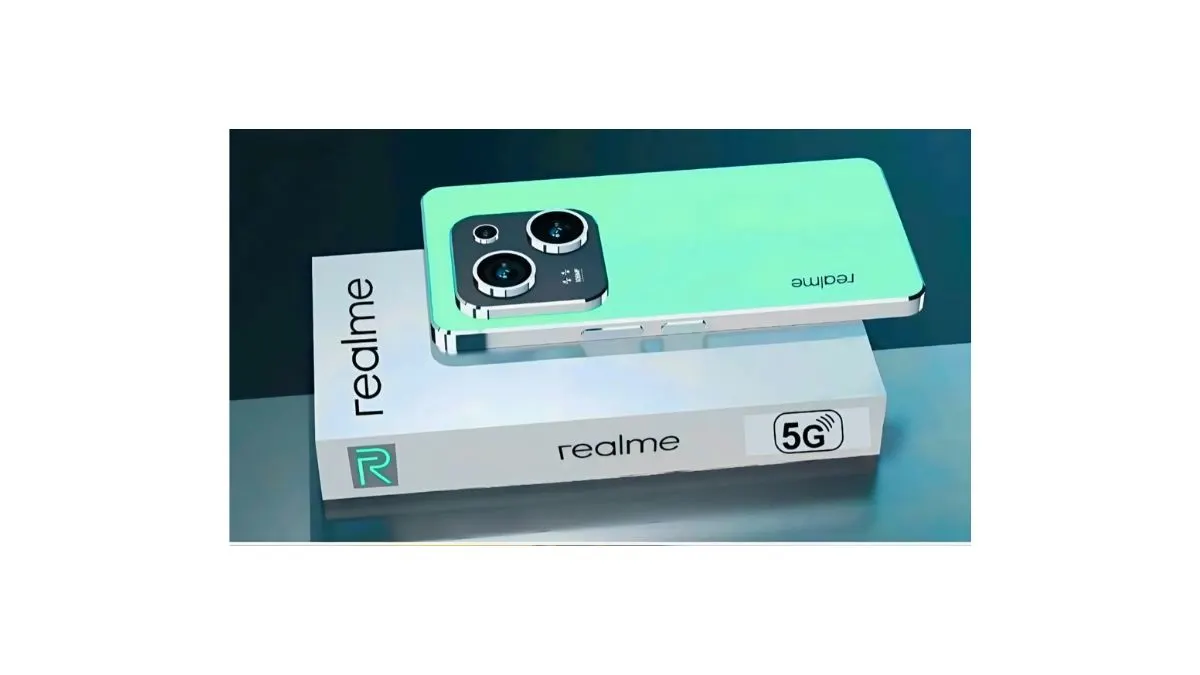
realme Neo8 smartphone with transparent RGB design and Snapdragon 8 Gen 5 power

Realme Neo8 Signals a Major Shift in Midrange Smartphone Performance

Realme is preparing to redraw the mid-range smartphone battle lines with the Neo8. This isn’t another incremental refresh chasing numbers; it’s a calculated push to bring flagship-grade performance, design confidence, and endurance into a price segment that usually compromises. Powered by Snapdragon 8 Gen 5, the Neo8 promises serious speed without flagship pricing pressure. Add a bold transparent RGB design, a fast high-refresh OLED display, advanced biometric security, and an unusually large battery, and the Neo8 starts to look disruptive. For buyers tired of safe, predictable phones, realme’s Neo8 could mark a turning point in the evolving Android market today.

Realme Neo8 Overview

realme is preparing to make an unusually loud statement in the mid-range smartphone market—and not just with specs.

The upcoming realme Neo8, teased ahead of its January launch in China, signals a strategic shift for the brand: bringing near-flagship performance and experimental design into a price segment that traditionally settles for compromises. On paper, this looks like another spec-heavy Android phone. In reality, it may redefine what “mid-range” means in 2026.

A mid-range phone that refuses to look mid-range

realme’s first teaser focuses less on numbers and more on identity. The Cyber Purple colorway, combined with a transparent glass back and RGB “Awakening Halo” lighting, is a deliberate throwback to gamer-centric phones—yet executed with more restraint and polish.

This isn’t RGB for gimmicks’ sake. According to realme’s leadership, the Awakening Halo is designed to react dynamically, turning notifications and system events into subtle visual cues. Paired with a metal frame and transparent glass construction, the Realme Neo8 appears to borrow design philosophies usually reserved for premium flagships or niche gaming devices.

Why this matters: design differentiation has become rare in smartphones. By reviving bold visual elements while maintaining a premium material finish, realme is betting that users still care about phones that look distinctive—not just perform well.


Snapdragon 8 Gen 5: the real story here

The most disruptive element of the Realme Neo8 isn’t the RGB—it’s the processor.

The phone is confirmed to run on Snapdragon 8 Gen 5, built on the same flagship-grade architecture and manufacturing process as Qualcomm’s top-tier silicon. Early benchmark claims suggest scores reaching 3.58 million, territory previously exclusive to ultra-premium phones.

This is significant for two reasons:

  1. Performance democratization
    Flagship-level CPU and GPU power is trickling down faster than ever. Tasks like sustained gaming, AI image processing, and high-frame-rate displays no longer require ₹70,000–₹90,000 devices.

  2. Thermal and efficiency expectations
    If realme manages thermals correctly, the Neo8 could outperform older flagships in real-world usage—especially in gaming and multitasking—while consuming less power.

In short, this chipset positions the Neo8 as a performance-first phone that could embarrass last year’s flagships.


Display and interaction: built for speed users

Leaks suggest a 6.78-inch 1.5K LTPS OLED display from Samsung, pushing a 165Hz refresh rate. That combination targets gamers and power users who value smoothness over inflated resolution numbers.

What stands out is the inclusion of a 3D ultrasonic fingerprint sensor—a feature still uncommon outside premium devices. Ultrasonic sensors are faster, more accurate, and more secure than optical alternatives, especially with wet or dirty fingers.

Add to that IP69 dust and water resistance, and the Neo8 starts to look less like a fragile performance phone and more like a daily driver built to survive real-world abuse.


Camera strategy: quality over megapixels

Rather than chasing absurd megapixel counts, realme appears to be focusing on functional optics, including a 50MP periscope telephoto lens. That choice suggests meaningful zoom performance instead of digitally inflated results.

If implemented well, this could give the Realme Neo8 an edge over competitors that still rely on basic depth sensors or macro fillers. A periscope lens in this segment hints that realme wants the Neo8 to appeal to content creators—not just gamers.


Battery ambition taken seriously

Perhaps the most unexpected leak is the 8,000mAh battery. That’s not incremental—it’s aggressive.

In a market where even flagships struggle to cross 5,500mAh, such capacity suggests realme is prioritizing endurance without relying solely on fast charging gimmicks. Combined with the efficiency gains of Snapdragon 8 Gen 5, the Neo8 could easily become a two-day phone for heavy users.

This matters because battery anxiety remains one of the biggest pain points in modern smartphones—especially as screens get faster and apps get heavier.


Why the Realme Neo8 matters beyond realme

The Neo8 isn’t just another product launch; it reflects a broader industry trend:

  • Mid-range phones are becoming performance-first

  • Design experimentation is returning

  • Flagship features are losing exclusivity

If realme prices the Neo8 aggressively—as it traditionally does—the ripple effect will force competitors to rethink their offerings. Brands that rely on incremental upgrades and recycled designs may find themselves exposed.


What to expect next

With the January launch approaching, attention will shift to three critical factors:

  • Thermal management under sustained load

  • Camera processing quality in real-world conditions

  • Pricing strategy outside China

If realme gets these right, the RealmeNeo8 won’t just be a “good for the price” phone—it could become the benchmark mid-range device of 2026.

And that’s a far more disruptive outcome than RGB lights alone could ever deliver.

FAQs: realme Neo8

Q1. When is the realme Neo8 expected to launch?
realme has confirmed a January launch window for the Neo8 in China, with other markets expected to follow later.

Q2. Why is the Snapdragon 8 Gen 5 significant for the Neo8?
Snapdragon 8 Gen 5 delivers flagship-level performance, making the Neo8 unusually powerful for a mid-range smartphone.

Q3. What makes the Neo8’s design stand out?
The transparent glass back, Cyber Purple color, and RGB Awakening Halo lighting give it a bold, gamer-inspired identity.

Q4. Is the realme Neo8 good for gaming?
Yes. The high-refresh OLED display, powerful chipset, and large battery make it well-suited for long gaming sessions.

Q5. What battery capacity is expected on the Neo8?
Leaks suggest an 8,000mAh battery, focusing on extended endurance rather than just fast charging.