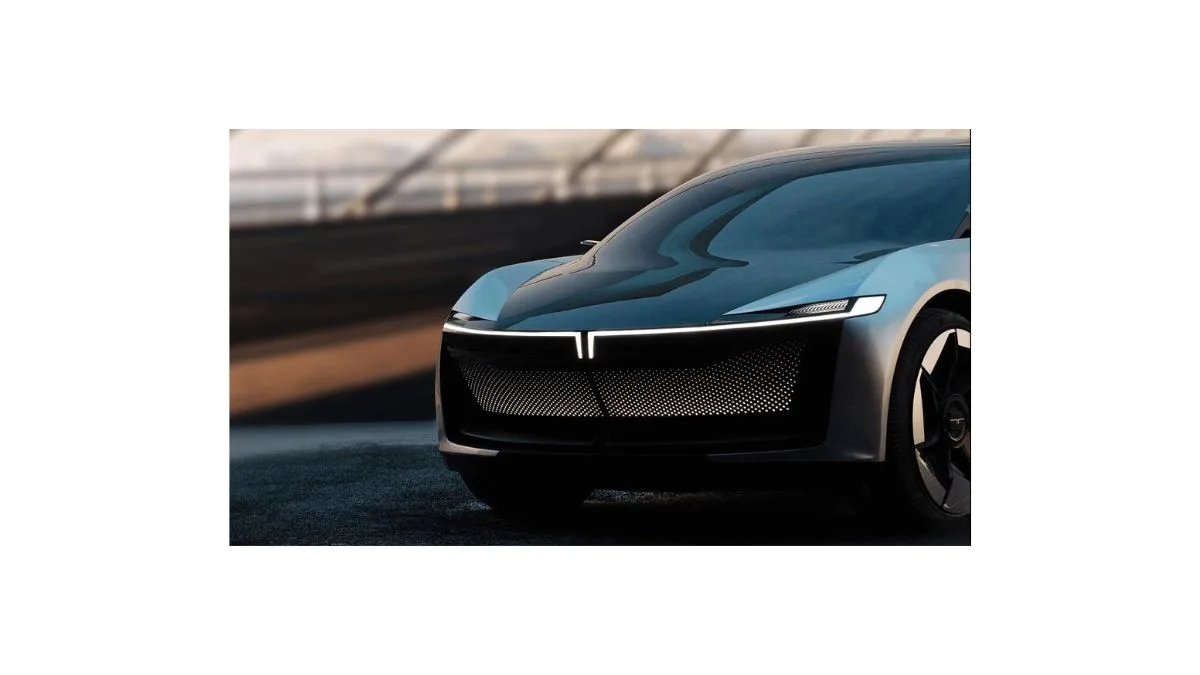
Tata Avinya Signals Tata Motors’ Bold Entry Into Premium Electric Mobility
The Tata Avinya marks a decisive shift in how Tata Motors approaches electric vehicles. Unlike earlier EVs adapted from petrol platforms, Avinya is a clean-sheet, born-electric model designed for the premium segment. Built on a dedicated EV architecture, it promises a spacious lounge-like cabin, advanced charging capabilities, and a refined ownership experience. Expected to launch around 2026, Tata Avinya is not focused on mass volumes but on reshaping brand perception. It signals Tata Motors’ ambition to compete with global EV brands while redefining what premium electric mobility can look like in India.
Tata Avinya Is a Clean-Sheet Electric Vehicle, Not a Converted One
Unlike Tata’s current EVs, which are adapted from internal combustion platforms, the Avinya is born electric from day one. This distinction matters more than it seems.
Avinya is expected to be built on Jaguar Land Rover’s Electrified Modular Architecture (EMA)—a platform engineered specifically for electric propulsion. By eliminating compromises tied to engines, gearboxes, and exhaust systems, Tata gains freedom in design, proportions, and packaging.
What this means for buyers:
Flat floor architecture for better space utilization
Longer wheelbase without increasing vehicle length
More flexible seating layouts and easier ingress/egress
Better weight distribution and improved ride comfort
This is the architectural leap Tata could never fully achieve with converted ICE platforms.
Why Tata Avinya Matters in India’s Premium Electric Vehicle Market
The Avinya’s estimated pricing—₹30 lakh to ₹60 lakh—places it firmly in premium territory. This is not an accident. Tata is intentionally stepping away from the value-driven EV formula that defined its earlier success.
At this price point, Avinya will compete with:
Hyundai and Kia’s upcoming premium EVs
BYD’s electric offerings
Select international EV brands entering India
This also means Tata must deliver on expectations that go beyond range figures and touchscreen sizes.
Premium EV buyers care about:
Refinement at highway speeds
Charging convenience and consistency
Software stability and seamless updates
Cabin quality, silence, and ride comfort
Avinya is designed to meet these expectations from the platform level up, not as an afterthought.
Tata Avinya’s Cabin Focuses on Human Comfort Over Feature Overload
One of Avinya’s most radical shifts lies inside the cabin. Instead of chasing maximal screens and aggressive digital interfaces, Tata is exploring a human-centric, wellness-driven interior philosophy.
Concept previews suggest:
Minimalist dashboard layouts
Voice-first interaction rather than constant touch input
Sustainable, tactile materials instead of glossy plastics
Ambient lighting and sensory elements focused on calmness
This approach aligns Avinya more closely with global luxury EV trends rather than mainstream Indian car design norms. If executed well, it could create a cabin experience that feels intentionally premium—not just technologically advanced.
Tata Avinya Meets Premium EV Expectations With Advanced Software and Charging
While Tata has not revealed final specifications, Avinya’s platform allows for:
Faster DC charging capability
Advanced battery management systems
Over-the-air software updates
Improved thermal efficiency for Indian conditions
These elements are critical in the premium EV segment, where buyers expect effortless ownership, not experimentation.
Avinya is also expected to benefit from Tata Group synergies—charging infrastructure, software development, and battery ecosystem investments that go beyond the car itself.
How Tata Avinya Reinvents the Premium EV Buying and Ownership Experience
Perhaps the most underrated shift is how Tata plans to sell Avinya.
Instead of traditional dealerships, Tata is reportedly working on dedicated premium retail channels that combine:
Online configuration and booking
Curated physical experience centers
Personalized delivery and service touchpoints
This “phygital” model recognizes a truth about premium EV buyers: ownership experience matters as much as the product. If Tata executes this well, Avinya could redefine expectations not just for Tata—but for Indian automakers as a whole.
Why Tata Avinya Is a Turning Point for Tata Motors’ EV Strategy
The Avinya matters because it represents multiple strategic transitions at once:
Tata’s first true born-electric vehicle
Entry into the premium EV price and perception bracket
A shift from value-led design to experience-led engineering
A new approach to retail, ownership, and brand storytelling
A signal that Tata’s EV future is not limited to mass-market dominance
This is Tata Motors declaring that it doesn’t just want to lead India’s EV sales charts—it wants to shape the premium electric narrative.
The Bigger Picture: What Tata Avinya Means for India’s Electric Future
Avinya is not about volume. It is about credibility.
If Tata can deliver on Avinya’s promise—platform sophistication, interior refinement, software reliability, and premium ownership—it will fundamentally change how Indian consumers perceive the Tata badge in the electric era.
More importantly, it will set the tone for Tata’s next generation of EVs, where being electric is no longer the headline—the experience is.