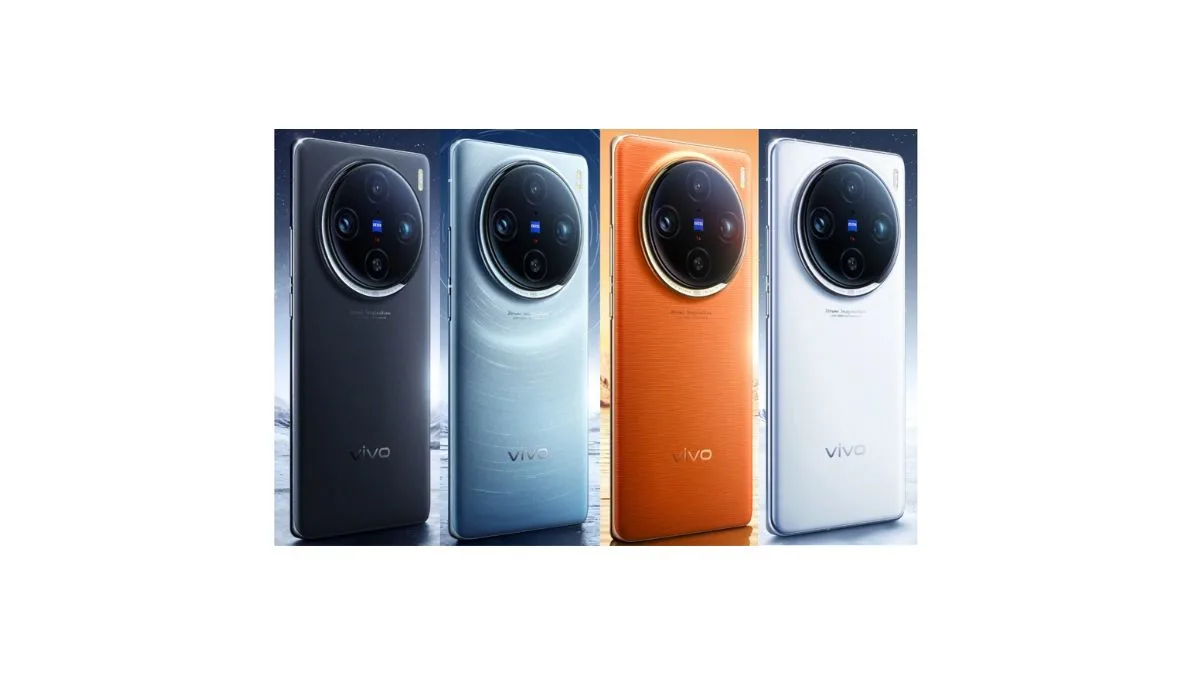
Why this price drop actually matters
A reduction of over ₹25,000 is not a routine festive discount. It fundamentally alters the value equation. At under ₹65,000, the Vivo X100 Pro moves from “luxury flagship” territory into what many Indian consumers consider the upper-premium but attainable segment. This is the range where buyers expect exceptional cameras, top-tier performance, and long-term usability without paying Apple-level premiums.
For consumers who held back earlier due to price, this drop effectively opens the door to flagship hardware that, until recently, was reserved for those willing to spend close to a lakh.
A camera-first flagship in an era of compromises
What truly sets the Vivo X100 Pro apart even now is its camera system. While many brands talk about megapixels, Vivo has focused on sensor quality and optics. The large Sony IMX989 sensor, paired with ZEISS calibration, still delivers some of the most consistent low-light and portrait results on any Android phone. The inclusion of a dedicated telephoto lens with optical stabilisation makes it especially relevant for users who care about real-world photography, not just spec sheet numbers.
In a market where newer phones sometimes cut corners by removing telephoto lenses or relying heavily on AI processing, the X100 Pro feels unusually complete even a year after launch.
Performance that hasn’t aged
The Dimensity 9300 chipset was one of MediaTek’s most ambitious launches, and its performance has aged well. For daily use, gaming, camera processing, and multitasking, it remains comfortably in flagship territory. Importantly, it does this without the aggressive thermal throttling issues that plagued some earlier high-end chips.
For buyers concerned about longevity, this matters. A phone at this price should feel fast not just today, but two to three years down the line. The X100 Pro still checks that box.
Charging speeds that change user behaviour
The 100W fast charging is not just a headline feature. It changes how people use their phones. A short charging window in the morning or before leaving home can deliver hours of usage, reducing anxiety around battery percentages. Combined with a large battery, this is one of those features that becomes difficult to give up once experienced.
What this says about the wider smartphone market
This price drop also reflects increasing pressure in the premium Android segment. With newer launches lined up for 2026 and consumers becoming more value-conscious, brands are being forced to adjust faster. Flagships no longer enjoy long periods of price stability. Instead, meaningful discounts are arriving sooner, especially online.
For buyers, this is good news. It rewards patience and shifts power away from launch-day hype toward real-world value.
Should you consider it now?
If your priority is photography, display quality, and fast charging, the Vivo X100 Pro at its current price is arguably one of the strongest value propositions in the premium Android space. It offers features that many newer phones still struggle to match, now at a price that feels justified rather than aspirational.
The bigger takeaway, however, is this: flagship smartphones no longer need to cost a small fortune to deliver flagship experiences. The Vivo X100 Pro price correction is proof that the market is finally bending in favour of informed buyers.